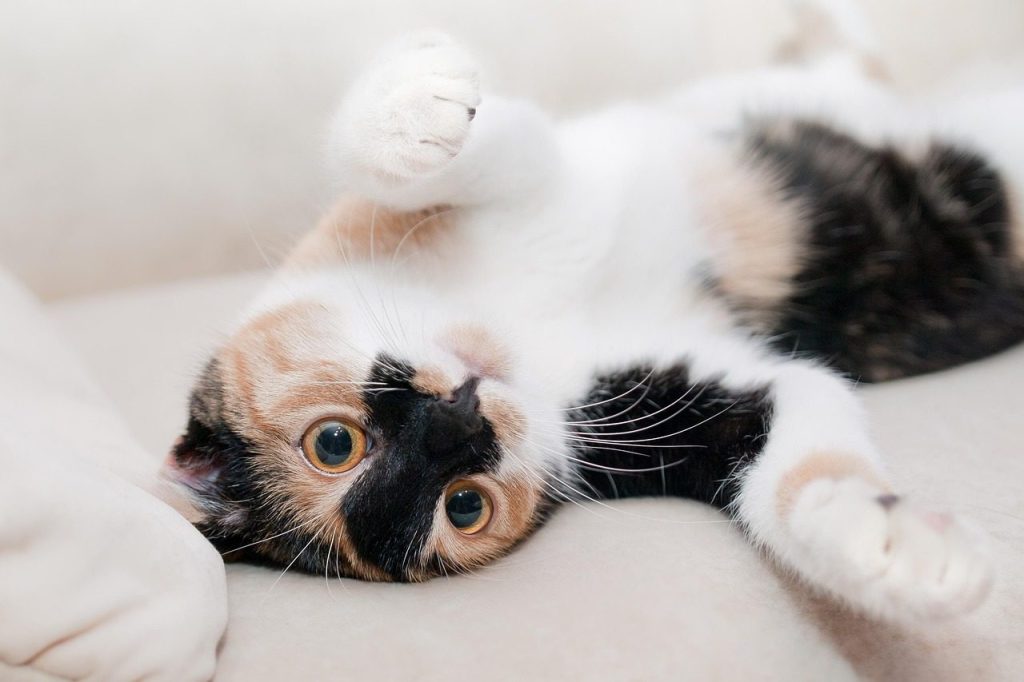

You look down and see your tiny kitten fast asleep on your lap. Their belly is exposed, and their little paws are stretched straight up in the air.
This adorable posture is a staple of viral internet clips. Yet, this sleeping position is not just a cute habit. It carries a profound physiological meaning.
The ultimate display of survival trust
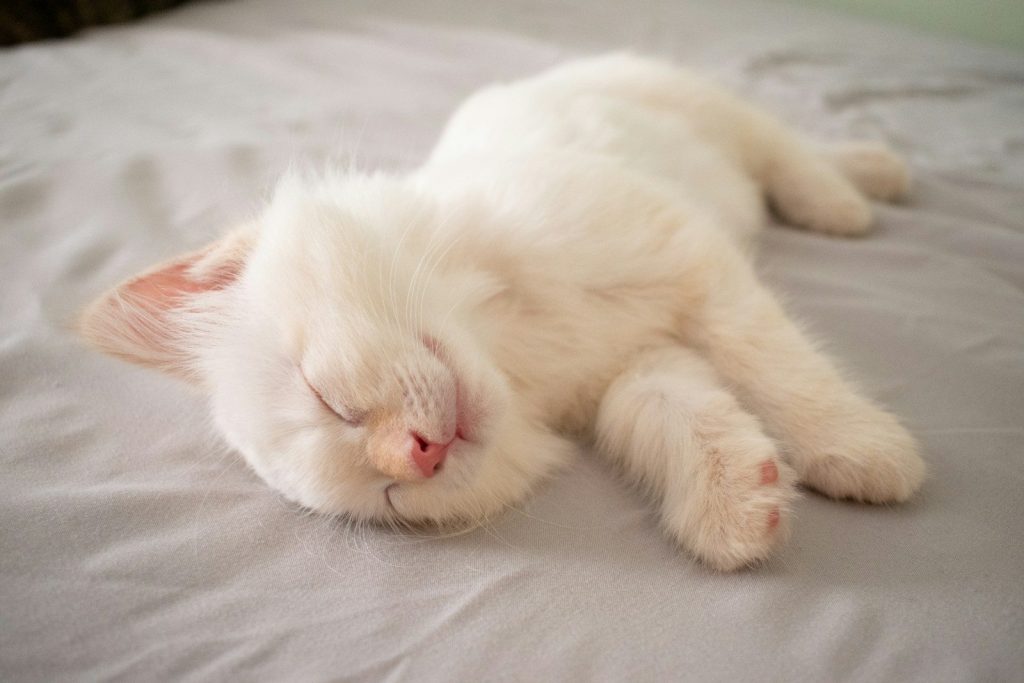
In the wild, exposing the stomach is highly dangerous for a feline. The belly houses their most vital organs, making it a primary target for predators. Sleeping upside down on your lap proves your kitten feels completely safe in your presence. According to the American Veterinary Medical Association, this posture shows they trust you to defend them from any threat. But is there a physical benefit to this pose?
How stretching helps their growing joints
Young kittens experience rapid physical development during their first few months of life. Sleeping with their paws extended helps stretch out their growing muscles and keeps their joints flexible. This relaxed posture allows their nervous system to fully decompress after a busy day of playing and exploring. This deep relaxation is crucial for healthy bone growth. But how does body temperature affect their choice?
The continuous search for cozy heat sources
Tiny kittens struggle to regulate their own body temperature. They naturally seek out warm surfaces, which is why your heated lap is their absolute favorite resting place. Exposing their bellies can also help them cool down if they get too warm from your body heat. It is a highly efficient way to balance their temperature while they rest. But why do they twitch while sleeping?
The active brain during deep sleep
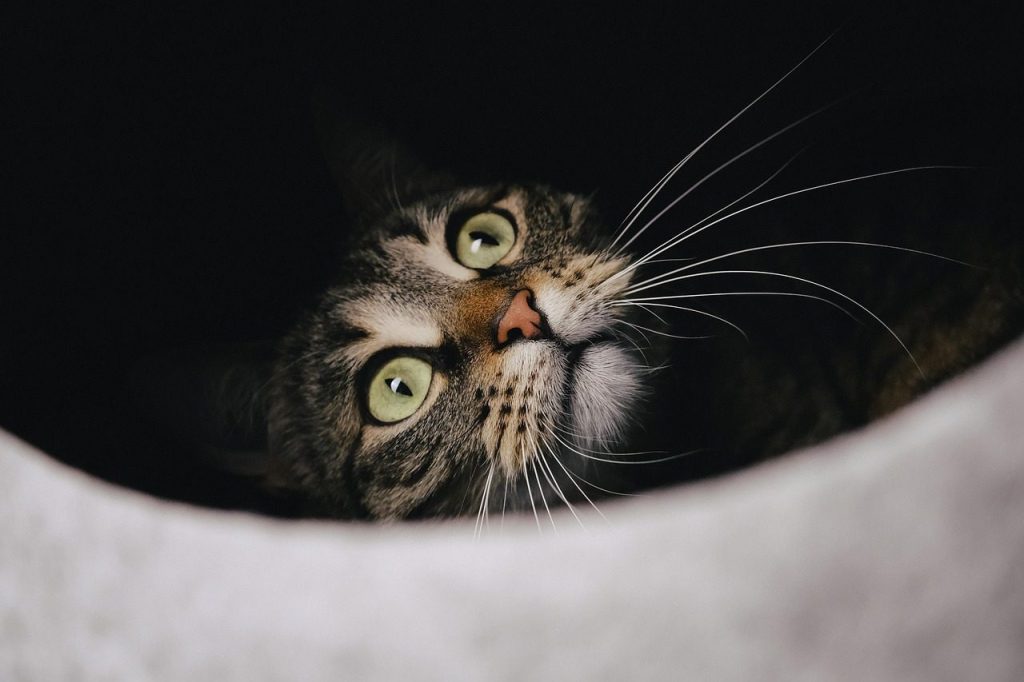
If you notice their paws and whiskers twitching, your pet is likely dreaming. Kittens spend a large portion of their sleep cycle in deep REM sleep, which is vital for brain development. During this stage, their minds process everything they learned about hunting and playing during the day. This article is for informational purposes only and does not constitute veterinary advice. But how much rest do they need?
The intense energy demands of a kitten
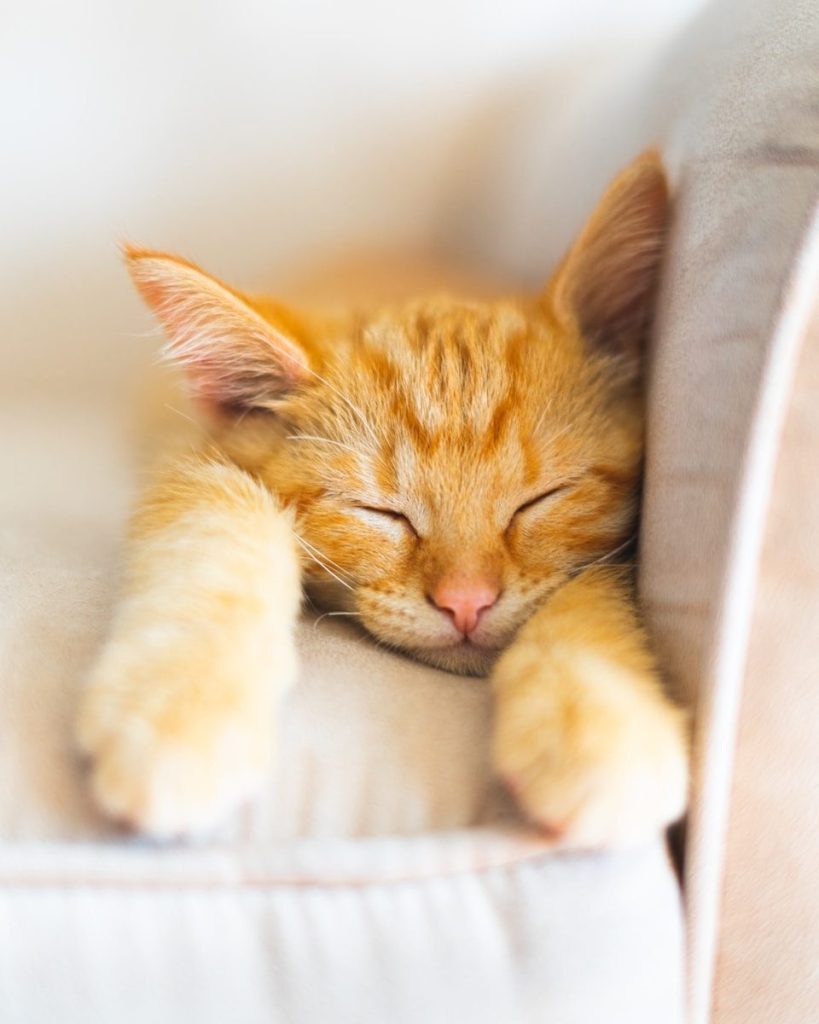
Growing up is hard work, and kittens require a massive amount of rest to recharge. A healthy kitten can sleep for up to twenty hours a day to support their rapid development. According to veterinary pediatric studies, growth hormones are primarily released while they are sound asleep. This intense rest cycle is completely normal and necessary for their health. But should you wake a sleeping baby?
Why is letting them sleep so important?
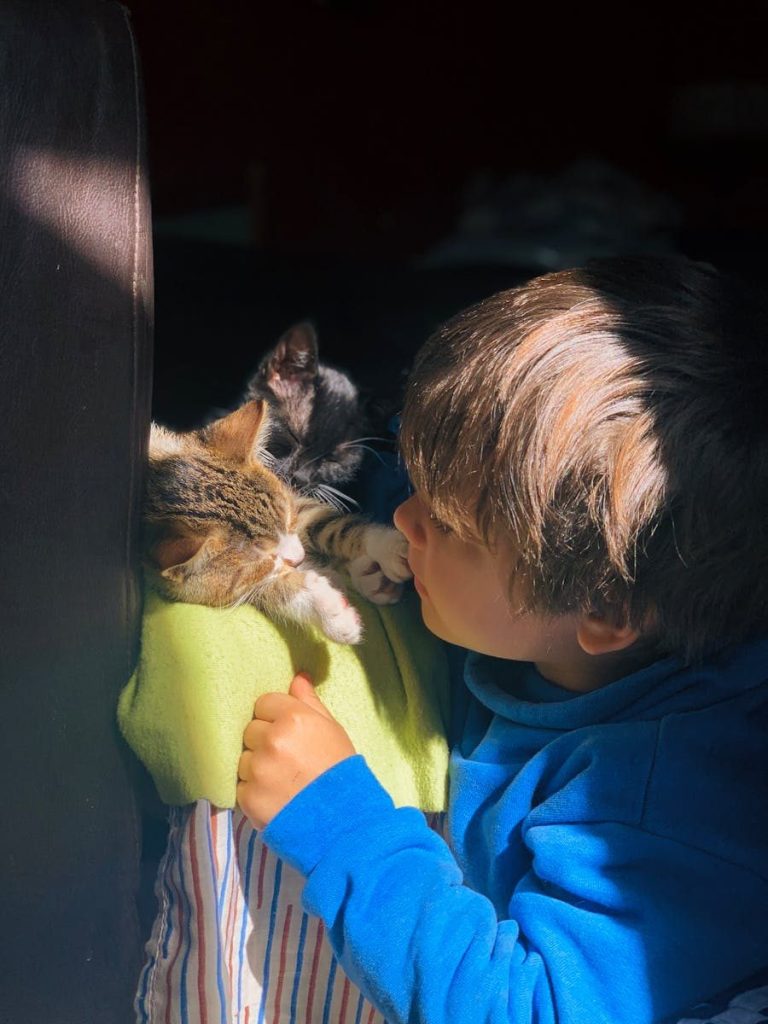
It is highly tempting to scoop up a sleeping kitten for a cuddle. However, interrupting their rest can disrupt their growth patterns and increase their daily stress levels. Teach children to let sleeping pets rest undisturbed to ensure they grow up healthy and confident. Allowing them to wake up naturally keeps their mood happy and relaxed. But how does this habit shape their future bond?
Protecting their peaceful dream world forever
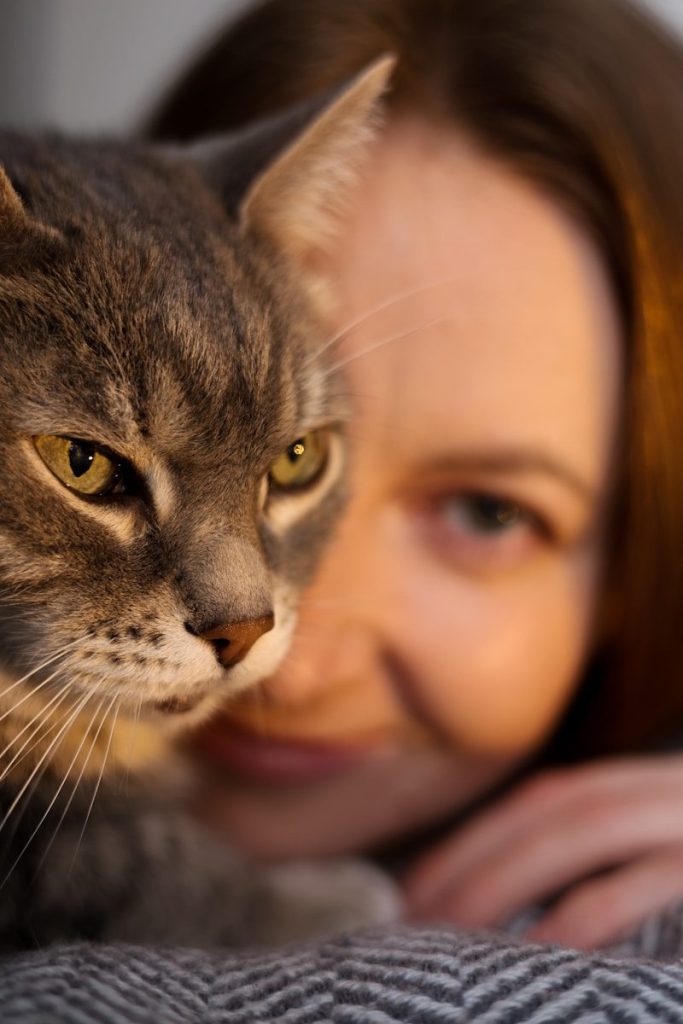
By respecting their sleep and keeping them safe, you lay the foundation for a lifetime of trust. A kitten who sleeps peacefully on your lap today will grow into a secure, affectionate adult companion. Providing a quiet, warm environment ensures your little friend thrives. Your care will be rewarded with a strong, unbreakable bond and endless loyalty for years to come.