

Choosing a name for your new kitten is a big decision. Most owners pick popular human names like Luna, Oliver, or Bella.
However, the phonetic sounds you choose can dramatically affect how well your pet listens. Felines hear the world differently, and some words register much more clearly in their ears.
The unique frequency of feline hearing
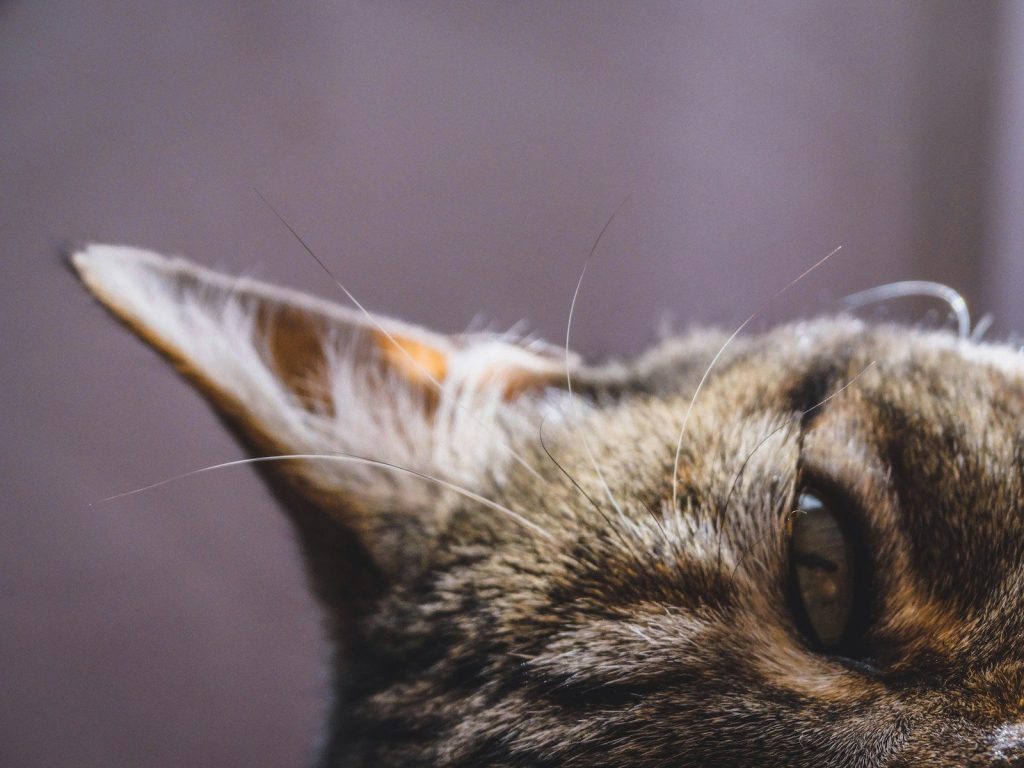
Cats possess an incredibly sharp sense of hearing. They can detect high-pitched noises that are completely silent to human ears, such as the squeaks of tiny rodents. Because of this biology, felines are naturally drawn to high-frequency vocal sounds. According to animal behavior studies, names ending in a high vowel sound are much easier for them to identify. But what specific letter sounds work the best?
The power of the high-pitched vowel sound

Names that end with an ee sound are absolute winners in the feline world. Think of classic names like Charlie, Lily, or Daisy. This sharp, upward pitch mimics the sounds of prey and instantly triggers their attention. Your pet can easily pick these tones out from a background of normal human conversation. But do hard consonants also play a role?
Why hard consonant sounds grab their attention

Hard consonants like k, ch, and sh create quick acoustic bursts. These sudden noises cut through household static and reach your pet’s ears instantly. Names like Rocky, Chloe, or Archie are highly effective because they begin or end with these distinct, punchy sounds. This phonetic structure makes the word stand out as a direct call. But what about the length of the name?
Keeping the title short and sweet

Long, complex names can confuse your furry friend. A two-syllable word is the perfect length for pet training and recognition. According to the Cat Fanciers Association, short names help cats distinguish their specific call from general household chatter. It keeps their cognitive load low and ensures a faster response when you call. But does their name actually mean anything to them?
How felines associate names with outcomes

A name is just a meaningless sound until you pair it with a consequence. Felines learn through classical conditioning, associating their name with food, play, or affection. If you only use their name when scolding them, they will quickly learn to ignore your call. Positive reinforcement is the secret to building a reliable response. But how do you train them to come running?
Simple training steps for name recognition
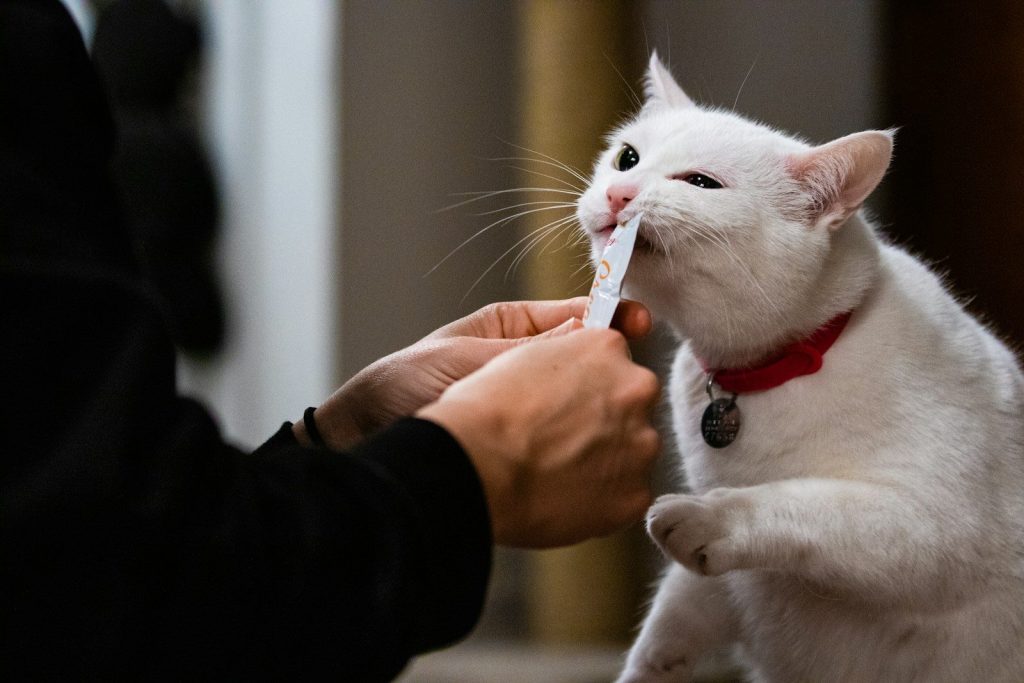
Start by sitting close to your pet with a handful of tasty treats. Say their name clearly once, and hand them a treat the moment they look at you. Repeat this exercise daily, gradually increasing the physical distance between you and your pet. This game teaches them that hearing their name always leads to something wonderful. But what common mistakes should you avoid?
Avoiding the trap of multiple nicknames

Using too many nicknames can slow down their learning process. While it is tempting to call your pet baby, sweetie, or fluffball, try to stick to their official name during training sessions. This article is for informational purposes only and does not constitute veterinary advice. Consistency helps solidify the word in their brain and prevents unnecessary confusion. But what is the ultimate goal of naming?
Building a lifelong line of communication
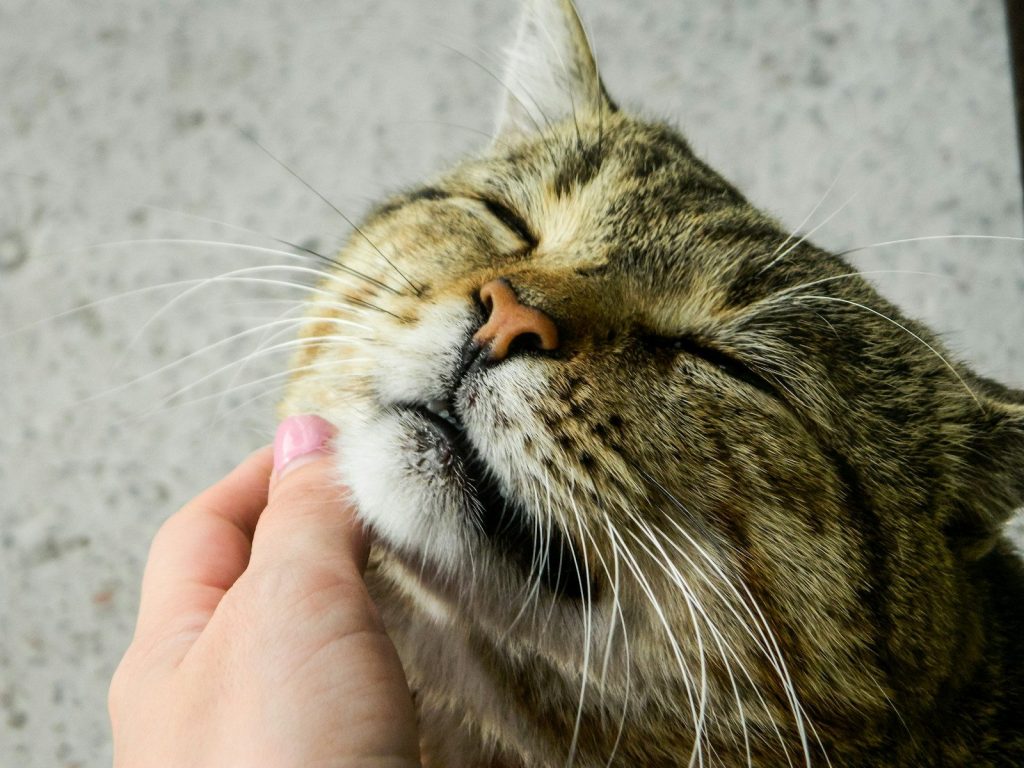
Selecting a great name creates a direct, reliable bridge of trust between you and your companion. When your little house tiger comes running at your call, you strengthen your daily bond. By focusing on phonetic sounds they naturally love, you make communication effortless. Your pet will reward you with endless affection, happy purrs, and loyal companionship for years.
Featured Image: Photo by Grant Durr on Unsplash