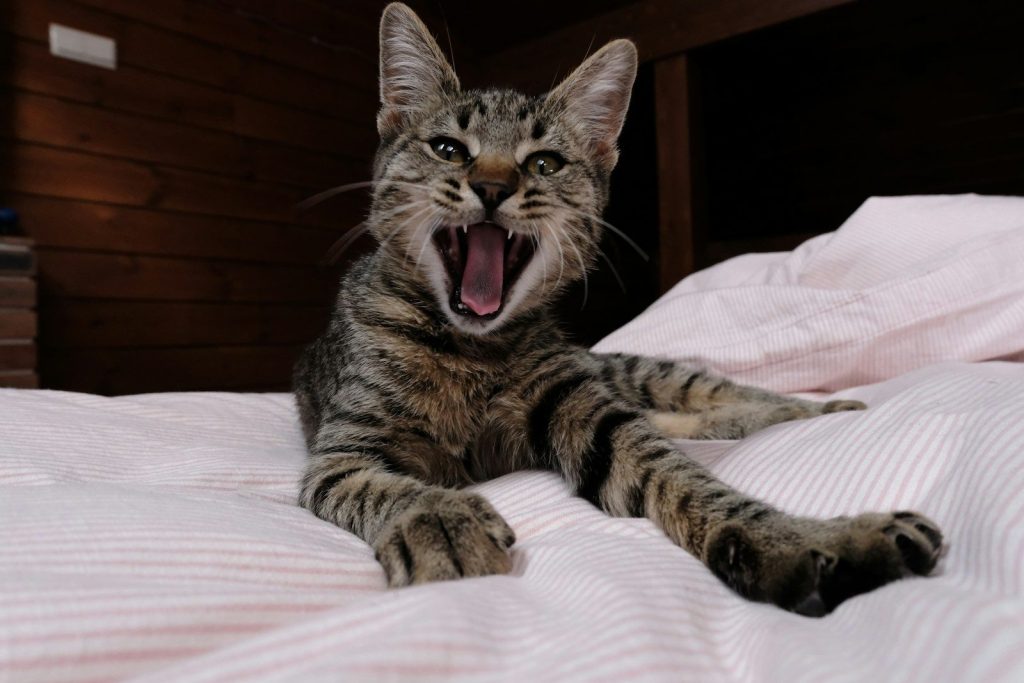

You are sleeping peacefully when a soft paw taps your nose. You look at your phone and realize it is exactly the same early minute every single day.
This precise alarm routine leaves millions of owners utterly exhausted. Feline behavior experts have finally decoded this persistent behavior and offered a simple fix.
The powerful internal clock drives feline routines
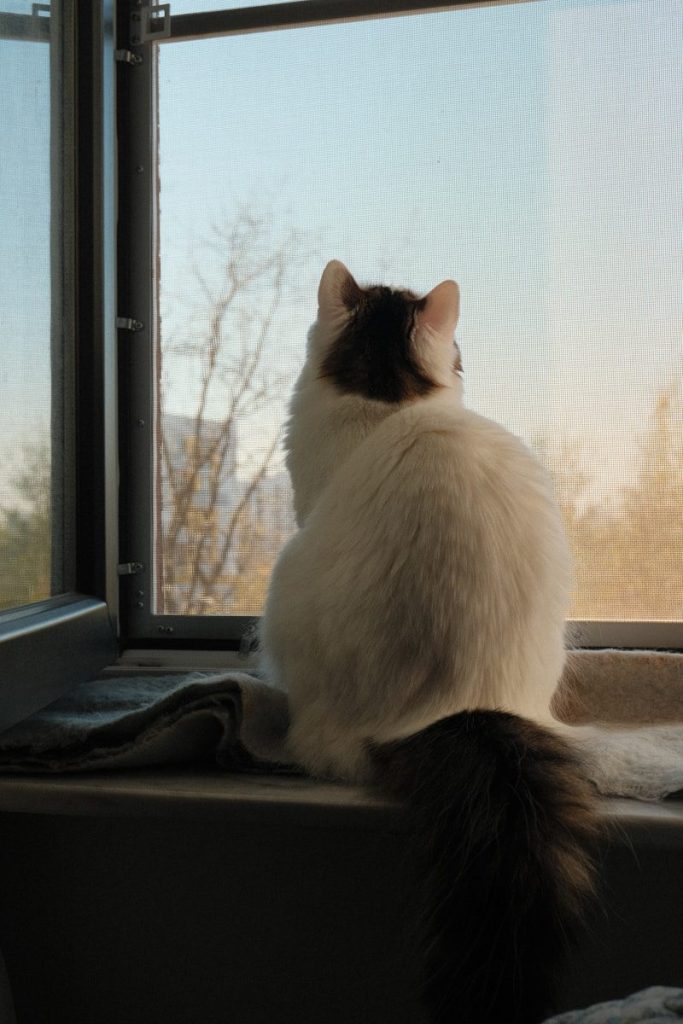
Cats possess an incredibly accurate biological rhythm. According to the Cornell Feline Health Center, their internal clock is highly sensitive to subtle environmental shifts. They notice the exact moment the sun rises or when the birds start singing outside your window. This natural instinct keeps them highly active at dawn. But sunlight is not the only trigger.
The ancient predatory instinct of crepuscular hunters

Felines are crepuscular, meaning they are naturally most active during dawn and dusk. This is the exact time when their natural prey is awake and moving. Your sweet house cat still feels a primal drive to hunt at sunrise. They view your sleeping body as a companion who should be sharing the hunt. Still, their motives are often much simpler.
Demanding the morning breakfast at a specific minute
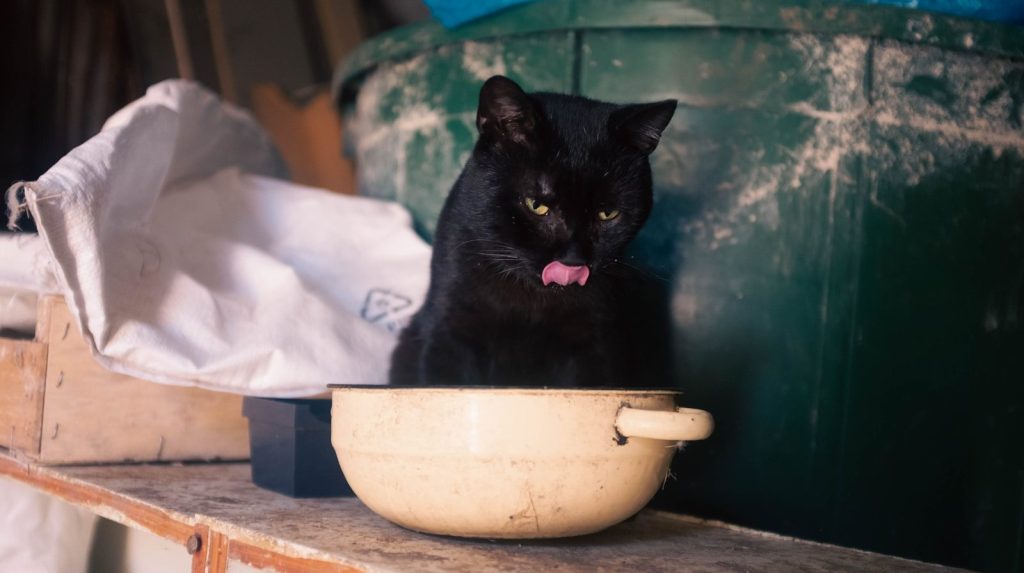
Cats are masters of association and love a strict feeding schedule. If you feed them immediately after getting out of bed, they quickly connect your waking up with delicious wet food. They will start pushing the wake-up time earlier to speed up breakfast. But there is another common reason they bother you.
Seeking pure physical connection and comfort
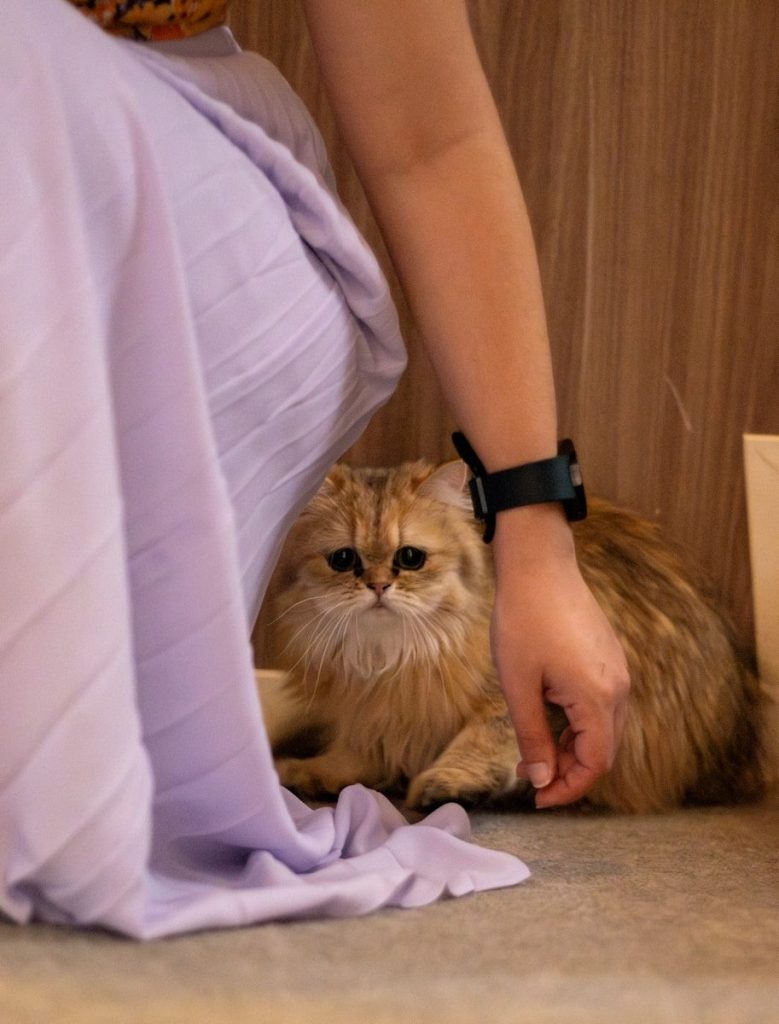
After sleeping alone for hours, your pet might simply miss your presence. They know that tapping your face or walking on your chest gets an immediate reaction. Even if you grumble or push them away, they view this contact as a successful interaction. However, you might be accidentally encouraging this behavior.
How owners accidentally reinforce the early alarm
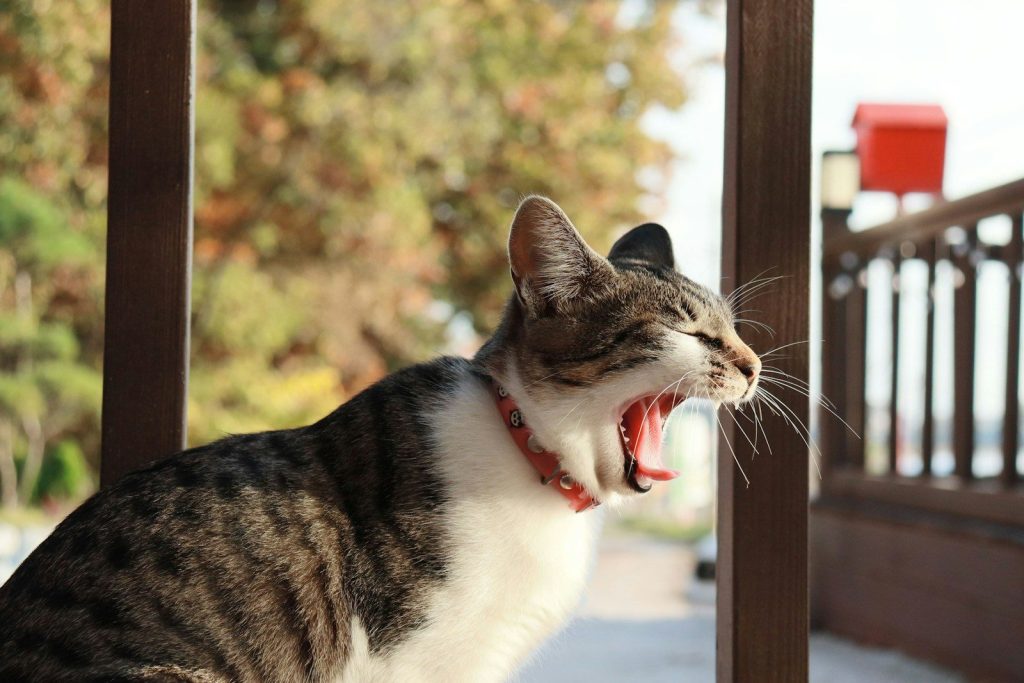
Talkative owners often talk to their cats or get up to feed them when awakened. This simple response teaches your pet that waking you up works perfectly. To break this loop, you must learn to ignore them completely when they tap your face. But ignoring a persistent feline is much harder than it sounds.
Using automatic feeders to shift their focus
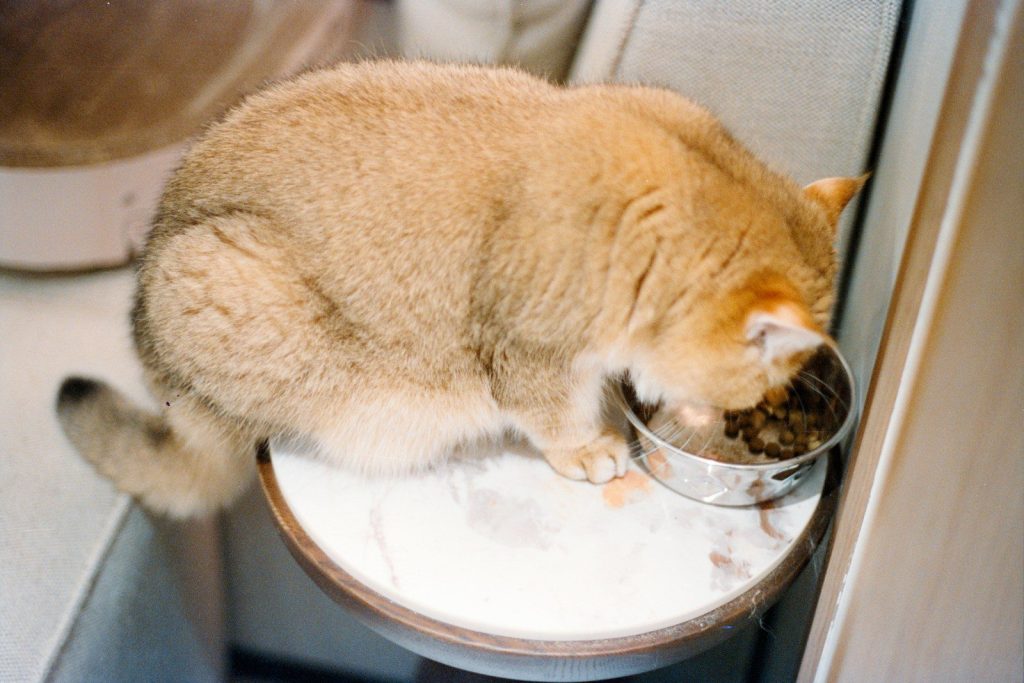
Setting up an automatic dry food dispenser can work wonders for your sleep. Program the machine to release a small snack ten minutes before their usual wake-up time. This shifts their morning focus away from your bed and toward the kitchen. Yet you must also address their daytime habits.
Increasing evening play sessions to burn energy
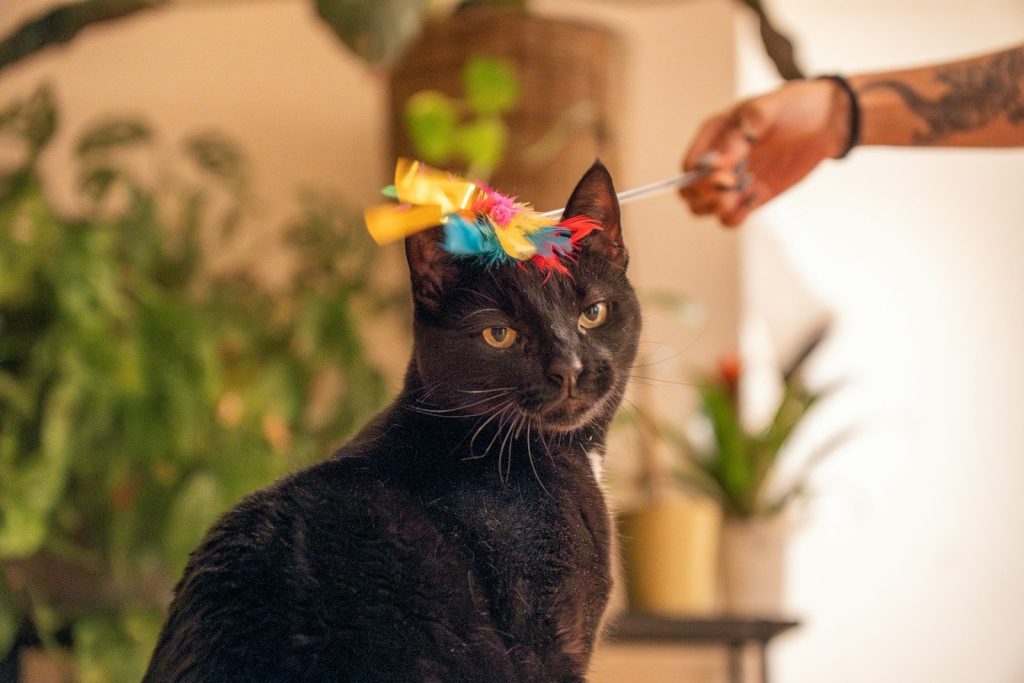
A tired cat is a quiet sleeping cat. Schedule a high-energy interactive play session right before your bedtime to drain their batteries. Follow the game with a small meal to trigger their natural sleep cycle. This simple adjustment helps them sleep more deeply through the quiet dawn hours. But there is one final medical check to keep in mind.
Ruling out underlying medical issues with a vet
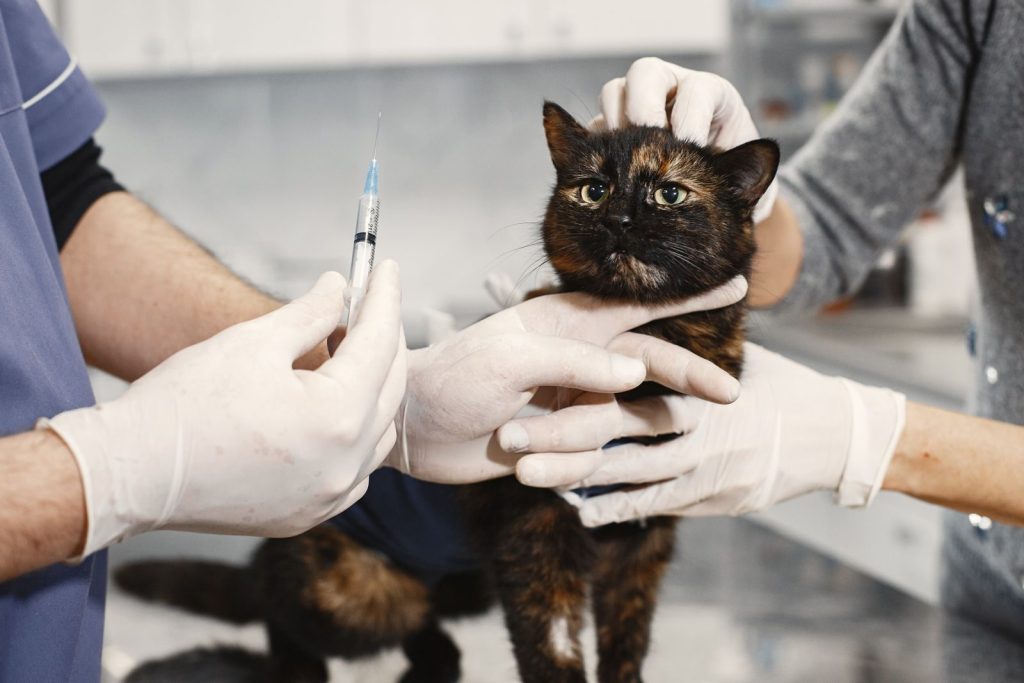
Sudden changes in sleep patterns can sometimes point to thyroid issues or early joint pain. If your older pet suddenly starts crying at dawn, a veterinary exam is essential. This article is for informational purposes only and does not constitute veterinary advice. Restoring their physical comfort is the ultimate key to reclaiming your peaceful mornings.
Featured Image: Photo by ELENA DONCHEVA on Unsplash