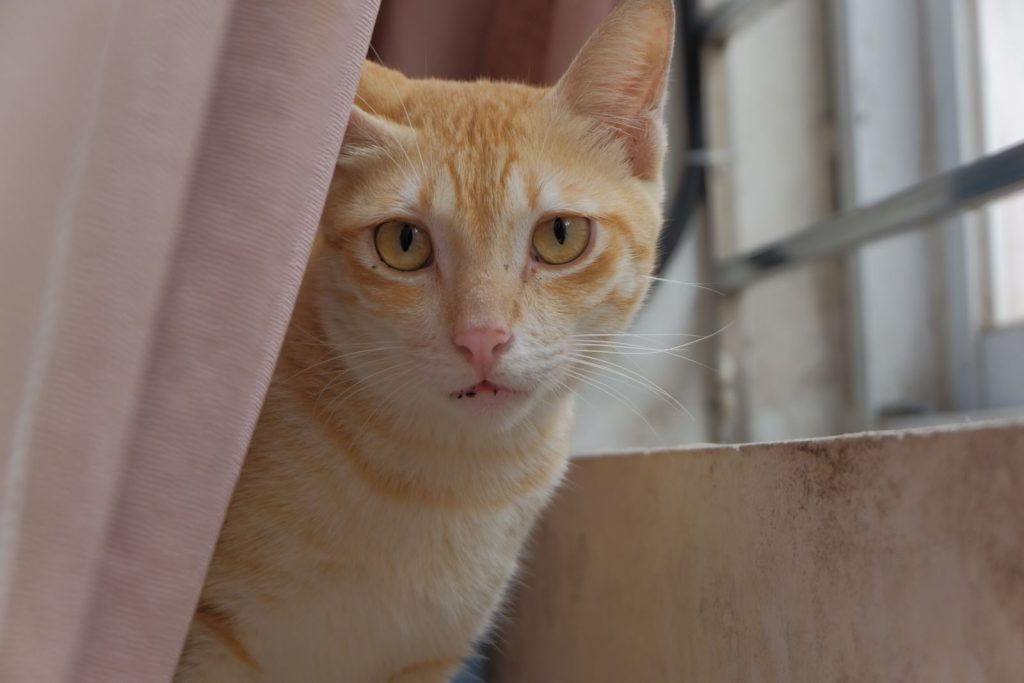

Felines are some of the most popular pets on earth. Yet their mysterious physical traits and ancient instincts still leave humans deeply confused.
Science has recently unlocked the secrets behind their strange behaviors. Take a look at these mind-blowing facts that only true cat experts understand.
The surprising reason why your pet sweeps its tail
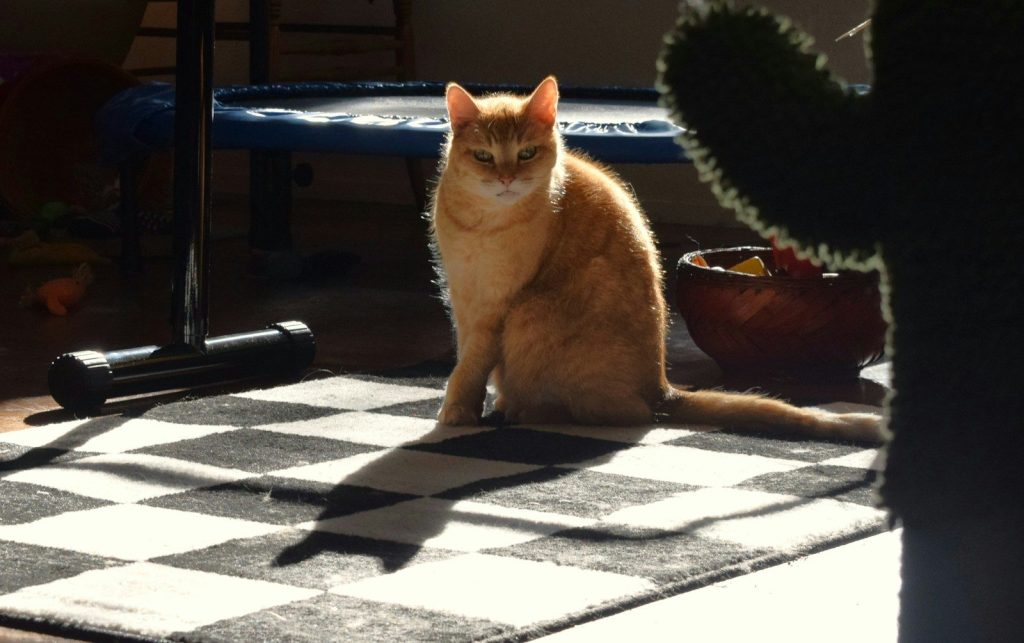
Many people assume a wagging tail means a happy pet. But felines actually use tail sweeps to show conflict or rising emotional tension. According to studies from the Cornell Feline Health Center, a fast-twitching tail means your cat is reaching its limit. But their tails are not the only parts that talk.
Sweating through their tiny paws during hot days
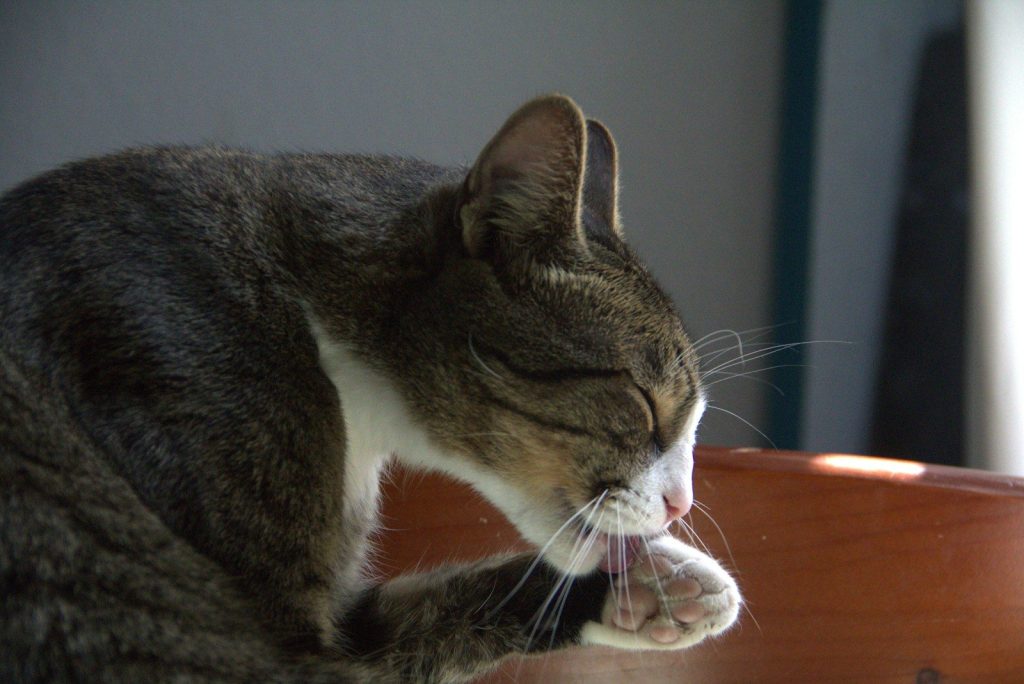
Cats do not sweat through their skin as humans do. Instead, they cool down by grooming themselves and releasing heat through their paw pads. If you spot wet paw prints on your kitchen counter, your pet might be feeling overheated. However, their vocal cords hide an even stranger secret.
Making over one hundred distinct vocal sounds
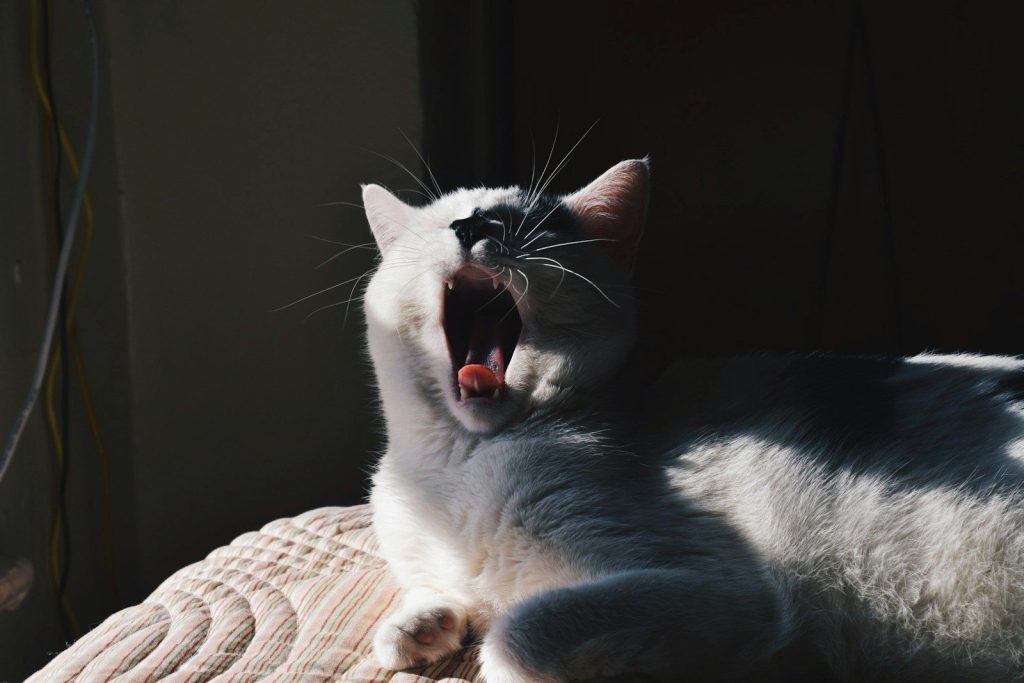
Dogs can only produce about ten different vocal sounds. In comparison, domestic felines can make over one hundred unique noises to communicate. They use these sounds primarily to manipulate human behavior and get what they want. But you might be surprised by who they are actually talking to.
Meowing is a language reserved only for humans
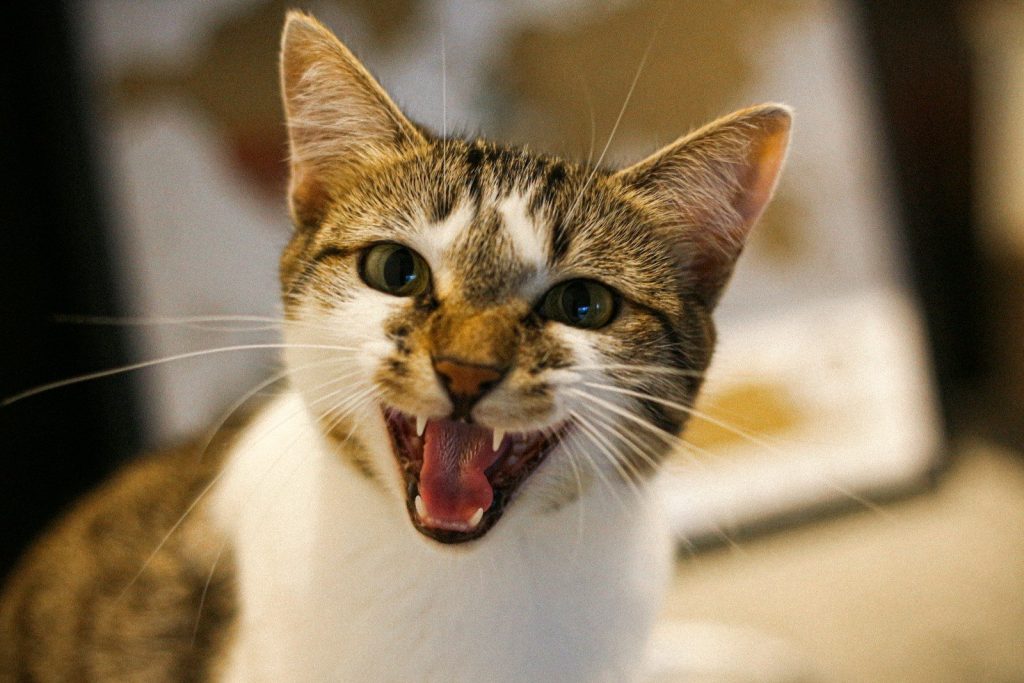
Adult cats almost never meow at other felines. They communicate with each other through scent, body posture, and quiet, low growls. They developed the high-pitched meow specifically to grab human attention and request fresh food. Yet their sensory world is even more complex than their language.
Whiskers are actually highly sensitive radar arrays
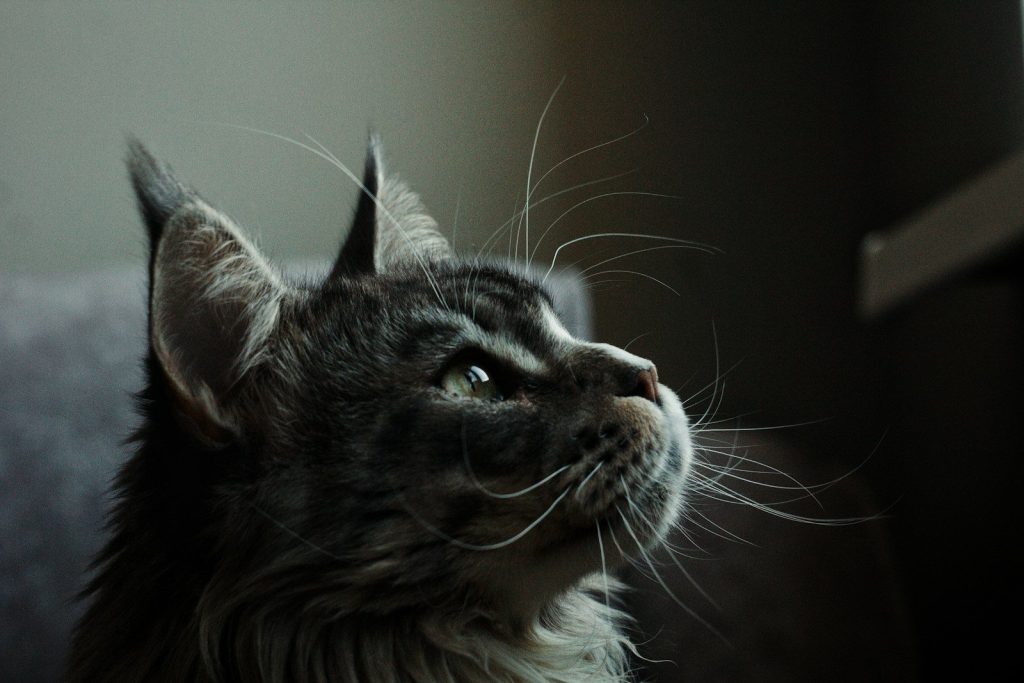
Feline whiskers are deeply embedded in their nervous system. These hairs detect tiny changes in air currents, helping them navigate dark rooms easily. According to research from the American Veterinary Medical Association, their whiskers are as sensitive as human fingertips. But did you know their bones also hold a magic trick?
Floating collarbones that allow them to squeeze anywhere
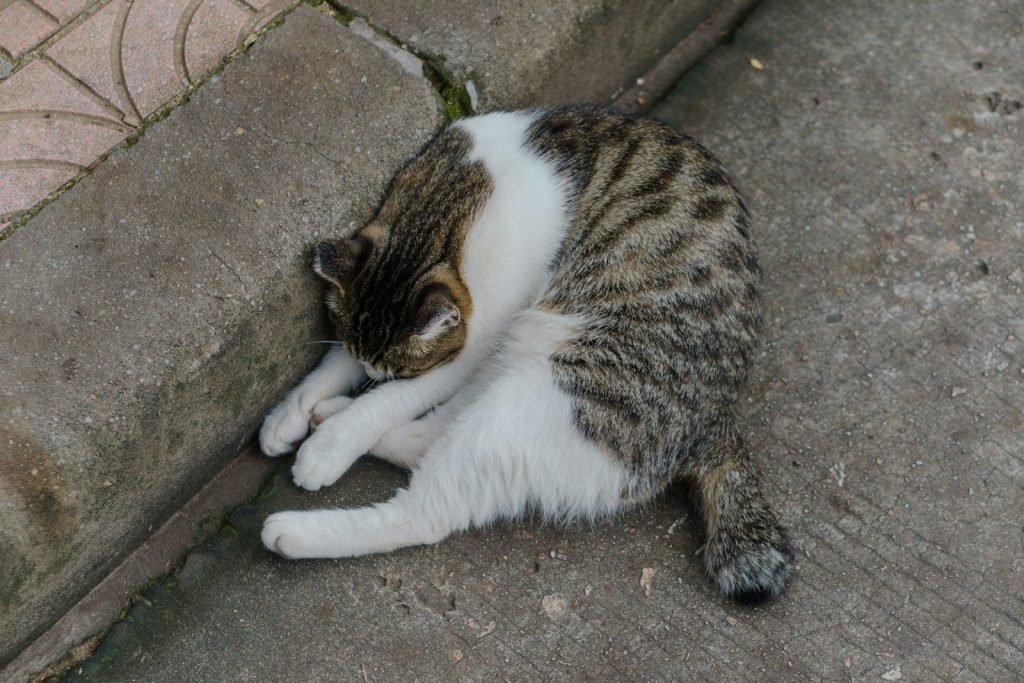
Cats do not have a rigid collarbone like most mammals. Their shoulders are attached to their skeletons by muscle rather than bone, allowing them to squeeze through tight spaces. If their head can fit through a gap, their whole body can usually follow. But there is one final sensory fact that will shock you.
Walking on their tiptoes to hunt silent prey
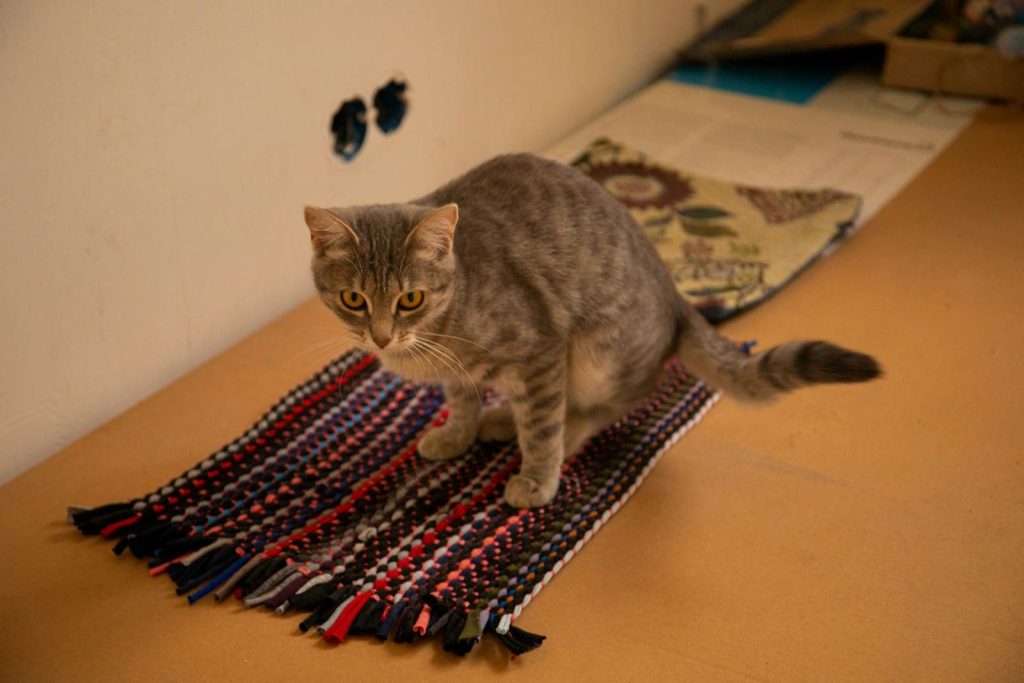
Cats are digitigrades, which means they walk directly on their toes. This physical adaptation makes their steps completely silent while hunting small rodents in the grass. This article is for informational purposes only and does not constitute veterinary advice. Embracing these wild traits is the key to understanding your quiet indoor hunter.
Featured Image: Photo by Cá Hay Cáu on Pexels