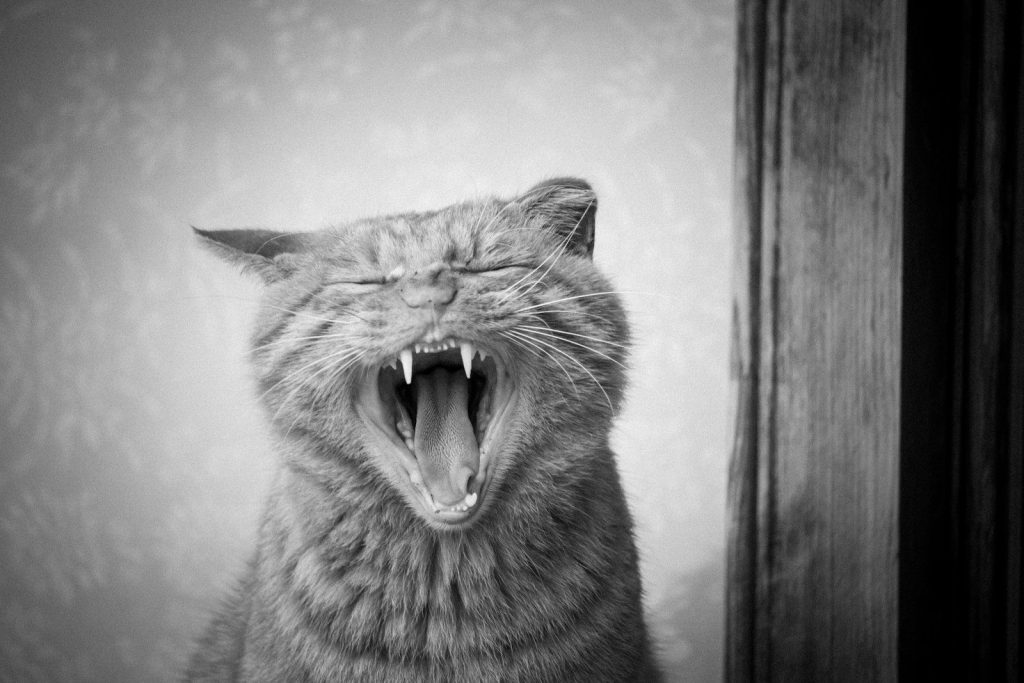

You close the bathroom door for a brief moment of quiet privacy. Suddenly, a tiny paw slides under the door frame, accompanied by dramatic feline cries.
This bizarre daily ritual baffles millions of pet owners around the world. Feline behavior experts reveal that this annoying behavior is actually driven by survival instincts.
The absolute dread of closed doors
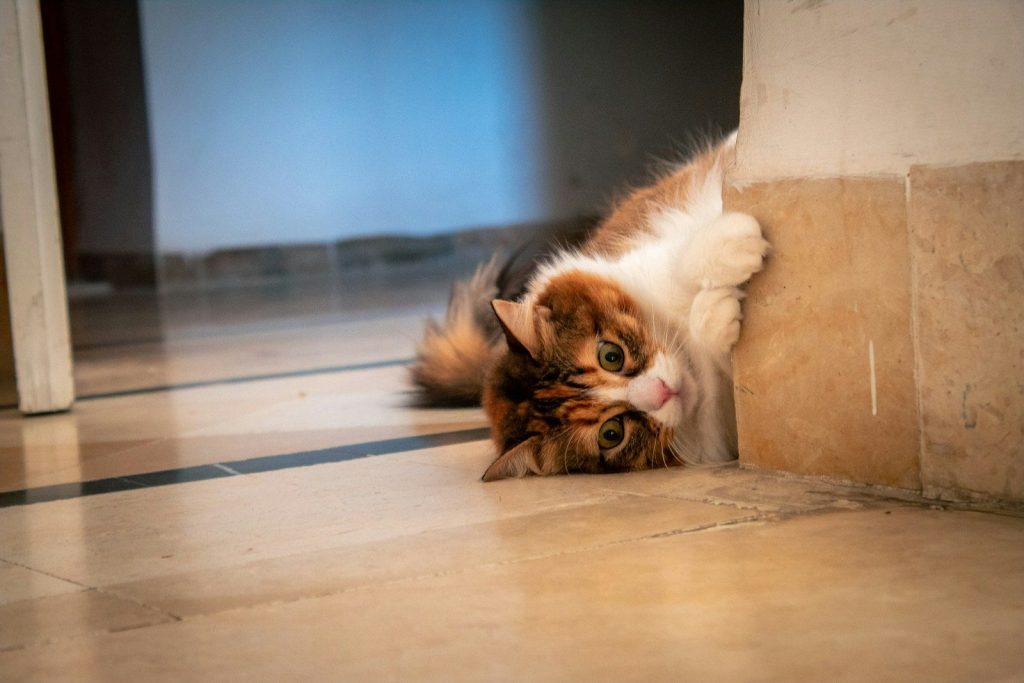
Felines are highly territorial animals that view your entire house as their personal kingdom. A closed door represents an artificial barrier that blocks them from patrolling their territory. According to behaviorists at the Cornell Feline Health Center, cats experience genuine anxiety when they cannot access every room. But territory control is not the only reason they follow you.
The natural urge to protect the pack
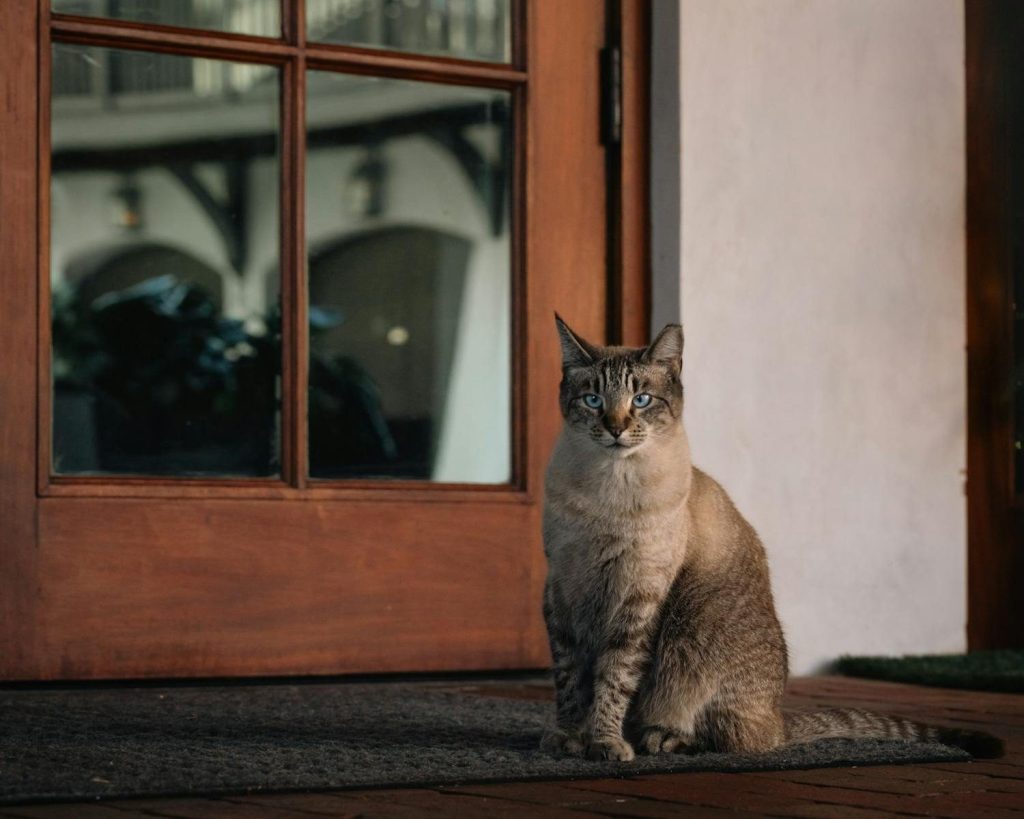
In the wild, cats are highly vulnerable when using the bathroom or drinking water. Your pet views you as a member of their social group and wants to guard you during these moments. Sitting outside the door is their way of acting as a loyal personal bodyguard. However, the bathroom itself holds a unique sensory appeal for them.
The fascinating allure of running water
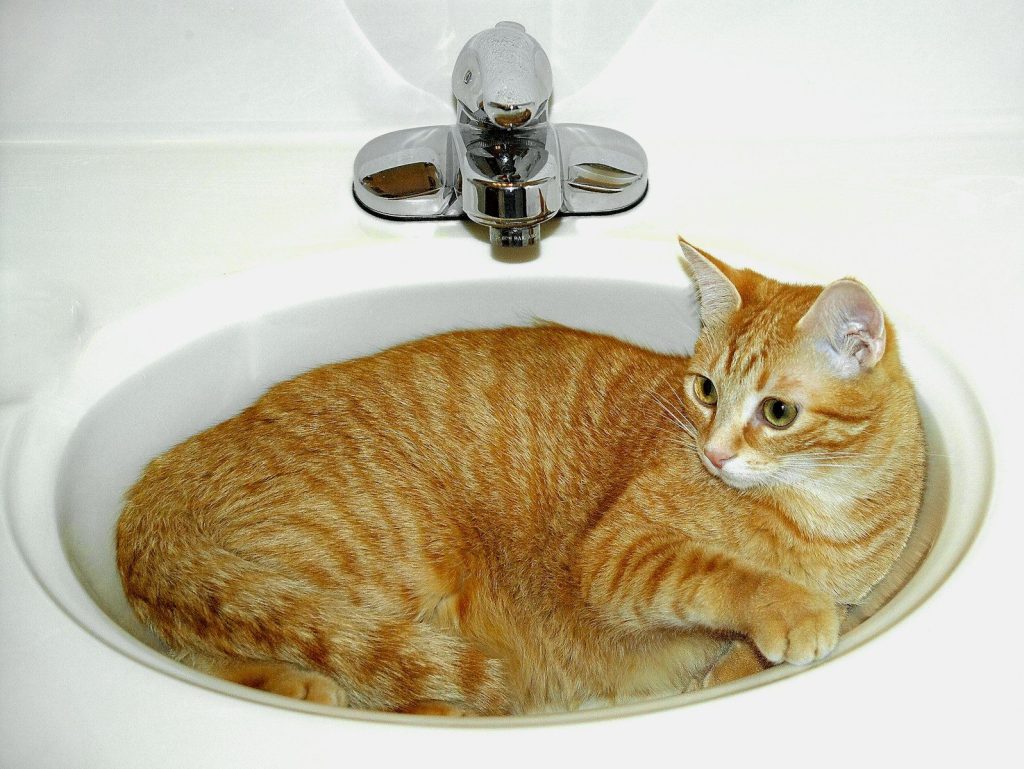
Many cats are deeply attracted to the sounds and scents of the bathroom. The sound of a dripping faucet or a running shower mimics the movement of fresh streams in nature. Feline instinct warns them that standing water might be contaminated, making fresh running water highly appealing. Yet, the steam itself can also benefit their health.
How humidity helps feline respiratory health
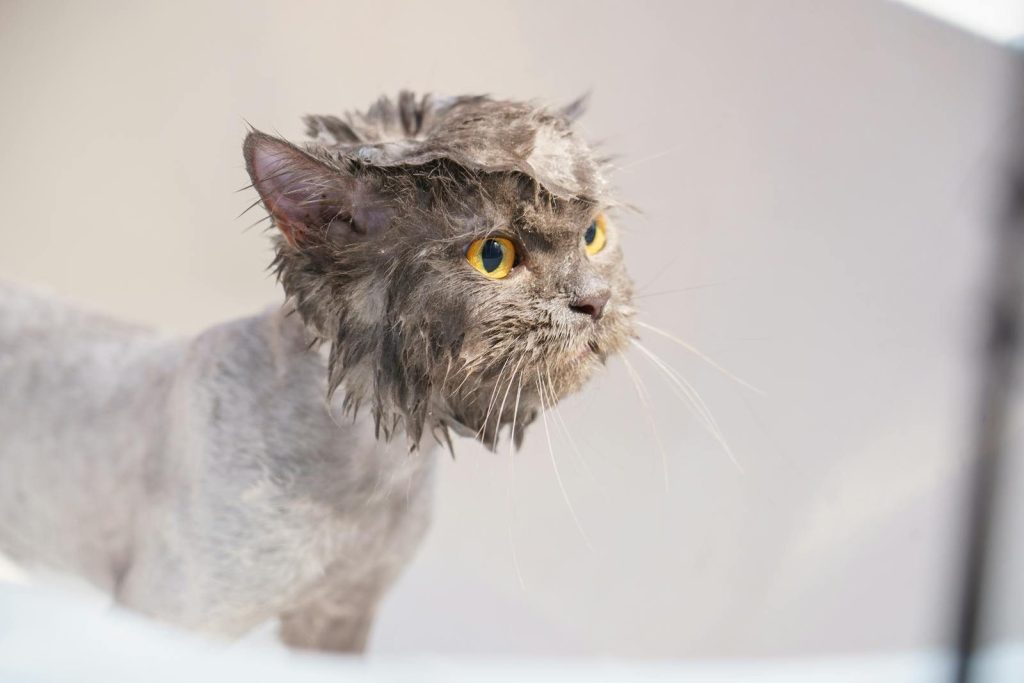
Warm steam from a hot shower can help soothe a cat’s nasal passages and airways. The American Veterinary Medical Association notes that mild humidity can provide temporary comfort to pets with seasonal congestion. Some cats love to sit on the edge of the tub just to breathe in the warm, moist air. But you must always monitor their safety around water.
Preventing dangerous accidents in wet spaces
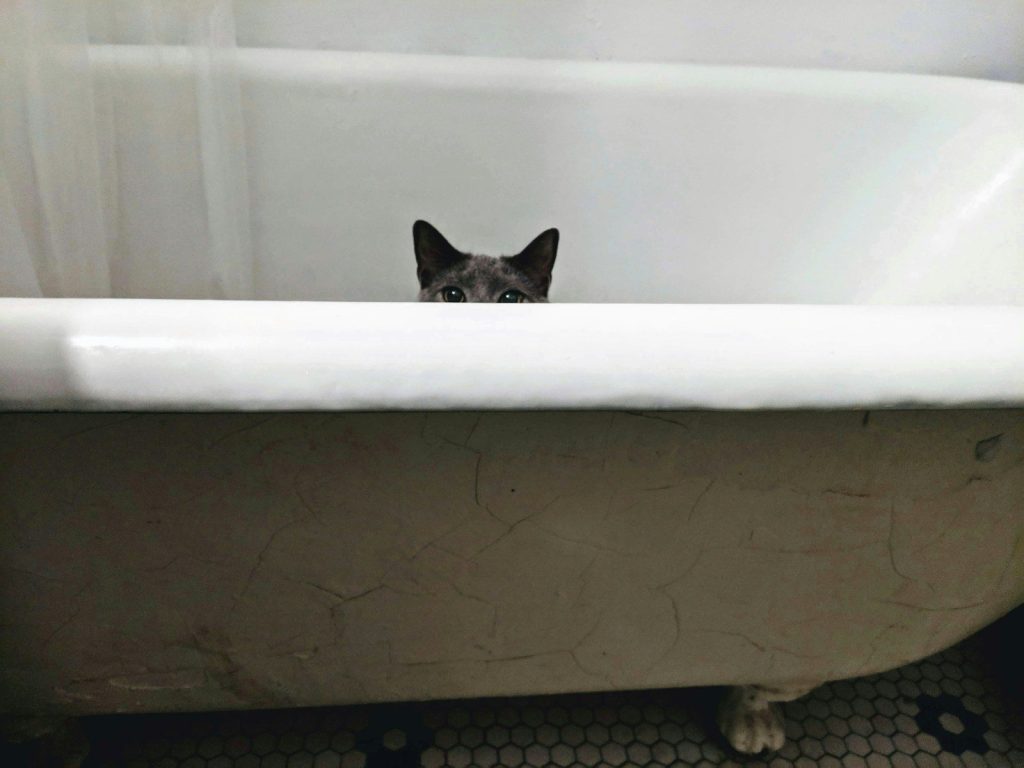
Standing bathwater, open toilets, and slippery surfaces can pose hidden risks to a curious pet. Owners should always keep toilet lids closed and supervise their animals around full tubs to prevent falls. Keeping toxic bath soaps and cleaning chemicals safely out of reach is equally important. Fortunately, you can easily satisfy their curiosity safely.
Creating a safe bathroom routine together
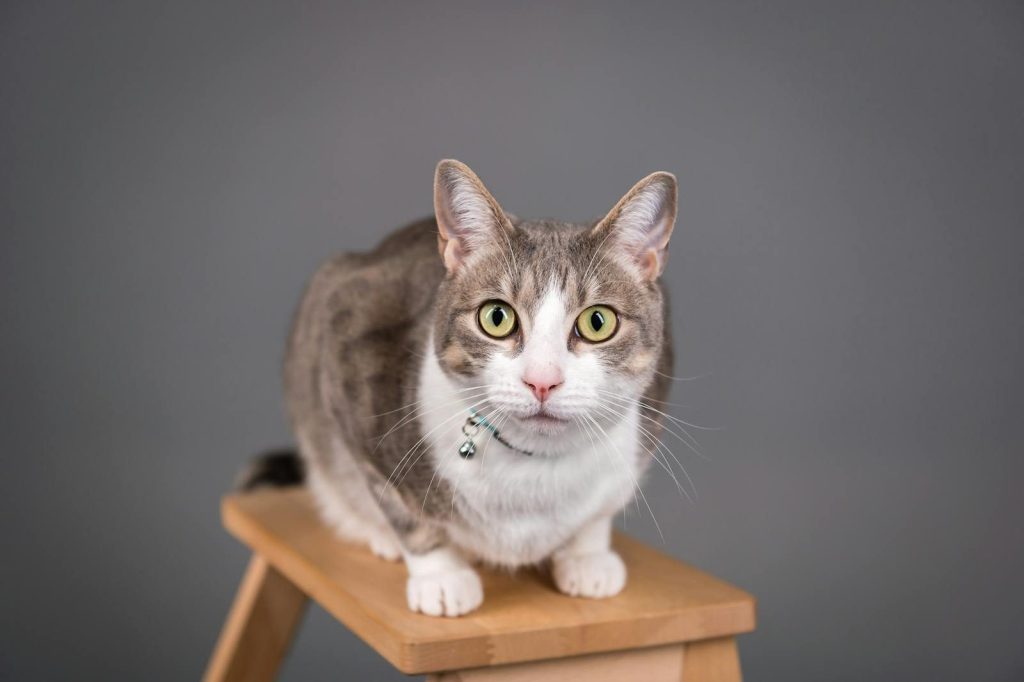
Placing a small, dry bath mat or a stable stool near the sink gives your pet a secure viewing perch. This allows them to feel included in your morning routine without getting directly underfoot. They get to satisfy their curiosity while staying completely safe from wet splashes. But what if their vocal demands become too loud?
Managing vocal behaviors with positive training
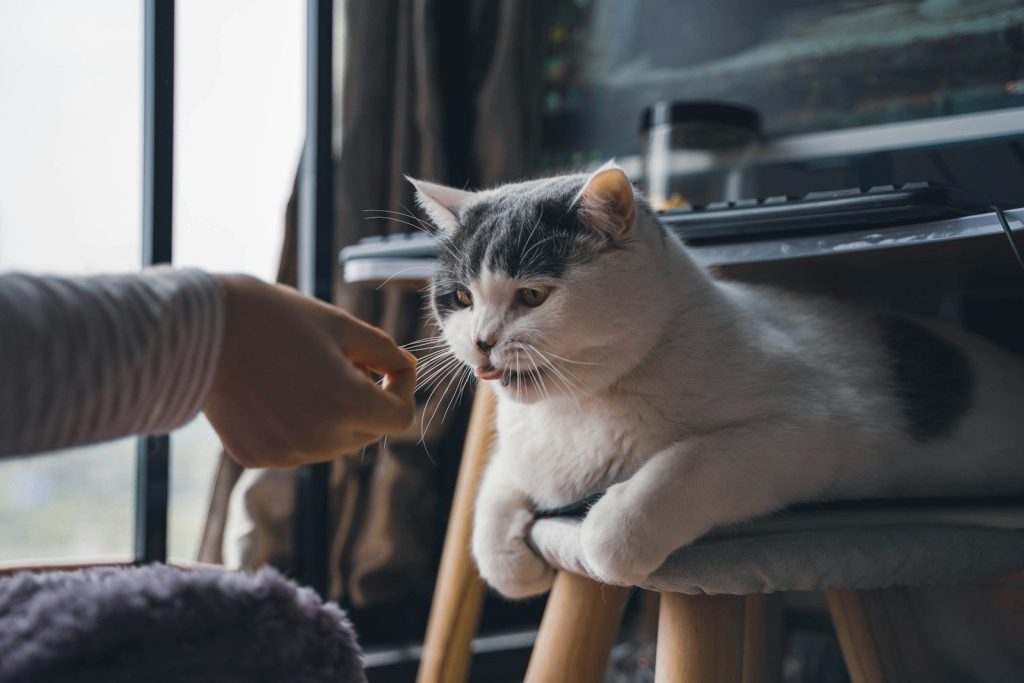
This article is for informational purposes only and does not constitute veterinary advice. Rewarding quiet behavior with delicious treats helps teach your cat to wait patiently. Understanding their natural instincts makes these quirky daily routines a sweet part of sharing your home.