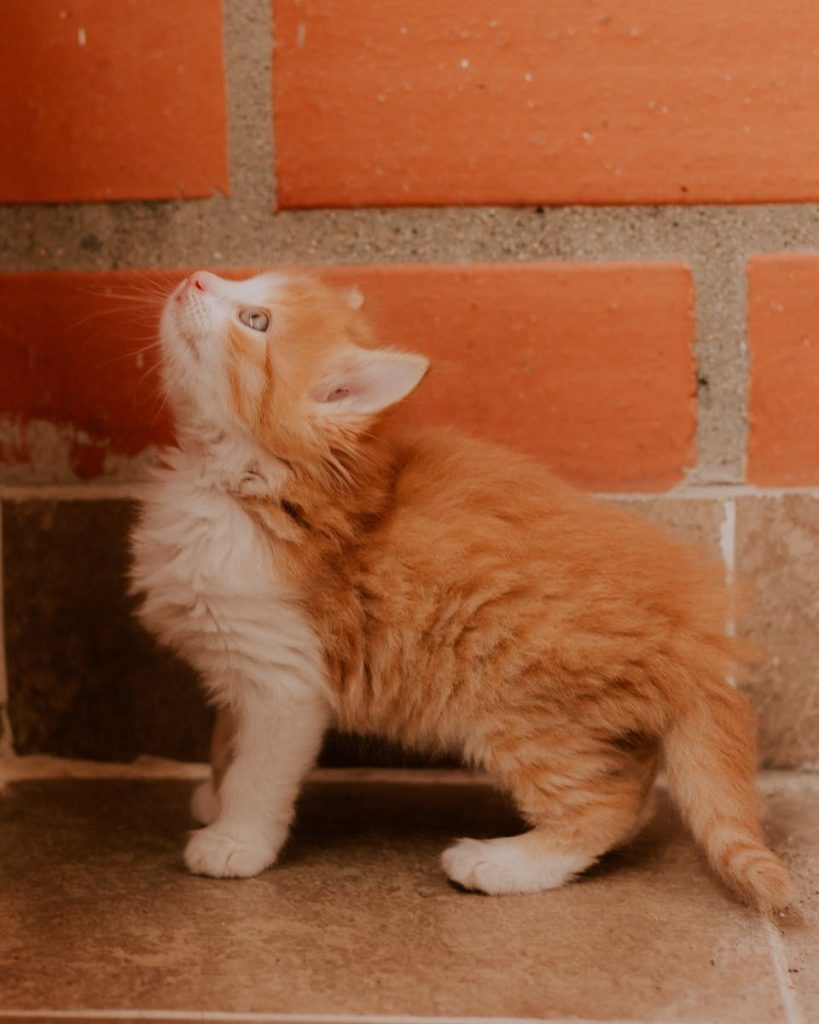

A tiny kitten stands on their hind legs and puffs their fur at a giant golden retriever. It is a hilarious sight, but it also raises a big question.
Why do these small babies have the nerve to challenge the absolute boss of the household? This common power struggle actually highlights a key phase in feline development that owners must manage.
The psychology behind the tiny bully posture
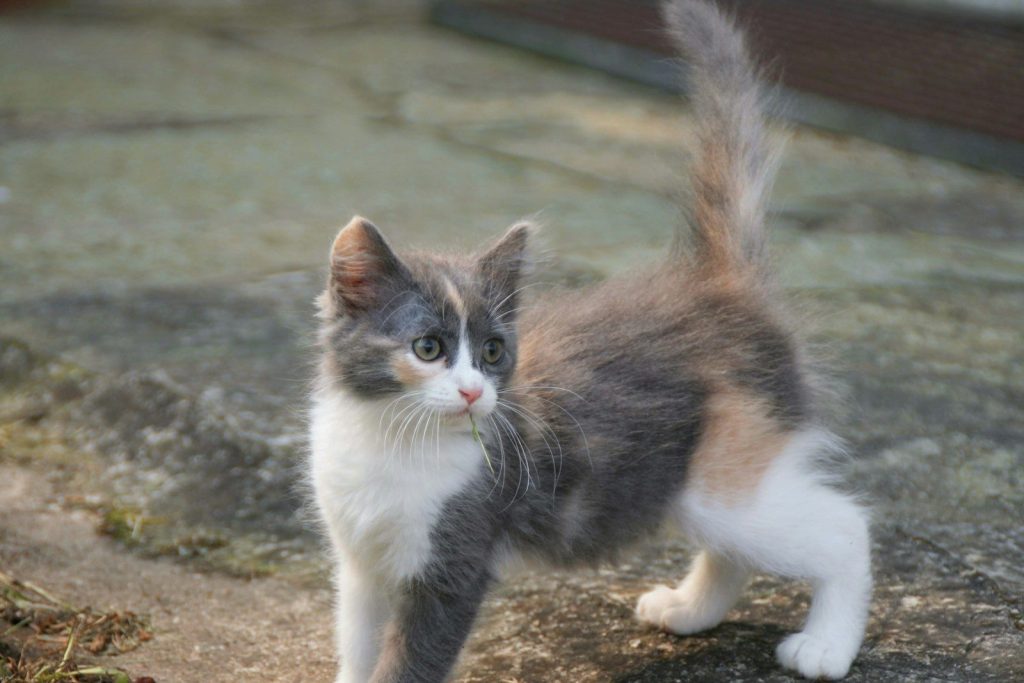
Kittens do not understand their physical limits. According to studies from the International Society of Feline Medicine, young cats use bold displays to test the reactions of those around them. They puff their tails and arch their backs to appear as large as possible. This instinct is a natural defense mechanism designed to keep them safe in the wild. But this behavior can cause real friction.
How older pets teach them respect
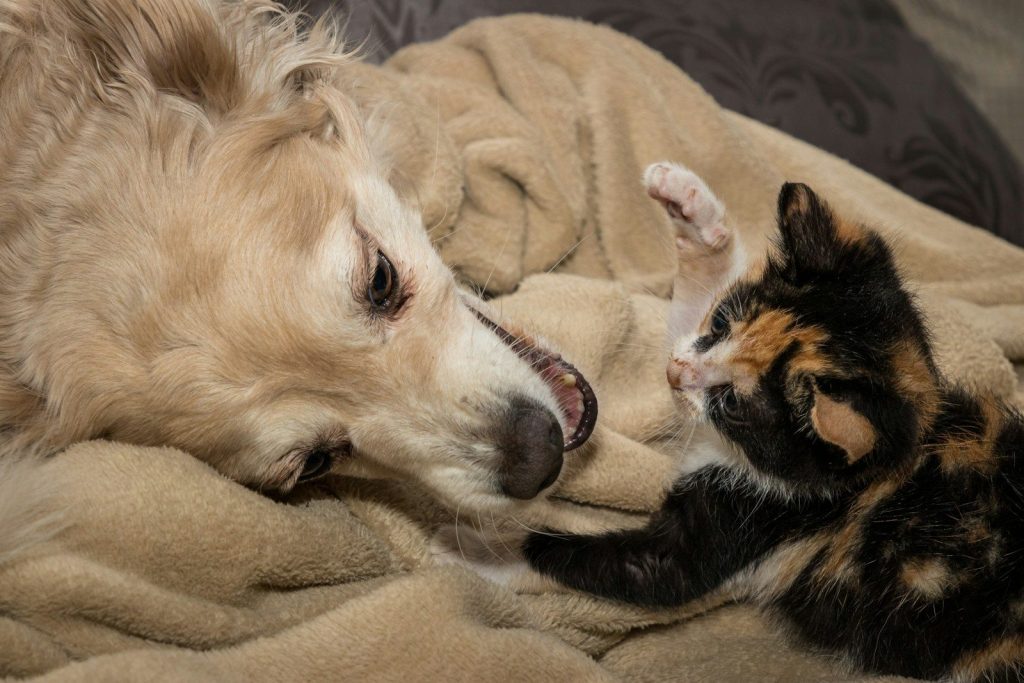
A patient resident dog or older cat is a great teacher. They usually respond to these tiny challenges with calm indifference or a gentle warning. This response teaches the kitten that their dramatic displays will not get them what they want. It is how they learn their place in the household family. However, you cannot always rely on the older pet to stay calm.
When you must step in to help
If your older pet looks stressed or starts growling, it is time to intervene. A kitten who constantly pesters a senior animal can cause a lot of anxiety. You must teach the little challenger that bossy behavior gets them ignored. The best way to do this is by redirecting their focus immediately. Doing this consistently requires a very specific training technique.
Redirecting their focus with positive rewards
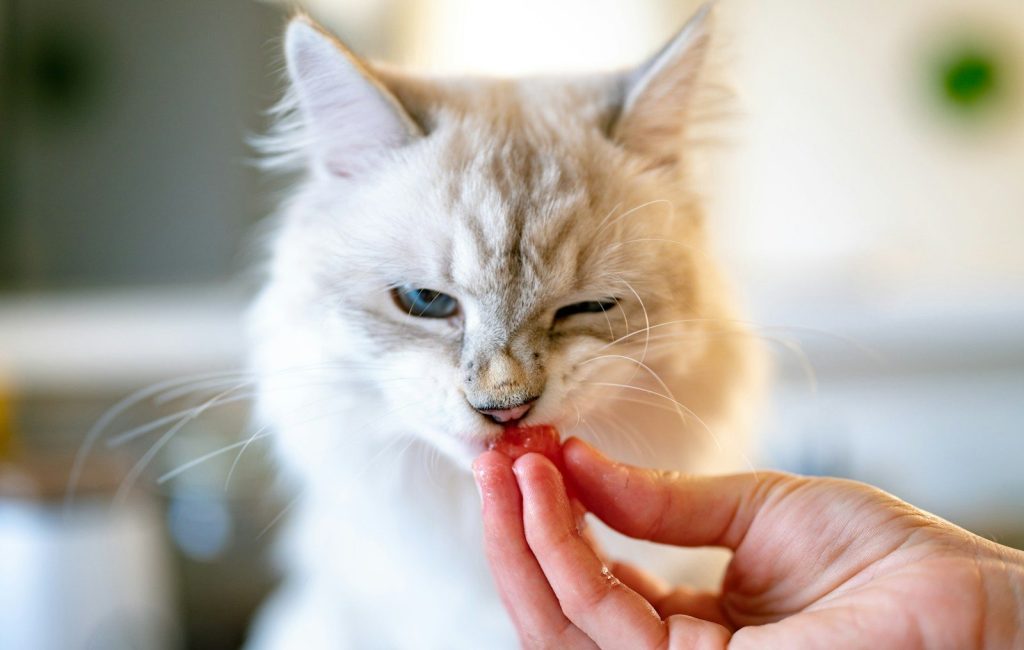
When the kitten starts stalking the older pet, pick up a toy. Distract them with a quick game of chase to burn that predatory energy. Once they focus on the toy, reward them with a treat to reinforce calm behavior. This training teaches them that playing with toys is far more rewarding than testing the boss. But you must also look at how you feed them.
Preventing food battles before they start
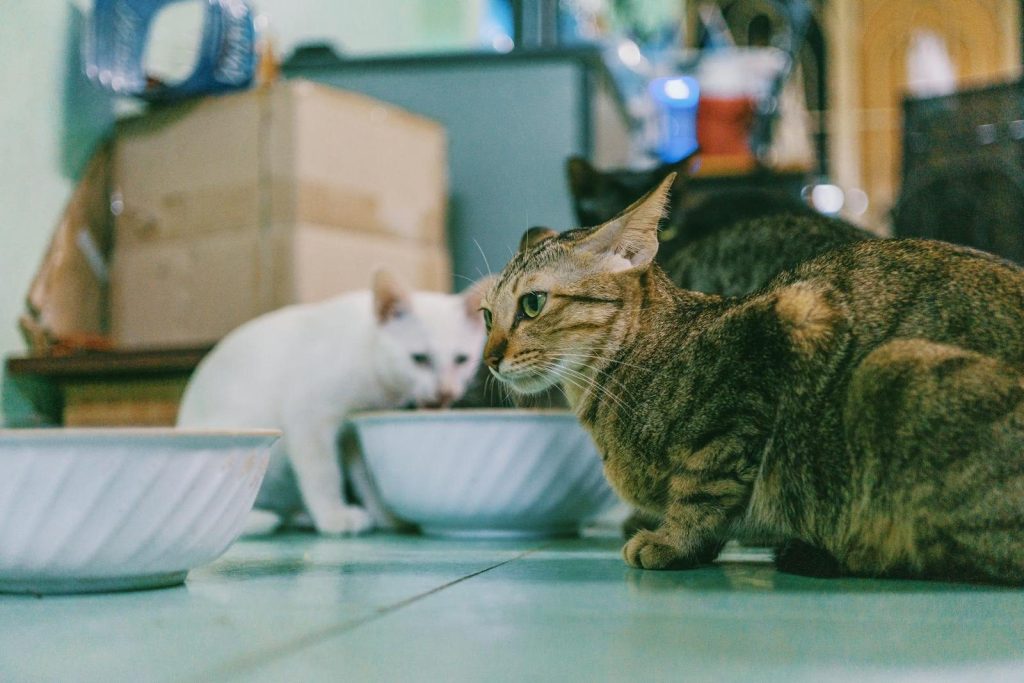
Food is the most common trigger for household power struggles. Bold kittens will often push their way into the older pet’s bowl to steal food. This action can cause resource guarding and sudden aggression. Always feed your animals in separate rooms to keep mealtime calm and safe. This simple habit prevents major territorial disputes from developing. The way you arrange their sleeping spots matters too.
Giving the boss back their quiet territory
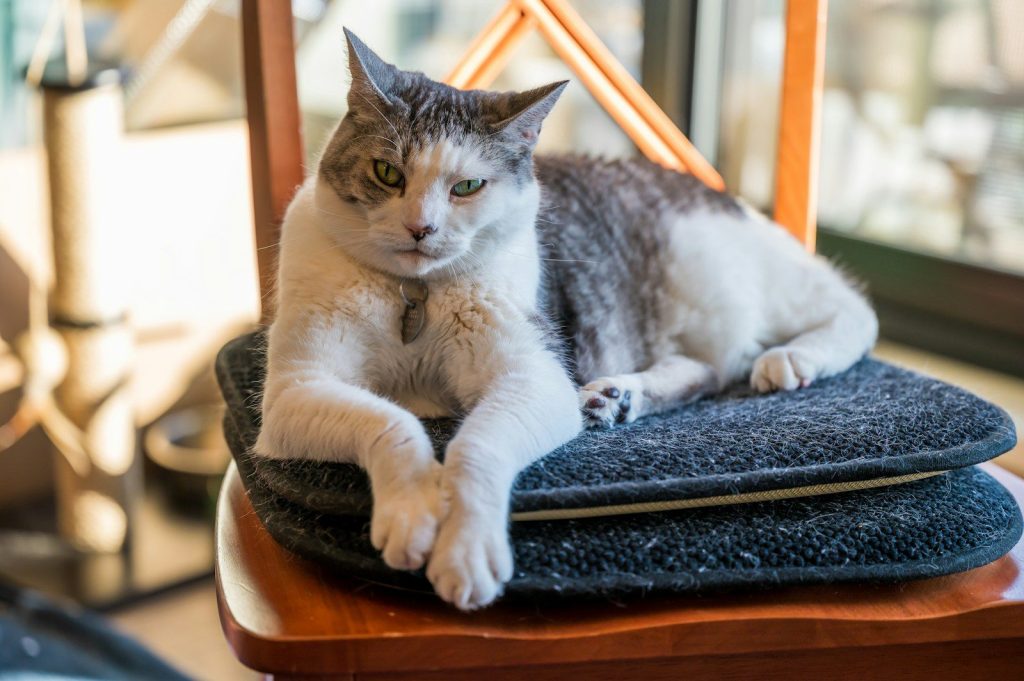
Your older pet needs to know their status is secure. Make sure they have a high, cozy spot where the kitten cannot climb or disturb them. This dedicated space allows them to relax without constantly defending their boundaries. It keeps the peace while the kitten goes through this high-energy phase. This article is for informational purposes only. The end result of this structured setup is truly beautiful.
A peaceful home built on mutual respect
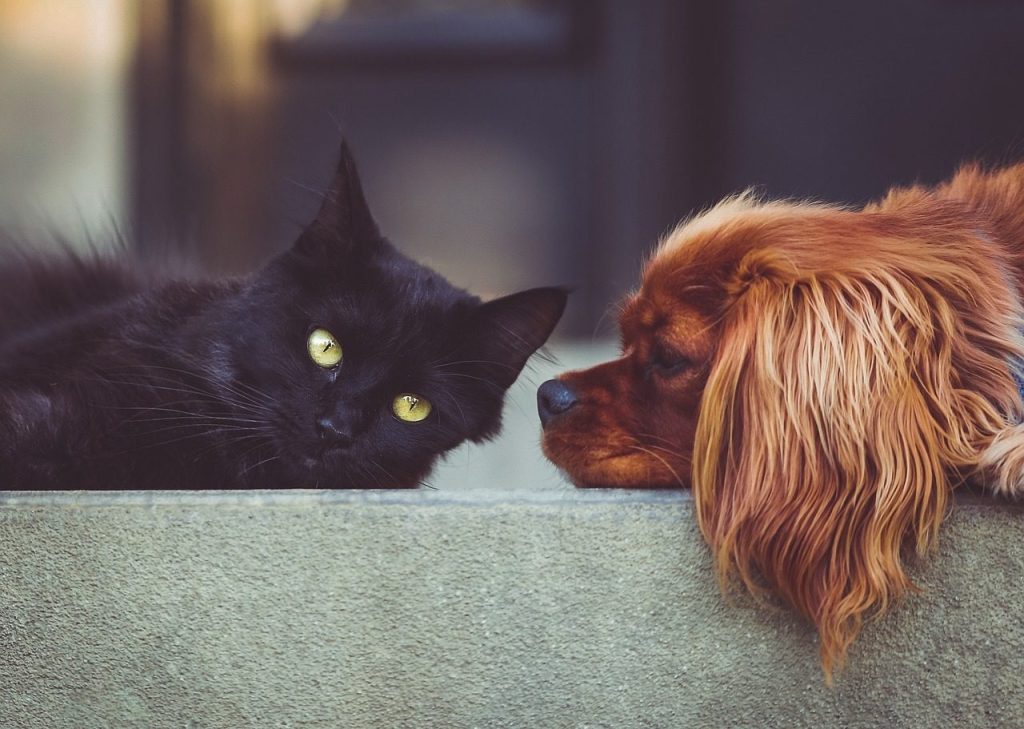
Once the kitten understands they are not the boss, the tension melts away. The older pet will feel relaxed again, and the kitten will learn to seek affection instead of conflict. You will enjoy a quiet home where your animals can coexist happily. This structured training ensures your pets build a strong friendship that keeps your household peaceful.
Featured Image: Photo by Camilo Ospina on Pexels