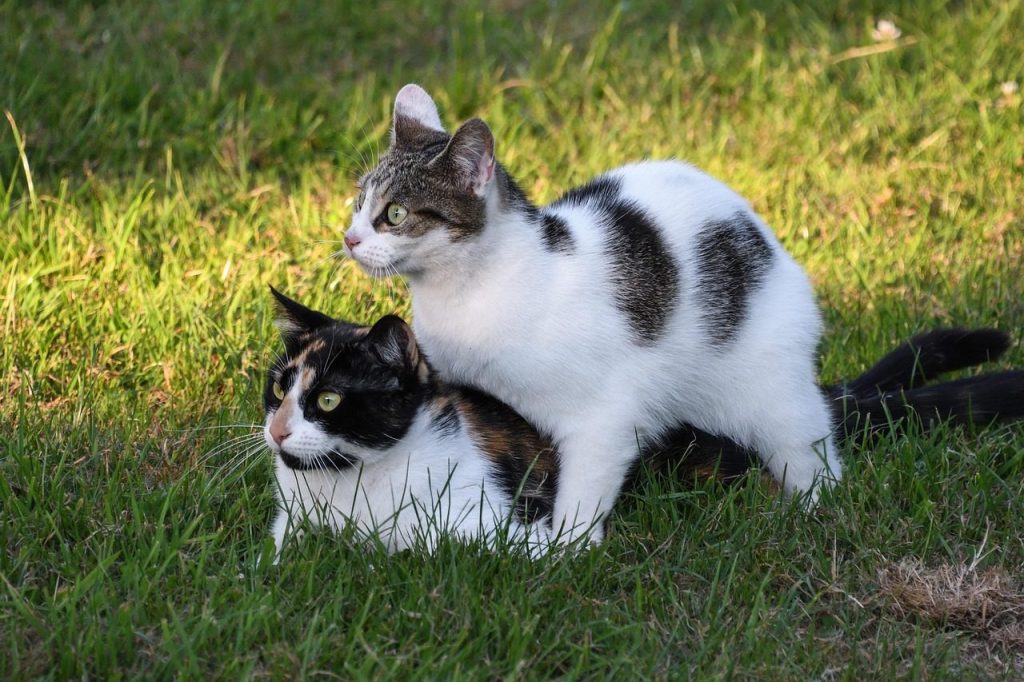

You watch an adult cat and a tiny kitten roll across the carpet in a furry ball of chaos. The adult is twice the size, but the kitten refuses to back down.
It looks like a high-stakes wrestling match. Many pet parents worry that this rough play might cross the line into real aggression. Feline experts explain what is actually happening behind those flying paws.
The crucial role of play in development
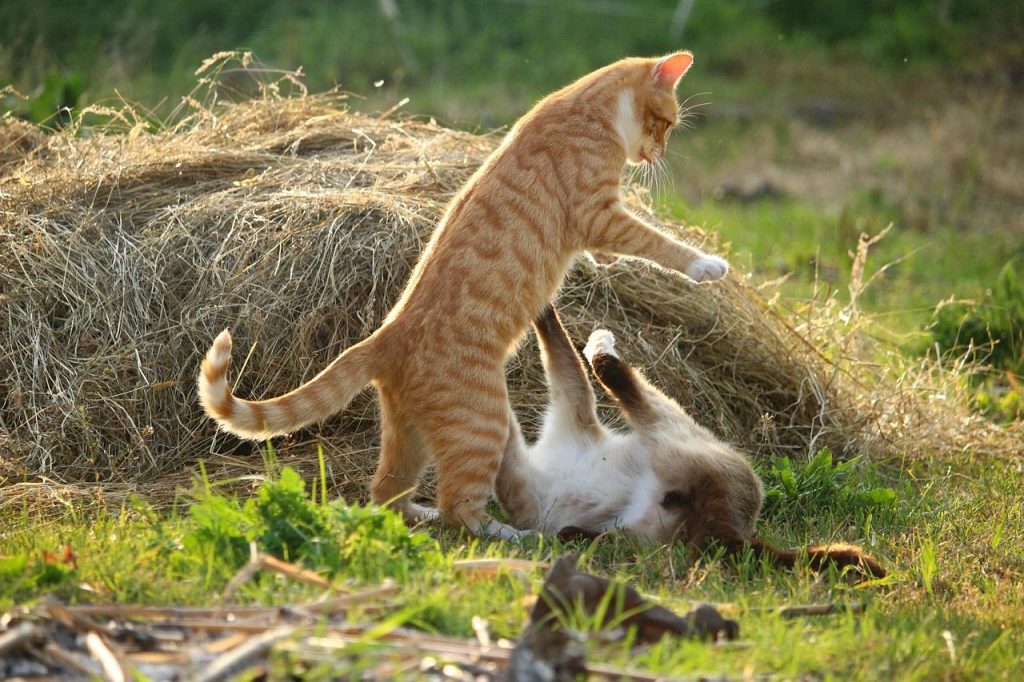
Play fighting is not about real anger. According to researchers at the University of Lincoln, wrestling teaches kittens how to control their bite force and read body language. It is a vital school where they learn the limits of physical contact. The adult cat usually acts as a patient teacher during these lessons. But how do you know if the lesson is going well?
Decoding the secret rules of cat wrestling
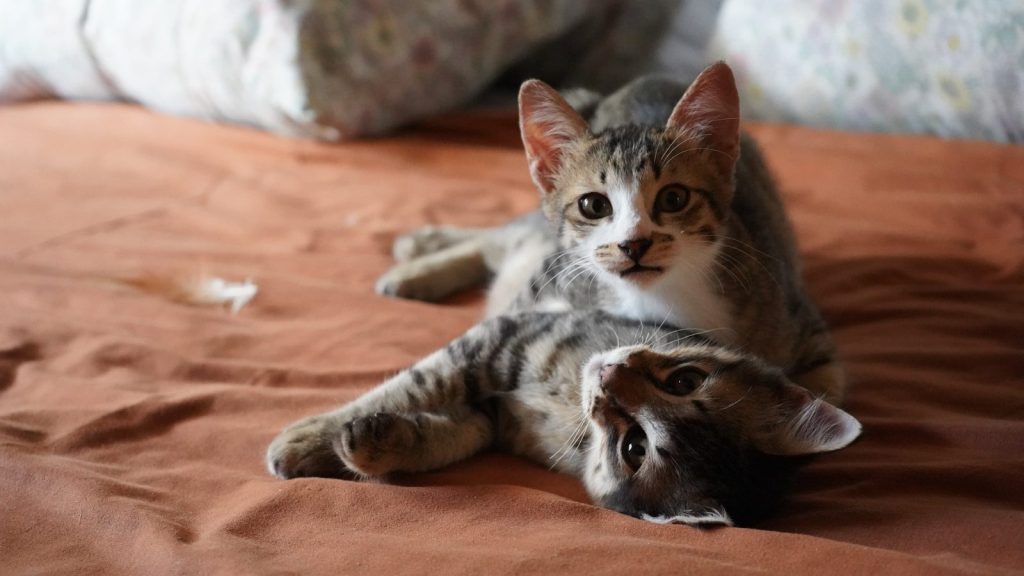
Healthy play has a unique rhythm. You will see both cats take turns being on the top or bottom of the pile. Their bodies remain loose, their ears point forward, and they pause frequently to rest. This turn-taking proves that both animals agree to the game. However, a sudden shift in their ears can mean the mood is changing fast.
Spotting the signs of a real fight
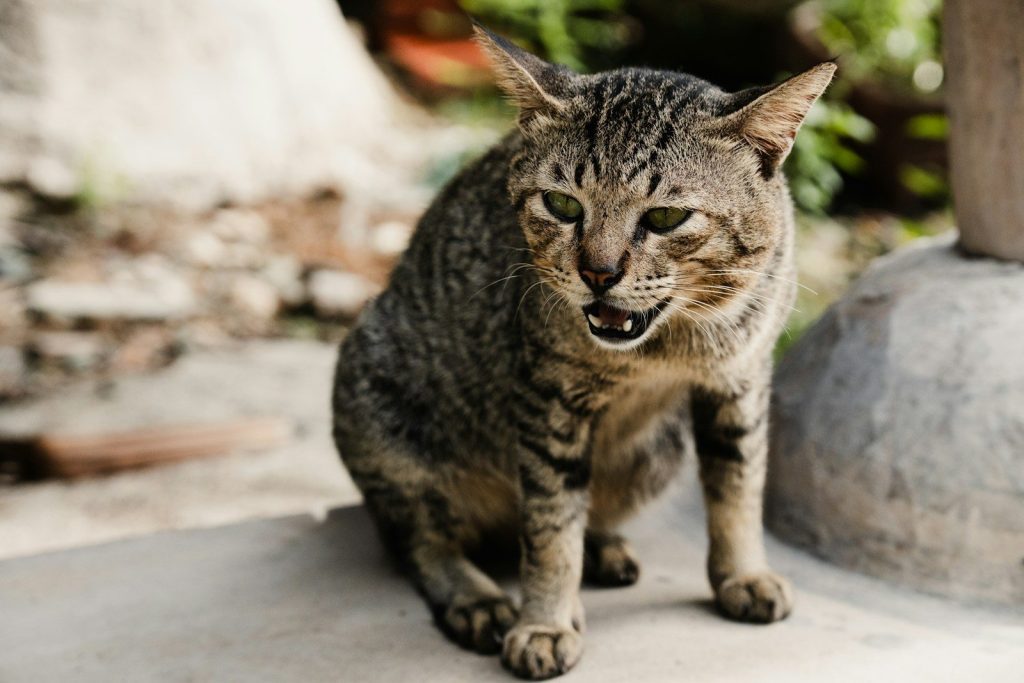
Real feline aggression looks and sounds very different from fun play. Watch out for flattened ears, puffed tails, and low growls. If the older cat stops taking turns and pins the kitten down aggressively, the game has ended. These warning signs mean you need to step in safely. But doing this wrong can actually make the situation much worse.
How to safely break up the tension

Never put your hands in the middle of two fighting cats. A sudden movement can cause them to bite you out of fear. Instead, use a loud sound like a clap or toss a soft toy near them to break their focus. This distraction gives the kitten a quick chance to run away. Once they are apart, you must look at why the older cat lost patience.
Why older cats set firm boundaries
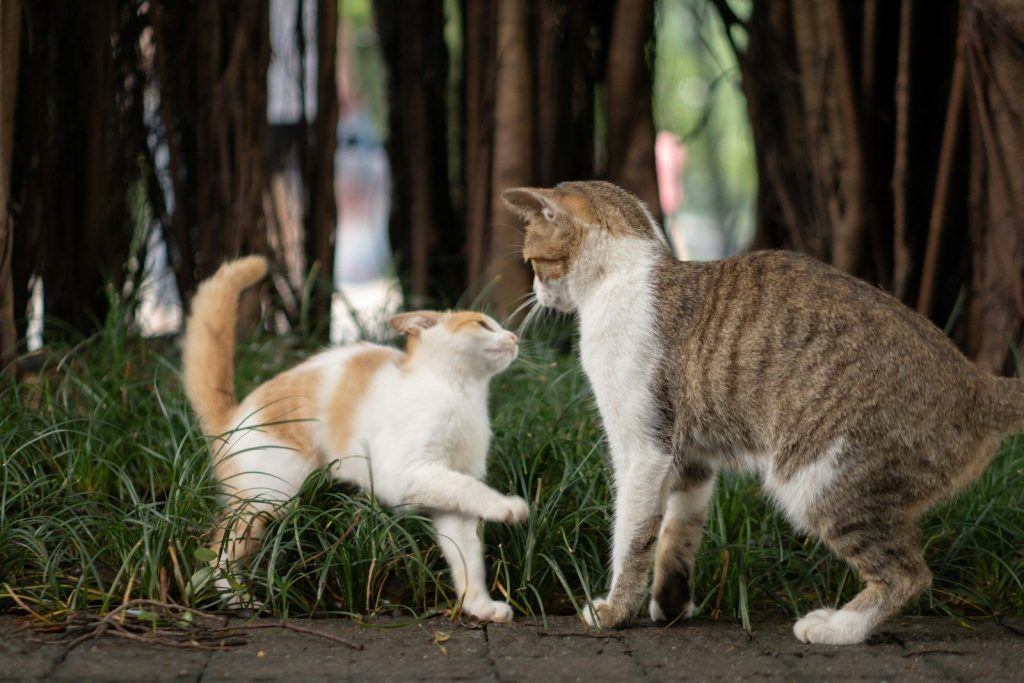
Adult cats have a limit to their patience. When a kitten plays too roughly, the adult might hiss or deliver a quick, painless swat. Feline behaviorists note that this correction is completely normal. It is how the senior cat teaches the youngster to respect personal space. If this boundary setting never happens, the kitten can become a household bully.
Preventing your kitten from crossing the line
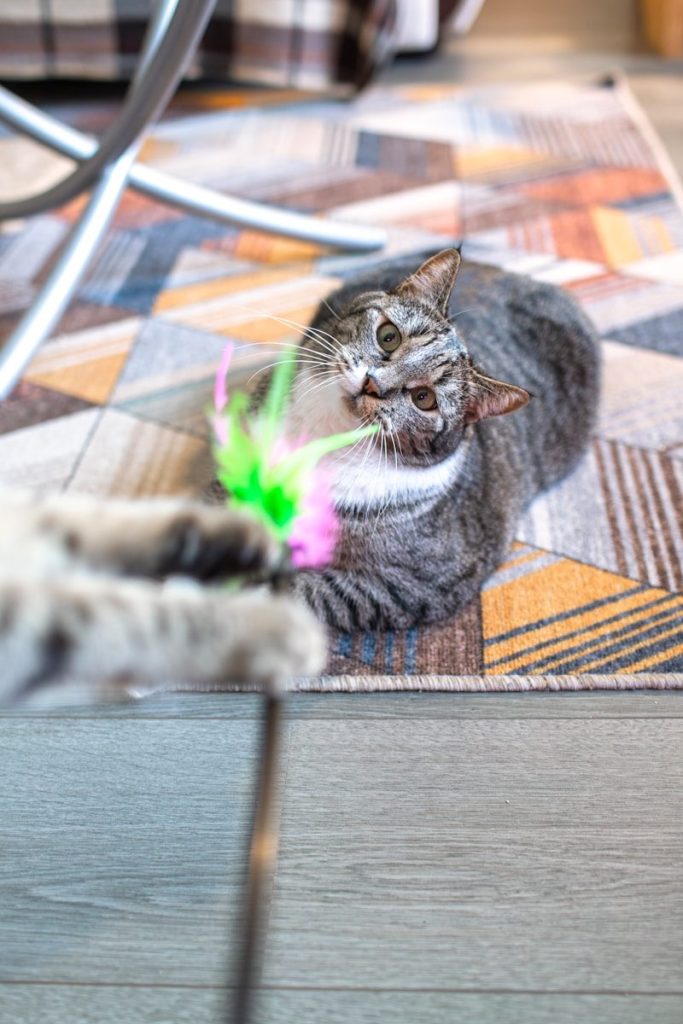
You can help your older cat by burning off the kitten’s energy yourself. Spend ten minutes using a feather toy before letting the two animals interact. This step ensures the kitten is not overly hyper when they meet. It helps keep their interactions calm and structured. Giving each cat their own dedicated space is also highly beneficial.
Creating separate safe zones in your home
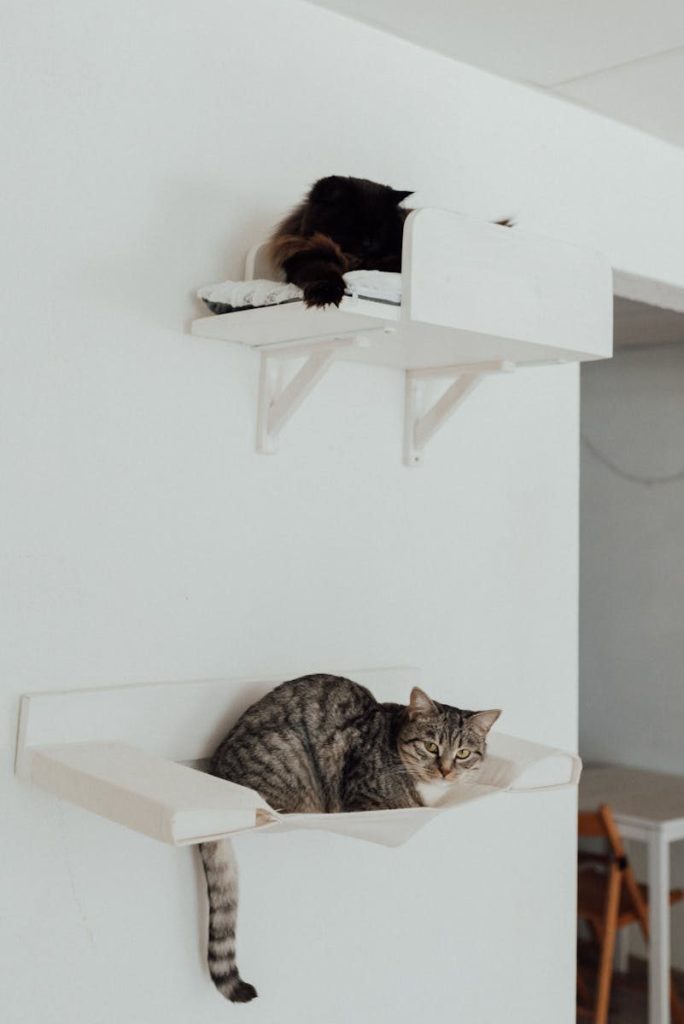
Every cat needs a place where they can escape for peace. High perches allow the older cat to sleep away from a pestering kitten. Meanwhile, the little one should have their own room for meals and quiet time. This simple separation prevents territorial stress from building up over time. A healthy balance of space leads to a major breakthrough in their relationship.
The sweet reward of a balanced home
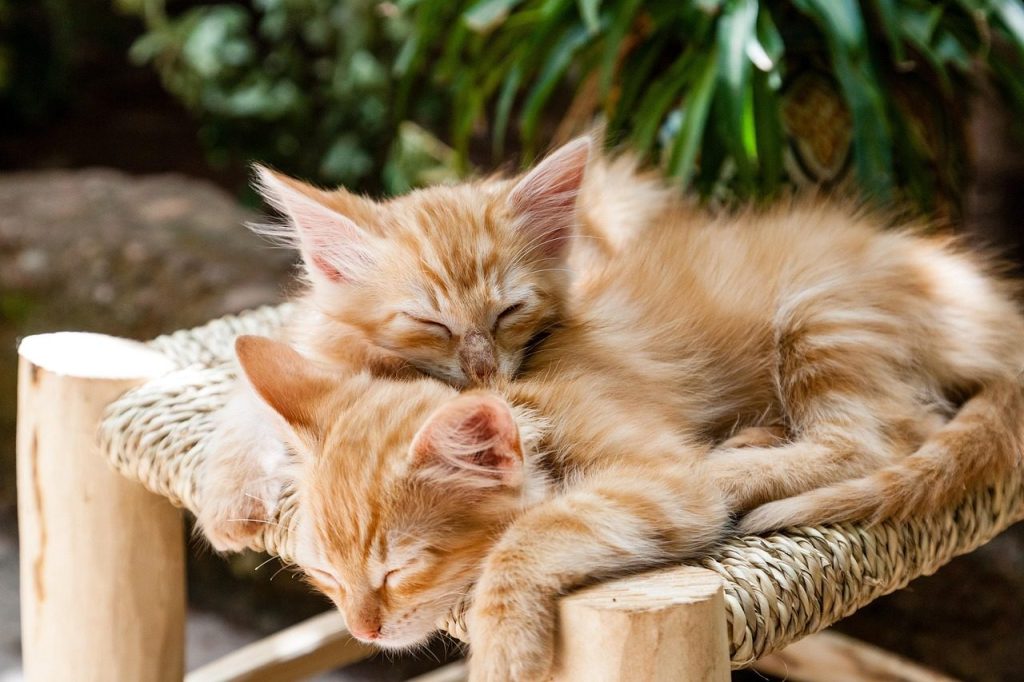
When cats learn to respect each other, the fighting turns into deep friendship. You will soon see them grooming each other and sleeping in a warm pile on the couch. This mutual trust is the ultimate goal for any multi-pet household. With proper boundaries and a little patience, your pets will build a loving bond that lasts for many years.