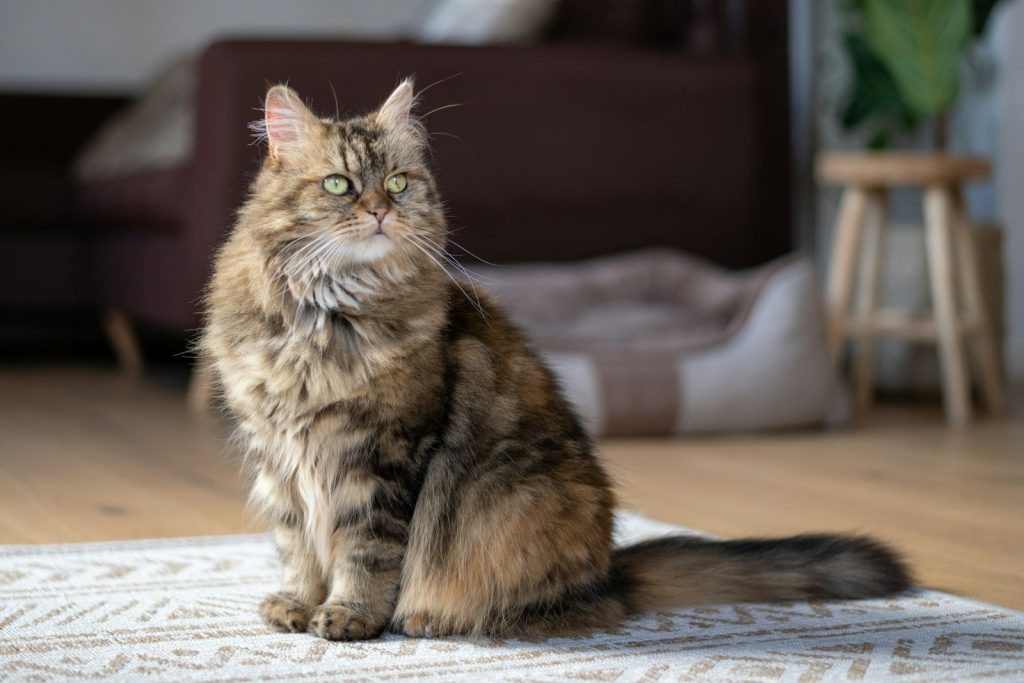

Maine Coons are famous for their massive bodies and long, fluffy tails. They look like wild forest creatures but possess a surprisingly sweet nature.
A popular list of reasons to own these giants has caught the eye of prospective pet parents. But these gentle giants have several unique behaviors that set them apart from standard domestic cats.
The fascinating origins of America’s largest domestic cat breed

Maine Coons are native to the cold state of Maine. Their thick, water-resistant coats and wide paws helped them survive harsh winter climates. According to the Cat Fanciers Association, they were highly valued as rodent hunters on local farms and ships. This wild heritage shaped their physical traits and survival instincts. But their personalities developed in a highly surprising direction.
Why Maine Coons are known as the dogs of cats
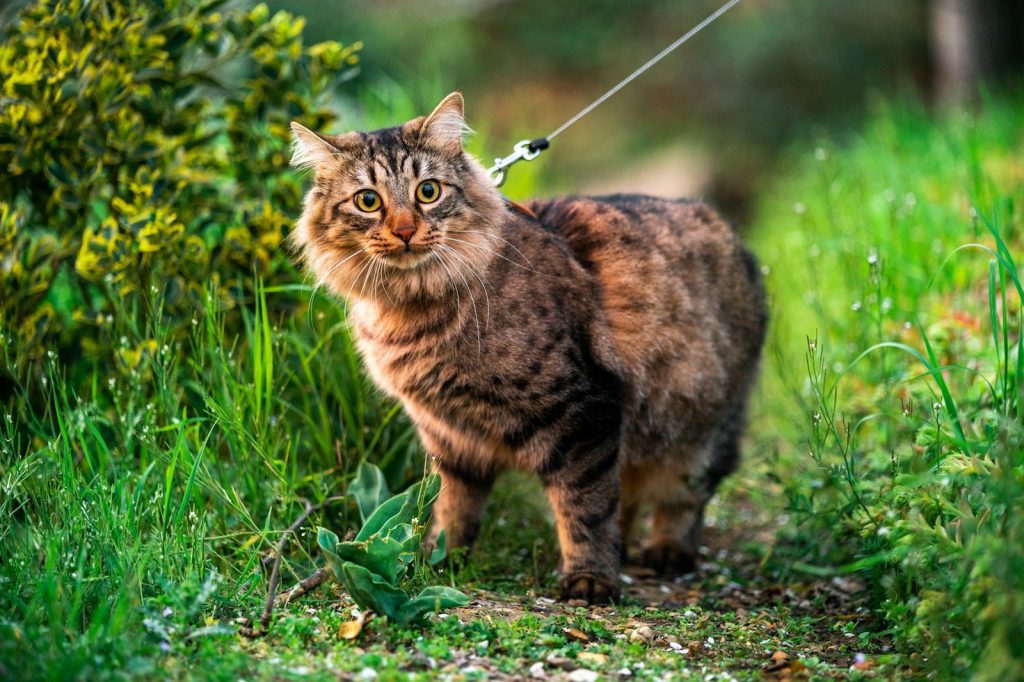
Unlike most independent cats, Maine Coons are incredibly social. They love to follow their owners from room to room. Many enjoy playing fetch with small toys and can even learn to walk on a leash. According to canine and feline behavioral studies, they display loyalty levels similar to popular dog breeds. This social nature makes them perfect for active households. But they have another unusual habit.
The strange feline obsession with fresh running water
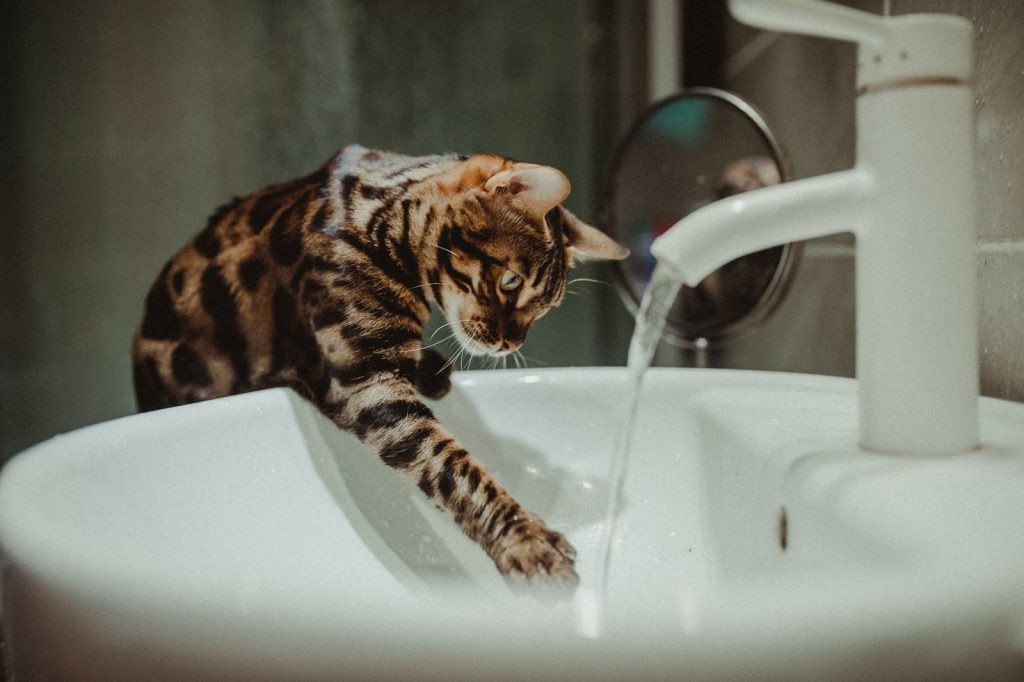
Most cats avoid water at all costs. However, Maine Coons are absolutely fascinated by it. They will pat at water bowls, splash in puddles, and even join you in the shower. According to veterinary behaviorists, their water-resistant fur keeps them warm even when wet. This unique interest can lead to some messy situations around the home. Still, their communication style is even more shocking.
Why do these giant cats communicate with high-pitched chirps?
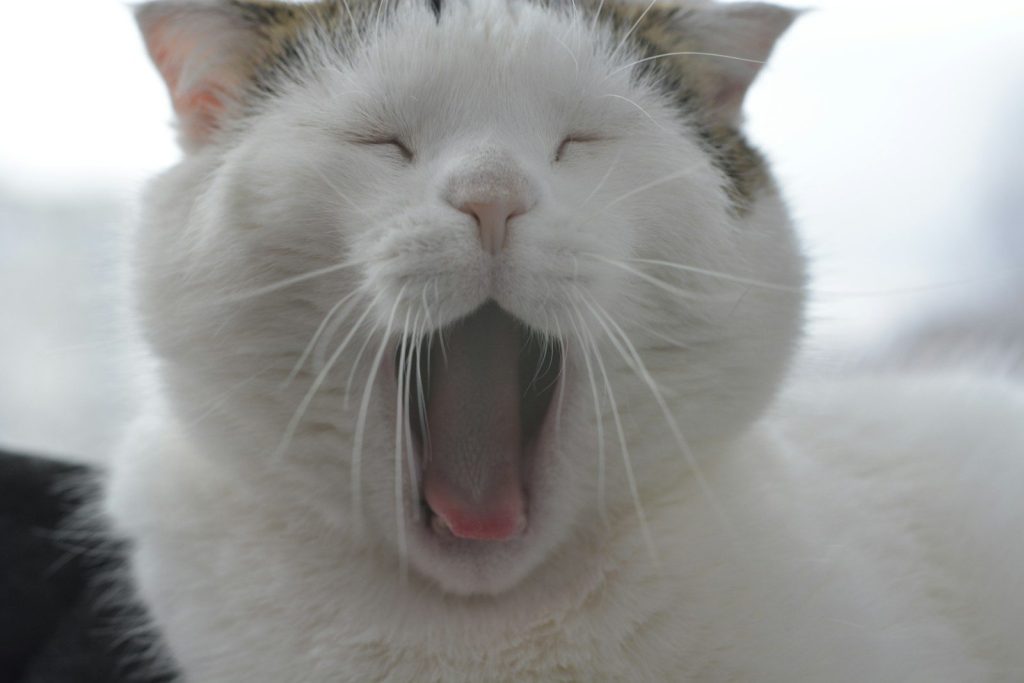
You might expect a massive cat to have a deep, loud meow. Instead, Maine Coons communicate using soft chirps and trills. They make these high-pitched sounds when they are happy, curious, or greeting their owners. According to animal communication researchers, these vocalizations help them bond with their families. This sweet sound is endearing, but its size requires special household preparation.
Preparing your home for a truly giant feline companion
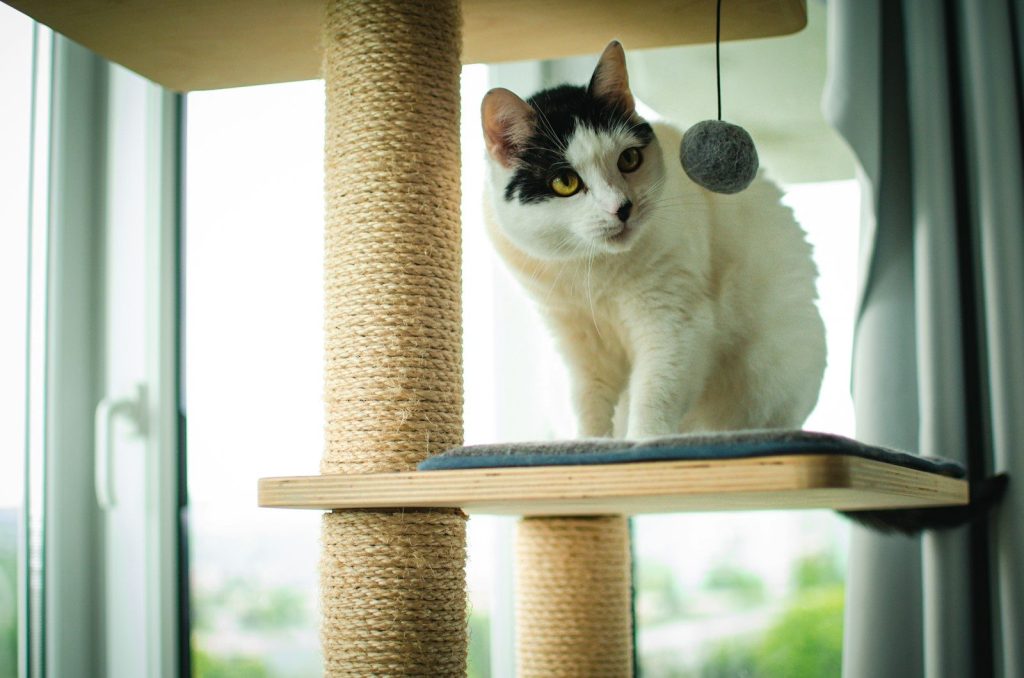
Standard cat trees and litter boxes are simply too small for a fully grown Maine Coon. They can weigh up to twenty-five pounds and measure over three feet long. You must invest in heavy-duty furniture to prevent tipping accidents. According to pet safety experts, cramped spaces can cause unnecessary stress for large cats. But keeping their luxurious coats clean is another major task.
The daily grooming secrets for a healthy, fluffy coat
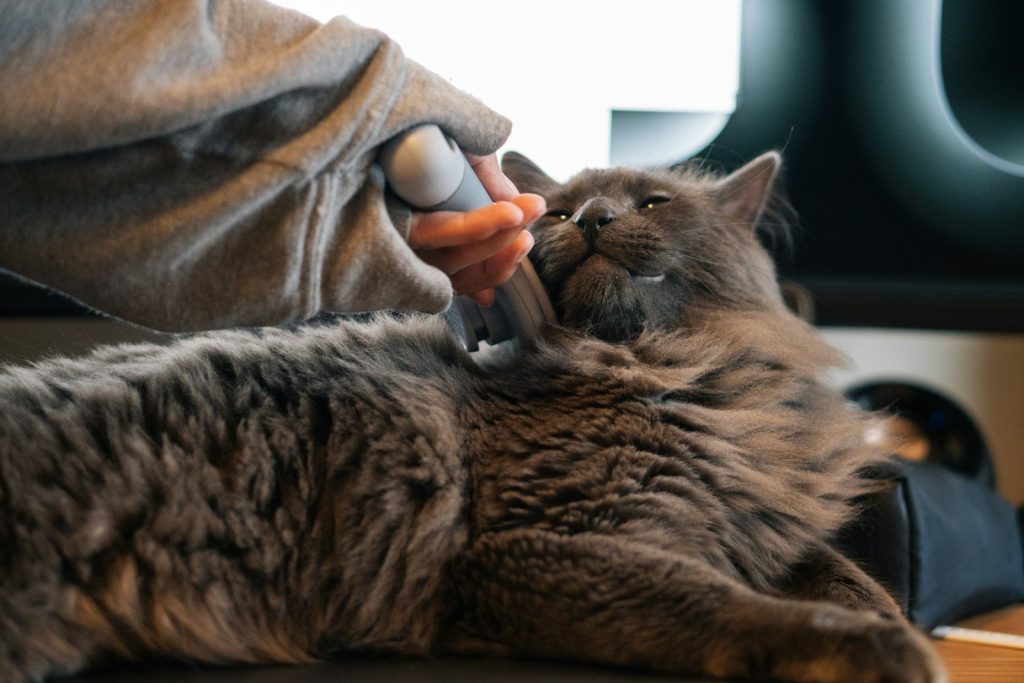
Their long, triple-layered fur can easily tangle and mat if ignored. You should brush your Maine Coon at least three times a week. Paying extra attention to the fur around their legs and stomach will prevent painful knots. This article is for informational purposes only and does not constitute veterinary advice. Fortunately, most Maine Coons grow to love these grooming sessions. But health monitoring remains essential.
Important health factors to watch as your giant grows
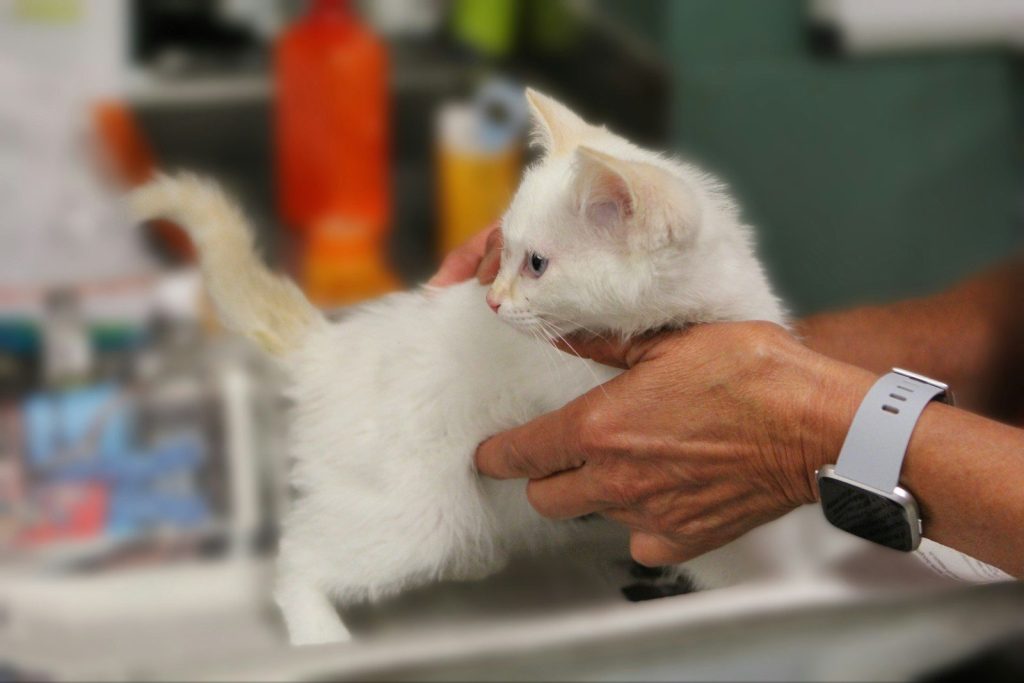
Large breeds can be prone to hip issues or heart conditions like cardiomyopathy. According to the American Veterinary Medical Association, regular heart scans are highly recommended for Maine Coons. Keeping them active and feeding them balanced diets will protect their joints as they age. Working closely with an experienced vet ensures your pet stays strong. But the effort is completely worth it.
The lifelong reward of sharing your home with a giant
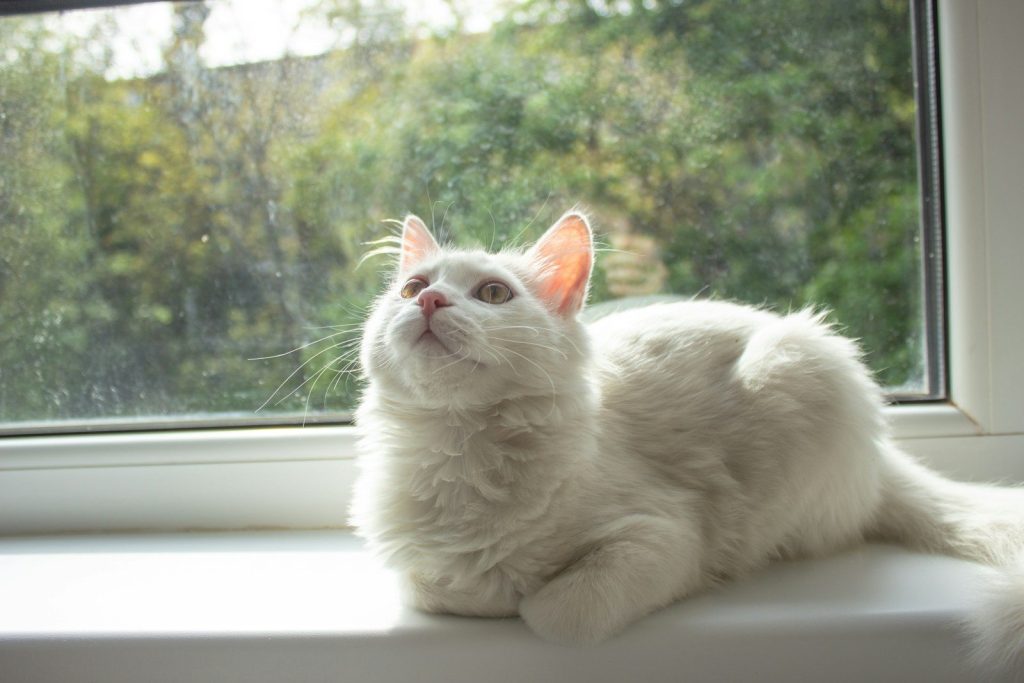
Maine Coons bring a unique mix of playfulness and gentle affection to any home. Their large presence and loving nature make them unforgettable companions. By meeting their specific needs, you will enjoy a deep and rewarding friendship. Your giant feline friend will reward you with endless loyalty, soft chirps, and warm cuddles every day.
Featured Image: Photo by Daniel Zopf on Unsplash