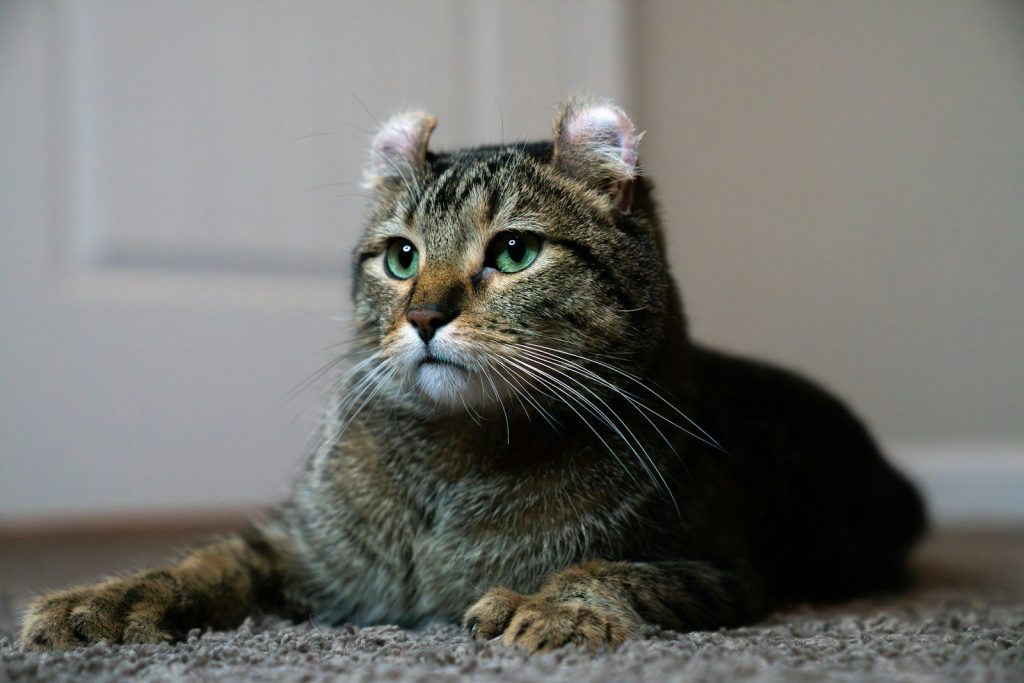

You might laugh at videos of cats jumping away from fake plastic toys. These funny clips get millions of views on social media daily.
But scaring your cat for a joke is not harmless. In fact, it can cause serious behavioral damage that takes months to fix.
Understanding how cats view their home territory
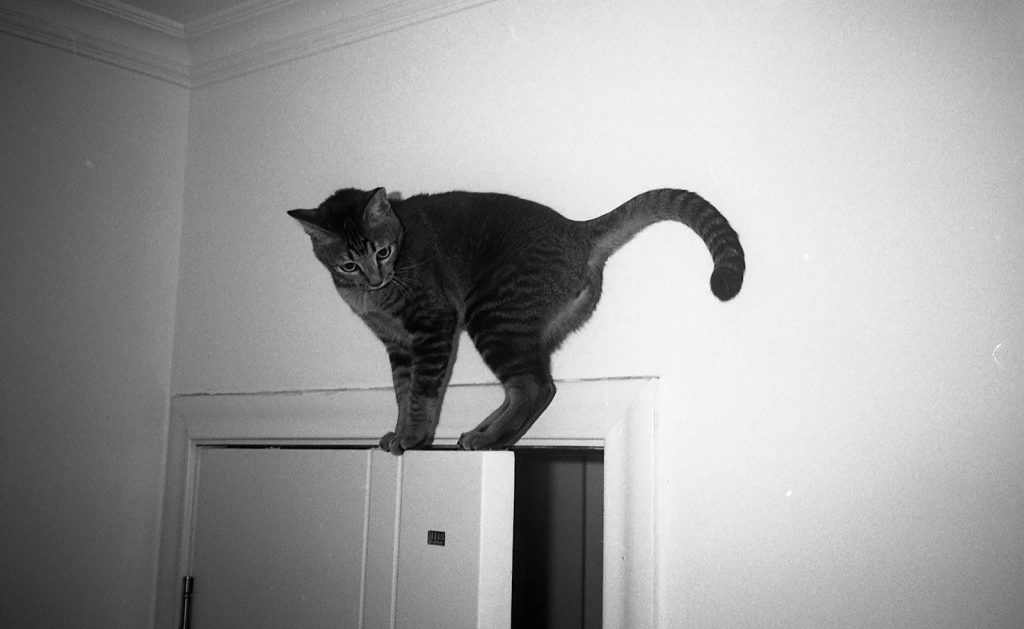
Felines need to feel safe in their environment. When you introduce a frightening toy suddenly, you shatter their sense of security. According to the ASPCA, cats thrive in predictable surroundings to keep their stress levels low. If their home becomes unpredictable, their entire personality can change overnight. But what actually happens inside a cat’s brain during a sudden scare?
The science behind the sudden cat jump

A cat’s survival depends on lightning-fast reflexes. When a strange object appears out of nowhere, it triggers a fight-or-flight response in their nervous system. Their bodies flood with cortisol and adrenaline instantly. This stress response helps wild animals escape predators, but it damages a house pet’s health. But does this brief moment of fear leave a lasting mark?
Long-term health issues caused by stress
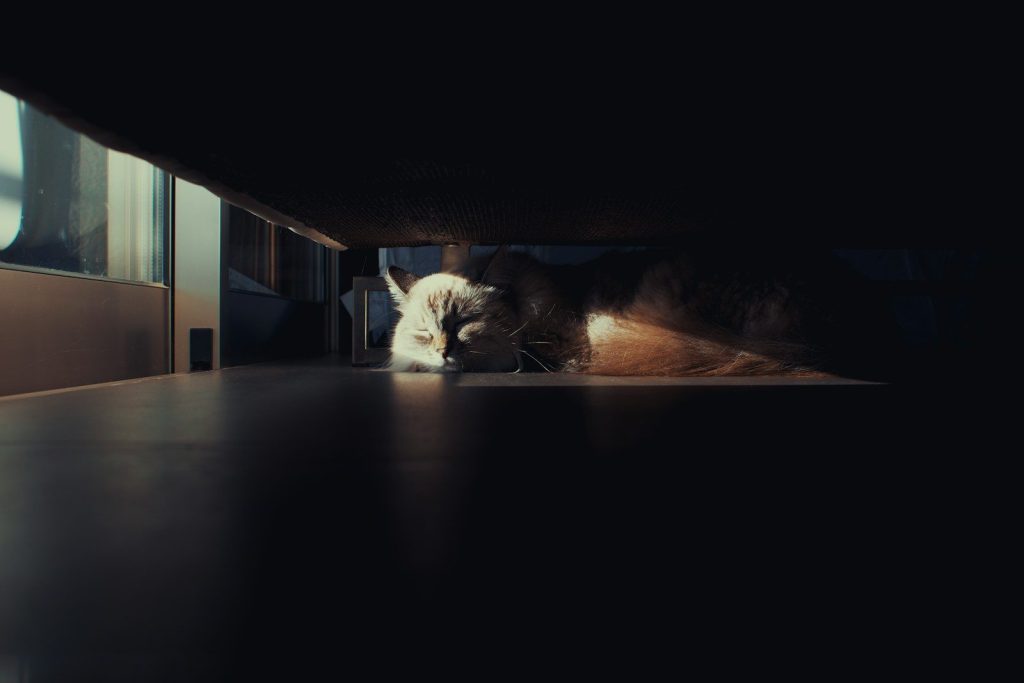
Constant anxiety is highly dangerous for domestic pets. According to the Cornell Feline Health Center, chronic stress can weaken a cat’s immune system and trigger painful urinary tract issues. This article is for informational purposes only and does not constitute veterinary advice. The damage is not just physical, as fear can destroy your bond with your pet. But how do you know if your cat is still hurting?
Silent signs of a traumatized pet

Some animals do not run away when they feel unsafe. Instead, they might hide under beds or stop using their clean litter box. Others might start grooming themselves until their skin is completely bald. These quiet distress signals are easy to miss if you do not know what to look for. But there is another extreme reaction you must prepare for.
When fear turns into defensive aggression
A terrified feline is highly unpredictable. If they feel cornered by a scary object, they may strike out at the nearest moving thing. This means your sweet pet might suddenly scratch your hand or hiss when you walk near. Animal behaviorists agree that defensive anger is almost always rooted in deep fear. But how can you rebuild that broken trust?
Rebuilding your bond with slow interactions
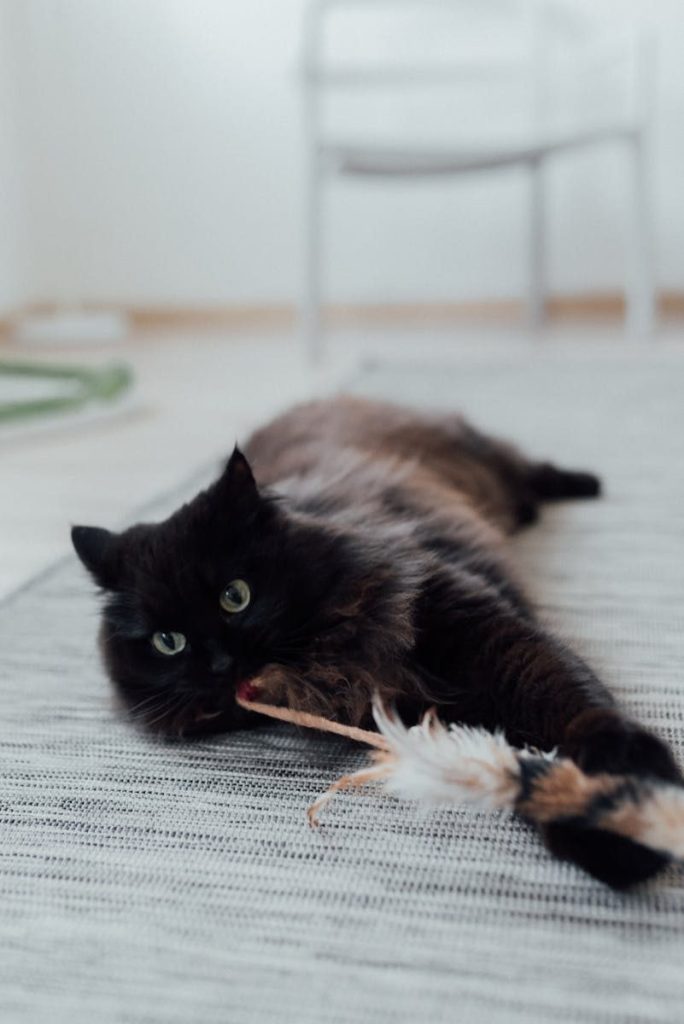
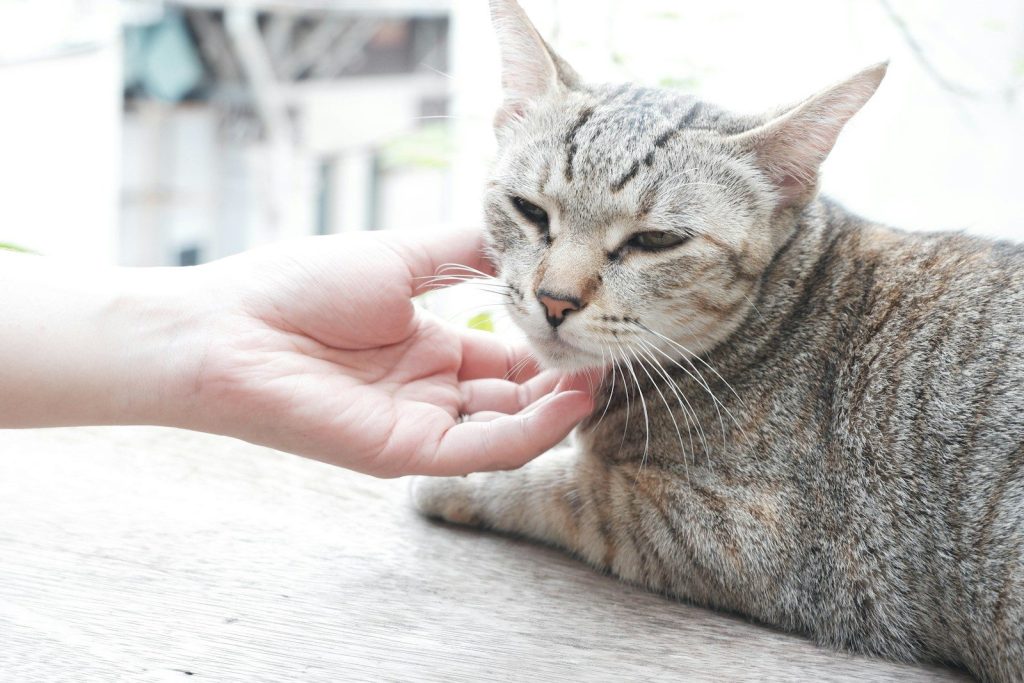
Healing a broken relationship takes immense patience. You must let your pet set the pace for all physical contact. Use high-value treats and quiet praise to reward them for coming out of their hiding spots. Dr. Pamela Perry, a veterinary behaviorist, suggests using daily play sessions to help anxious cats rebuild their confidence. But is there a safe way to challenge your pet’s mind?
Introducing new objects without the scare

You can introduce new toys safely without causing panic. Place the item far away in an open room where your pet can see it clearly. Let them approach it on their own terms and sniff it slowly. This gradual method turns a scary surprise into a positive learning experience. But what is the ultimate goal of positive pet training?
Creating a safe and happy home together
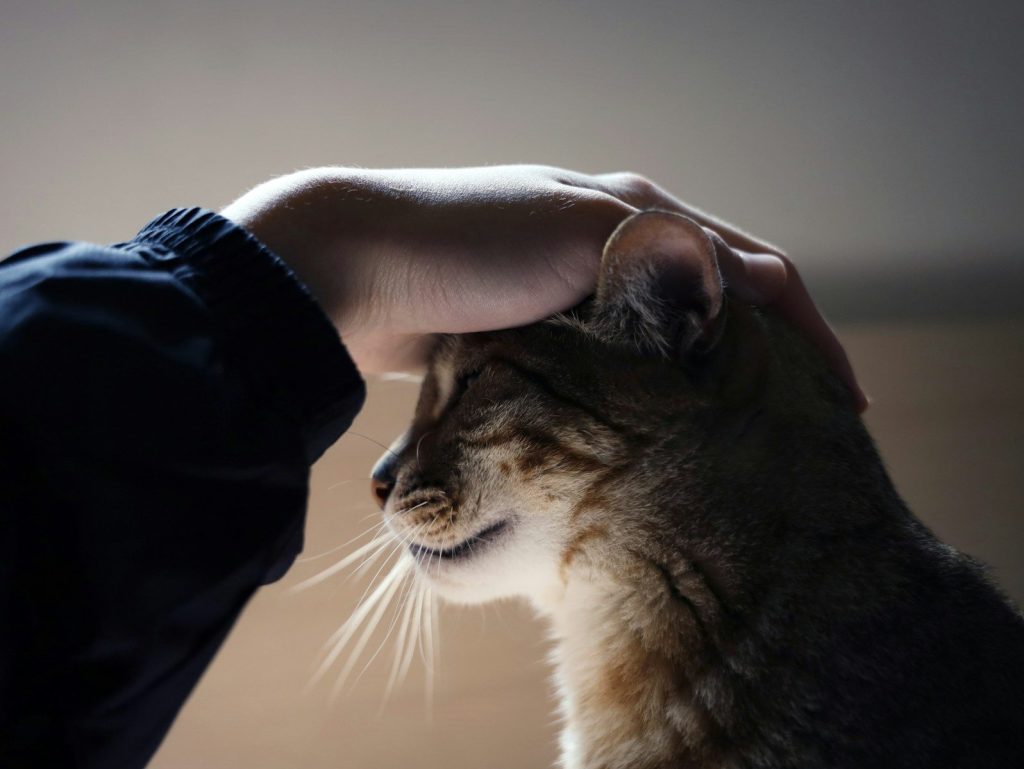
Active protection of your pet’s mental peace will reward you with a lifetime of love. A confident cat is a happy cat. By avoiding cheap pranks and focusing on positive games, you ensure your home remains a peaceful sanctuary. Your pet will thank you with gentle headbutts, happy purrs, and unconditional loyalty for years to come.
Featured Image: Photo by Timothy Barrett on Unsplash