

A curious kitten can turn almost anything into something worth investigating. Furniture gaps, dangling cords, boxes, shelves, plants, and open cabinets may all attract attention. This behavior is normal because young cats learn about their surroundings through movement, smell, touch, and play.
The challenge is making that exploration safe. Kittens cannot recognize household dangers such as electrical cords, toxic plants, loose strings, or small objects they could swallow. Good kitten-proofing allows curiosity while directing it toward safe toys, climbing areas, hiding places, and supervised exploration.
Start With One Safe Room
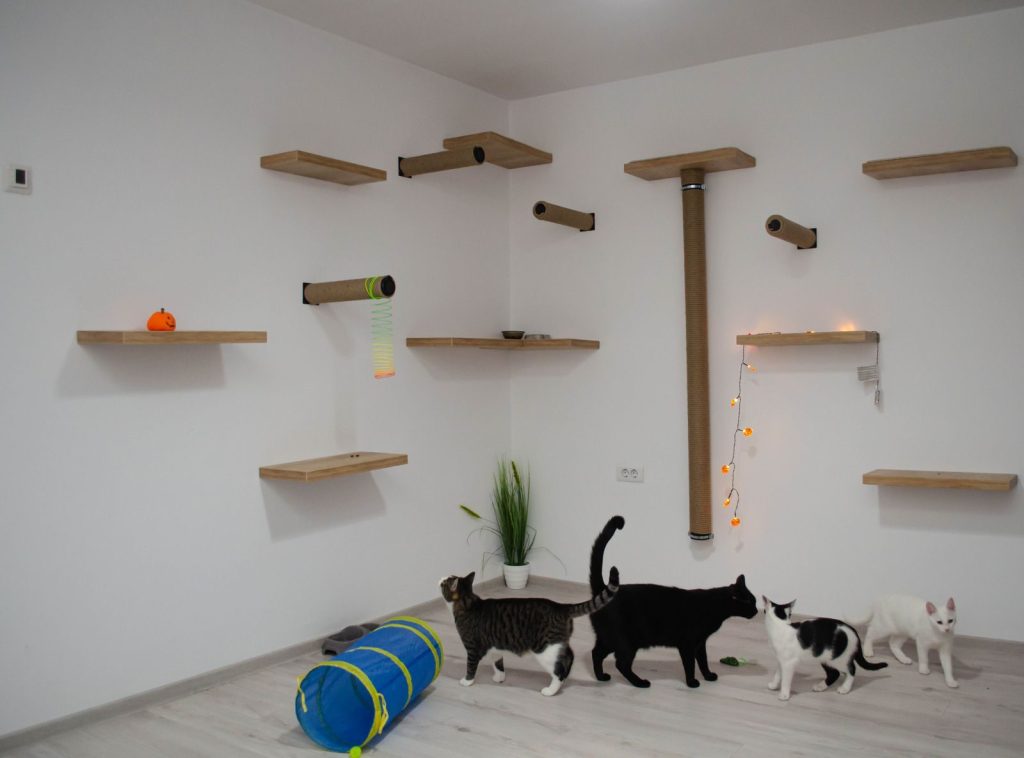
A new kitten does not need access to the entire home immediately. Starting with one quiet, escape-proof room gives the animal time to learn where food, water, litter, hiding places, and resting areas are located. Cats Protection recommends a sanctuary room, especially for kittens that may feel timid or overwhelmed in a new environment. Once the kitten moves around confidently, eats normally, uses the litter tray, and appears comfortable with household sounds, access can expand gradually. This approach also gives owners time to inspect each new room for hazards before curiosity gets there first.
Block Small Gaps

Kittens can squeeze into openings that look far too small from an adult human’s perspective. Gaps in walls, floors, cabinets, or behind appliances may lead to spaces where a kitten can become trapped or impossible to retrieve safely. VCA specifically recommends checking for openings a kitten could crawl through as part of home kitten-proofing. Getting down near floor level can reveal hazards that are easy to miss while standing. Safe tunnels, cardboard boxes, and designated hiding places can satisfy the desire to squeeze into enclosed spaces without giving the kitten access to dangerous cavities.
Secure Cords and String

Dangling cords, yarn, thread, ribbon, rubber bands, and similar objects can look like perfect prey to a playful kitten. The danger is that some can be swallowed, potentially causing serious intestinal injury, while blind cords can create entanglement or strangulation hazards. Electrical cords add the risk of shock if chewed. These items should be stored or secured when they are not being used under supervision. Wand toys can provide the same exciting movement in a safer format because the human controls the toy and can put it away after the play session ends.
Check Every Houseplant

Kittens may chew leaves, dig in soil, brush against flowers, or lick pollen from their fur after exploring a plant. Some common plants are toxic to cats, and lilies are especially dangerous. Cats Protection warns that contact with certain lilies can expose cats to toxins capable of causing severe kidney damage. Before allowing a kitten to explore rooms containing plants or bouquets, identify every species and remove unsafe ones completely. Simply placing a toxic plant on a high shelf may not be enough because a kitten’s climbing ability can improve quickly as it grows stronger and more coordinated.
Close Bins and Cabinets

Trash cans, food containers, medication cupboards, and cleaning-supply cabinets can all attract a kitten that follows interesting smells. VCA recommends secure lids and storage because garbage may contain foods, chemicals, string, bones, or other objects that can cause poisoning or intestinal blockage. Human medications and household cleaners should also remain inaccessible. A curious kitten cannot understand that something smelling like food may be dangerous. Latches, closed doors, and high secure storage are more reliable than repeatedly scolding the animal after it has already found the same tempting cabinet or bin.
Check Washers and Dryers

Warm, dark appliances can look like inviting hiding places to a small cat. VCA specifically advises keeping washer and dryer doors closed and checking inside before using the machines because kittens may crawl into them unnoticed. The same habit is useful around reclining furniture, storage chests, and other enclosed equipment with moving parts. Household members should know that a kitten can disappear into a quiet space very quickly. Building a routine of checking before closing or starting machinery is safer than assuming the kitten is somewhere else because it was visible only a few minutes earlier.
Provide Safe Climbing Places

Climbing is a normal part of feline exploration, and kittens become more capable of reaching high places as their balance develops. Instead of trying to prevent all climbing, provide stable cat trees, scratching posts, shelves, or other secure elevated areas designed for the animal. At the same time, move fragile objects away from edges and stabilize furniture that could tip. A shelf that seemed unreachable last week may become easy to access after a growth spurt. Safe vertical options let the kitten practice agility while reducing the temptation to use unstable furniture or unsafe household structures.
Choose Safe Play Toys
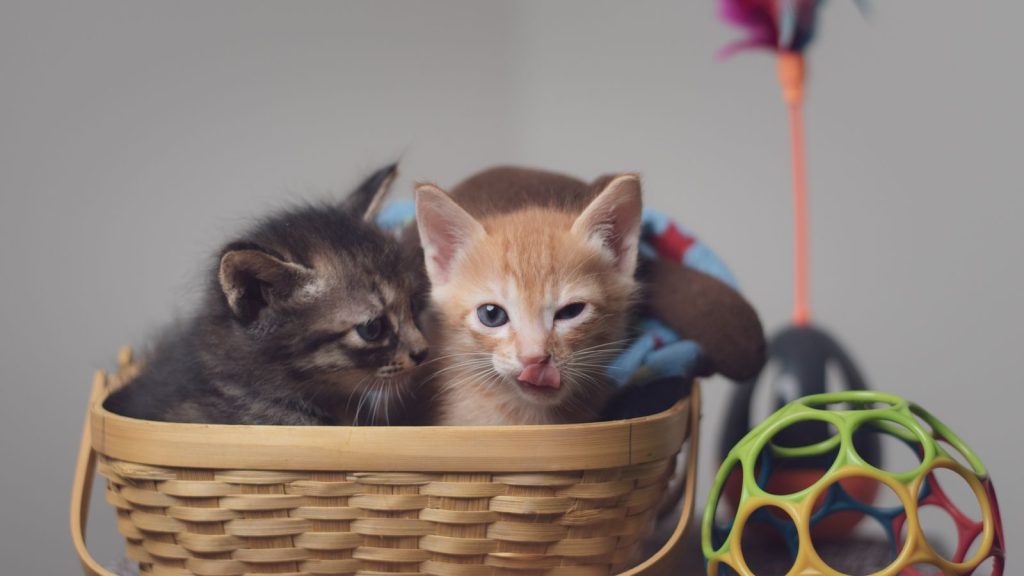
Kittens commonly treat small moving objects like prey, using stalking, pouncing, biting, and clawing during normal play. Suitable toys give those behaviors a safer target. Lightweight balls, sturdy toy mice, food puzzles, and supervised wand toys can all work well. Avoid items small enough to swallow, and inspect toys for loose parts as they wear. Hands and feet should not be used as prey because that can teach the kitten that biting human skin is part of normal play. Good toys support natural behavior while keeping the target safe for both the kitten and the household.
Expand the Home Gradually

Once the kitten is comfortable in its starting room, additional areas can be introduced gradually rather than all at once. Each room should be checked first for open windows, toxic plants, cords, small objects, unstable furniture, accessible chemicals, and hiding places that could become traps. Some kittens rush into new spaces confidently, while others need more time. Exploration should remain voluntary. The goal is not to make the house boring or empty. It is to create an environment where the kitten can investigate, climb, play, and learn without repeatedly encountering hazards it is too young to understand.
Featured Image: Photo by Beyzaa Yurtkuran on Pexels