

Calling cats “tiny furry therapists” is obviously playful, but the idea reflects something many owners recognize: a familiar cat can become part of the routines that make difficult days easier. Research on human-cat interaction has found measurable changes in owners during time spent with their cats, while Cats Protection surveys have reported that many owners believe feline companionship supports their mental wellbeing. Those findings are interesting, but they do not make a pet a substitute for professional mental healthcare.
The strongest evidence is more modest and more believable. Cats can offer companionship, predictable routines, opportunities for touch and play, and a quiet social presence that some people find comforting. Individual experiences vary, and pet ownership can also bring expense, grief, responsibility, sleep disruption, or stress. The useful takeaway is not that every cat automatically improves mental health. It is that a positive human-animal relationship can become one meaningful source of support within a much larger wellbeing picture.
Companionship Can Reduce Loneliness

For some people, simply having another living being in the home can make daily life feel less empty. Cats may follow familiar people from room to room, sleep nearby, greet them, or quietly share space without demanding constant conversation. Cats Protection surveys have found that owners frequently describe companionship as one of the most helpful parts of living with a cat. That experience is personal rather than guaranteed. A cat cannot solve social isolation, but a stable relationship with an animal may add warmth and connection to an otherwise quiet routine.
Stroking Can Feel Calming

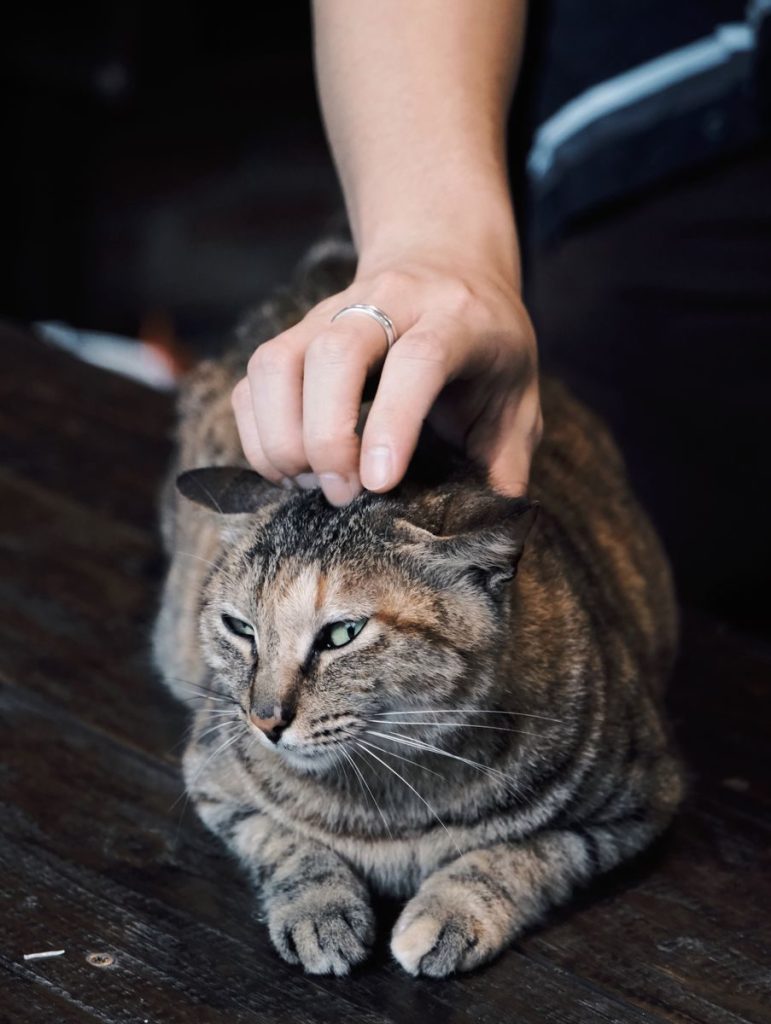
Many owners describe petting a relaxed cat as soothing, and research has examined physiological and emotional changes during human-cat interaction. A 2023 study found that free interaction with cats changed measures of owners’ emotional arousal and autonomic activity, although the results were more complex than simply proving that petting always lowers stress. Cats Protection surveys have also found stroking among the activities owners most often say helps them. The key is mutual comfort, because a cat that wants to leave should never be held in place for stress relief.
Play Creates a Positive Routine
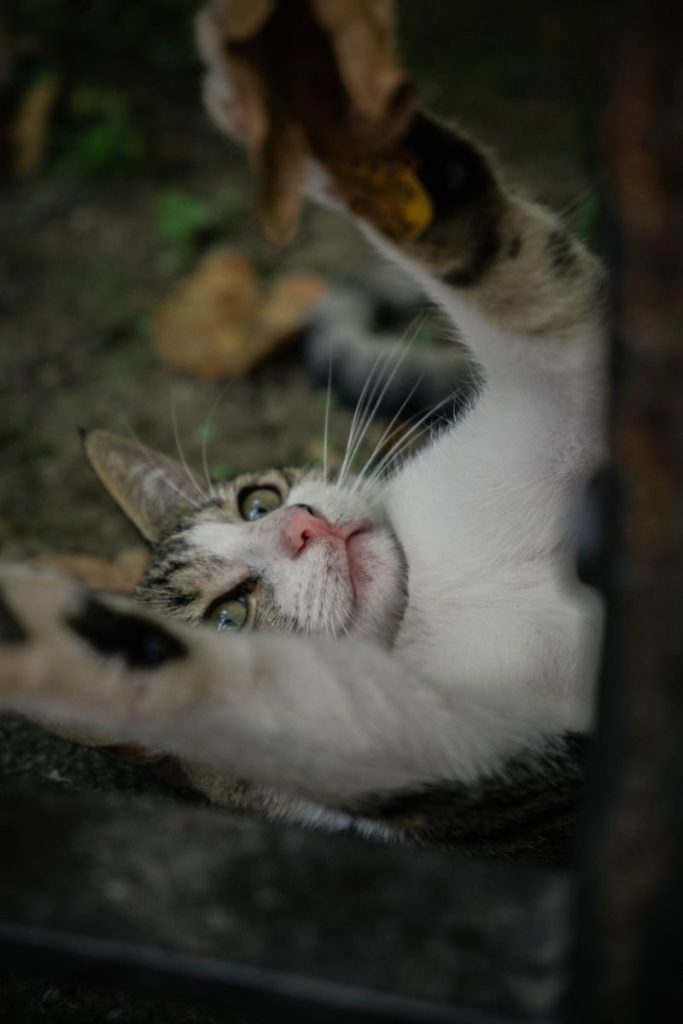
Interactive play benefits the cat while also giving the person a focused activity that can interrupt an otherwise repetitive or stressful day. Wand toys, chase games, and short hunting-style play sessions create movement, attention, and a clear beginning and end. Cats Protection surveys have identified playing with cats as another activity owners associate with improved wellbeing. The value works best when the game also meets feline needs. Using hands as toys or forcing an uninterested cat to participate creates frustration rather than the calm connection people may be hoping for.
Daily Care Adds Structure

Feeding, refreshing water, cleaning litter boxes, grooming, and planning play can create dependable points in the day. For some people, that routine provides useful structure and a reason to get moving even when motivation is low. The responsibility is real, however, and should not be romanticized. Cats need daily care whether their owner feels energetic or not, along with money for food and veterinary treatment. A pet can support routine only when the household is genuinely able to meet the animal’s needs consistently and arrange backup care when necessary.
Quiet Presence Can Be Comforting

Not every supportive interaction involves petting or play. Some cats prefer sitting on the other end of a sofa, sleeping near a desk, or following a person without climbing into their lap. That quiet presence can still feel reassuring because companionship does not have to be physically intense. Cats also benefit when people respect their preferred distance. A relationship built around choice may be more comfortable for both sides than expecting constant cuddles. The cat’s ability to leave, hide, sleep, or decline contact remains part of responsible companionship.
Cats Can Notice Human Routines

Cats are attentive to repeated household patterns, including waking times, meals, movement, voice, and where people usually sit. Owners may therefore notice a cat appearing at the same moments each day or approaching when a routine changes. It can feel as though the animal knows exactly what a person needs, but that interpretation should remain cautious. Familiarity and pattern learning provide a simpler explanation. The emotional effect can still be meaningful to the owner, even when the cat’s behavior is based on learned cues rather than human-style understanding.
Research Shows a Mixed Picture
Studies of pets and human mental health do not all reach the same conclusion. Some research finds associations between pet relationships and better wellbeing, while other studies report neutral or even negative associations in certain groups. A systematic review found that only some studies linked attachment to cats or dogs with better mental health outcomes. That complexity matters. People differ, pets differ, and difficult circumstances can affect both. Responsible discussion should celebrate genuine comfort without claiming that cat ownership is a universal treatment for depression, anxiety, or loneliness.
Cats Are Companions, Not Therapists
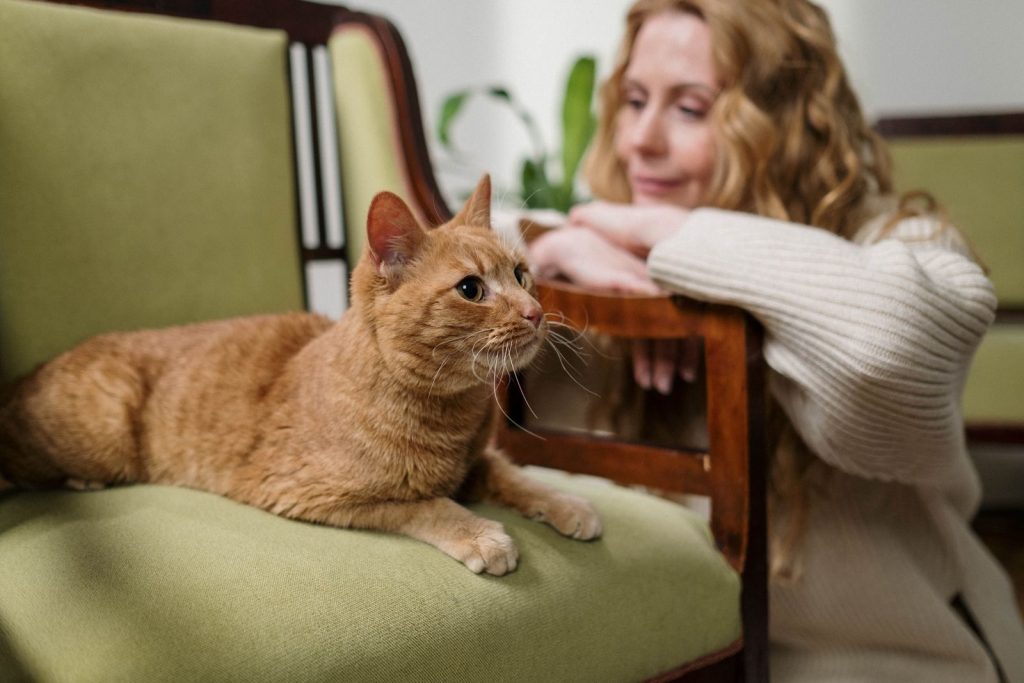
The “tiny therapist” description works as affectionate humor, but a cat cannot assess symptoms, provide evidence-based treatment, manage a crisis, or replace a qualified mental health professional. What cats can offer is companionship within a relationship that also requires care from the human. For many owners, that may include soothing routines, enjoyable play, touch, laughter, and a feeling of being less alone. Those benefits are valuable precisely because they are ordinary. They do not need exaggerated medical claims to make a close bond with a cat meaningful.
Featured Image: Photo by Helena Lopes on Pexels