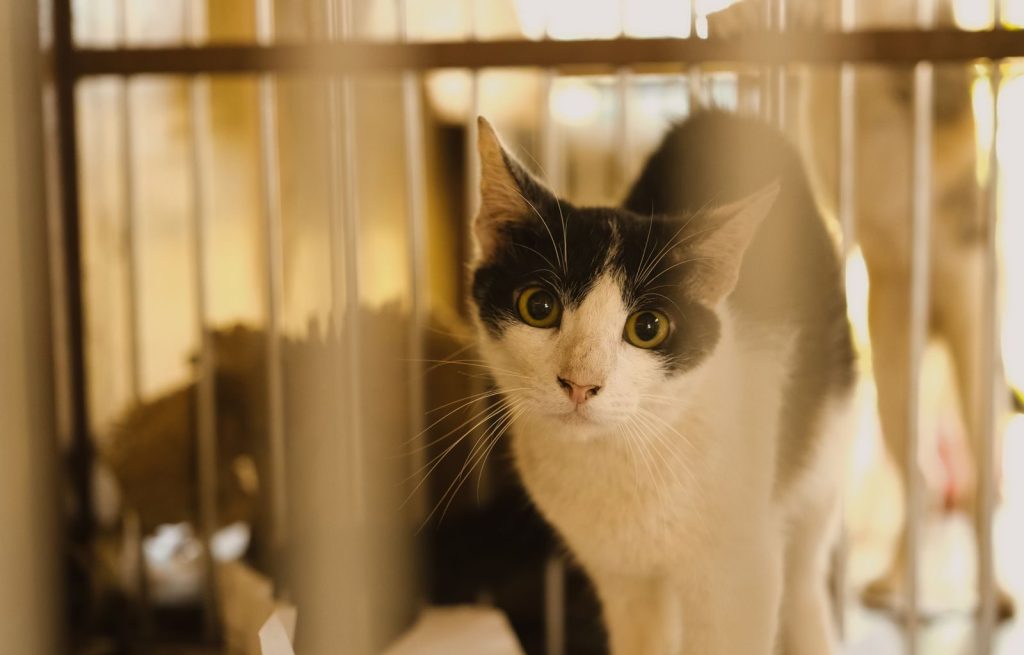

Mint, a six-year-old cat at NAWS Humane Society, drew attention in August 2026 after a social-media post described the reason given for her surrender. According to Parade Pets, her previous family said they were “tired of cleaning up after her.” The report does not explain exactly what needed cleaning or establish a medical or behavioral cause, so those missing details should not be guessed. What shelter observers could describe was Mint’s fearful response to losing her familiar home.
The post shared by @franflight showed a much softer side emerging once Mint had time to feel secure with a person. Staff and volunteers described her as initially frightened around new people but capable of relaxing deeply after trust develops. That distinction matters for shelter cats because stress can hide familiar behavior. As of the August 11 report, Mint was being promoted for adoption and was said to do best in a quiet, calm household with patient people.
Mint Is Six Years Old
Parade Pets identified Mint as a six-year-old cat recently brought to NAWS Humane Society by her family. At six, she is an adult rather than a kitten, which means potential adopters can often learn more about established preferences and behavior from shelter staff. Her age does not make the transition into a shelter easy, however. An adult cat suddenly moved from a familiar home into a kennel environment may face new smells, sounds, people, and routines all at once, so initial fear should be interpreted within that stressful context.
The Surrender Reason Drew Attention
The phrase that made Mint’s story spread was the explanation that her previous parent was “tired of cleaning up after her.” Parade Pets repeated that wording from the social-media post, but neither source material available in the report explains exactly what Mint was doing. It would therefore be irresponsible to turn the phrase into an invented litter-box diagnosis or another specific problem. Surrender stories are often emotionally charged, yet accurate coverage means separating the reason that was reported from assumptions about why the issue happened or whether treatment had been attempted.
Mint Appeared Frightened at First
The social-media account promoting Mint described her as scared of people when she first meets them. Shelter environments can be difficult for cats because they bring unfamiliar handling, noises, smells, animals, and restricted spaces. A cat that withdraws under those conditions may not show the same behavior it displayed at home. Parade Pets reported that Mint needed time before revealing a more affectionate side. That makes brief meet-and-greets potentially misleading, especially when visitors expect an overwhelmed cat to behave like a relaxed pet within the first few minutes.
Patience Reveals a Softer Side
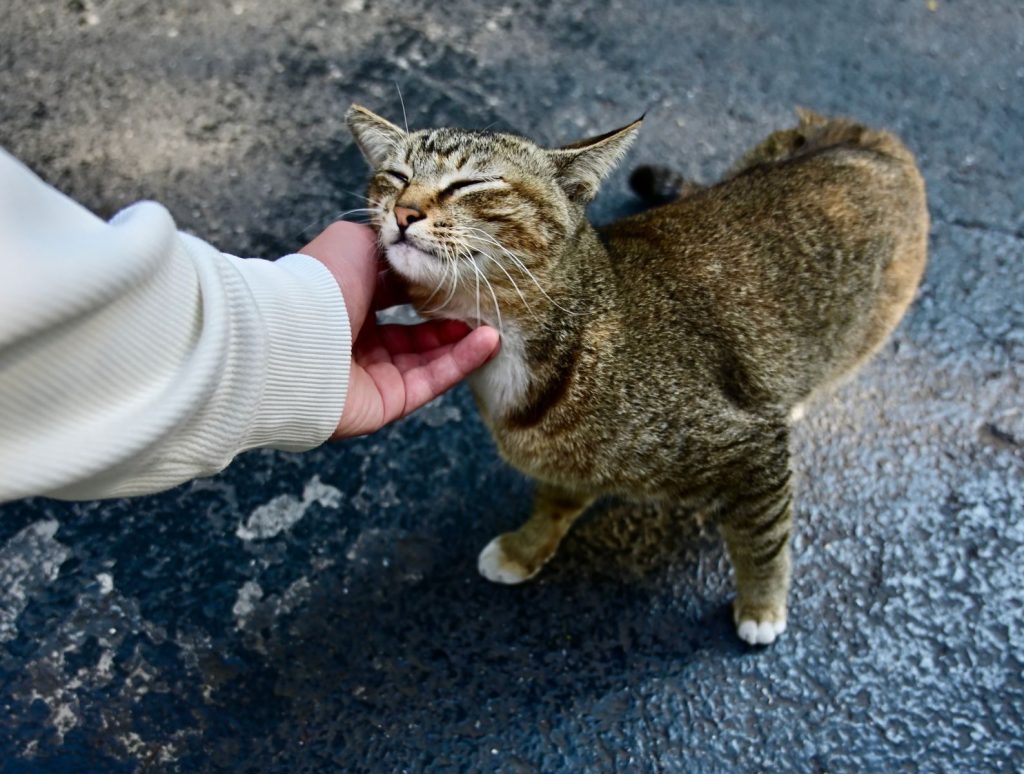
According to the post quoted by Parade Pets, Mint begins to “melt into” people after she has enough time to trust them. That description comes from people who have interacted with her rather than from an assumption based only on appearance. It suggests that her adoption meetings may go better with calm visitors willing to sit quietly and let her approach at her own pace. For fearful cats, choice can matter greatly. Reaching, grabbing, or pushing contact may make withdrawal stronger, while predictable, low-pressure interaction can allow confidence to develop.
Mint Can Live With Other Pets
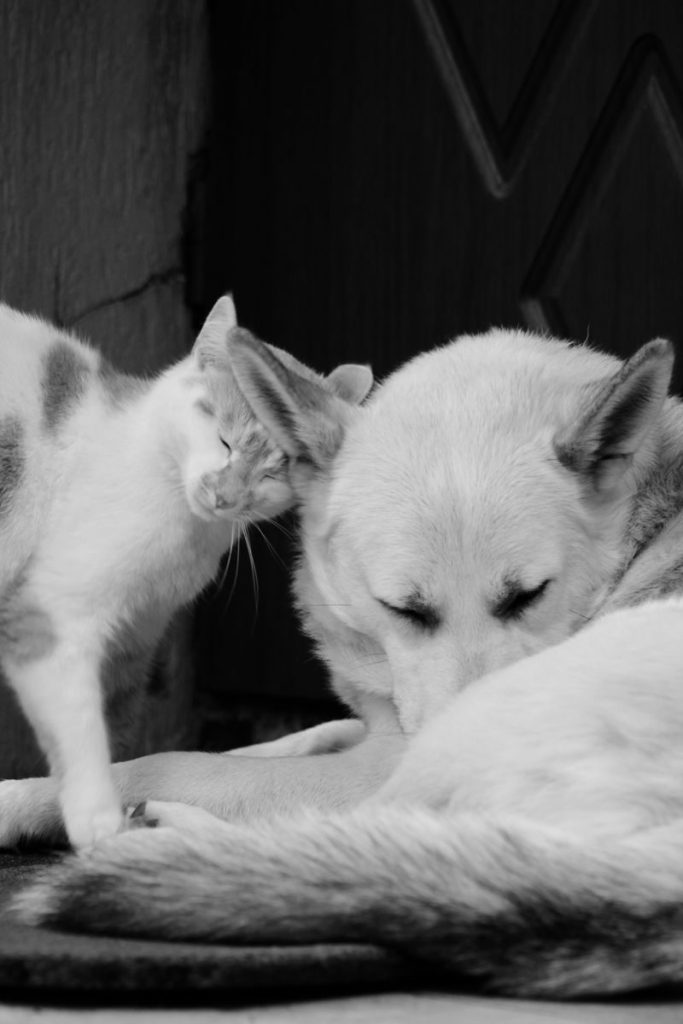
The report states that Mint gets along with both dogs and other cats, which may broaden the kinds of homes that could consider her. Even with that history, introductions to unfamiliar animals should still be gradual because previous tolerance does not guarantee instant comfort with every new pet. A quiet room, scent exchange, barriers, and supervised meetings can help reduce pressure during the transition. Mint’s need for a calm environment should remain central. A household with other animals may work, but the overall pace and personality of the home matter as much as species.
A Calm Home May Suit Mint
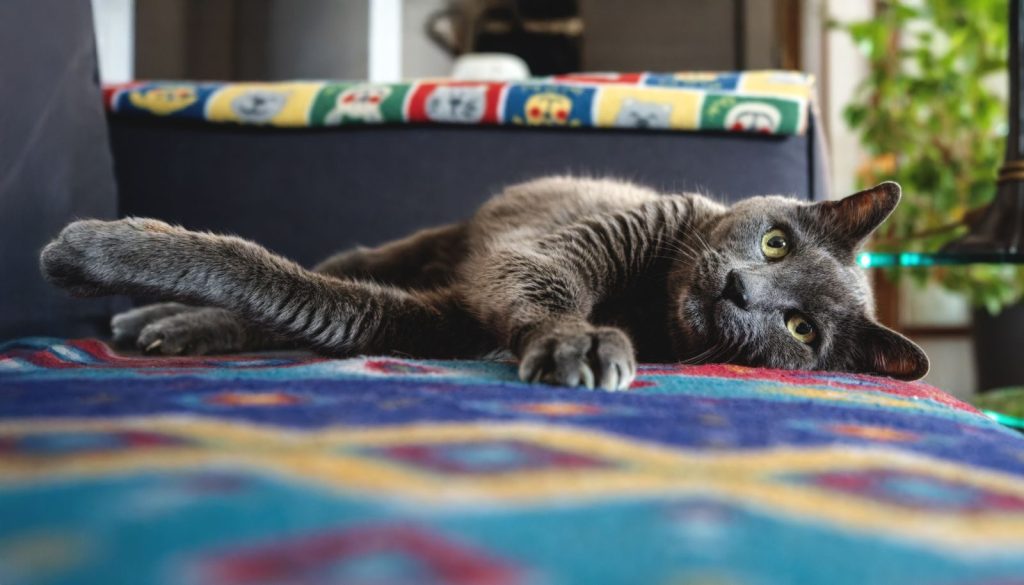
Parade Pets reported that Mint would do best in a quiet and calm environment. That recommendation fits what shelter observers saw from a cat who initially becomes frightened around unfamiliar people. A suitable home does not have to be silent, but it should provide predictable routines, hiding places, comfortable resting spots, and people who will not force immediate interaction. Adopters also need realistic expectations about adjustment time. A cat who appears withdrawn during the first few days may gradually become more social after learning where resources are and which people are safe.
Mint Was Not on the Website
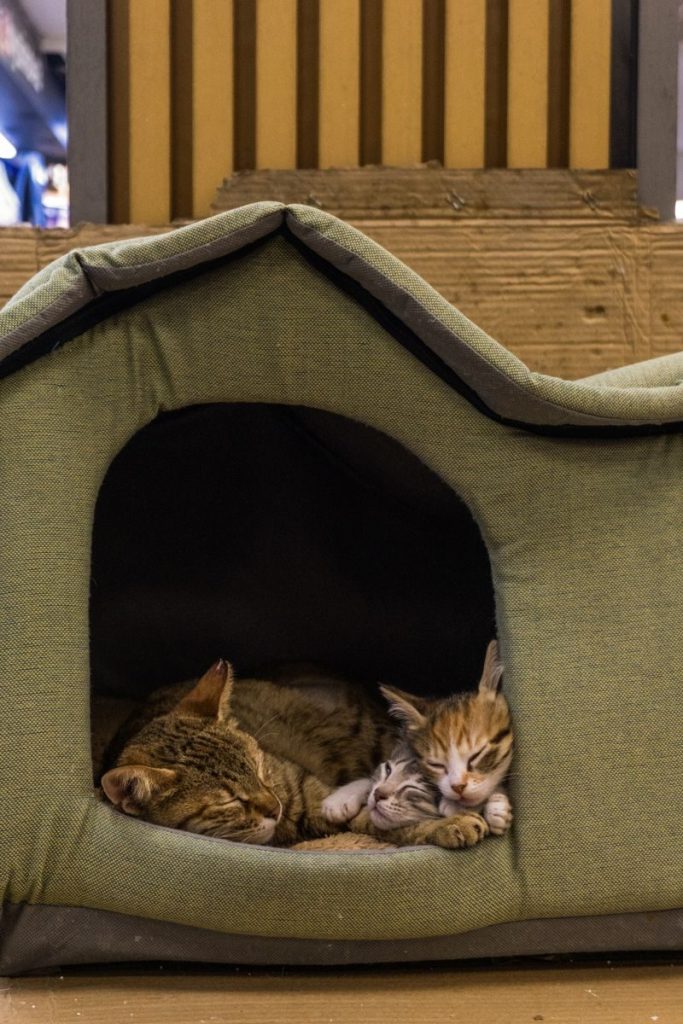
As of the August 11 report, Mint was not displayed on the shelter’s regular adoption website even though applications could still be submitted for her through NAWS Humane Society. The social-media caption instructed interested people to complete a cat adoption application and enter Mint’s name. That detail shows why online sharing can matter for individual shelter animals who are not easy to find through a standard listing. Adoption status can change quickly, however, so anyone interested should confirm availability directly with the shelter rather than relying on an older viral post.
Mint Needs a Fair First Impression
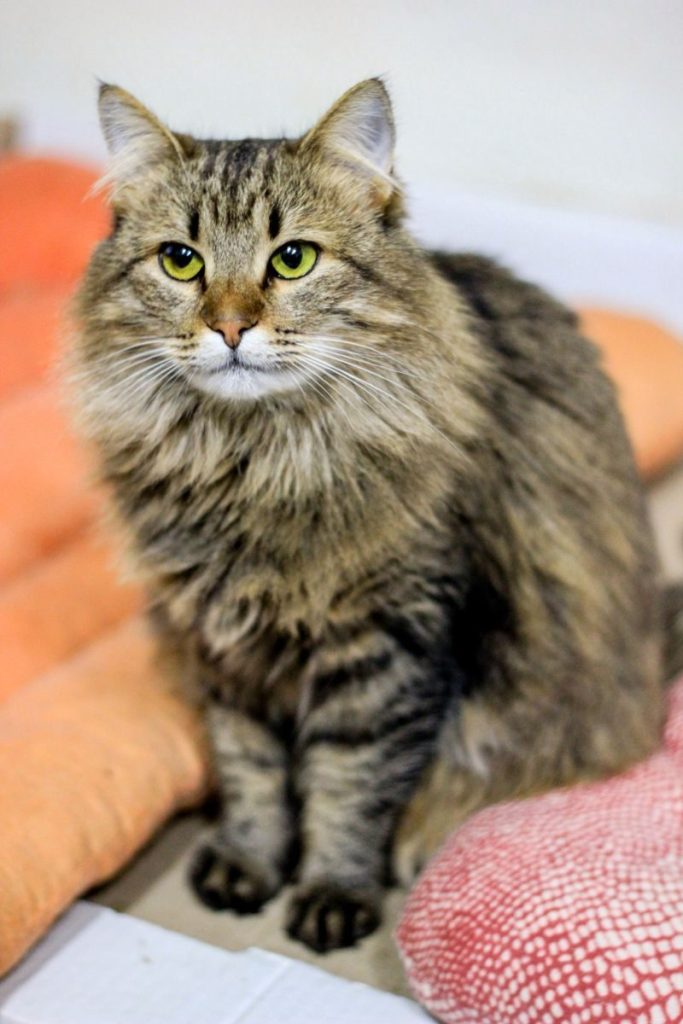
Mint’s story is strongest when it is not reduced to either the surrender reason or the frightened cat first seen in a shelter. The available report describes an adult cat who initially withdraws, then becomes affectionate when given patience, and who may be comfortable around other cats and dogs. Those are more useful adoption details than anger toward her previous family or guesses about her past. A thoughtful adopter can ask about current behavior, medical history, daily needs, and adjustment expectations, then decide whether Mint’s quieter personality fits the household.
Featured Image: Photo by Ayyeee Ayyeee on Pexels