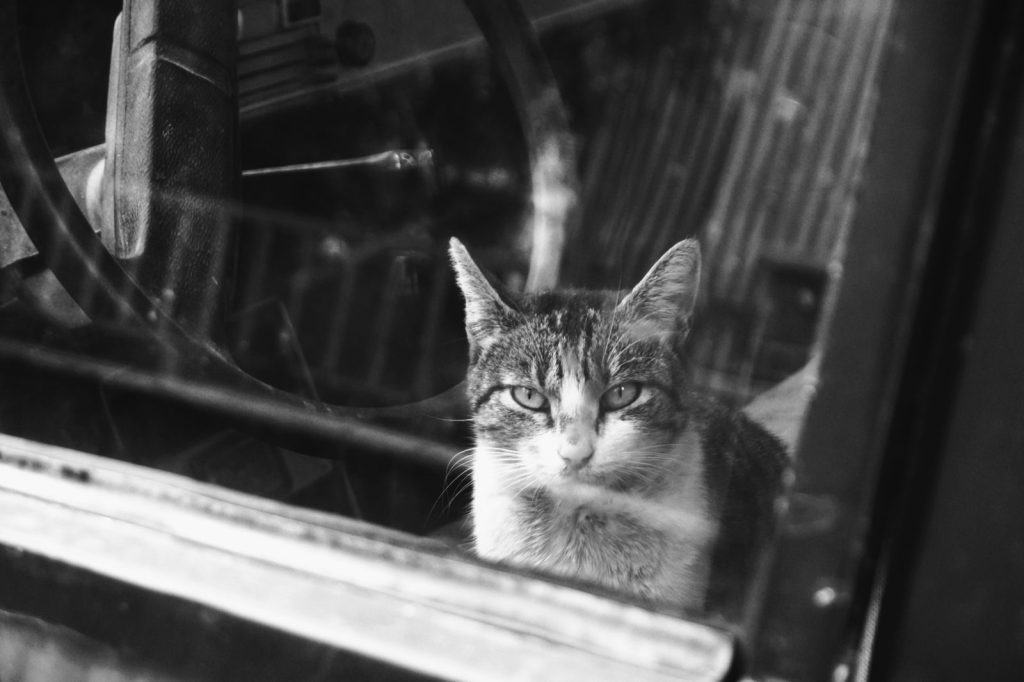

Finding a kitten in or around a parked car can be frightening because the safest response depends on where the animal is hiding, how old it appears, whether it is injured, and whether a mother cat may be nearby. Outdoor cats sometimes shelter beneath vehicles or inside engine compartments, especially when looking for warmth or cover. The first priority is not romance or a dramatic rescue ending. It is making sure the vehicle stays still, the kitten is located safely, and unnecessary handling does not create more risk.
The exact viral-style story in the original title could not be independently verified from the information provided, so this article does not invent a woman, location, relationship, or adoption outcome. Instead, it explains what a responsible person should do after discovering a stray or community kitten hiding in a car. Good rescue practice means checking vehicles before starting them, considering whether a mother is caring for young kittens, using safe containment when intervention is needed, and getting veterinary or rescue help when injury, illness, or immediate danger is present.
Stop Before Starting the Car
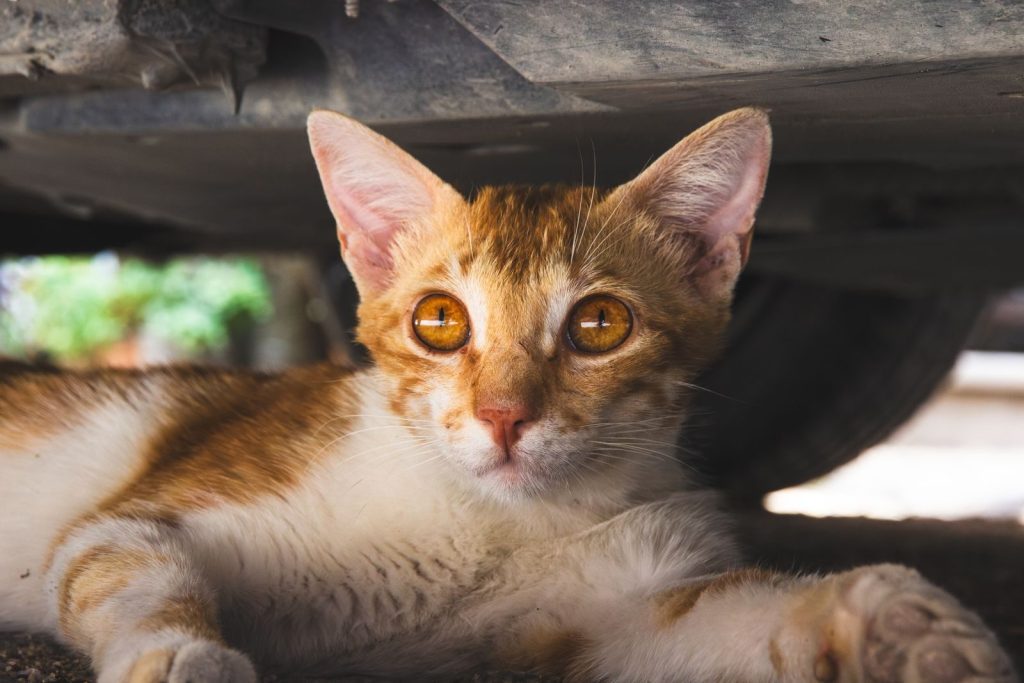
If you hear meowing or notice a kitten beneath a vehicle, do not start the engine or move the car until you know where the animal is. Outdoor cats sometimes crawl beneath cars or into engine compartments for shelter and warmth.
Keep other people from moving the vehicle while you investigate. Tapping the hood and checking underneath before starting can help alert a hidden animal. A few extra minutes of caution can prevent severe injury and give you time to determine whether the kitten can leave safely.
Check the Car Carefully
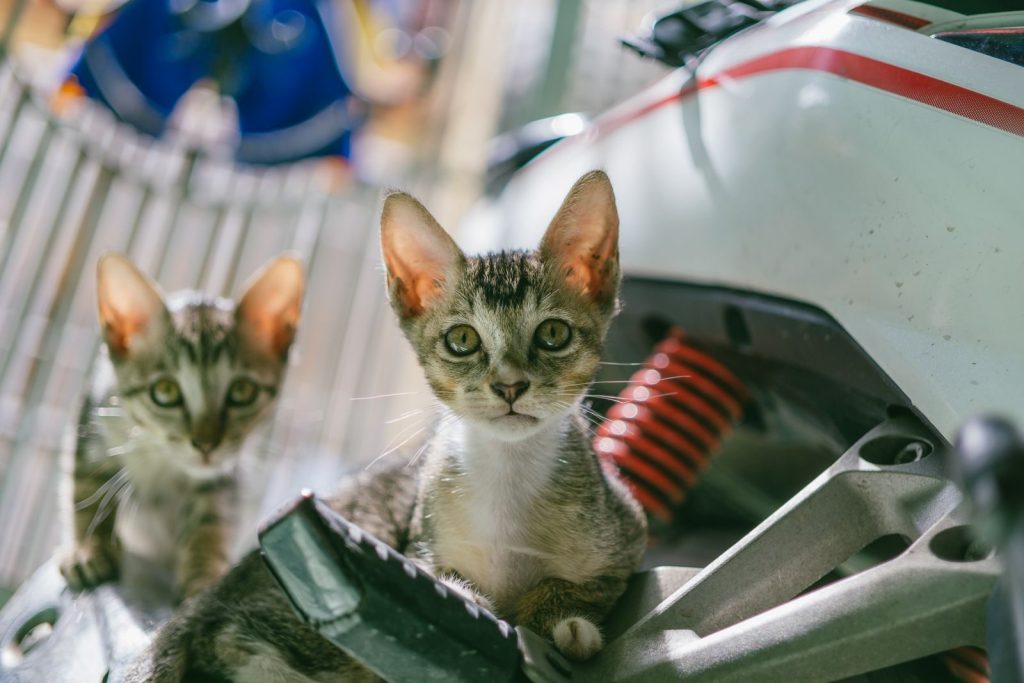
Look beneath the car, around the tires, and, if it is safe to do so, inside the engine compartment before attempting to drive. Do not reach blindly into tight mechanical spaces where a frightened kitten could bite, scratch, or move deeper inside.
If the kitten is trapped or inaccessible, a mechanic, animal-control officer, rescue volunteer, or other experienced helper may be better equipped to assist. Keep the engine off and allow hot components to cool. The goal is removal without creating additional danger for either the kitten or rescuer.
Watch the Kitten From Distance

Once the kitten is out of immediate vehicle danger, pause and observe before assuming it has been abandoned. Age, body condition, mobility, crying, visible injuries, and the surrounding environment all matter when deciding whether intervention is necessary.
A very young kitten may still depend on its mother, while an older mobile kitten may be exploring or living near a community-cat group. Unless the kitten is injured or in immediate danger, careful observation from a distance can provide useful information about what should happen next.
Look for a Mother Cat
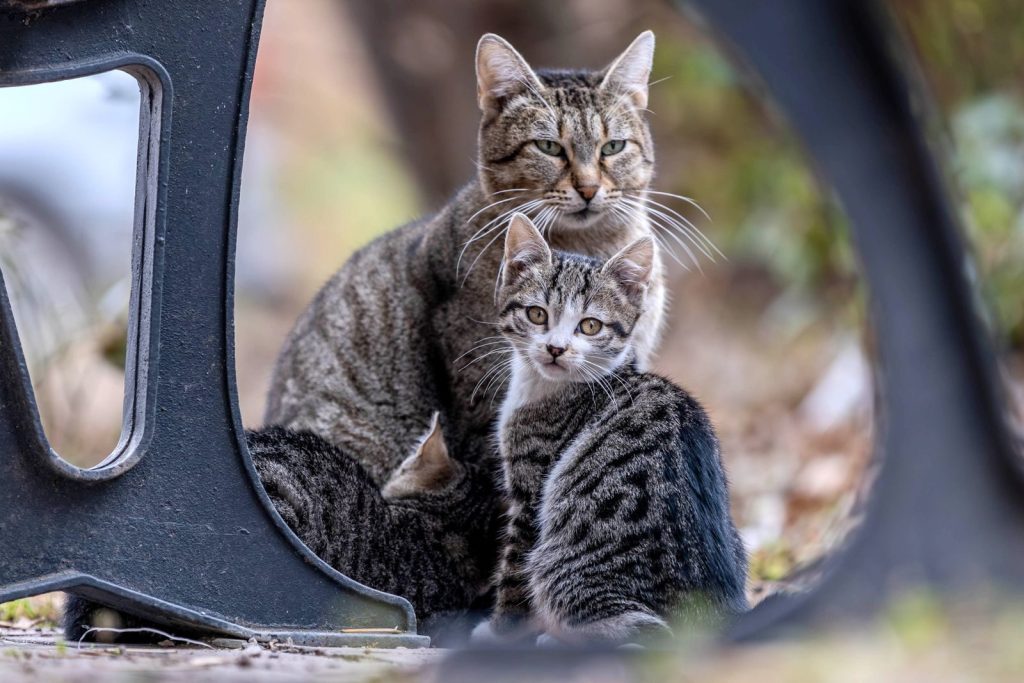
A mother cat may be nearby even when she is not visible. She can leave kittens temporarily to find food or wait for people to move away before returning, so finding a young kitten alone does not automatically prove that it is orphaned.
If the location is safe, watching from a distance may reveal whether the mother returns. Immediate help may still be necessary when a kitten is trapped, injured, exposed to traffic, or clearly unwell. The possibility of maternal care should be considered without delaying help in a genuine emergency.
Use Safe Containment
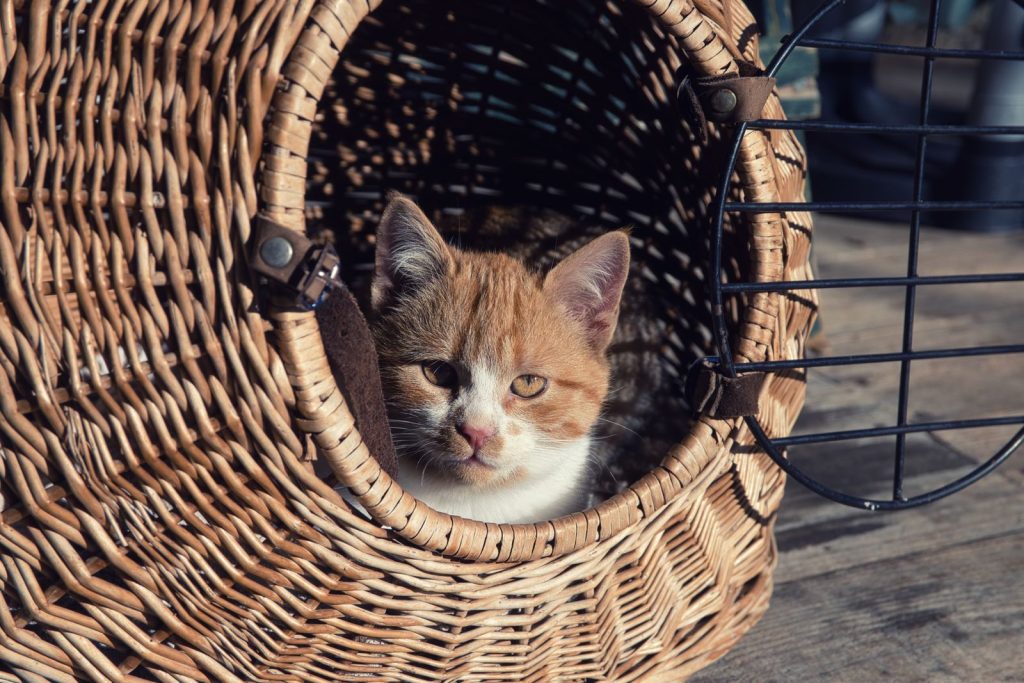
If the kitten must be moved, use a secure carrier, humane trap, or sturdy ventilated container appropriate to the situation rather than carrying a frightened animal loosely. Keep the kitten in a quiet, temperature-controlled place away from traffic, dogs, and unnecessary handling.
A fearful or unsocialized kitten may scratch, bite, or panic when cornered, so avoid forcing contact. If you are unsure how to handle the animal safely, contact a local rescue, shelter, veterinarian, or animal-welfare organization for guidance before attempting a difficult capture.
Seek Veterinary Help When Needed
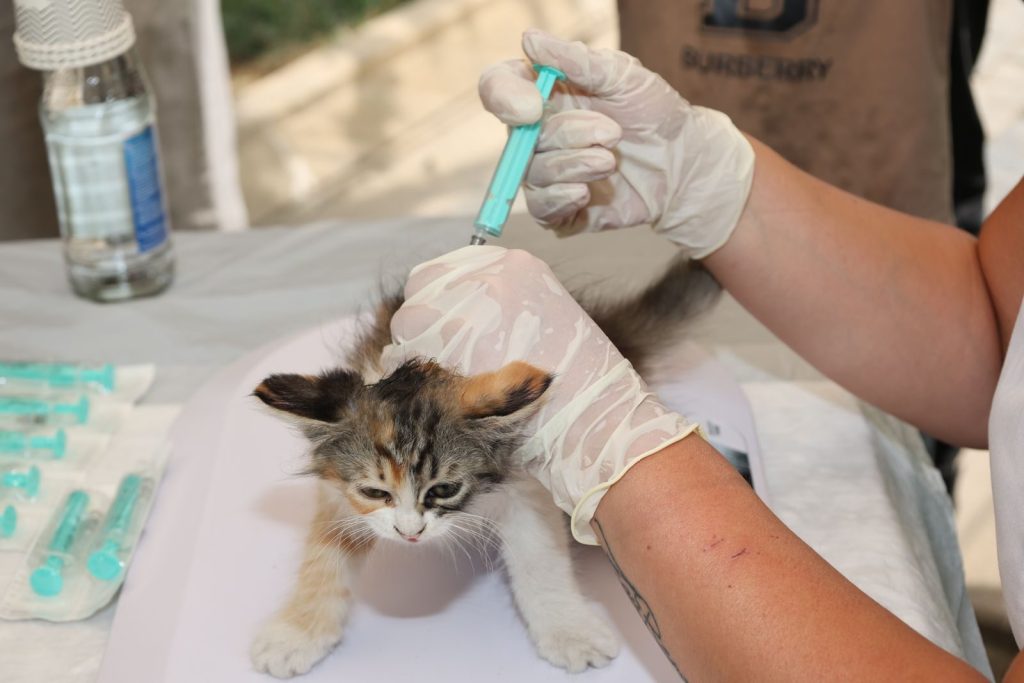
A kitten that is injured, weak, cold, bleeding, struggling to breathe, unable to stand, severely lethargic, or showing other signs of illness needs prompt professional assessment. Very young kittens can deteriorate quickly, and their feeding and temperature needs differ from adult cats.
Do not assume that cow’s milk, random food, or home treatment is harmless. If you are uncertain about the kitten’s age or condition, contact a veterinarian, emergency clinic, shelter, or experienced rescue group. The safest plan depends on the animal’s actual physical state.
Check for an Existing Home

A friendly kitten found near a car may be stray, lost, recently abandoned, or connected to a nearby household. Once immediate safety and medical needs are addressed, ask neighbors, check local lost-pet listings, and arrange a microchip scan when appropriate.
Avoid assuming that friendliness means the kitten has no owner. Clear photos and a general location can help reunification efforts, although it is sensible to withhold a few identifying details so anyone claiming the animal can provide information that supports genuine ownership.
Plan the Next Step Responsibly
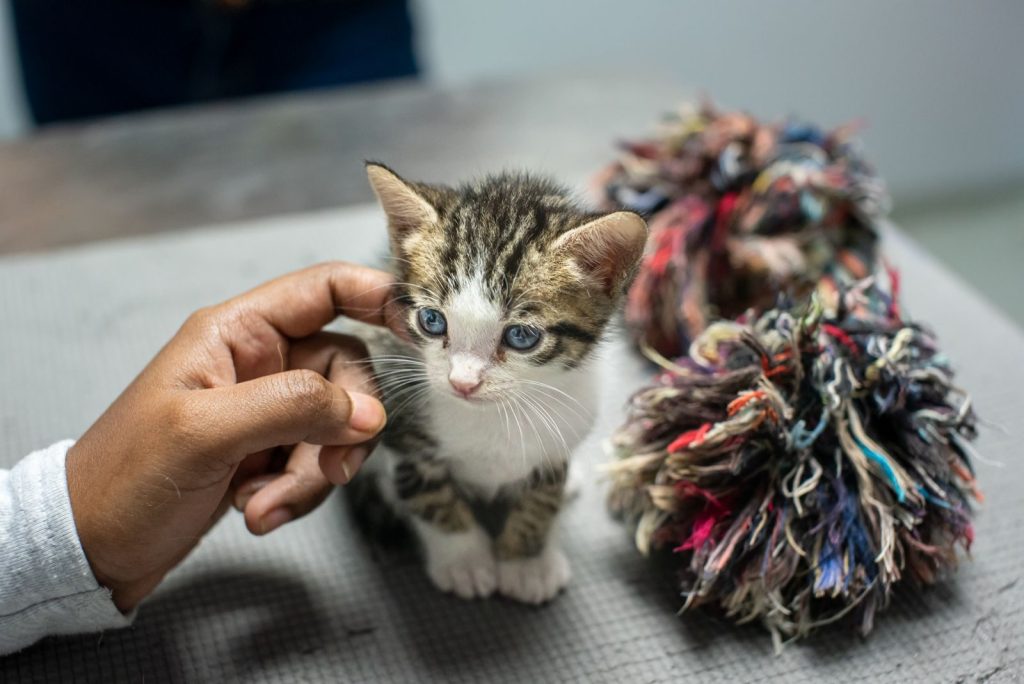
Falling in love with a rescued kitten is possible, but adoption should come after the practical questions are handled. Confirm that the kitten is not owned, arrange veterinary care, discuss vaccines and parasite control, and plan for spaying or neutering at the appropriate time.
If you cannot keep the kitten, a reputable rescue, shelter, foster network, or community-cat program may be able to help. For very young kittens with a mother, keeping the family together until weaning can sometimes be best. Long-term welfare should guide the final decision.
Featured Image: Photo by Eyyüp Erten on Pexels