Most pet parents assume that bathing cats regularly keeps them clean and healthy. We often see water shampoos as essential grooming steps for pets.
But feline hygiene works through self-grooming rather than regular soap baths. Expert veterinarians reveal the exact situations where bathing becomes necessary.
Understanding Self Grooming

Cat tongues possess tiny backward-curved spines called papillae that remove debris during daily grooming. Their grooming works well. According to the Cornell University College of Veterinary Medicine, healthy felines spend up to half their waking hours cleaning their own fur. This natural routine usually eliminates the need for soapy water baths entirely. Yet certain health situations change this standard rule completely.
Identifying Bathing Needs

Baths become essential when cats encounter toxic substances or heavy sticky dirt on their coats. Quick action is needed. According to the American Society for the Prevention of Cruelty to Animals, grooming toxic residues off fur causes accidental poisoning. Owners must step in with gentle water rinsing before ingestion occurs. But elderly felines present a very different challenge for caregivers.
Assisting Senior Cats
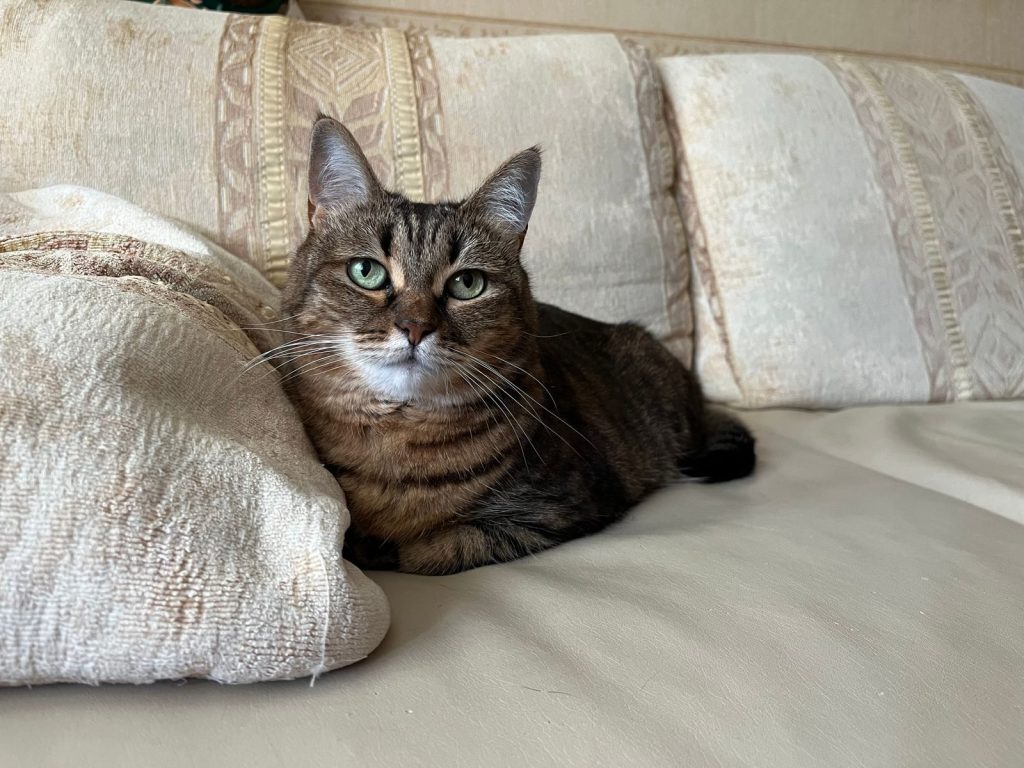
Older cats frequently develop arthritis that limits their natural flexibility and self-grooming abilities. Joints grow stiff. According to veterinary geriatric care studies, senior felines often require owner assistance to keep their coats free of matted fur. Regular gentle wiping helps maintain skin health without causing unnecessary stress. Yet specific medical skin conditions demand specialized medicated baths.
Managing Medical Conditions
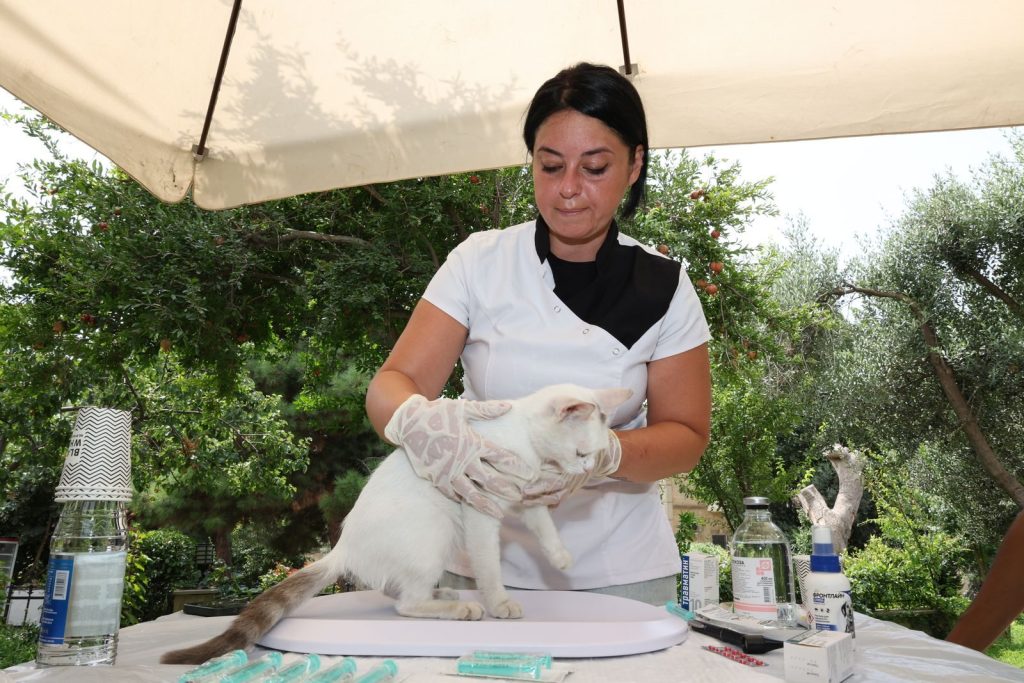
Fungal infections like ringworm or severe flea infestations require therapeutic medicated baths. Science guides treatment. According to the American Veterinary Medical Association, prescribed medicated shampoos eliminate parasites and calm inflamed skin under professional guidance. Veterinarians recommend using warm water and non-skid mats during these necessary procedures. But water temperature plays a massive role in safety.
Checking Water Temperature
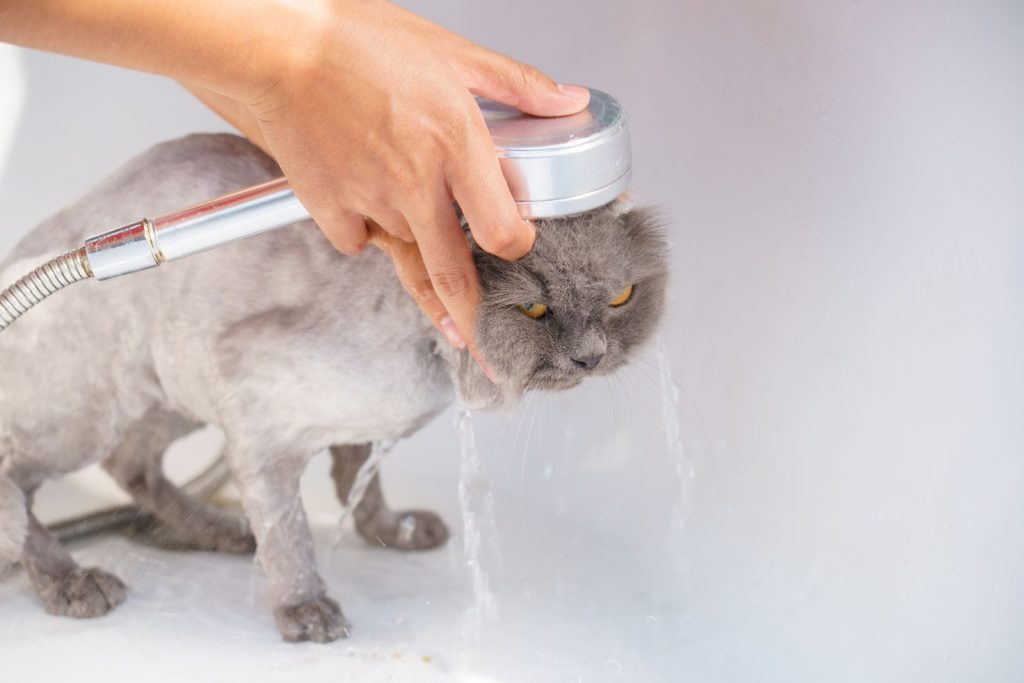
Water that feels comfortable to humans can easily chill or burn sensitive feline skin. Caution protects pets. According to veterinary dermatologists, bath water should remain lukewarm at roughly 100 degrees Fahrenheit. Keeping water shallow prevents panic while ensuring thorough cleaning of affected fur areas. But drying the cat properly is just as important as washing.
Drying Feline Fur

Thick feline undercoats trap moisture quickly, which can lower body temperature if left damp. Warm towels help immensely. According to feline medicine specialists, wrapping cats in absorbent towels prevents shivering after bath sessions end. Gentle drying keeps the animal calm while restoring their natural body heat. That careful technique ensures a stress-free experience for everyone involved.
Maintaining Coat Health

Understanding when to bathe your cat protects their natural skin oils and keeps them comfortable. Proper care matters. According to veterinary guidelines, healthy indoor felines rarely need full baths thanks to their efficient self-grooming habits. Gentle brushing remains the best daily support for a shiny, healthy coat. This article is for informational purposes only and does not constitute veterinary advice.
Featured Image: Photo by Eve R on Pexels