Pet owners naturally express affection by squeezing their favorite animals in warm embraces. Wrapping arms around a soft feline feels like the perfect bonding gesture.
But tight hugs often trigger claustrophobia and anxiety in domestic felines. Feline behavior experts explain why gentle physical boundaries preserve your relationship.
Understanding Feline Biology

Domestic cats are predators that retain strong prey instincts regarding physical restraint. Freedom feels essential. According to feline behavior specialists, sudden restriction triggers fight or flight responses because trapped animals feel vulnerable. Restraining a cat tight against your chest removes their escape route instantly. But observing subtle body language reveals their true comfort level.
Reading Body Signals

Tense muscles, dilated pupils, and flattened ears indicate immediate emotional distress during physical holding. Signals appear fast. According to the American Veterinary Medical Association, subtle tail swishing signals rising irritation before a cat swats or bites. Recognizing these early warning signs helps owners release physical pressure promptly. Yet many owners mistake tolerance for genuine affection.
Distinguishing Tolerance Levels

A cat sitting quietly during a hug may simply freeze from stress rather than enjoy the moment. Stress stays hidden. According to animal behavior research from the University of Lincoln, passive freezing is a common coping response to overwhelming physical handling. Releasing your grip allows the feline to choose their preferred distance. But alternative touch methods offer far better bonding results.
Choosing Better Touch
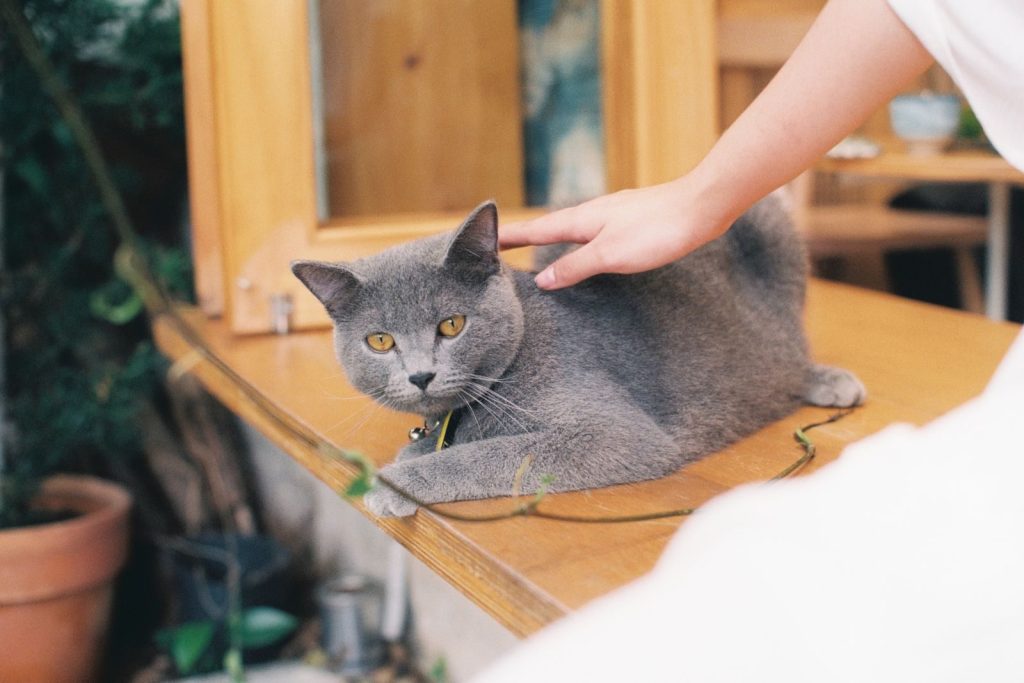
Gentle chin scratches and cheek rubs target scent glands that release calming pheromones. Happiness builds naturally. According to feline welfare guidelines, head brushing mirrors natural social grooming habits between friendly cats. Allowing the animal to initiate contact ensures they feel safe and respected during affection time. Yet proper handling techniques protect both pet and owner.
Supporting Rear Paws

Lifting a cat requires supporting their hindquarters to prevent them from feeling unsupported in midair. Stability builds trust. According to veterinary handling manuals, dangling feet create anxiety and strain feline spinal joints unnecessarily. Using both hands ensures weight distribution stays balanced and comfortable. But teaching children proper holding rules prevents household accidents.
Guiding Young Children

Children often grab felines around the midsection without recognizing the pressure they apply. Boundaries protect everyone. According to Humane Society education programs, teaching kids to let cats approach on their own prevents scratches and fear. Gentle supervision ensures respectful interactions across the household daily. But building mutual affection requires daily consistency.
Creating Choice Spaces

Allowing cats to sit beside you on their own terms fosters long-term emotional trust. Freedom encourages closeness. According to veterinary behaviorists, felines seek interaction more frequently when granted complete control over physical contact. Closeness grows deeper when forced restraint disappears completely. That mutual respect builds an unbreakable human-animal bond.
Promoting Respectful Bond

Respecting feline personal space deepens affection and strengthens your daily relationship naturally. Boundaries foster love. According to animal welfare specialists, choice-based affection creates happier confident household pets. Observing your cat’s cues ensures physical interactions remain positive and comforting. This article is for informational purposes only.
Featured Image: Photo by Siegfried Poepperl on Pexels