Crying kittens inside an apparently abandoned building may need urgent assistance. However, entering an unsafe structure or immediately separating them from their mother can create additional danger.
A careful response protects the kittens, the mother cat and the people attempting the rescue.
Do Not Rush Inside

An abandoned property may contain unstable floors, exposed wiring, broken glass, chemicals or other hazards. Contact the property owner, emergency services or an animal rescue instead of entering a visibly dangerous structure without authorization or equipment.
Evaluate the Urgency
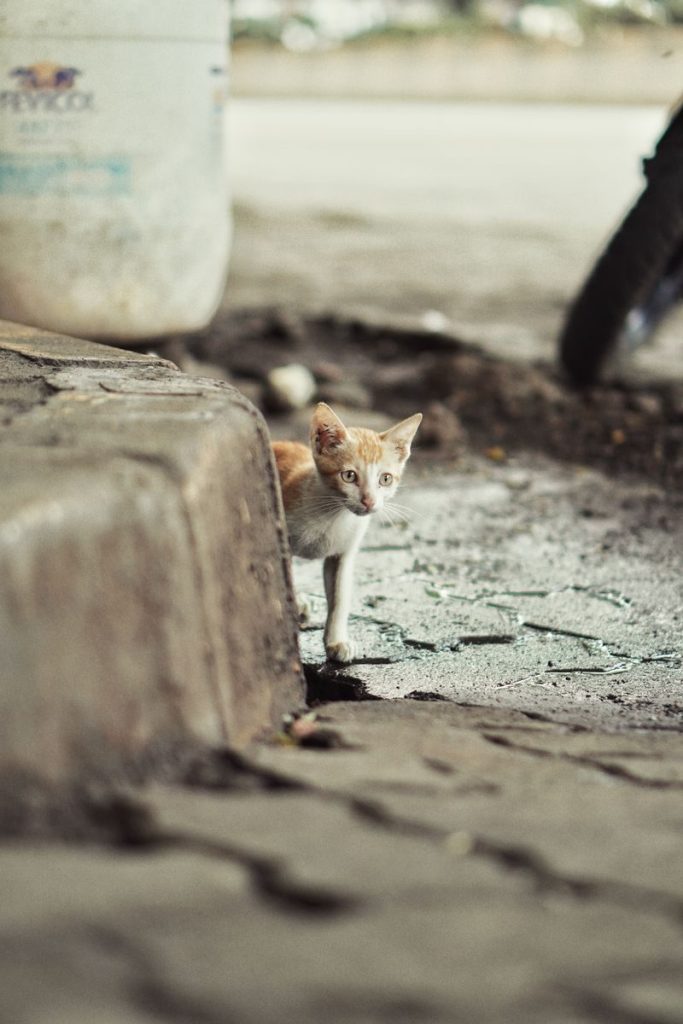
Look for immediate threats such as demolition, flooding, fire, severe weather, active machinery or injured kittens. If the building is stable and the kittens appear warm, waiting briefly may allow time to determine whether their mother returns.
Listen Before Approaching
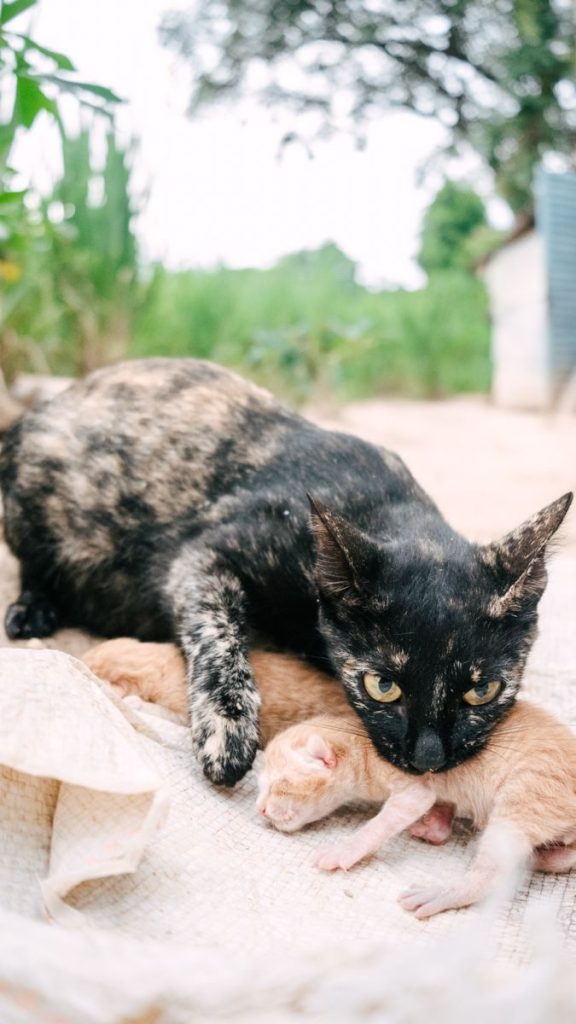
Listen for movement or an adult cat before disturbing the nesting area. A mother may remain hidden because unfamiliar people are nearby, especially if she considers the property a quiet place to raise her litter.
Observe From a Distance
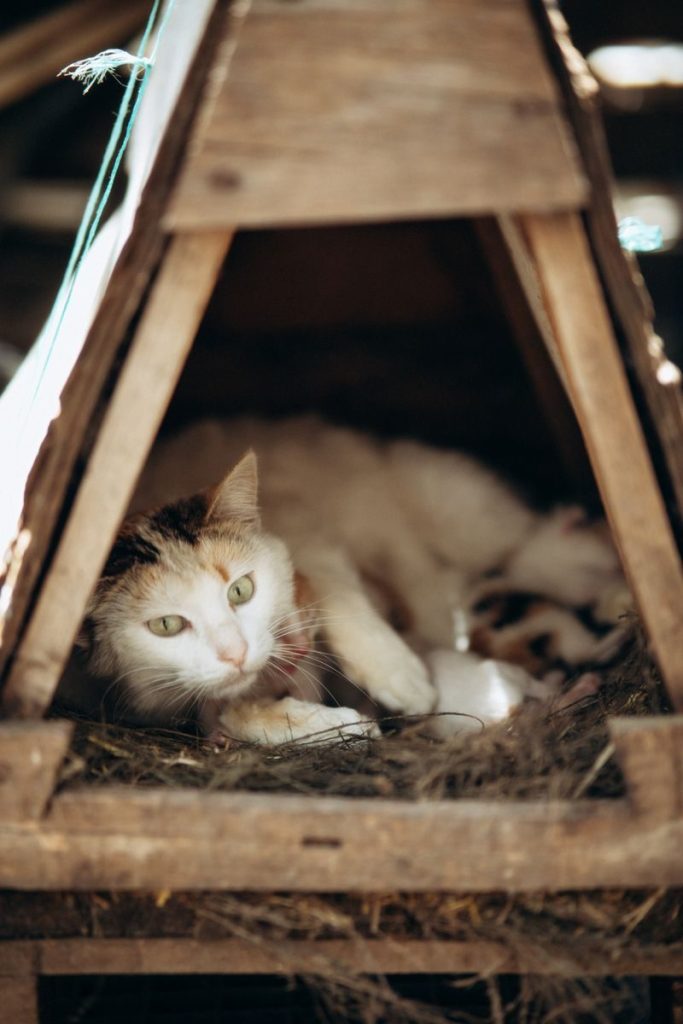
Move far enough away that the mother feels safe returning. Rescue organizations recommend monitoring young kittens from a distance when no immediate danger is present because their mother usually provides their best food, warmth and care.
Contact Local Rescuers

Share the exact location, kitten count, visible condition and property hazards with an experienced rescue. They may provide traps, protective equipment, transport or a foster home while coordinating with the building’s owner.
Keep the Family Together
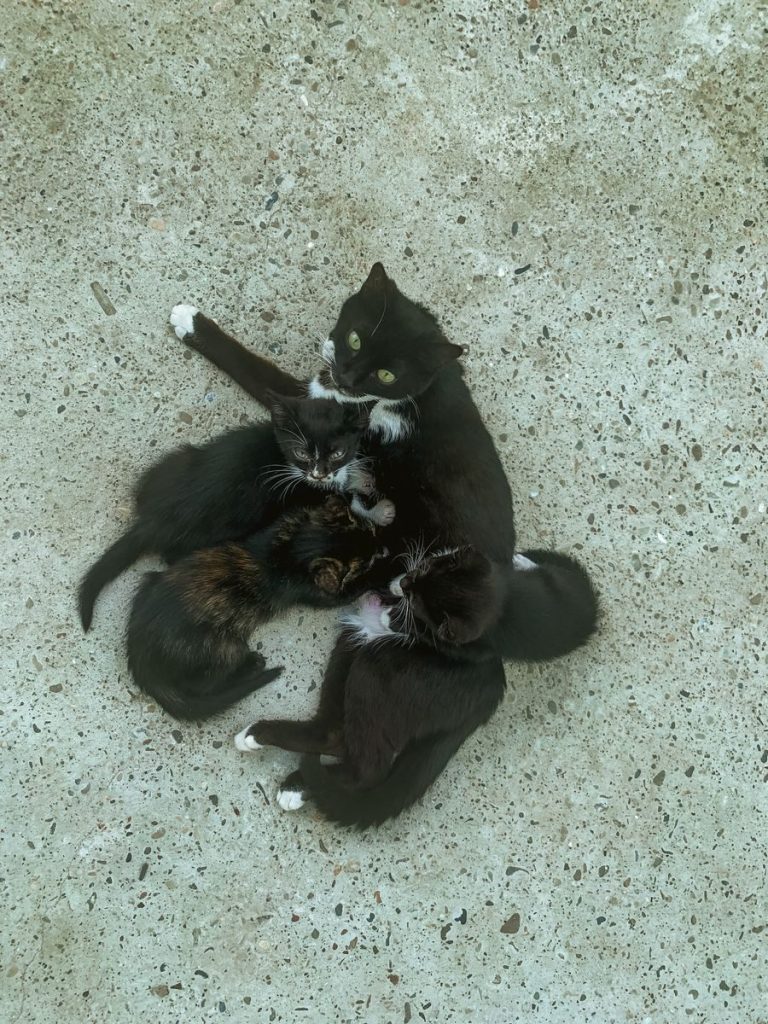
When relocation is necessary, rescuers should attempt to move the mother and her entire litter together. Removing only the kittens can leave the mother searching for them and may force people to provide demanding round-the-clock neonatal care.
Provide a Quiet Space
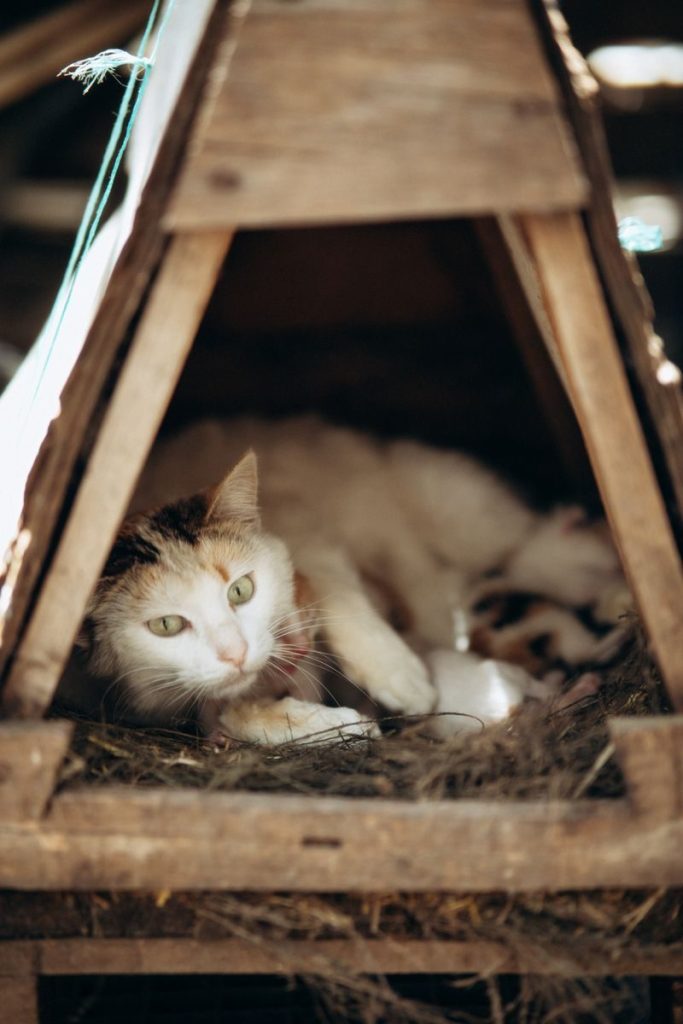
A rescued mother and kittens need a warm, private room separated from unfamiliar animals. Food, water and a litter box should be placed where the mother can reach them without leaving her kittens for long.
Plan Their Next Steps

The family should receive veterinary assessment, parasite treatment and an age-appropriate vaccination and sterilization plan. A rescue can also determine whether the mother can be adopted or should return through a trap-neuter-return program after her kittens are independent.
Featured Image: Photo by Reynaldo Yodia on Pexels