

Finding a very young kitten can feel like an emergency, but immediately taking it away is not always the safest first move. Its mother may still be nearby.
The correct response depends on the kitten’s age, condition, location and immediate danger. When possible, involve an experienced rescue organization or veterinarian.
Watch for the Mother
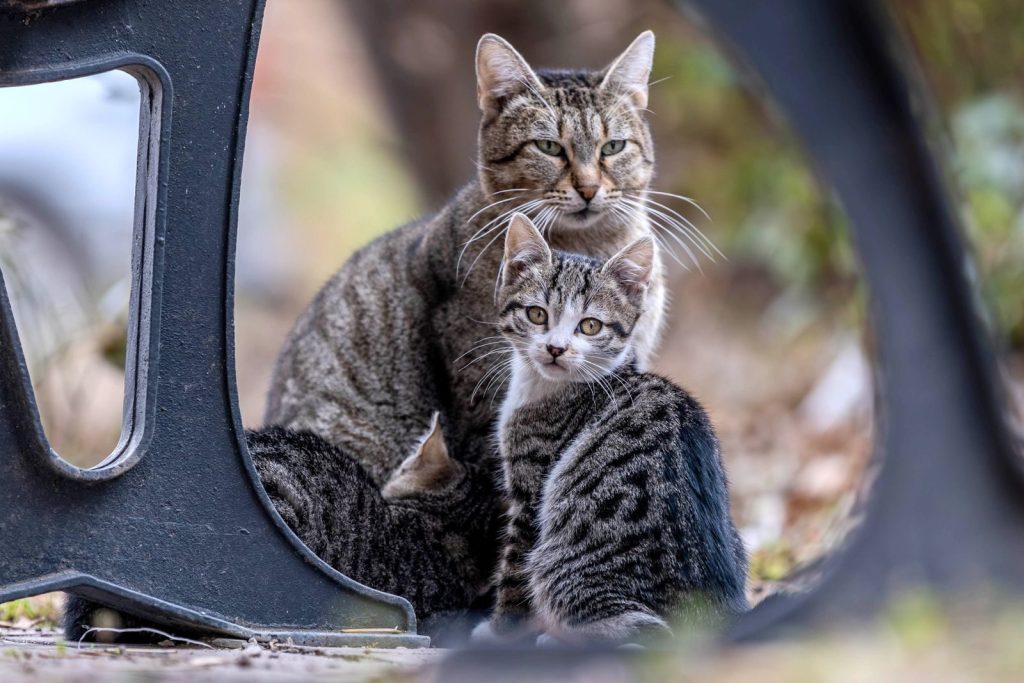
Observe from a hidden location for several hours when the kitten is warm, quiet and safe. Mother cats may leave temporarily to find food or wait for people to move away before returning.
Check for Immediate Danger

Intervene promptly when the kitten is injured, cold, soaked, surrounded by traffic, threatened by animals or trapped in a dangerous structure. Severe weather and active construction can also make waiting unsafe.
Warm the Kitten First

A chilled kitten should be warmed gradually before feeding. Very young kittens cannot control their body temperature effectively, and feeding a cold kitten can create serious medical complications.
Contact Experienced Help
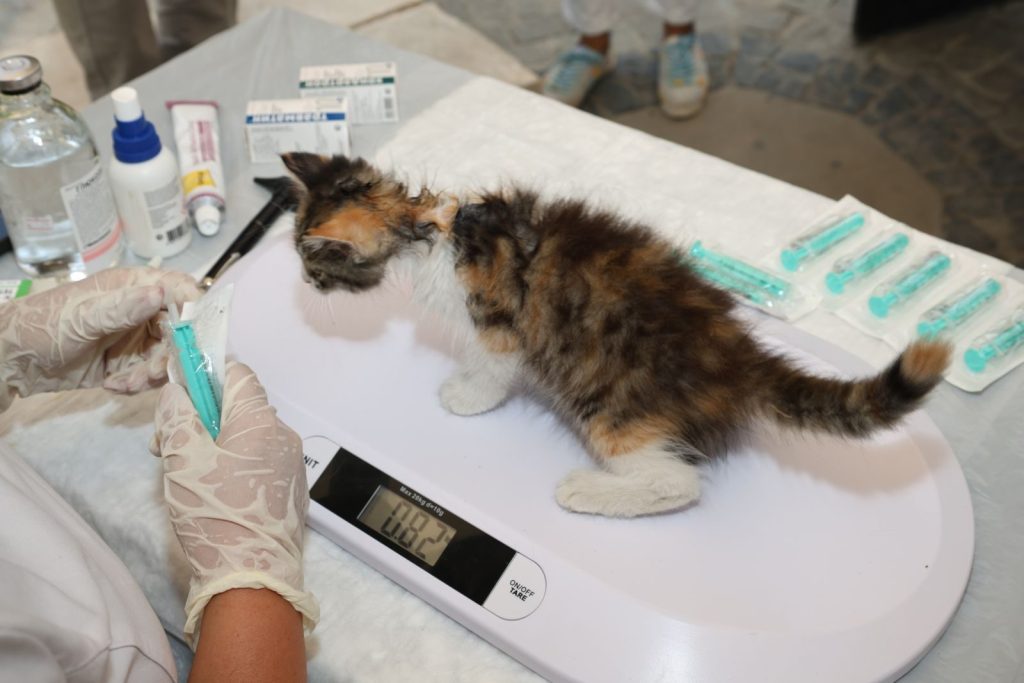
Call a veterinarian, animal shelter, foster network or kitten rescue for guidance. Experienced caregivers can help estimate age, evaluate urgency and explain whether the kitten requires bottle-feeding, emergency treatment or reunification with its mother.
Use Kitten Formula

Do not substitute ordinary cow’s milk for kitten milk replacer. Cow’s milk does not provide the correct nutrition and may cause digestive problems. A veterinarian or rescue can recommend an appropriate commercial formula.
Feed With Great Care

Ask an experienced caregiver to demonstrate safe bottle-feeding. Feeding too quickly or using an unsuitable technique can cause milk to enter the lungs, while an incorrectly sized nipple may prevent the kitten from receiving enough food.
Help With Elimination

Kittens younger than roughly four weeks may need gentle stimulation around the genital and anal area after feeding because they cannot reliably urinate or defecate without help. Use the method recommended by a veterinarian or rescue.
Arrange Ongoing Care

Record the kitten’s weight, feeding, urination and stool, and seek veterinary care for weakness, breathing difficulty, diarrhea, vomiting or refusal to eat. Neonatal kittens can decline rapidly, so early professional support matters.


