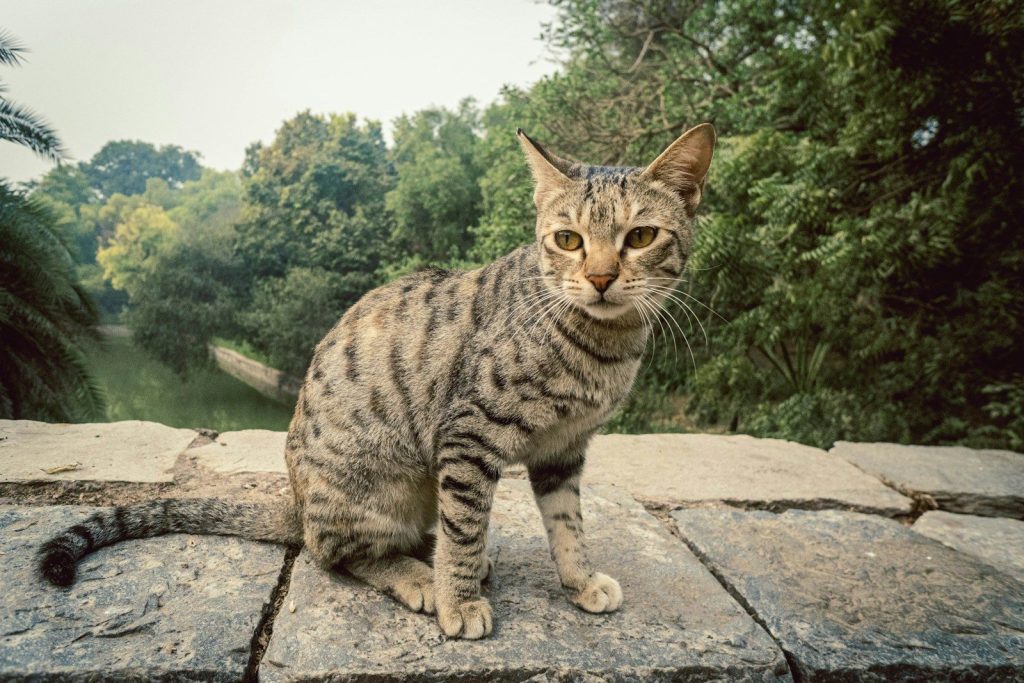

Fierce predators are usually expected to avoid human settlements entirely. We assume that humans actively domesticated cats just like we did with friendly dogs.
But new historical research points to a much more independent path. Your elegant little pet actually chose to domesticate themselves.
Tracking Ancient Grain Stores
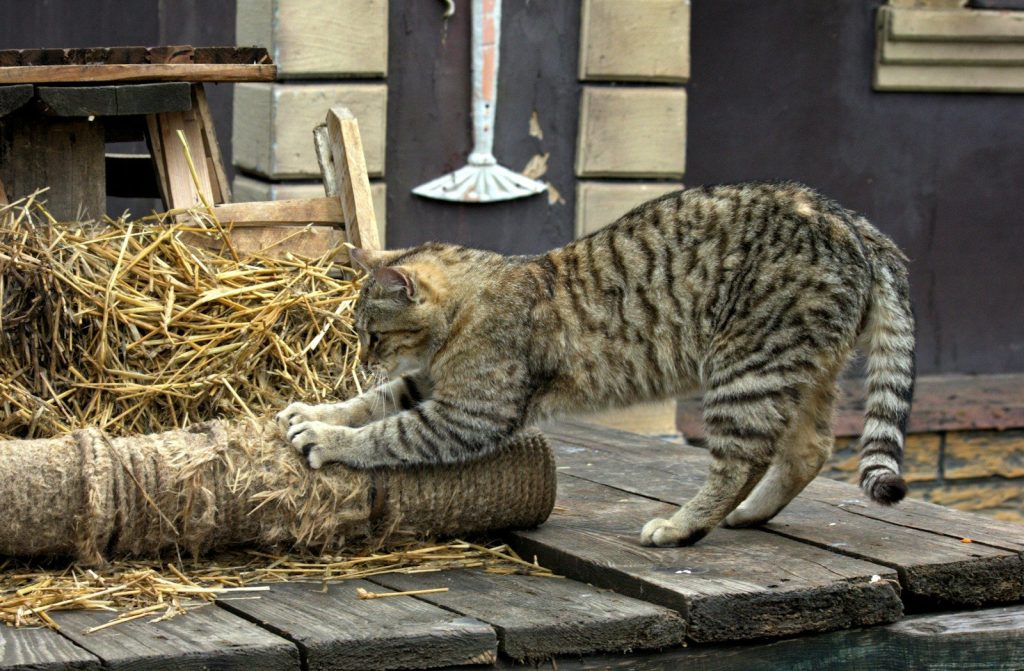
Thousands of years ago, humans began forming early agricultural communities. Agriculture changed everything. According to reports from the Smithsonian Institution, these large grain piles quickly attracted massive numbers of wild mice. This sudden rodent boom created a perfect hunting ground for wild felines. However, this hunting invite was just the start of a deep friendship.
Protecting Early Farms Safely
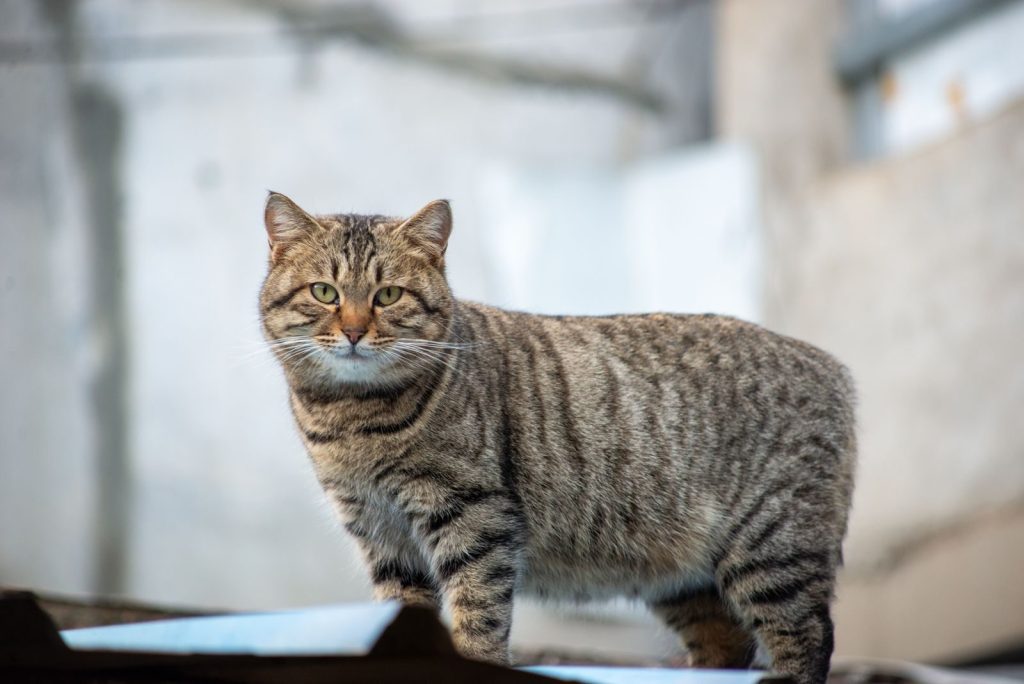
Ancient farmers welcomed felines for their unmatched pest control skills. They were helpful. According to the Library of Congress, early civilizations realized that having felines around protected their precious winter food supply. This mutual benefit created a strong unspoken agreement between humans and wild felines. But this helpful partnership soon moved much closer to the hearth.
Adapting To Human Environments
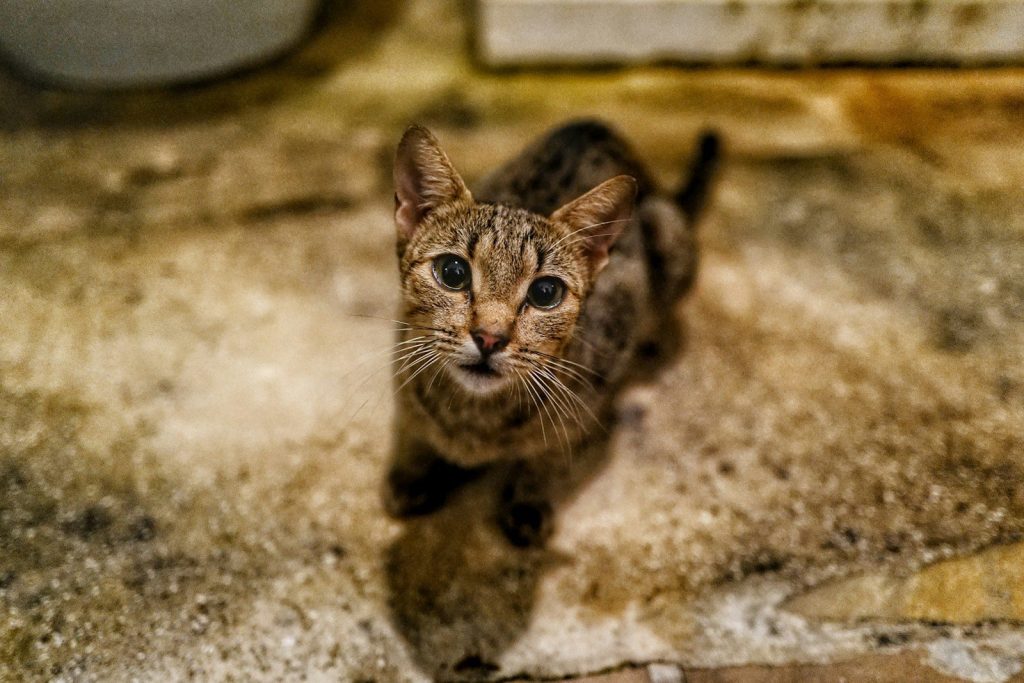
Felines had to change their wild habits to live near busy villages. Behavior shifted slowly. According to studies from the University of Oxford, felines developed softer vocalizations specifically to communicate with humans. This unique vocal shift helped them secure extra food and shelter from kind villagers. Yet their global journey was about to take a massive leap.
Traveling On Ancient Ships
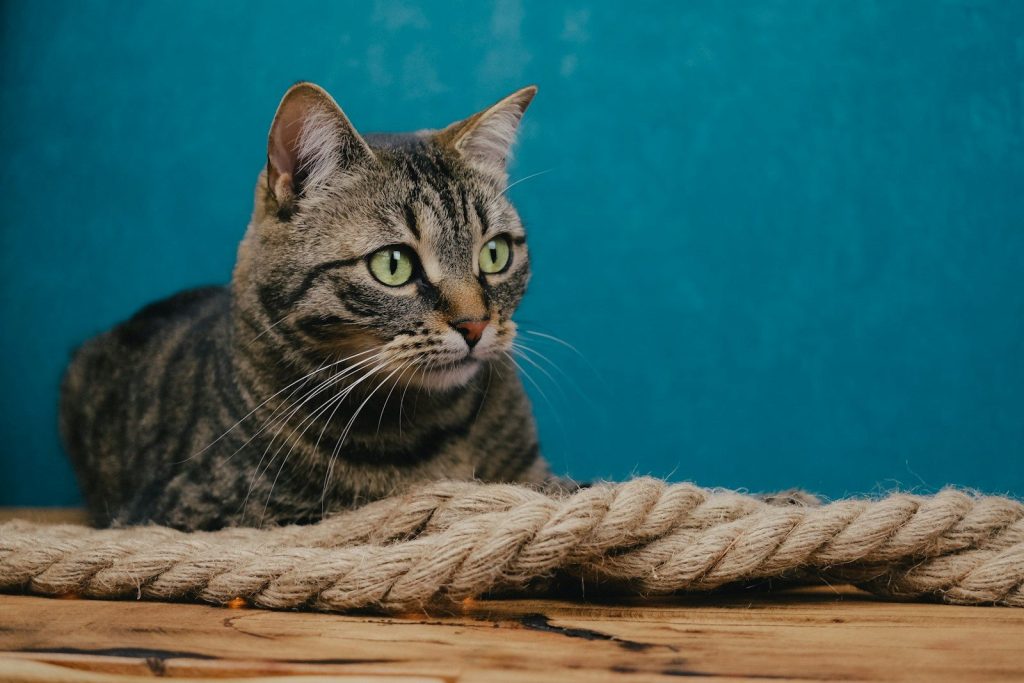
Bold felines relied on their sharp hunting skills to protect early ocean voyages. Felines loved travel. According to the American Museum of Natural History, ship cats traveled along major trade routes to protect valuable cargo from nesting rodents. This constant travel helped felines spread across every major continent. But one specific region welcomed them with unique honor.
Earning Royal Egyptian Status
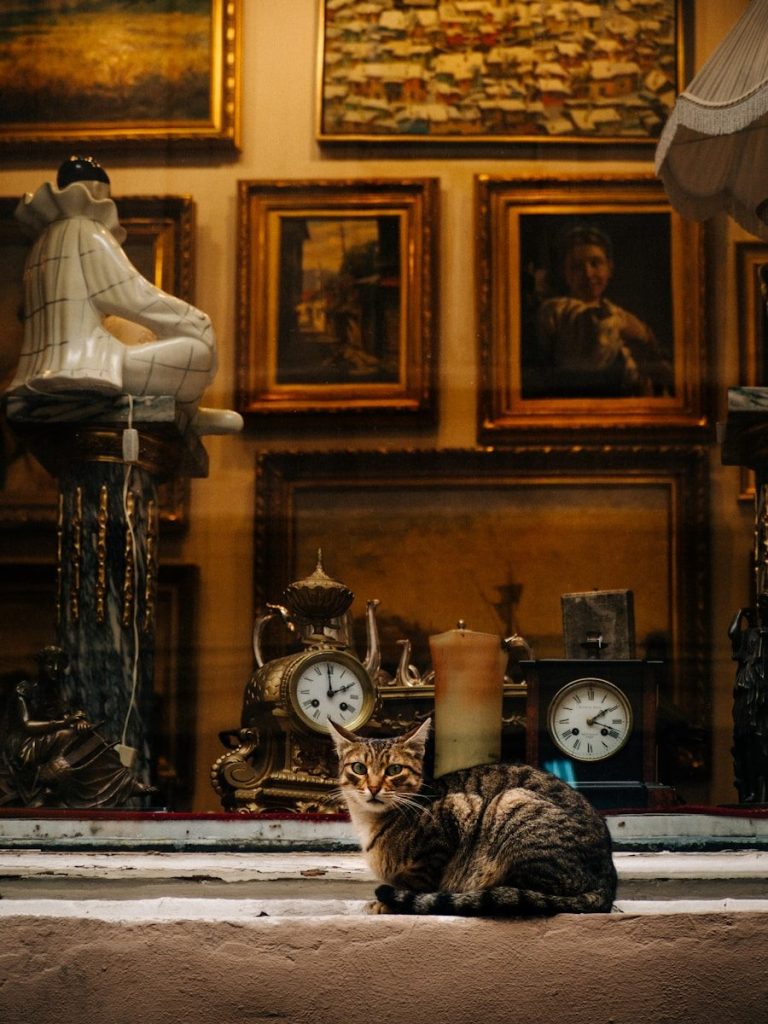
People in ancient Egypt elevated felines to a highly respected place in society. Felines were sacred. According to reports from the British Museum, harming a feline carried severe legal penalties during this prosperous era. Felines were pampered like royalty and even preserved with great care. However, their physical evolution took an even more surprising path.
Keeping Their Wild Instincts
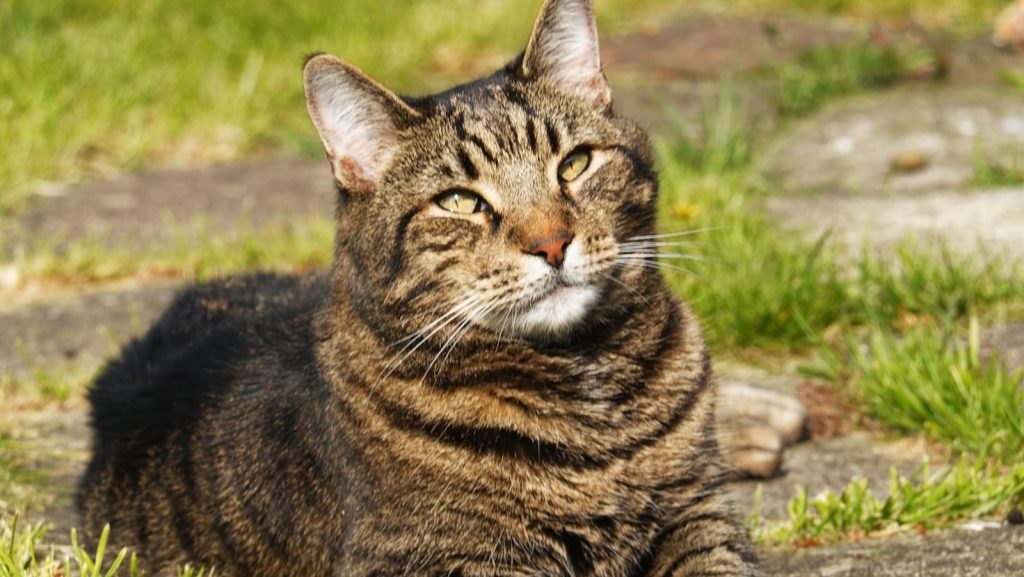
Modern domestic felines still share a massive amount of DNA with wildcats. Felines remain wild. According to studies from the University of California, domestic felines have undergone very few physical changes compared to other domesticated animals. This explains why your sweet pet still possesses incredibly sharp hunting drives. But this raw instinct also comes with a deep social capacity.
Bonding With Modern Families
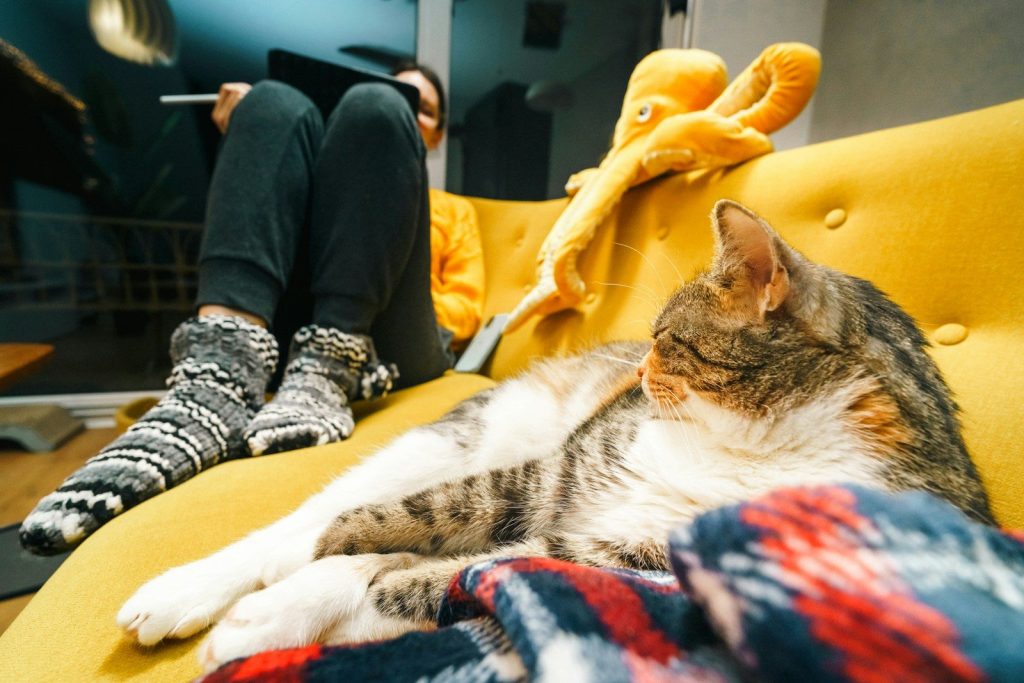
Despite their independent nature, felines form deep emotional attachments with their owners. Trust is earned. According to reports from Oregon State University, cats show secure attachment patterns to their caretakers that mirror dogs and human felines. This secure bond shows they view us as family. Fortunately, this beautiful ancient history lives on in your living room.
Loving Your Little Tiger
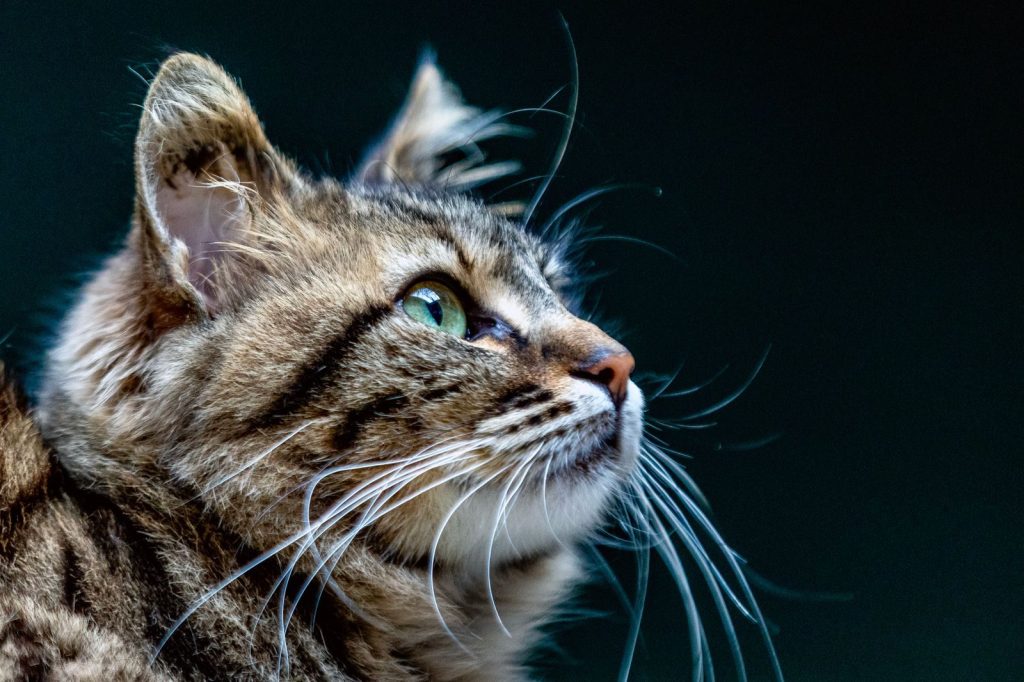
Your house cat is a living link to a glorious ancient past. Cherish their wild heart. According to the Cornell Feline Health Center, understanding feline history helps us provide a much happier home environment. This article is for informational purposes only.
Featured Image: Photo by Dewang Gupta on Unsplash