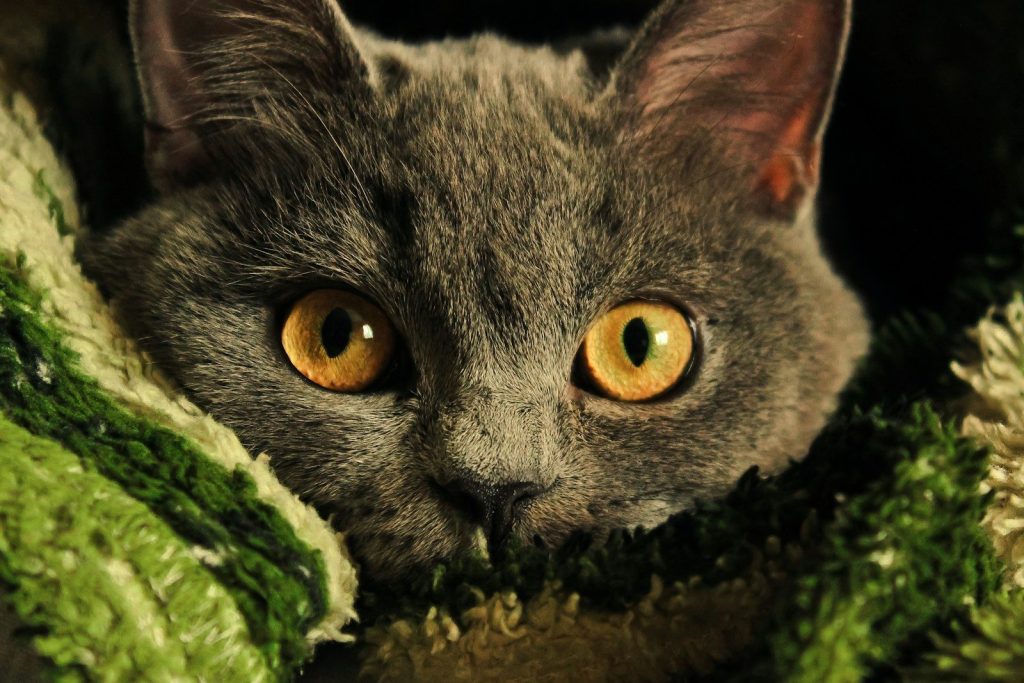

Longhaired cats require regular brushing to keep their beautiful coats healthy. We expect our felines to naturally enjoy these comforting daily grooming sessions.
But many sensitive pets panic when they see a comb. This common struggle requires a gentle approach to prevent unnecessary stress.
Understanding Feline Touch Sensitivity
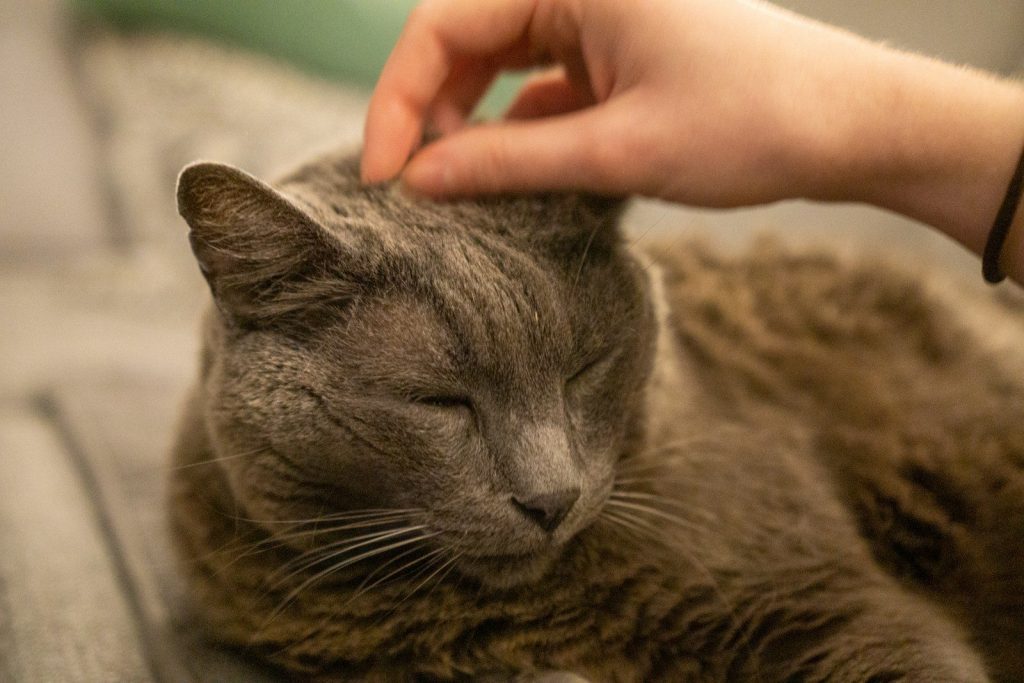
Certain areas on a feline body are incredibly sensitive to touch. They feel vulnerable. According to the Cornell Feline Health Center, brushing the belly or legs can trigger a natural defense reaction. This fear can cause a peaceful pet to swipe or run away in distress. But understanding these triggers is only the first step toward a calm session.
Choosing The Right Grooming Tools
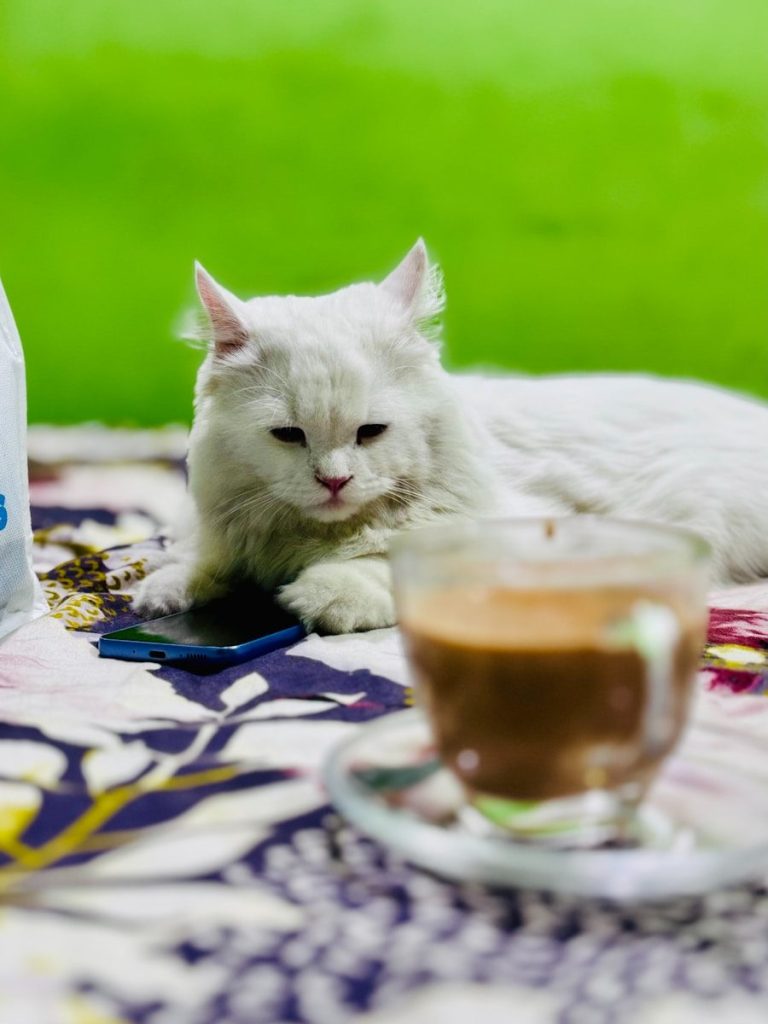
Using the wrong brush can pull painfully on delicate skin. Comfort is everything. According to reports from the ASPCA, wide steel combs and soft slicker brushes work best for thick coats. These tools slide through minor furballs without scratching the sensitive skin beneath. However, introducing these tools to your pet requires a very specific trick.
Creating A Safe Grooming Space
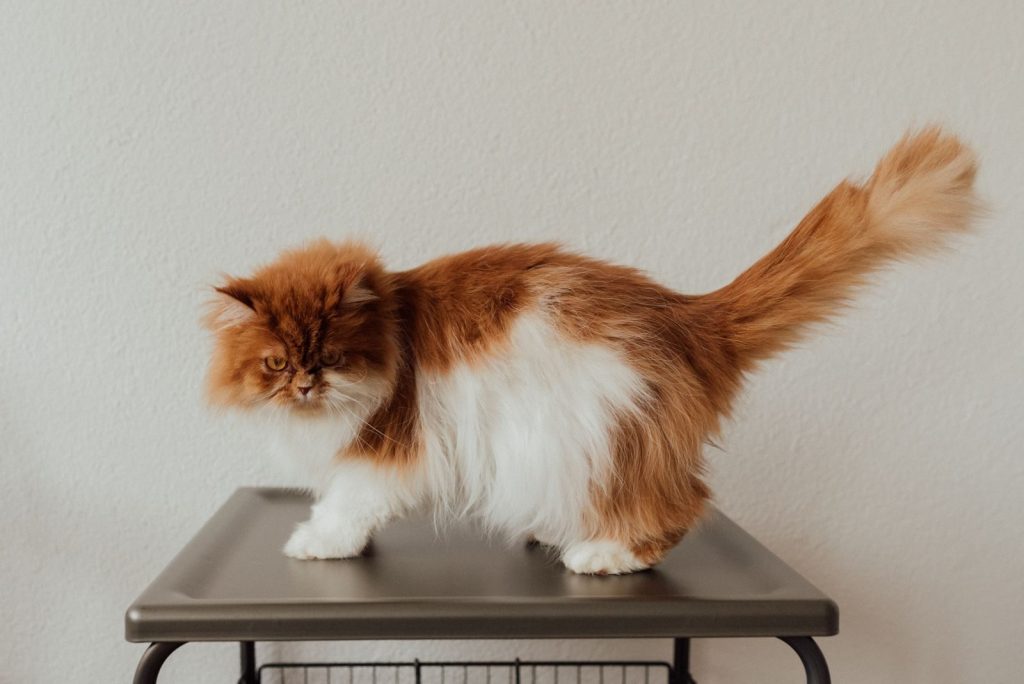
A quiet environment helps keep your pet relaxed during brush day. Peace is necessary. According to the American Association of Feline Practitioners, setting up a grooming table in a familiar room reduces environmental anxiety. This dedicated space helps the cat associate grooming with quiet bonding time. Yet even a calm space needs some extra positive reinforcement.
sing Smart Treat Distractions
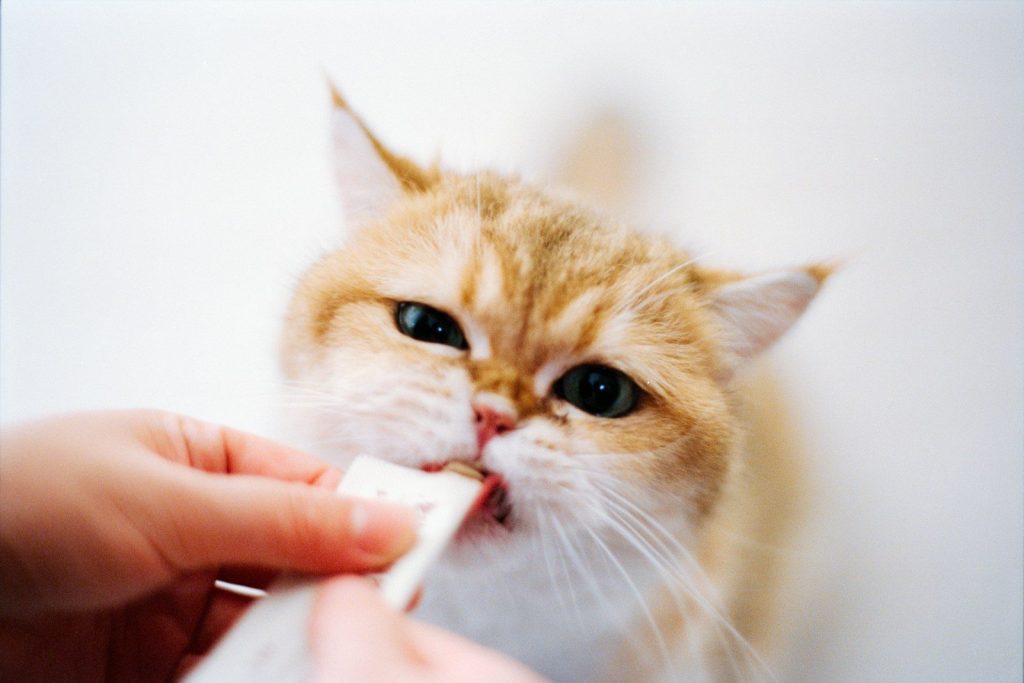
Yummy treats can completely change how a cat views grooming. Rewards build trust. According to the San Diego Humane Society, offering lickable treats during brushing creates positive associations with the comb. This simple distraction keeps their mind busy while you work on minor tangles. But managing tough mats requires a completely different approach.
Handling Difficult Hair Mats
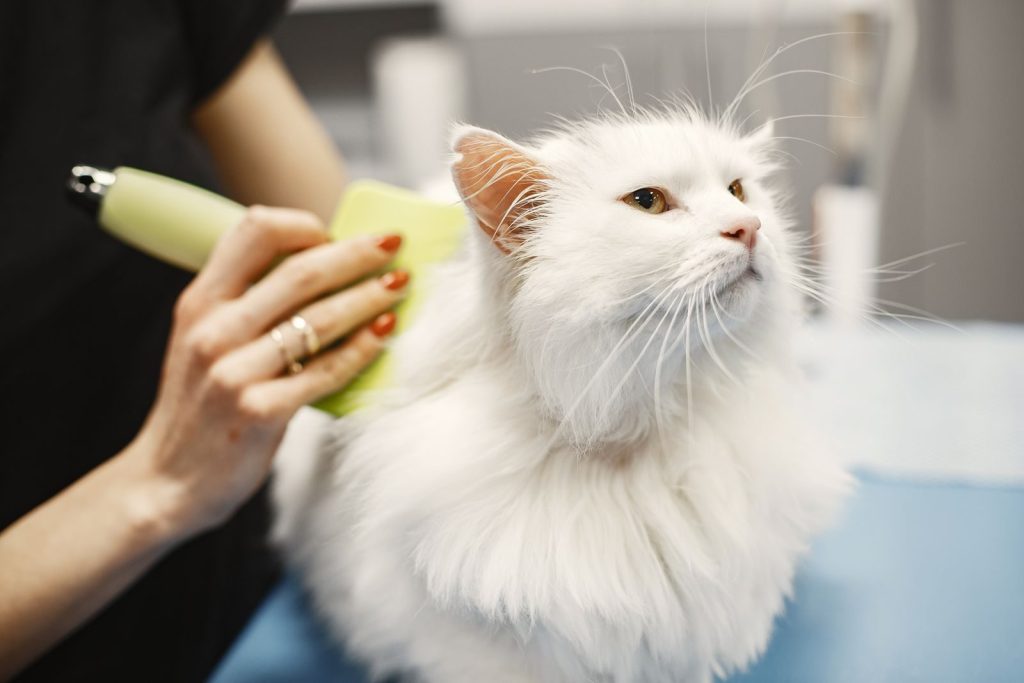
Pulling directly on a stubborn mat can cause immediate pain. Patience is vital. According to the American Veterinary Medical Association, owners should use cornstarch to help loosen stubborn hair clumps gently. This clever trick helps separate the hairs without tugging on the skin. But some difficult situations might still require professional help.
Knowing When To Stop
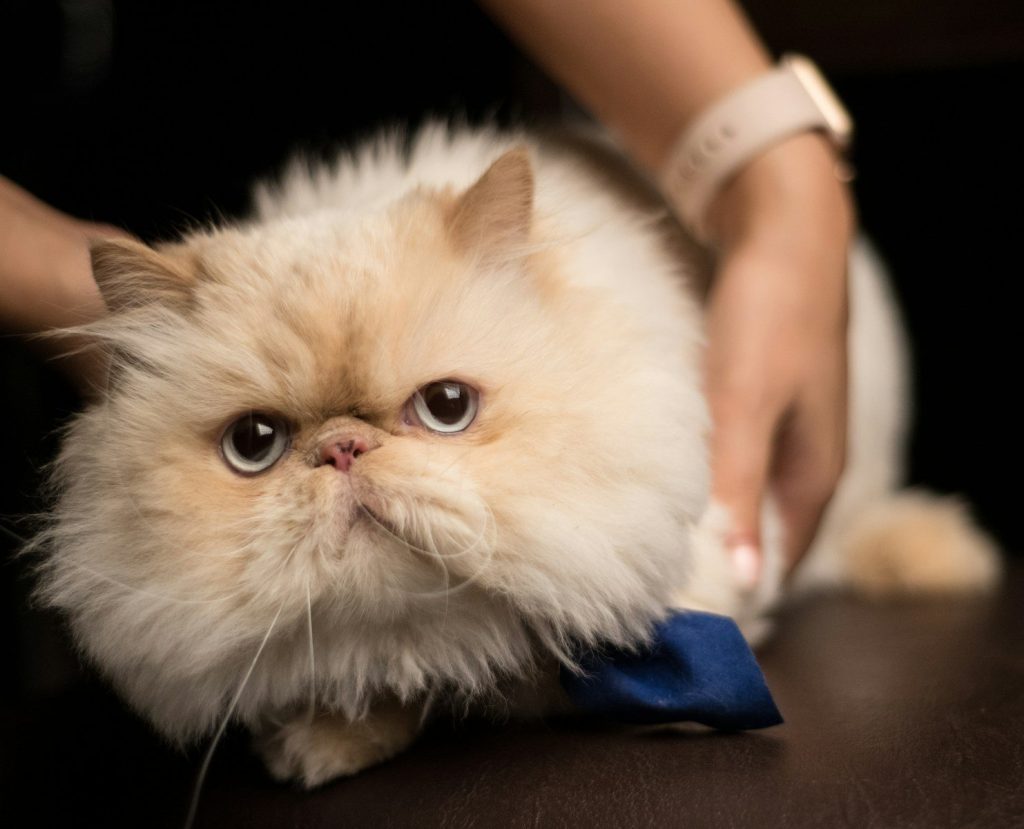
Forcing a pet through a long session can damage your bond. Keep sessions short. According to guidelines from the Oregon State University Veterinary Hospital, stopping before your cat gets agitated ensures a better experience next time. You want to end on a positive note. Fortunately, consistency will eventually lead to a beautiful result.
Celebrating Grooming Success
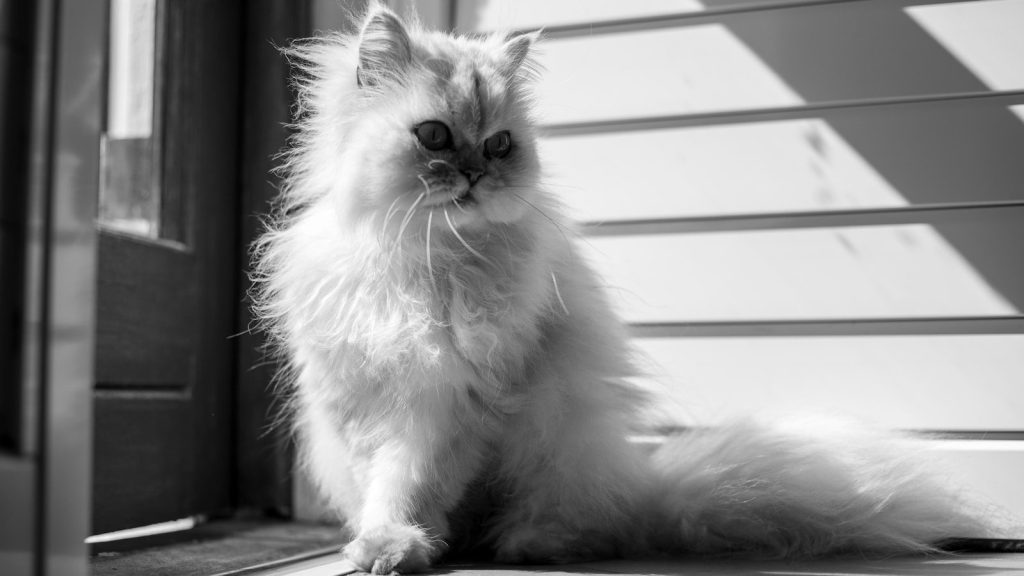
With enough time and patience, your nervous cat can learn to love grooming. This journey strengthens your friendship. According to the American Veterinary Medical Association, gentle grooming routines support overall pet health. Enjoy these quiet moments together. This article is for informational purposes only and does not constitute veterinary advice.
Featured Image: Photo by Artem Kniaz on Unsplash