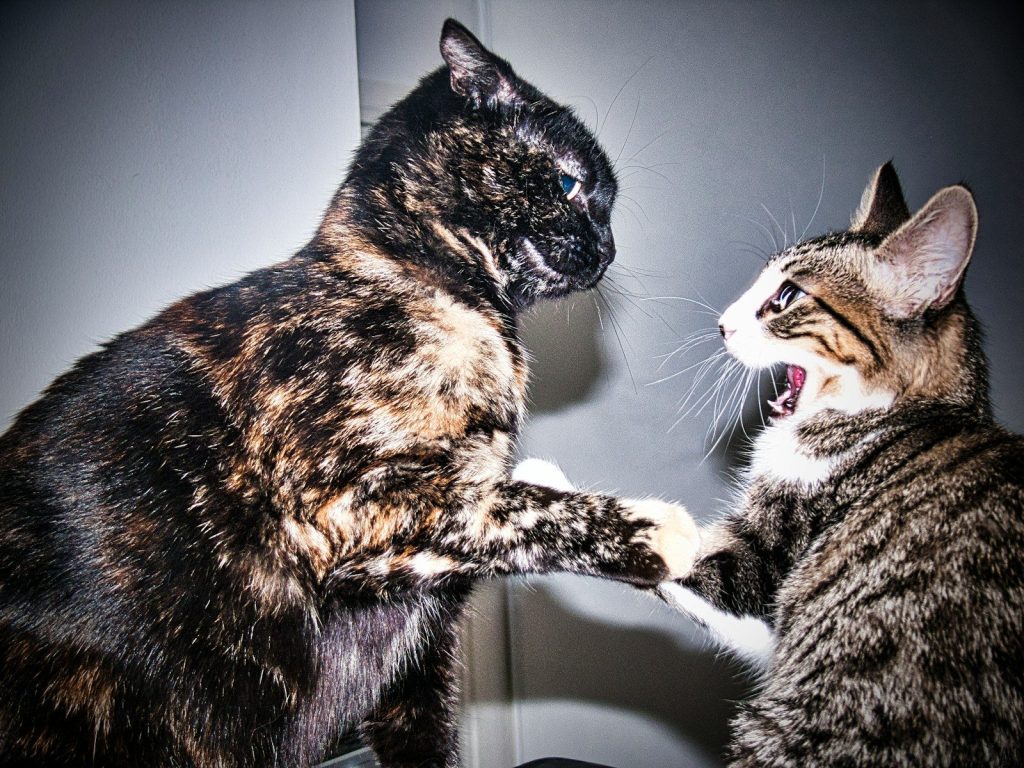

You might hear your felines hiss or growl when they disagree. But most of their daily conversations happen in absolute silence through tiny body adjustments.
Feline behaviorists reveal that household cats constantly send silent messages to one another. Understanding these invisible signals can help you prevent quiet tension in your home.
The secret language of slow ear twitches
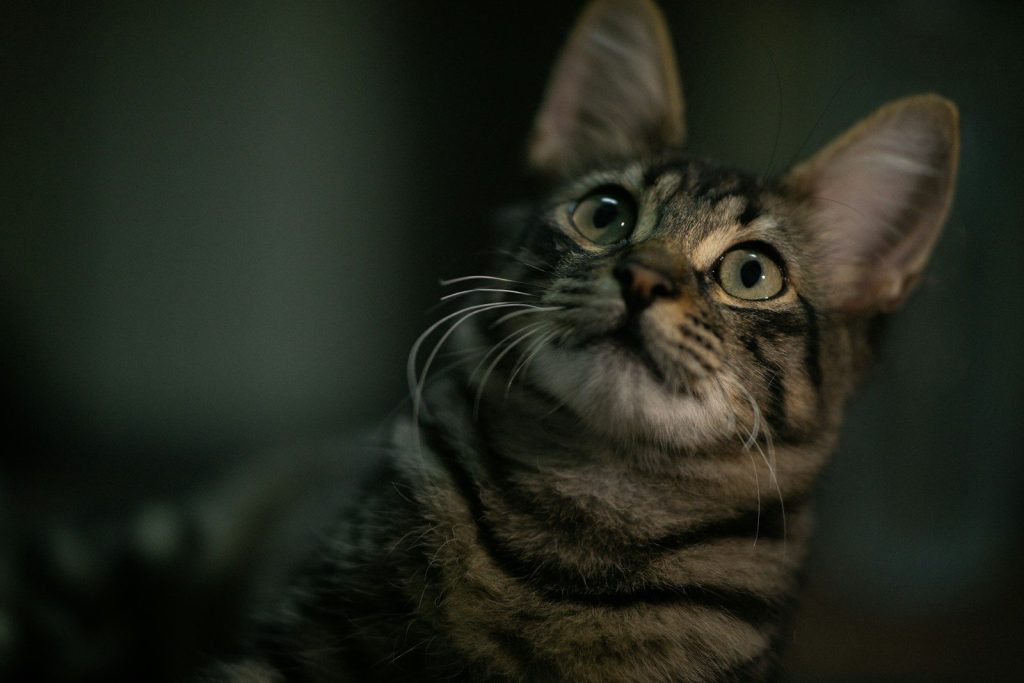
A cat can move their ears independently using thirty-two separate muscles. When two felines interact, their ear positions convey instant mood shifts. Forward ears show curiosity, while ears flattened sideways signal a clear warning to back away. According to the ASPCA, subtle ear signals are highly effective at preventing physical fights. But their tails tell an even more dramatic story.
Tail movements speak volumes in silent chats
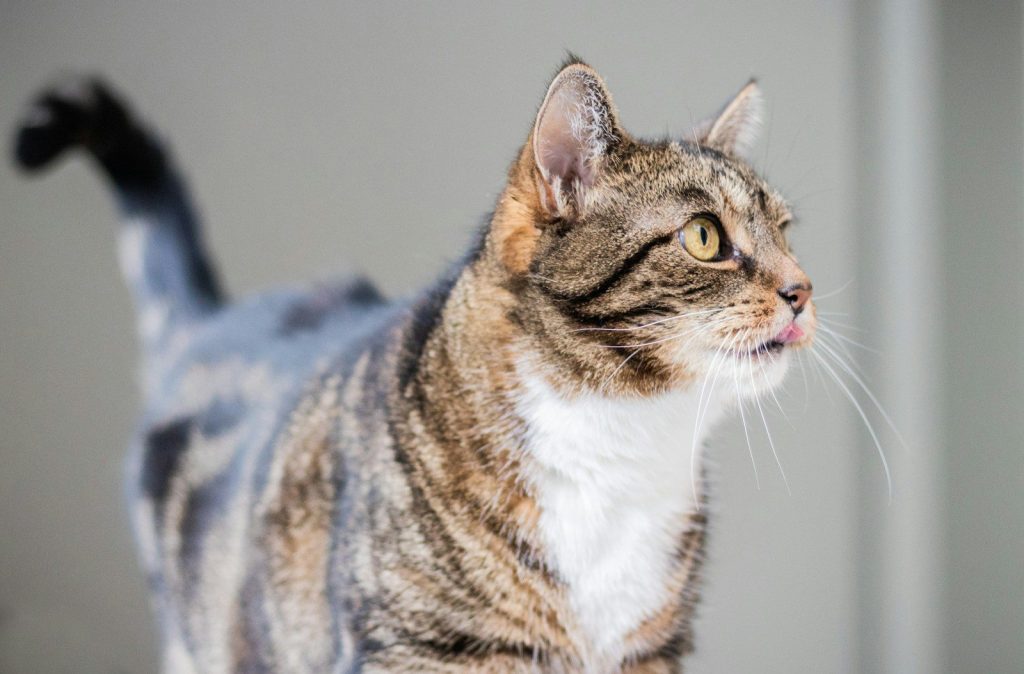
A high upright tail acts like a warm welcome sign between friendly felines. However, a tail that twitches sharply at the tip means a cat is growing highly irritated. The other animal reads this movement instantly and decides whether to engage or retreat. But felines also use their faces to send a very unexpected signal.
The slow blink acts as a peaceful truce
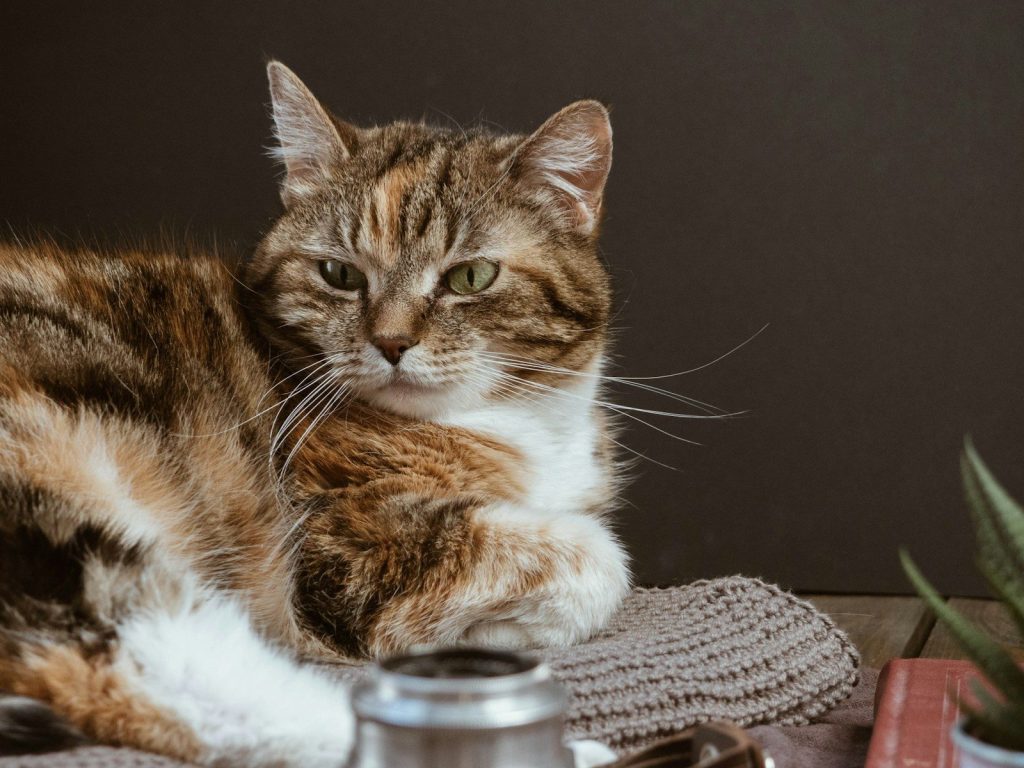
Staring is a sign of direct threat in the animal kingdom. When one cat blinks slowly at another, they are demonstrating peaceful intentions. This simple facial movement helps lower group anxiety in multi-pet households. Yet the most powerful silent messages are actually painted on the walls of your home.
Scent marking is the ultimate chemical post office
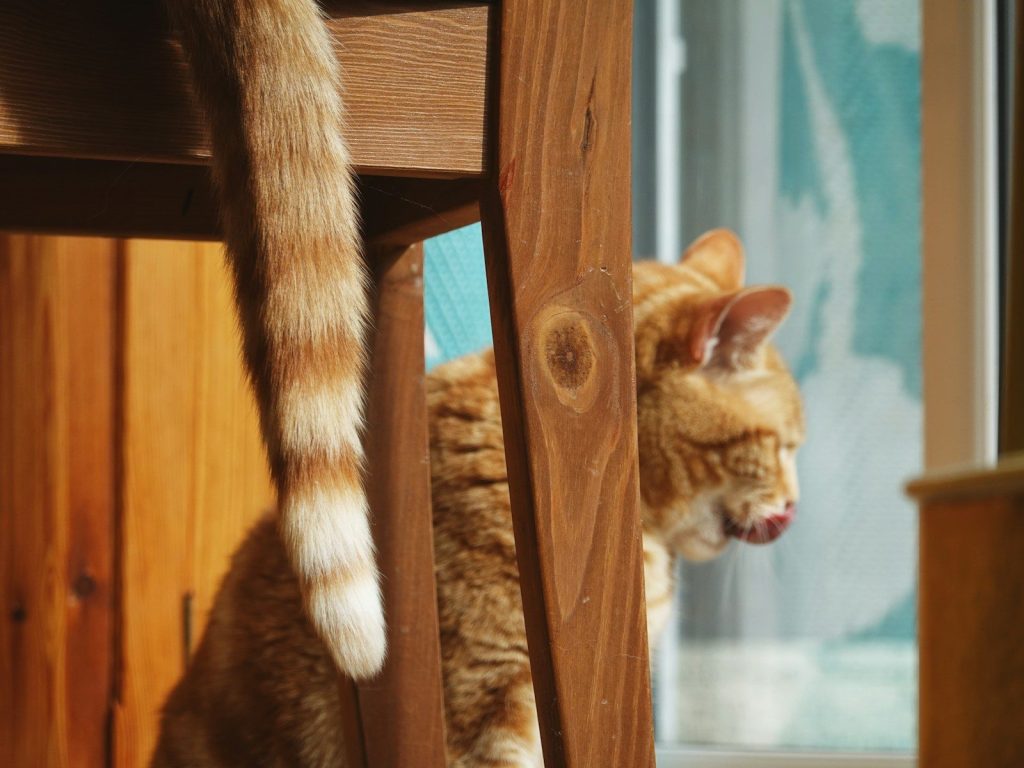
Felines rub their cheeks against furniture and doorframes to leave invisible scent markers. This chemical signal tells the other cat exactly when their roommate visited the area. It acts like a temporary bulletin board that updates everyone on territorial boundaries. But sometimes felines use their entire body posture to claim a room.
Silent blocks are a hidden form of bullying
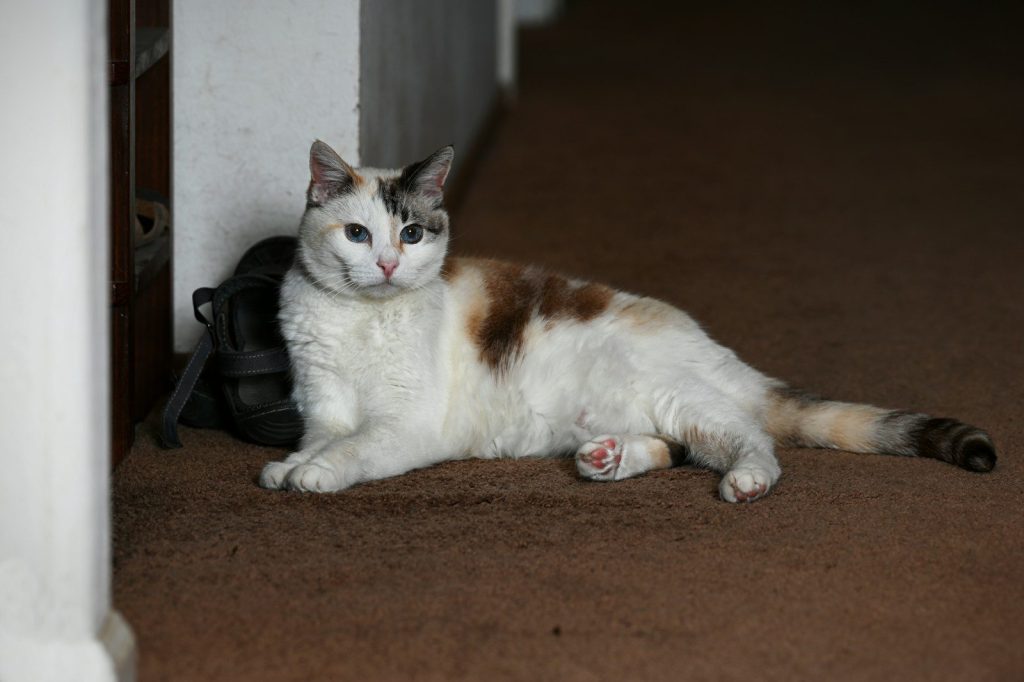
One cat might simply sit in a hallway to prevent another from passing. To humans, it looks like a peaceful nap on the rug. But feline behaviorists at the Cornell Feline Health Center note this is active territorial defense. This quiet behavior can cause massive stress to a submissive pet if left unchecked. So how can you help them communicate better?
Setting up multiple resources reduces silent competition

Double the number of water bowls and litter boxes in different rooms to eliminate blocking points. When resources are plentiful, the need for silent defensive posturing disappears completely. Your cats will start sharing space with a new sense of security and peace. But how do you know if they have officially become friends?
Peaceful grooming sessions show ultimate feline harmony
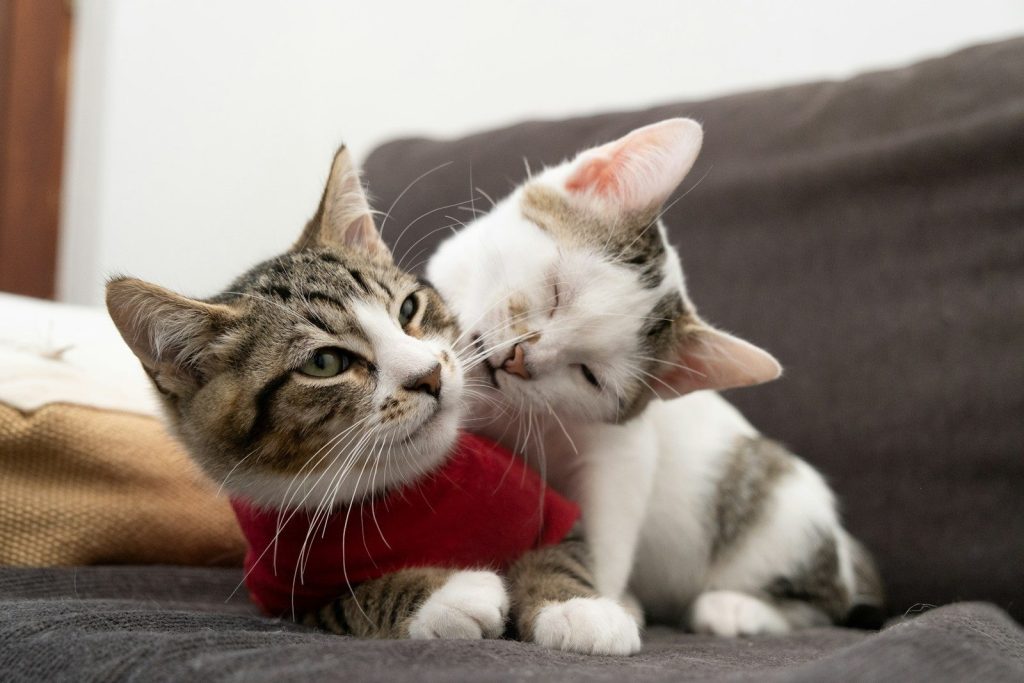
When felines lick each other’s heads, they are creating a shared group scent. This beautiful behavior proves they view each other as trusted family members. This article is for informational purposes only and does not constitute veterinary advice. Watching your pets live in silent harmony is a true joy for any owner.
Featured Image: Photo by Pierre Bernard on Unsplash