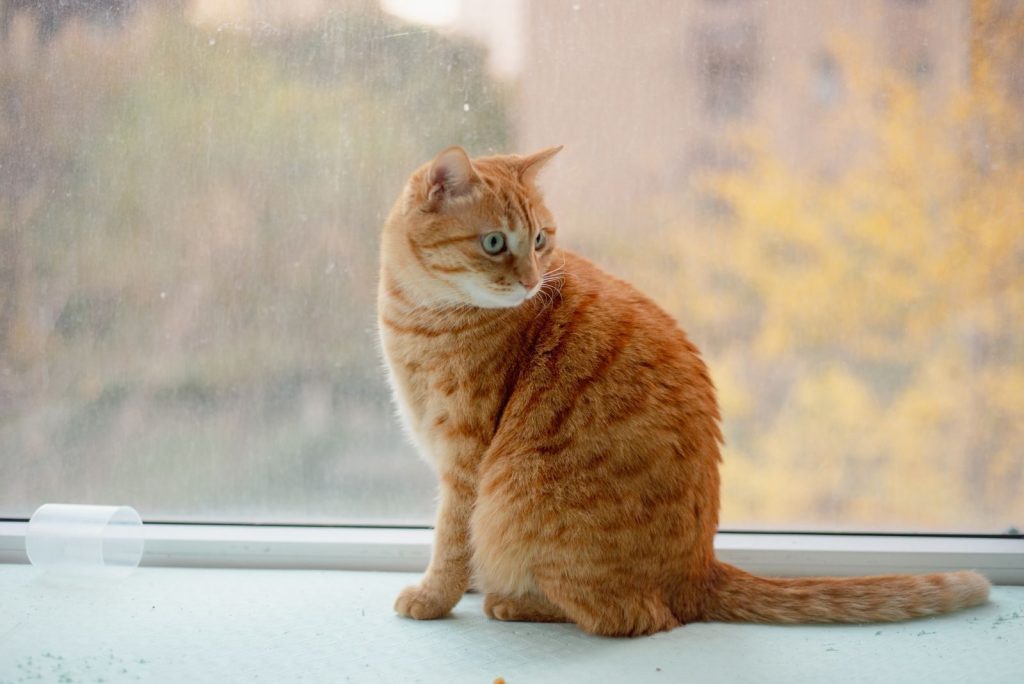

Orange cats are famous for their bold personalities, wild antics, and loving traits. But beneath that bright coat lies a series of surprising genetic wonders.
Science reveals that these ginger felines are physically different from other domestic cats. Here are the real biological secrets that make your orange pet so special.
The powerful genetic link to the male gender
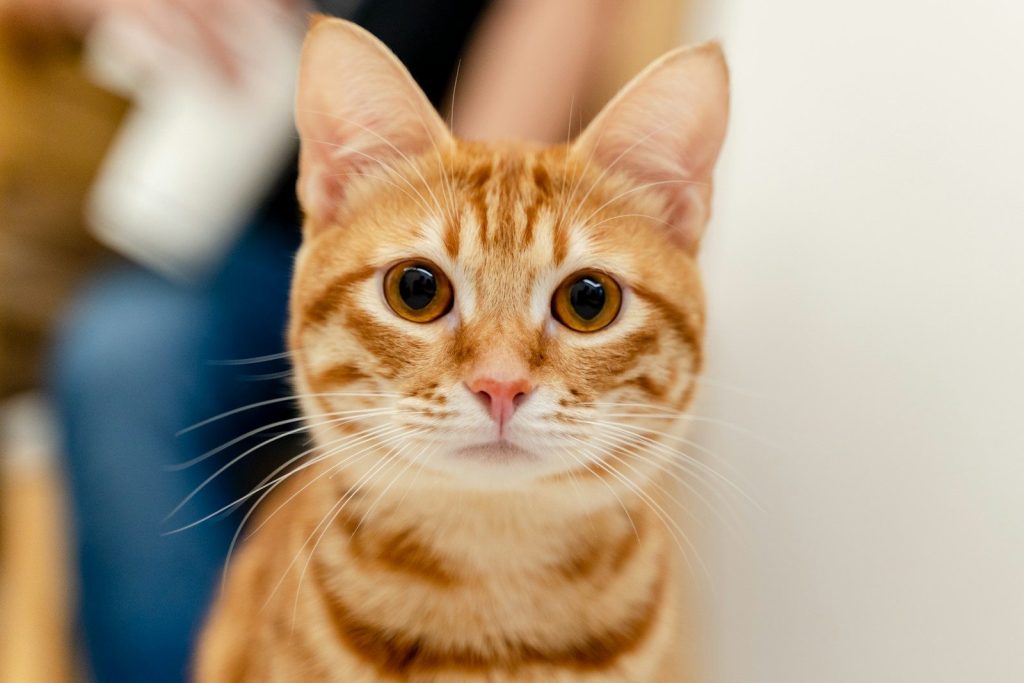
Roughly eighty percent of all orange cats are male. This imbalance happens because the gene responsible for the orange coat sits directly on the X chromosome. According to studies from the Cat Fanciers Association, a female cat needs two copies of this gene to turn ginger, while a male only needs one. But wait, did you know their coat pattern has a secret letter?
The mysterious forehead mark of the tabby
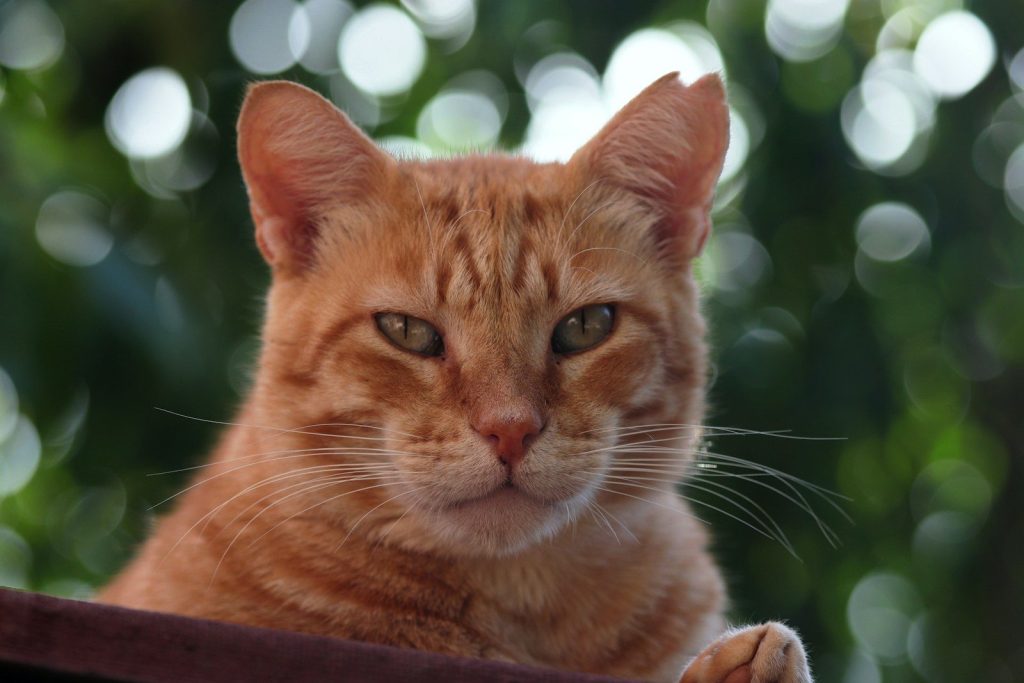
Every single orange cat has a clear mark on their forehead that looks like the letter M. This distinct pattern is part of its ancient tabby genetics and cannot be bred out. Old legends offer beautiful stories about this mark, but biology shows it is simply a natural part of their camouflage. Yet their skin hides another surprising physical feature.
Developing adorable black freckles over time
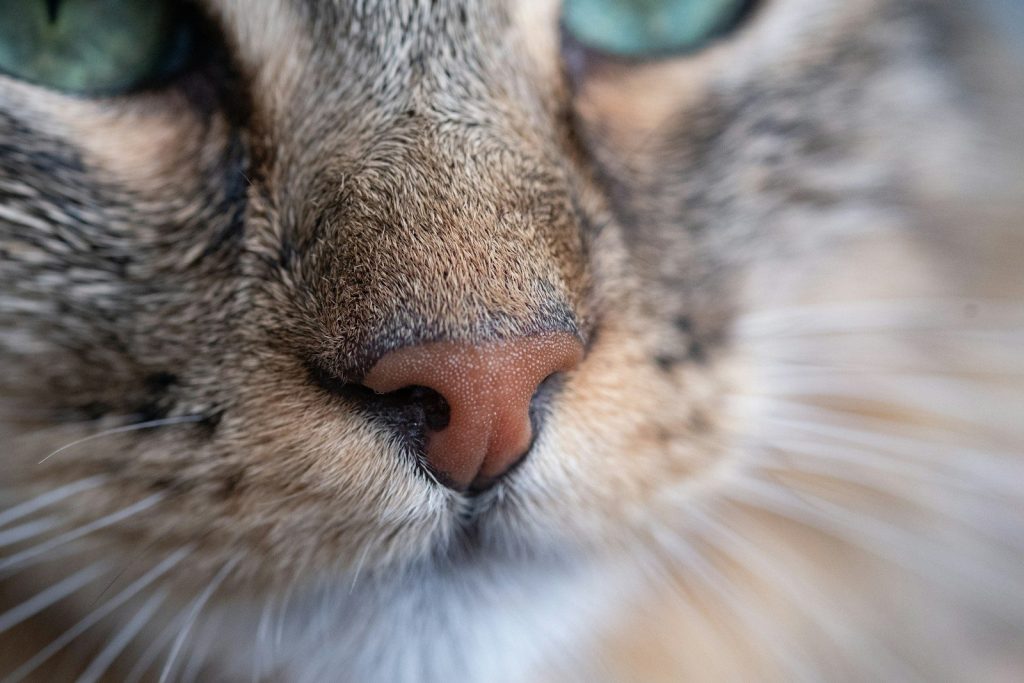
Many orange cats develop dark freckles on their noses and gums as they age. This harmless genetic condition is called lentigo and is common in ginger felines. These spots look like tiny ink drops but do not cause any physical discomfort to your pet. Still, you should monitor their skin health during annual veterinary exams.
Sharing pigment traits with red-headed humans
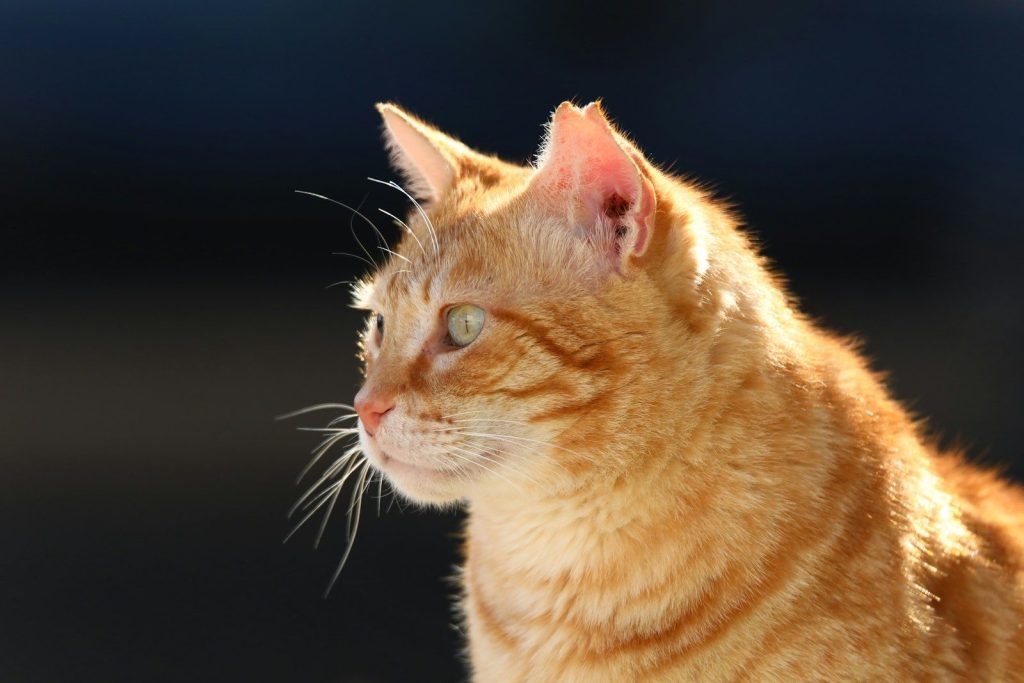
The pigment that gives these cats their bright fur is called pheomelanin. This is the exact same chemical pigment that produces red hair in human beings. It is a rare genetic trait in the wider animal kingdom that creates their stunning ginger appearance. However, their distinct chemistry may also influence how they handle physical pain.
A surprising connection to bold personality traits
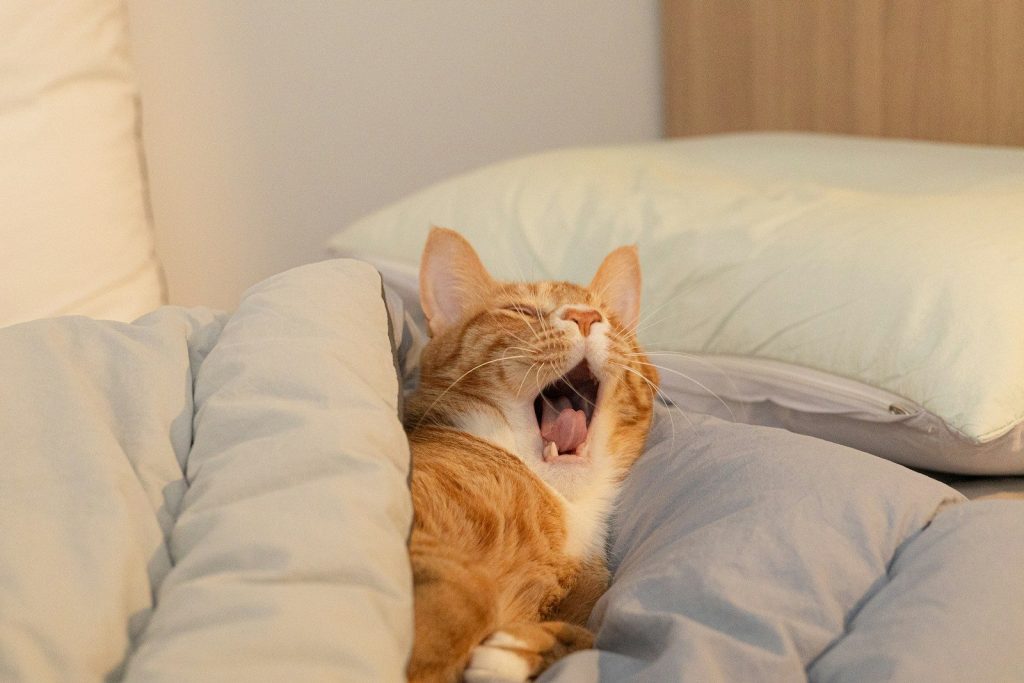
Many owners claim that orange cats are more vocal and outgoing than other felines. While scientists are still studying the exact link between coat color and behavior, genetic pathways often overlap in unexpected ways. Their confident attitude makes them excellent companions who love to chat with their owners. But their high energy can sometimes lead to dietary issues.
Monitoring their weight for optimal health
Orange males have a natural tendency to love food and gain weight quickly. The American Veterinary Medical Association emphasizes that keeping your pet at a healthy weight prevents joint pain and diabetes later in life. Interactive puzzle feeders can help slow down their eating habits and keep their active minds sharp. Fortunately, there is an easy way to build a lifelong bond.
Embracing their incredibly loving and loyal nature
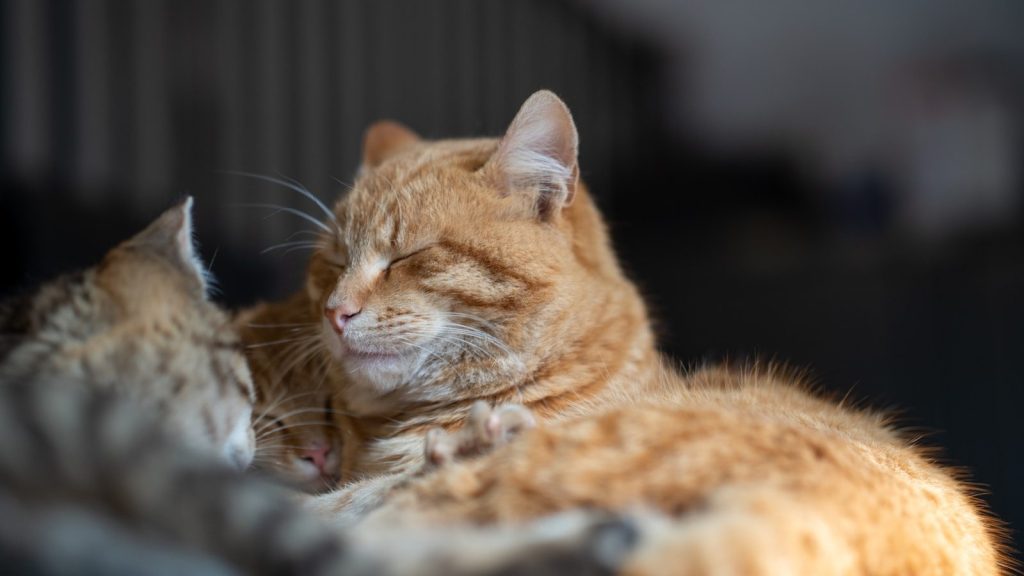
Ginger cats are famously affectionate companions who form deep bonds with their chosen humans. Providing them with regular play sessions and warm cozy spots will earn you their eternal devotion. This article is for informational purposes only and does not constitute veterinary advice. Enjoying their unique biological quirks is the true joy of owning an orange cat.