A family’s chance encounter with a stray kitten became a viral story in June 2026 after they shared the youngster’s unusually divided facial coloring online. Parade Pets reported that the family behind the @crys_wood account found the kitten on the street and immediately became attached to her. Her face appeared dramatically split between darker and orange-toned areas, giving her a memorable tortoiseshell or calico-style look. The striking pattern was real, but calling any such cat a genetic chimera based only on appearance would go beyond the evidence.
The family already had two cats and a French Bulldog, so keeping another animal was not practical despite their affection for the kitten. According to the report, a nearby neighbor agreed to adopt her, allowing the original family to continue seeing her while she gained a permanent home. The story also offers a useful genetics lesson. Sharp facial color divisions can emerge through ordinary coat-color development, especially in female tortoiseshell and calico cats, and a dramatic “split face” does not automatically make a kitten biologically rare or chimeric.
The Family Found Her Outside
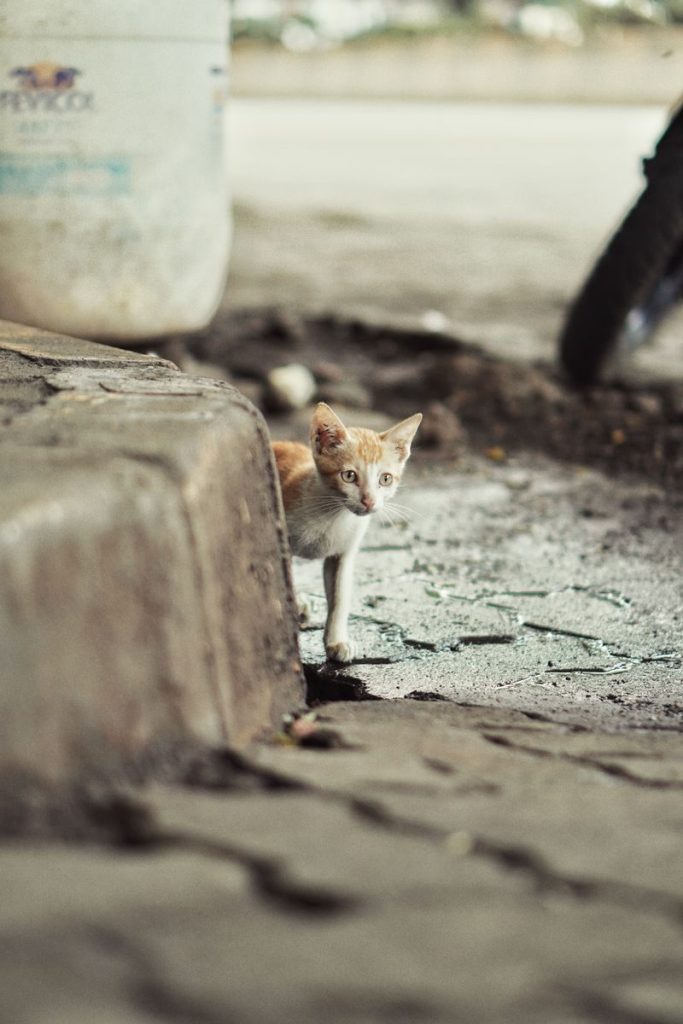
Parade Pets traced the story to a family using the @crys_wood social-media account. They reported finding the kitten on the street rather than purchasing her from a breeder or intentionally searching for an unusually patterned cat.
That chance discovery became the foundation of the viral story. The kitten’s appearance helped attract online attention, but the meaningful part was that she was removed from an uncertain street situation and connected with people who could arrange a safe home long term safely.
Her Face Drew Immediate Attention
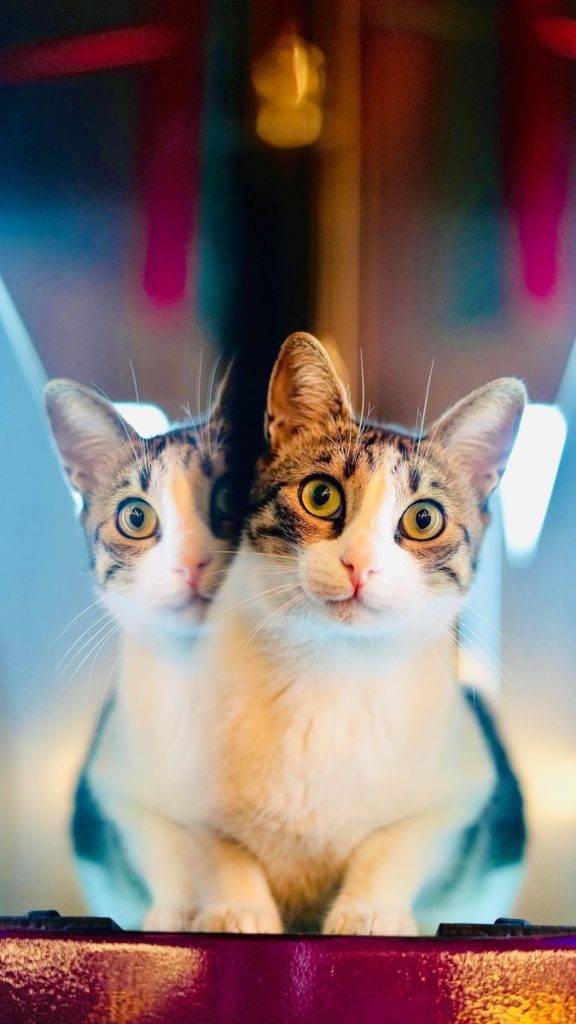
The kitten’s most noticeable feature was the sharp contrast across her face, with orange and darker fur creating the impression of two different halves. Patterns like this can look especially dramatic when a dividing line runs close to the center of the face.
Social media often labels such cats “split-face” kittens because the phrase describes the visual effect quickly. It is a descriptive nickname, not a veterinary diagnosis or breed name. The kitten’s coat can be appreciated without claiming that the pattern proves a rare medical or genetic condition.
The Finders Could Not Keep Her

The family reportedly fell for the kitten quickly, but they already shared their home with two cats and a French Bulldog. Adding another pet was not considered workable, so affection alone did not determine the final decision.
That is an important rescue lesson. Keeping every animal someone finds is not always the most responsible option if space, finances, existing pets, or household dynamics make another permanent addition difficult. Finding a suitable adopter can be a successful outcome too for everyone.
A Neighbor Offered Her a Home

According to Parade Pets, a kind neighbor agreed to take the kitten in. That arrangement meant she could gain a permanent household while remaining close enough for the family who found her to continue receiving updates and seeing her.
The report later reassured readers that the kitten was safe with her new family. No invented adoption drama is necessary to make the outcome satisfying. A street-found kitten was noticed, cared about, and placed with someone willing to provide an ongoing home.
Split Coloring Can Be Normal
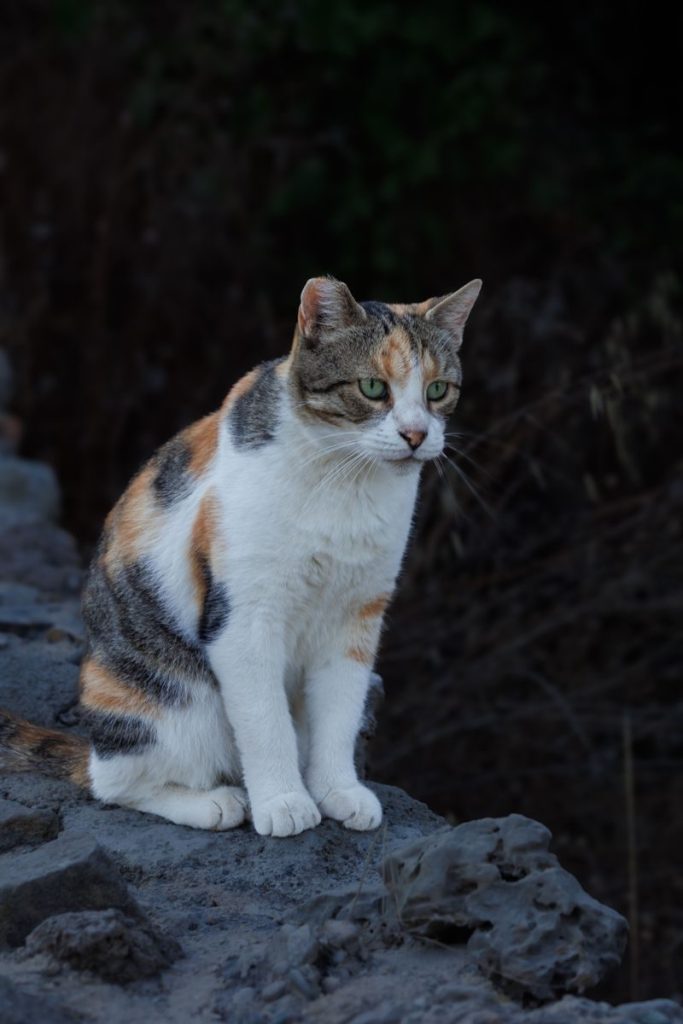
A face divided into orange and dark patches may look extraordinary, but sharp boundaries can occur naturally in tortoiseshell and calico coats. Domestic cats display a huge range of color patterns, and no two patch arrangements need to look alike.
UC Davis explains that coat color in calico-type cats can reflect X-chromosome inactivation, a normal developmental process that creates patches of cells expressing different color information. Random early events can therefore produce remarkably neat or irregular boundaries without requiring two embryos to have fused.
X Inactivation Creates Unique Patches
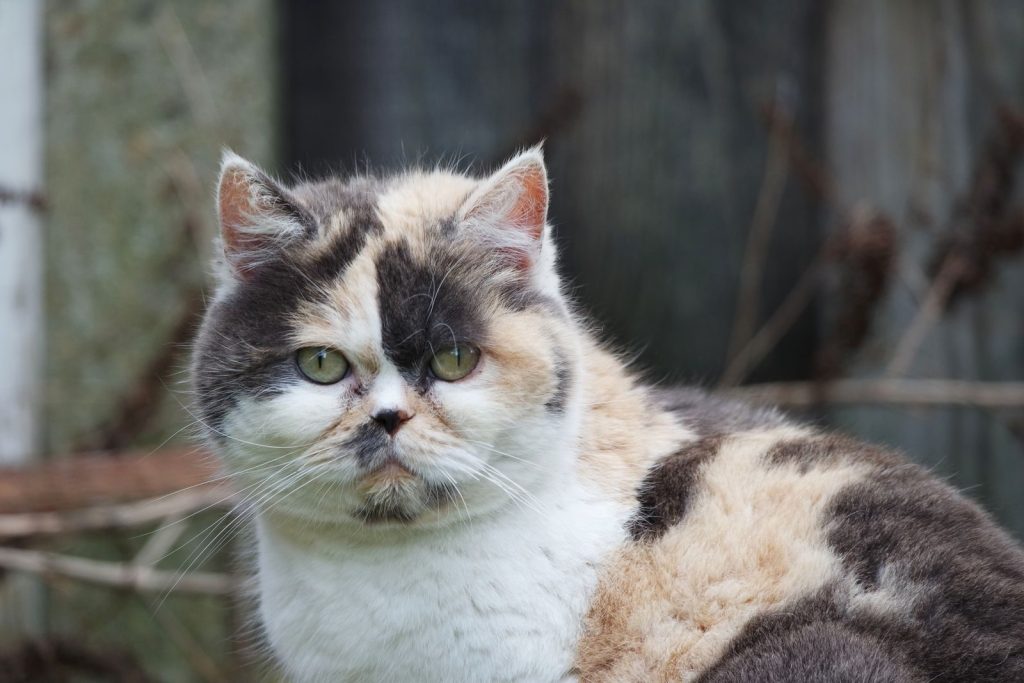
Female cats typically have two X chromosomes, and cells silence one X early in development. When different X chromosomes carry orange and non-orange color information, groups of cells can produce different pigments across the coat.
UC Davis notes that this random X-inactivation can create very different calico patterns even in cats with otherwise identical genetic information. That biological process helps explain why some faces appear almost artistically divided. The pattern may be unusual to look at, but variation itself is expected.
A Chimera Claim Needs Evidence

Online posts sometimes call every sharply divided cat a chimera, but appearance alone cannot establish that diagnosis. A chimera contains genetically distinct cell populations originating from more than one fertilized egg, which is different from ordinary X-inactivation.
Determining whether a particular cat is truly chimeric can require genetic testing from appropriate tissues. Without that evidence, the safest description is simply that the kitten has striking split-face coloring. Avoiding unsupported genetic claims keeps a cute rescue story accurate as well as engaging.
Rescue Cats Can Look Extraordinary
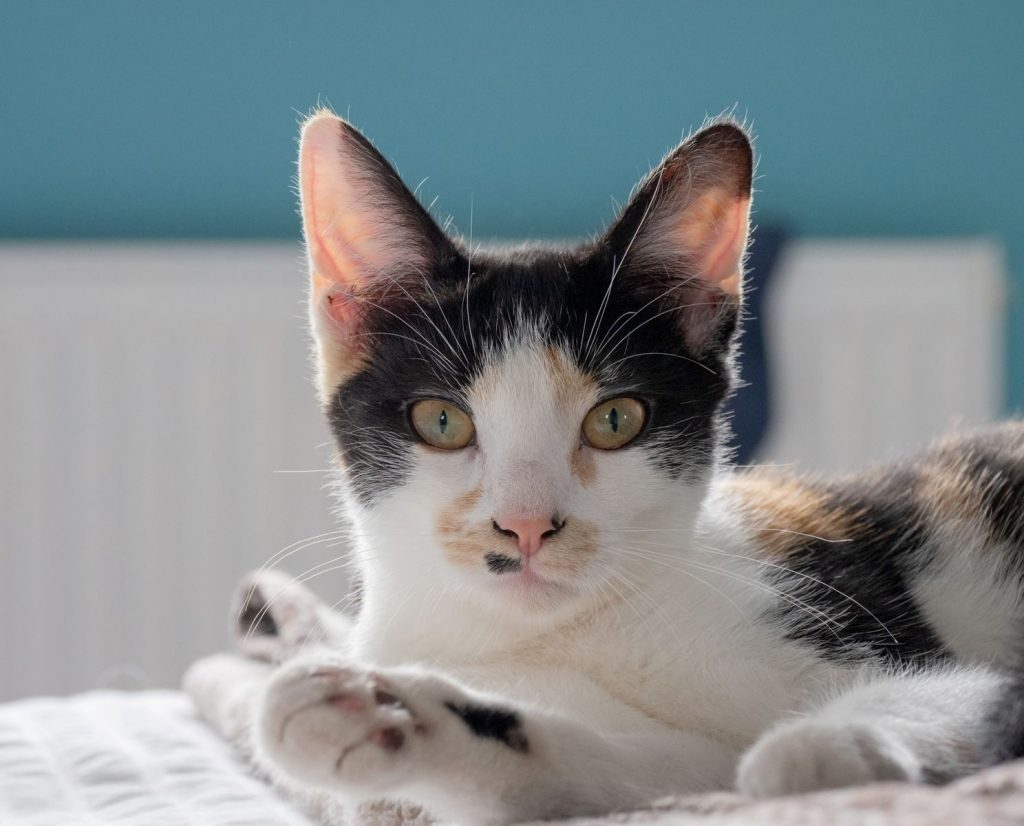
The story challenges the idea that unusual-looking cats are found only through specialized breeders. Shelters, rescues, community-cat programs, and neighborhood streets can all include animals with memorable colors, patterns, eye colors, coat lengths, or body types.
Appearance can attract attention, but adoption decisions should still center on health, temperament, household fit, and the ability to provide long-term care. This kitten’s face made her viral; what mattered more was that people worked out a realistic home instead of treating her like a collectible curiosity.
Featured Image: Photo by Gizem Gökce on Pexels