
Kanga Roo’s story began long before the current wave of special-needs pet videos. Love Meow reported that the tiny tabby was only about four weeks old when she was brought to a veterinary clinic in Northern California for euthanasia because of her severely bent front legs. A rescuer named Cheryl saw the kitten and contacted Saving Grace Rescue in San Francisco. Instead of focusing only on what Kanga could not do, the rescue watched how she adapted, moved, used the litter box, and sought contact with people.
The published account describes Kanga as having a congenital problem affecting development of the radius bones in her front limbs. Merck Veterinary Manual explains that congenital dysostoses can involve partial or complete absence of bones and may impair mobility, although severity and treatment needs vary widely between animals. Kanga developed her own hopping style rather than a conventional walk. She was later adopted, grew into adulthood, and became part of a household that also fostered kittens, turning an early euthanasia referral into a long-term home story.
Kanga Arrived at Four Weeks
Love Meow reported that Kanga was only four weeks old when she was brought to a veterinary clinic. Her front legs were visibly bent, and the original plan was euthanasia rather than long-term placement or rehabilitation.
A rescuer named Cheryl encountered her there and decided to seek another option. That moment changed the direction of Kanga’s story, but it is important not to generalize one outcome. Severe limb abnormalities require individual veterinary assessment because pain, function, and prognosis can differ greatly.
Her Front Limbs Developed Differently
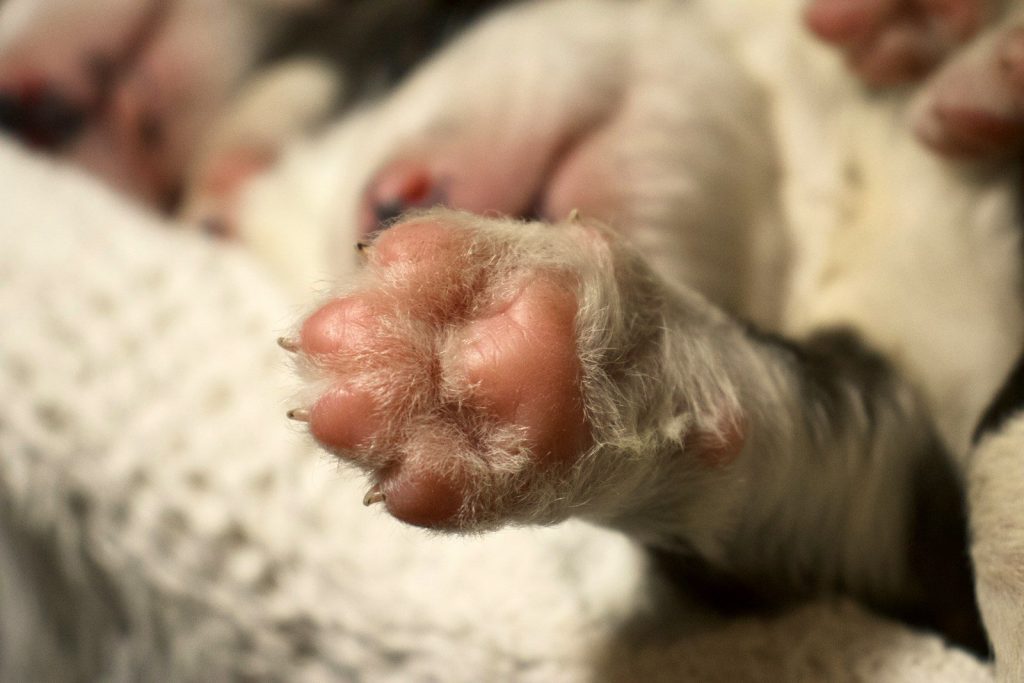
Kanga’s reported condition affected the radius bones of her front limbs, leaving her unable to bear weight in the typical way. Congenital bone-development abnormalities can range from partial underdevelopment to complete absence of particular bones.
Merck notes that treatment for congenital dysostoses depends on how much mobility is affected and how severe the abnormality is. Some cases may be managed without surgery, while others need more involved care. Kanga’s adaptation should not be treated as a universal treatment plan medically.
Saving Grace Rescue Took Her In

After Cheryl contacted Saving Grace Rescue, the organization agreed to help the tiny kitten. The rescue provided an alternative to euthanasia and gave caregivers time to observe what Kanga could actually do in a safer setting.
According to the account, she quickly moved around by hopping and was able to get in and out of a litter box. Those observations showed functional ability, but they do not replace medical evaluation. Special-needs kittens still require veterinary monitoring as their bodies grow and demands change.
Kanga Developed a Hopping Style
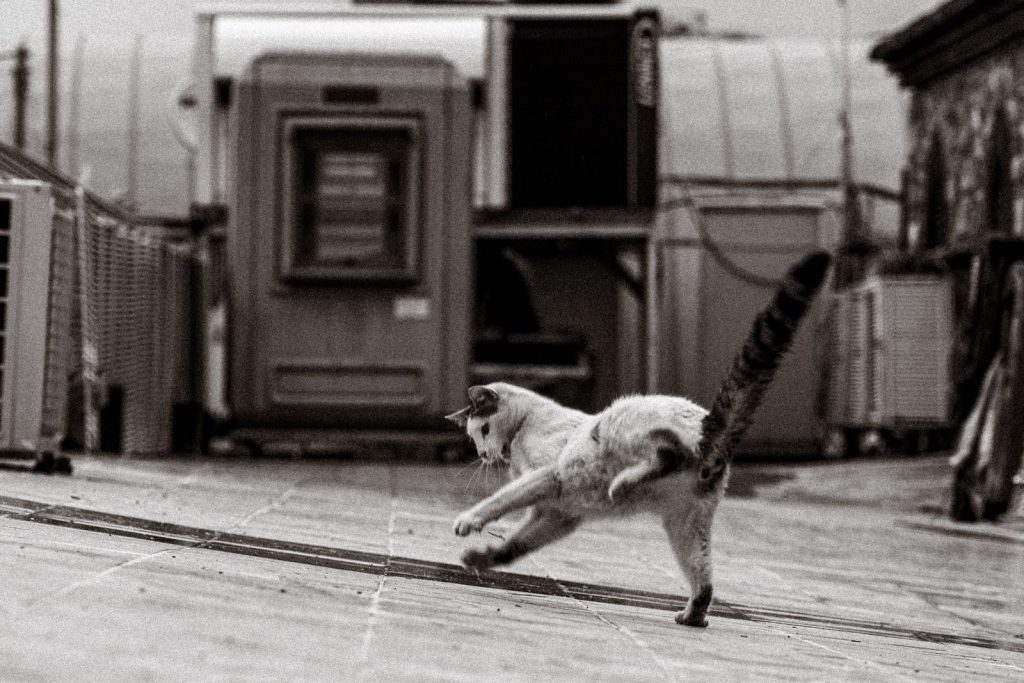
Because her front legs could not support her in the usual way, Kanga moved with a distinctive hop. The behavior inspired the name Kanga Roo and became one of the most recognizable features in videos and photographs shared about her.
Her unusual movement did not mean that every surface or activity was automatically safe. Cats with limb differences can need environmental adjustments that reduce slipping, difficult jumps, falls, or skin injury. Mobility should be judged by comfort and function rather than by how entertaining the movement looks online.
A Family Offered to Adopt Her
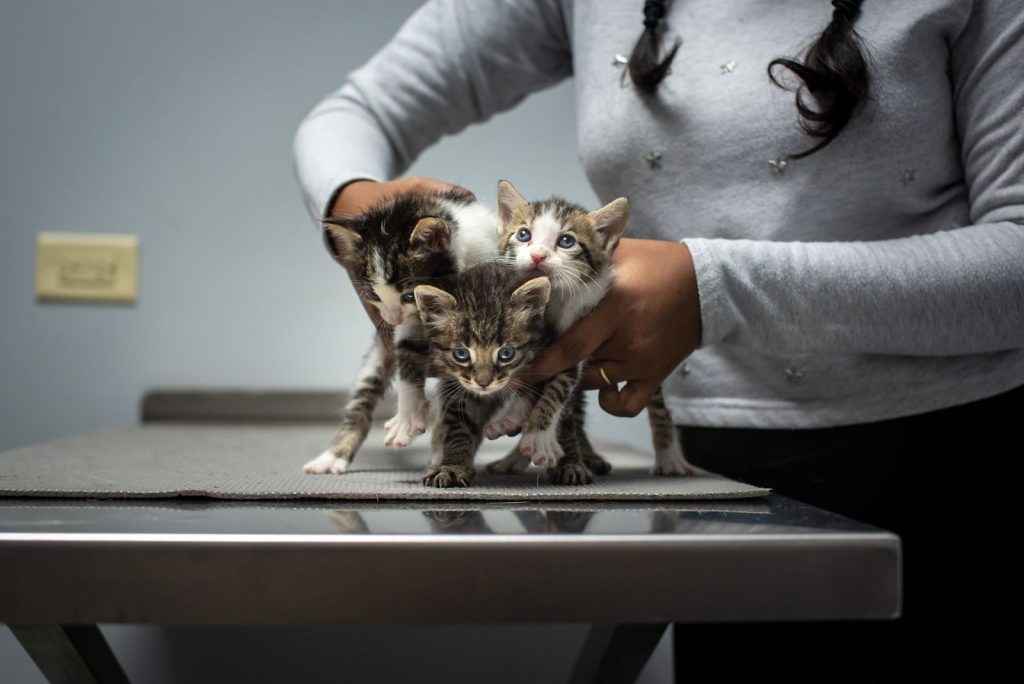
Joyce and her family learned about Kanga through her rescue story and offered to adopt her. Love Meow reported that they waited until the small kitten had grown enough to meet the rescue’s requirements before she moved into her permanent home.
Kanga reportedly joined that household in June 2014 and lived with other cats and dogs. Successful placement of a disabled kitten depends on more than affection; caregivers also need realistic expectations about veterinary costs, accessibility, daily monitoring, and any future changes in mobility.
She Grew Into an Adult Cat
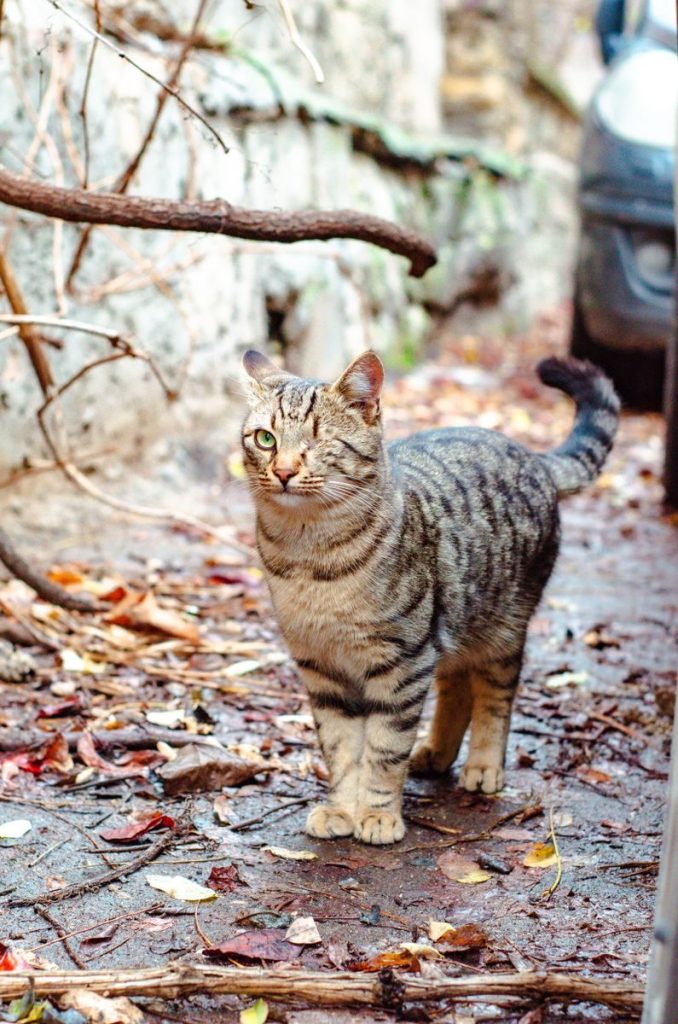
Later photographs showed Kanga as an adult rather than a permanently tiny rescue kitten. Her front-limb difference remained part of her body, but the published updates described her continuing to move, interact, and participate in ordinary household life.
That distinction matters because disability does not automatically mean constant suffering, yet it also should not be romanticized. Quality of life is individual and should be assessed through comfort, appetite, hygiene, mobility, social behavior, and veterinary findings rather than inspiring social-media captions alone.
Kanga Shared Life With Foster Kittens
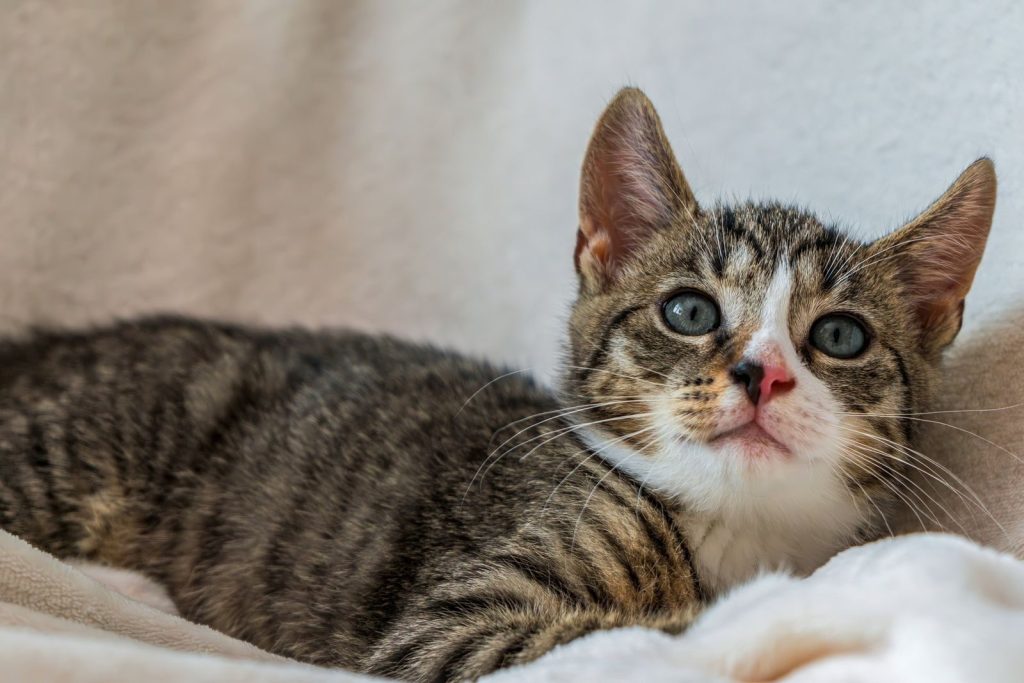
Joyce later began fostering kittens, and Kanga became part of that environment. Love Meow reported that she spent time around foster kittens and was photographed resting with, watching, and interacting closely with some of the younger cats.
Those observations are safer than claiming Kanga consciously became a “mother” or understood another kitten’s disability. Cats can form social relationships and choose proximity, but human family labels are interpretations. Her foster-home role is still notable without assigning motives that cannot be confirmed.
Her Story Shows the Value of Assessment
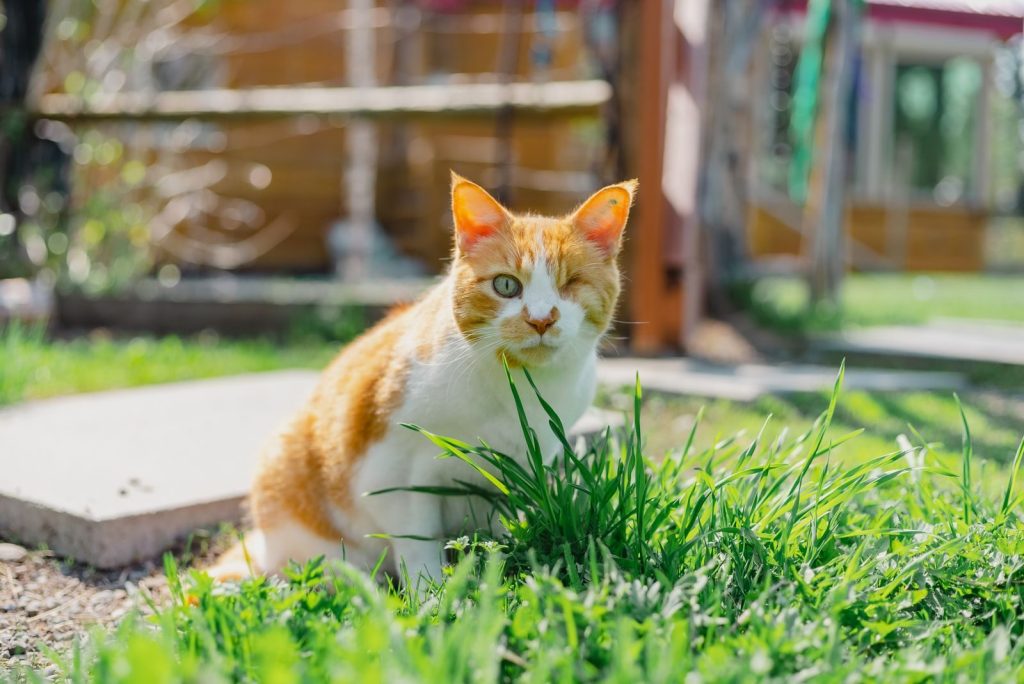
Kanga’s story is encouraging because a kitten initially presented for euthanasia ultimately reached adulthood in an adoptive home. The important lesson is not that every severe congenital limb problem will have the same outcome.
Instead, her case shows why careful veterinary evaluation, rescue resources, and observation of actual function can matter before assumptions are made about quality of life. Some animals will need extensive treatment, some may adapt well, and others may have conditions too painful or severe for the same path.
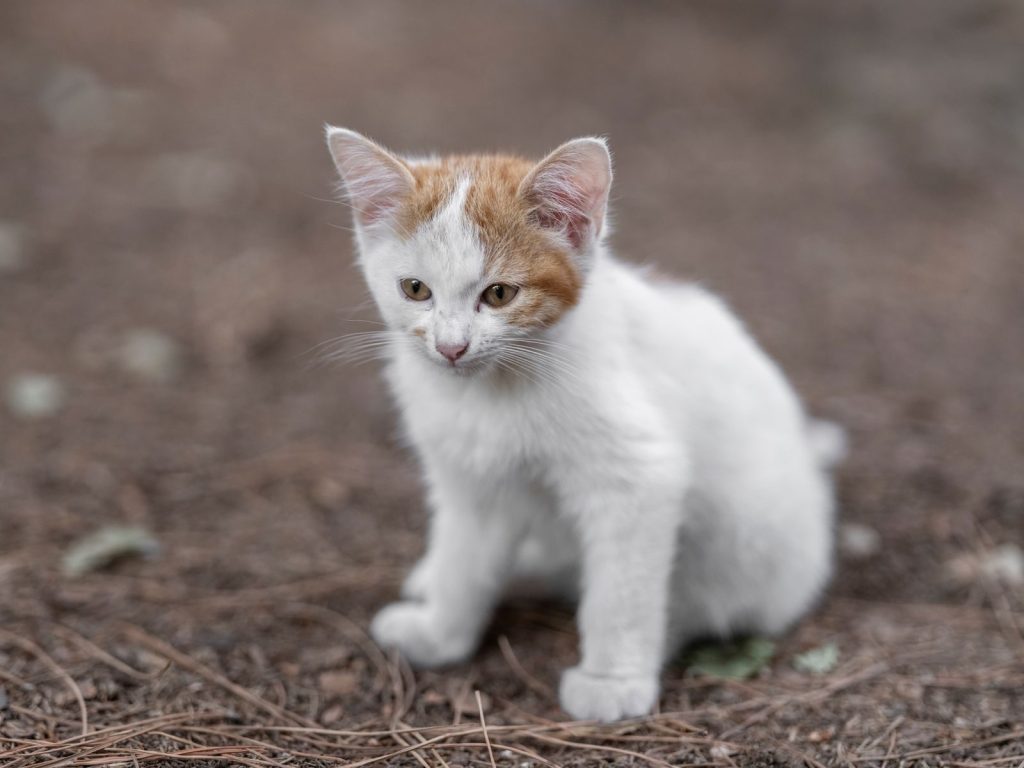
Featured Image: Photo by Engin Akyurt on Pexels