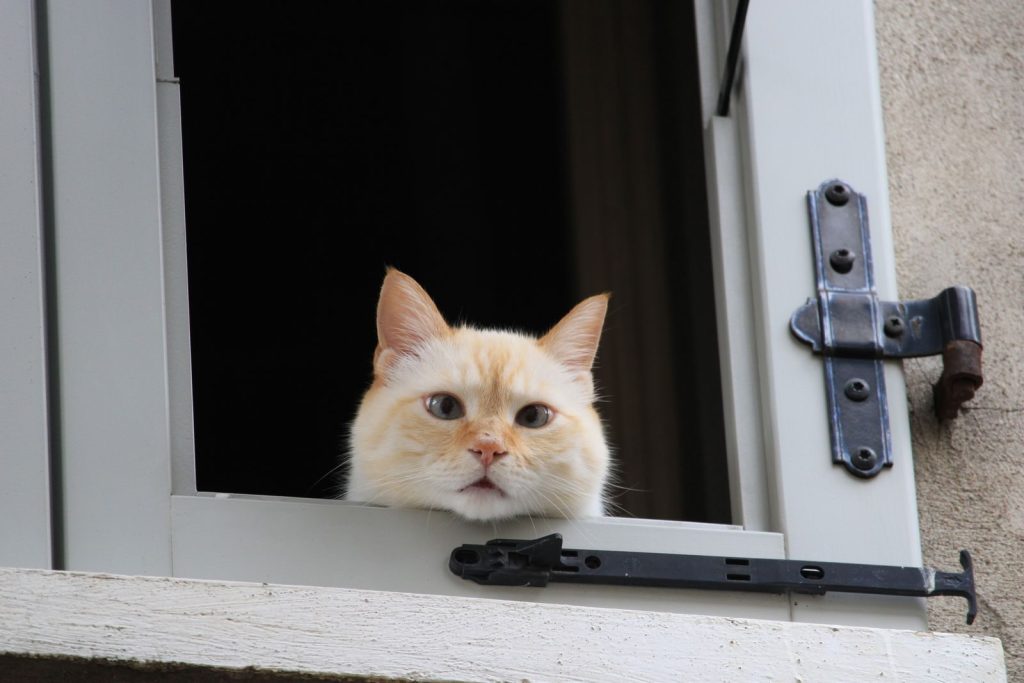

Sylvester is easy to recognize. The Seattle rescue cat has pale coloring with warm orange points across his face and unusually curled ears that bend backward instead of standing in the more familiar triangular shape. A March 2026 Parade Pets feature introduced him as a flame-point Siamese and highlighted a video of him exploring snow. His distinctive ears, rather than curly ear fur, were the feature that immediately attracted viewers’ attention.
The article also revealed an important part of Sylvester’s story: he is a rescue who had settled into a permanent home. That detail makes his unusual appearance more interesting without needing to claim that every feature proves a specific pedigree. Social-media labels such as “Siamese” or “flame point” can describe a cat’s appearance, but only documented ancestry can establish purebred status. Sylvester is memorable regardless of paperwork because his combination of coloring, ear shape, and expressive face is visually distinctive.
Sylvester Has Curled Ears

The most immediately noticeable feature in Sylvester’s videos is the shape of his ears. Parade Pets emphasizes that the ears themselves curve rather than simply being covered in curly fur. That distinction matters because photographs can otherwise make unusual ear shapes difficult to interpret. The source does not establish why Sylvester’s ears developed that way, so assigning him a specific genetic condition or breed mutation would go beyond the available evidence. The accurate description is straightforward: his ears visibly curl backward, giving his face a distinctive outline.
His Coat Has Warm Points
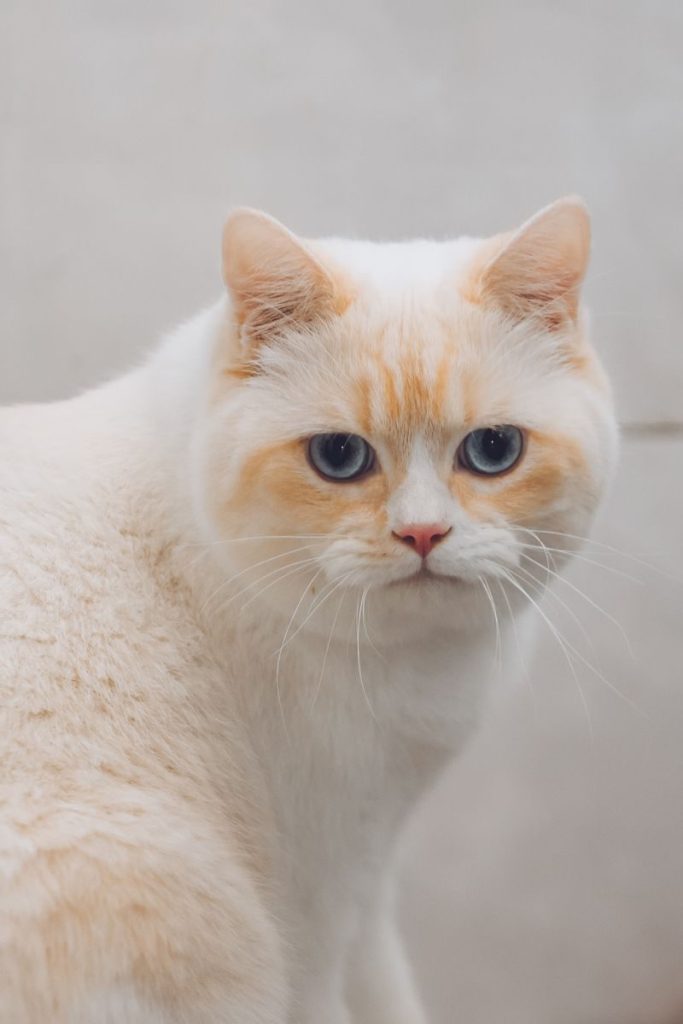
Sylvester is described by Parade Pets and his social-media presence as a flame-point Siamese. Visually, “flame point” refers to warm reddish or orange coloring concentrated on areas such as the face, ears, legs, and tail against a paler body. Cat registries do not always use identical breed and color terminology, so appearance alone should not be treated as proof of pedigree. What viewers can easily appreciate is the contrast itself. Sylvester’s pale coat and warm facial markings make his curled ears even more noticeable in photographs and video.
Sylvester Lives in Seattle
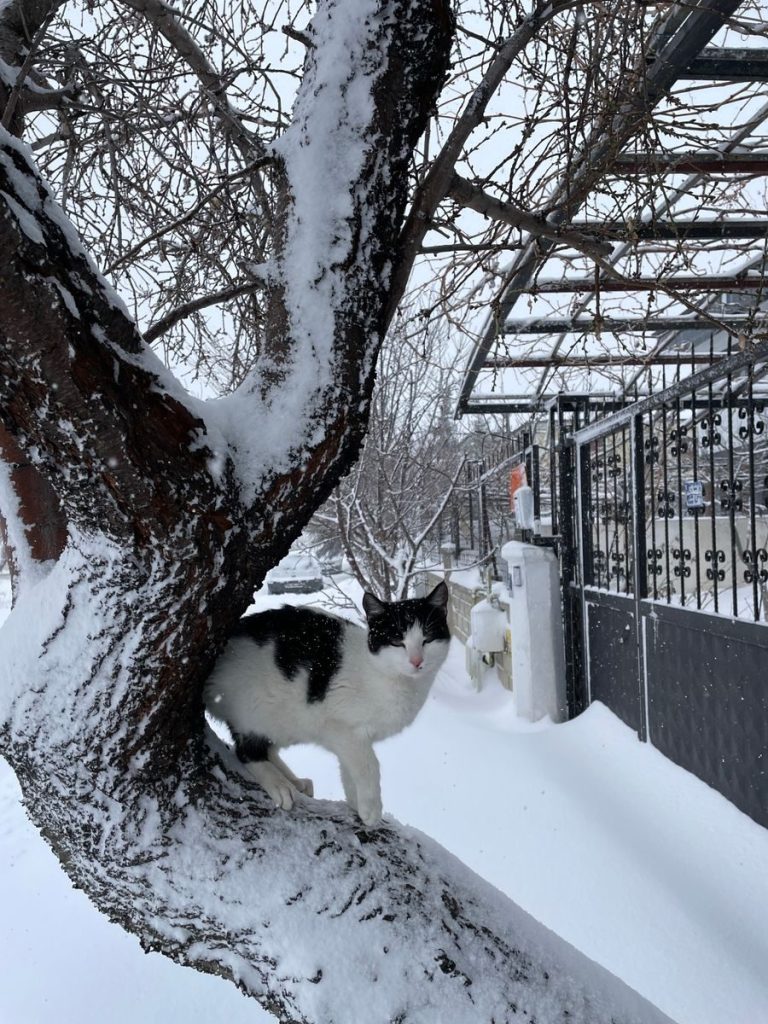
Parade Pets identifies Sylvester as a Seattle cat, giving the viral videos a confirmed location rather than leaving viewers to guess. One of the clips highlighted in the story shows him outdoors in snow, where his warm-toned face contrasts sharply against the white surroundings. The article playfully interprets his response, but a short clip cannot establish exactly how much a cat enjoys snow. The safer observation is that Sylvester was filmed moving through it. Outdoor experiences should always be assessed for temperature, escape risk, and the individual cat’s comfort.
Sylvester Is a Rescue Cat

One of the strongest verified details in the story is that Sylvester came through rescue rather than being purchased specifically for his unusual appearance. Parade Pets notes that he had settled into his forever home. That is a useful reminder that shelters and rescues can contain cats with an enormous range of colors, coat patterns, body types, and unusual physical traits. Prospective adopters searching for a companion do not necessarily need a particular designer label. Meeting available cats can reveal distinctive individuals whose appearance and temperament were never part of a planned breed search.
Unusual Looks Attract Attention

Cats with distinctive eyes, markings, ears, tails, or coats often spread quickly online because viewers can identify them immediately. That visibility can be positive when it celebrates a rescue animal, but appearance should not be turned into an unsupported medical story. Sylvester’s curled ears are visually unusual, yet the published source does not provide a veterinary diagnosis explaining them. Responsible coverage can therefore admire his looks while leaving the cause unspecified. If an owner’s own cat develops a new change in ear shape, swelling, irritation, or discomfort, veterinary assessment would be appropriate.
Appearance Does Not Prove Pedigree
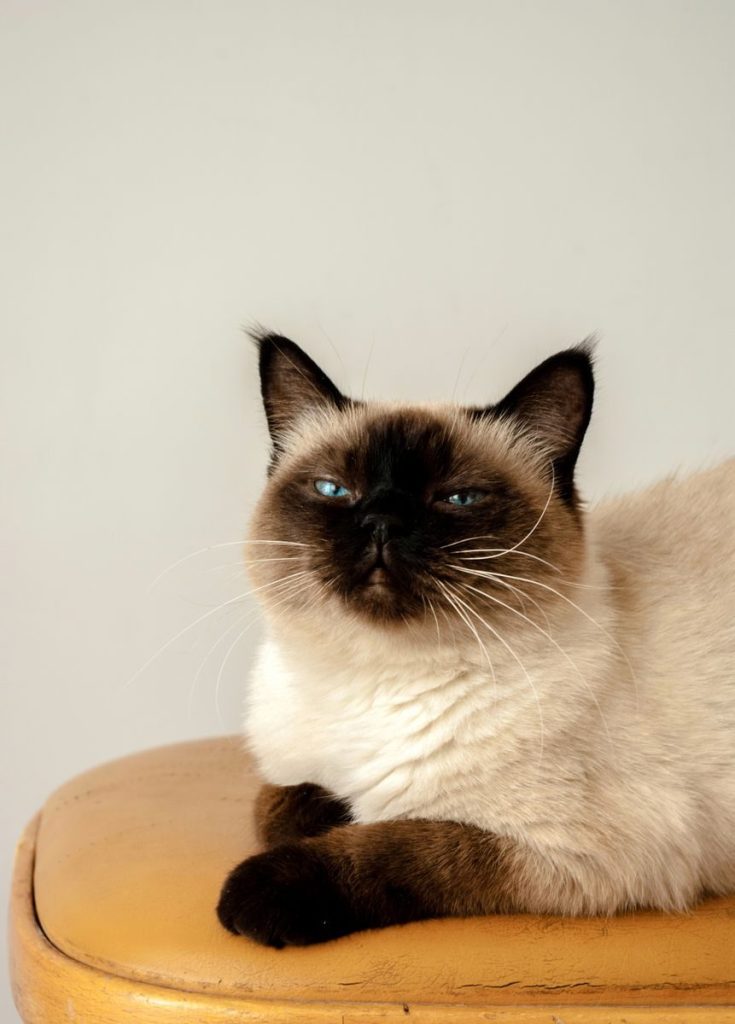
Colorpoint markings can occur in cats with different genetic backgrounds, which means a photograph cannot reliably establish a complete breed history. Parade Pets calls Sylvester a Siamese, and that is the label used in the viral story, but responsible wording should distinguish reported identification from independently documented pedigree. This does not make the cat any less interesting. For most companion cats, health, temperament, and quality of care matter far more than whether every feature meets a registry standard. Sylvester’s appeal comes from being visibly distinctive and comfortably settled in his home.
Rescue Cats Can Look Remarkable

Shelter animals are sometimes imagined as visually ordinary mixed-breed pets, but there is no reason rescues cannot include cats with uncommon colors or physical features. Sylvester is a good example because his distinctive appearance became part of the attention surrounding his adoption story. Choosing a rescue cat based only on novelty would still be a mistake, however. Unusual looks do not guarantee a particular temperament or easier care. Adopters should ask about health, behavior, handling preferences, household fit, and long-term needs before allowing a striking photograph to make the decision.
His Forever Home Is the Best Detail

The curled ears may be what makes people stop scrolling, but Sylvester’s confirmed rescue status gives the story more substance. Parade Pets reports that he was settling into a forever home in Seattle, turning a viral appearance into part of a larger adoption story. There is no need to invent a dramatic past or explain every physical feature to make that meaningful. A rescue cat with an unusual face found a permanent household and then attracted an online following. That simple, verified version is strong enough on its own.
Featured Image: Photo by MAURO FOSSATI on Pexels


