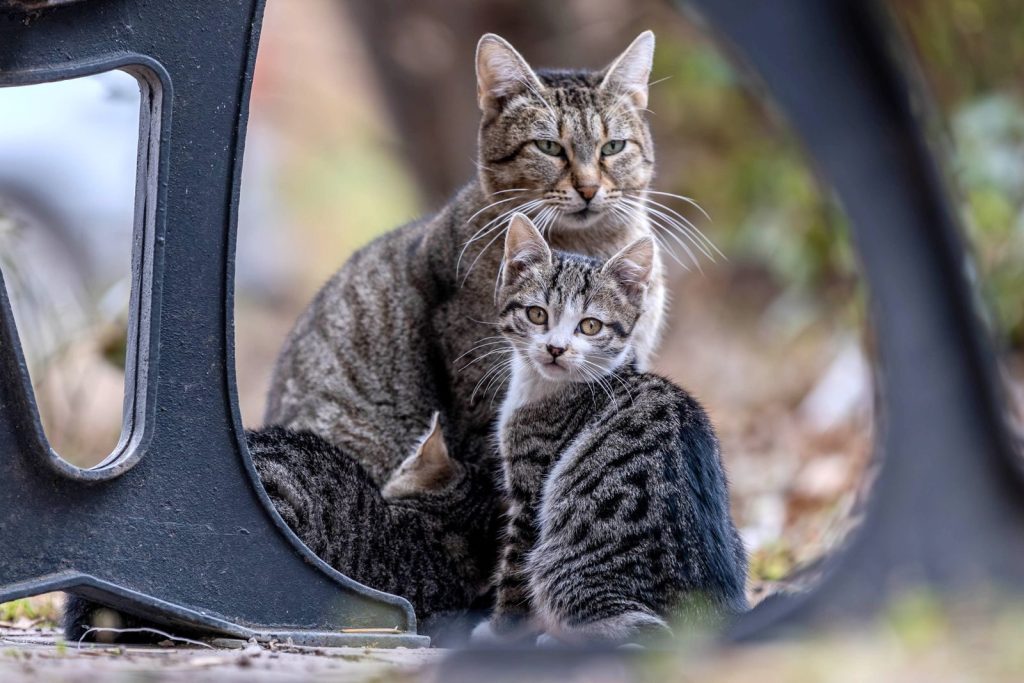

A mother cat raising kittens outdoors will often select a location that is quiet, concealed, and protected from disturbance. That behavior can make a nest beneath a porch, inside a shed, behind stored materials, or in another sheltered corner look like a deliberately constructed “secret home.” Alley Cat Allies notes that mother cats naturally prefer nests where their kittens feel hidden and protected. What should not be assumed, however, is that a particular mother cat became homeless, deliberately built a structure, or experienced a specific tragedy without evidence.
Discovering kittens in an unexpected hiding place can make people want to immediately pick them up and take them indoors. That is not always the safest first response. If the kittens appear healthy and are not in immediate danger, their mother may simply be away temporarily and can return after people leave. Welfare organizations generally recommend observing from a distance, supporting the family with food, water, and nearby shelter, and intervening more directly when kittens are injured, ill, exposed to danger, or genuinely orphaned.
Hidden Nests Are Normal
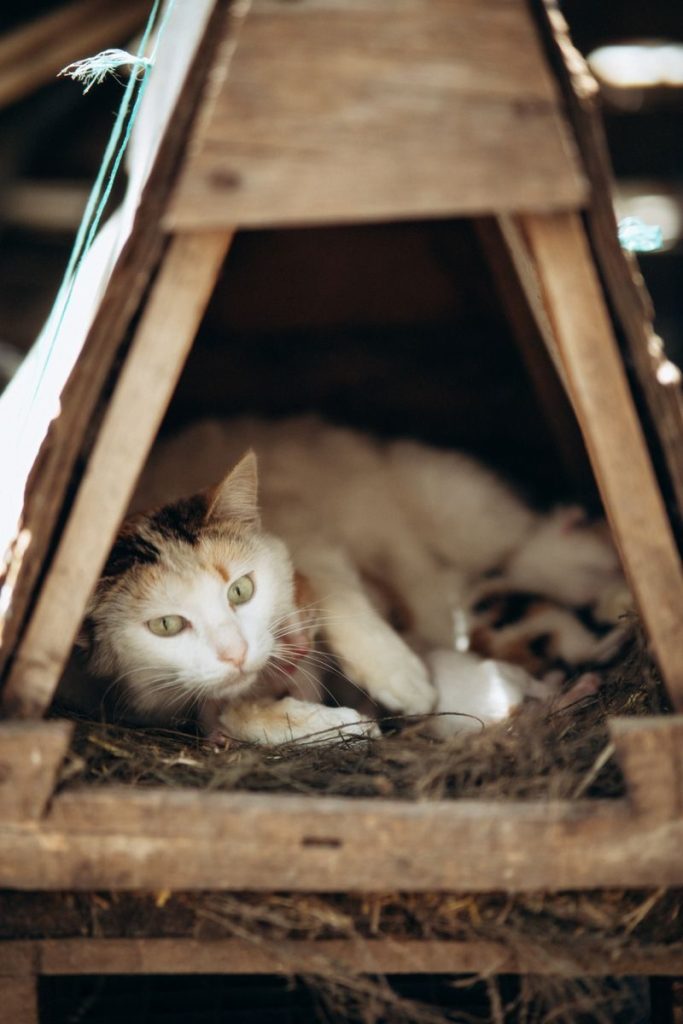
Mother cats naturally look for nesting sites that offer concealment and some protection from weather, predators, noise, and frequent human activity. A tucked-away location may therefore be a practical choice rather than evidence of an elaborate rescue backstory.
Alley Cat Allies specifically notes that mothers like raising kittens in nests where they feel hidden and protected. Discovering such a location can feel like uncovering a secret, but people should resist assigning human motives to the choice. The observable fact is simply that shelter and concealment can support kitten care outdoors.
Mom May Be Nearby
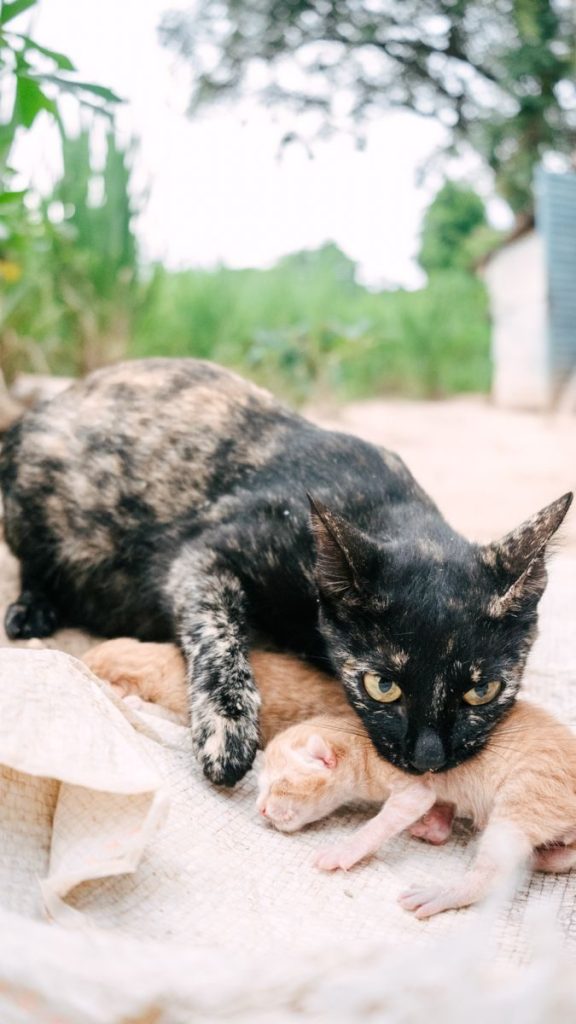
Finding several kittens alone does not automatically mean their mother has abandoned them. A mother cat may leave temporarily to find food, avoid people, or wait until an unfamiliar observer moves away before returning to the nest.
Best Friends recommends giving a mother cat time to come back when kittens appear comfortable and are not facing immediate danger. Watching quietly from a distance is more informative than standing close to the nest, because human presence itself may discourage a cautious mother from approaching her kittens.
Healthy Kittens Often Stay With Mom
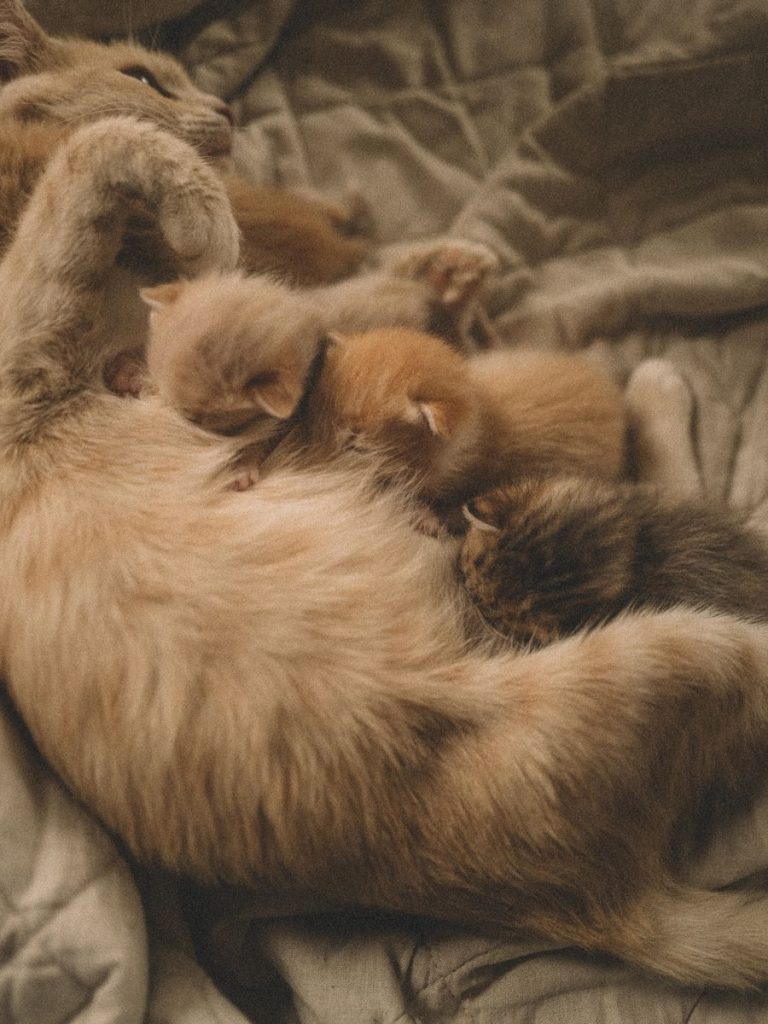
For neonatal kittens, maternal care normally provides warmth, milk, grooming, and important early development. Alley Cat Allies recommends leaving young kittens with their mother when the family is healthy and the location is reasonably safe.
Removing kittens unnecessarily can create intensive bottle-feeding and temperature-management needs that their mother is already equipped to provide. Intervention becomes more appropriate when kittens are injured, clearly ill, cold, exposed to immediate danger, or when careful observation indicates the mother truly is not returning. The kittens’ actual condition should guide the decision.
Outdoor Shelter Can Help
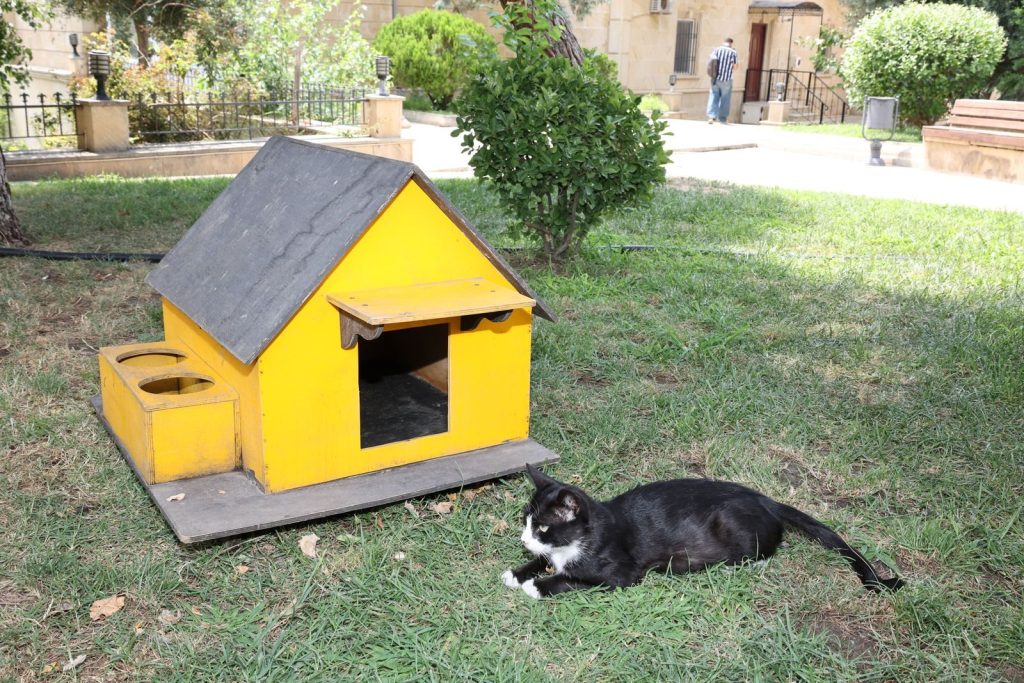
People can support an outdoor mother without disturbing the nest by placing a suitable weather-resistant shelter nearby. Alley Cat Allies specifically recommends outdoor shelters because mothers tend to favor protected nesting spaces for their kittens.
The organization also advises avoiding unnecessary disruption of an existing nest, since too much interference may encourage the mother to move the litter elsewhere. A good shelter should be dry, appropriately insulated, and positioned where the cat can use it voluntarily. Providing an option is safer than repeatedly relocating kittens simply because another spot looks better to humans.
Food Supports a Nursing Mother

Producing milk requires additional energy, so a nursing mother living outdoors benefits from dependable access to nutritious food and fresh water. Alley Cat Allies specifically recommends supplying mother cats with regular food, including wet food where practical.
Place resources where the mother can access them without forcing her to remain close to people. Food should support the family rather than become a reason for constant disturbance around the nest. If the mother appears thin, weak, injured, or ill despite eating, veterinary or rescue assistance may be needed rather than assuming that extra feeding alone will solve the problem.
Dangerous Nests May Need Action

Not every hidden location is safe. Kittens near traffic, active machinery, flooding, extreme temperatures, construction, aggressive animals, or other immediate hazards may need to be moved to a safer nearby location or brought into professional care.
Best Friends advises that exposed kittens can sometimes be gently moved somewhere safer nearby while continued monitoring allows the mother to find them. The goal is not to separate a healthy family unnecessarily. It is to reduce an immediate danger while preserving maternal care whenever that can reasonably and safely be accomplished.
Monitor the Family Daily
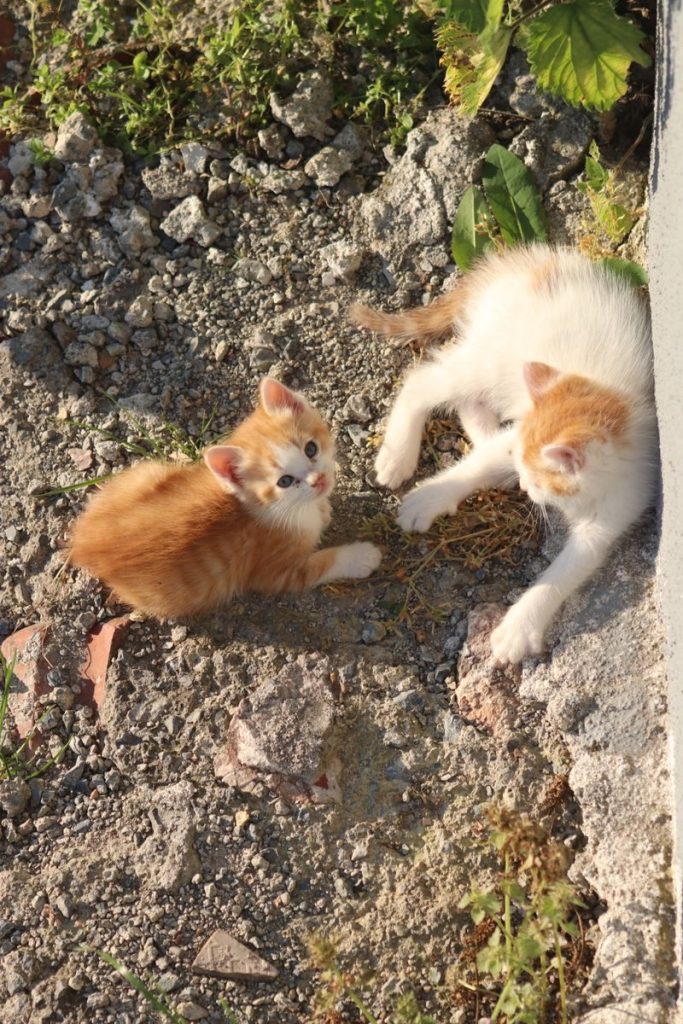
Once an outdoor mother and litter are identified, regular observation can reveal whether the kittens remain active, warm, and apparently well fed. Monitoring also helps catch changes such as prolonged crying, obvious injury, weakness, or disappearance of the mother.
Alley Cat Allies recommends providing food, water, shelter, and daily monitoring for neonatal kittens living outdoors with their mother. Observation does not require repeatedly handling the babies. In many cases, watching from an appropriate distance gives the family needed space while still allowing a caregiver to notice when circumstances change enough to require intervention.
Plan for Spaying and Neutering
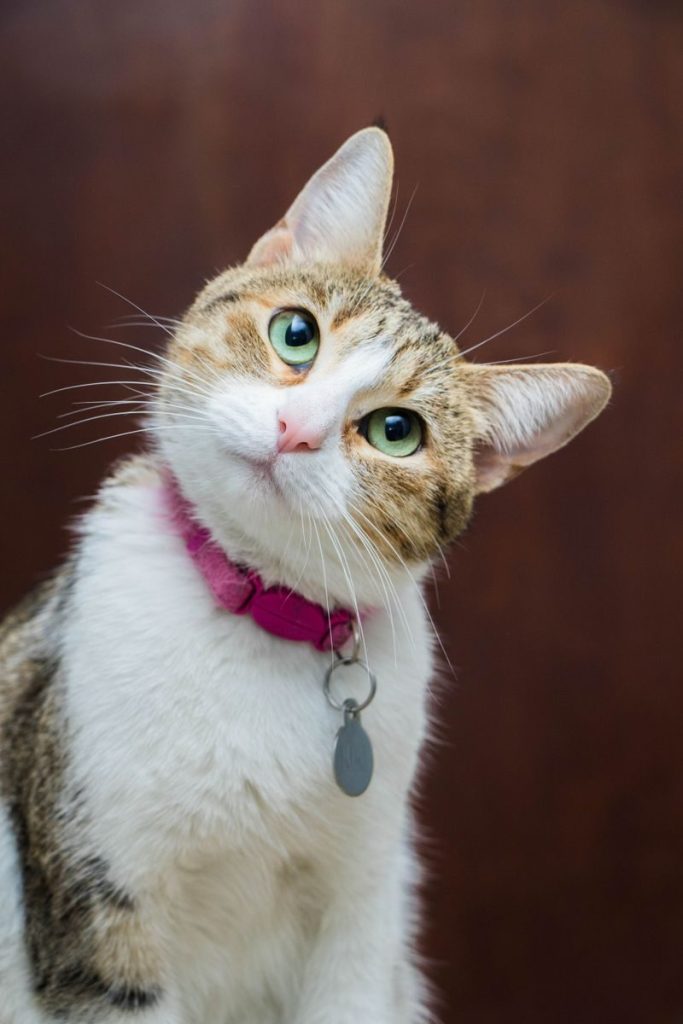
Helping a mother cat should include thinking beyond the current litter. Once kittens reach an appropriate age and are weaned, spaying and neutering can prevent another cycle of unintended pregnancies and additional kittens needing homes or outdoor care.
Community-cat programs often use trap-neuter-return or related strategies for cats who are not candidates for traditional pet adoption. Socialized kittens may have different placement options. The appropriate plan depends on the cats involved and local resources, but reproductive care is an important part of improving the long-term welfare of the family.
Featured Image: Photo by Denitsa Kireva on Pexels