
A foster kitten named Gelato became widely known after veterinary staff at Cincinnati Animal CARE improvised a tiny mobility device when he arrived unable to stand or walk independently. People reported in July 2026 that Gelato was too small for the wheelchairs already available at the shelter. Lead veterinary technician Mallory Smith therefore created a temporary device using simple materials including cardboard, rulers, tape, and Hot Wheels. The unusual little cart gave Gelato support while the shelter worked with the resources available for such a small patient.
The improvised design did more than attract attention. After Cincinnati Animal CARE shared Gelato’s story online, widespread interest helped connect the kitten with a custom 3D-printed wheelchair made specifically for him. That upgrade is an important part of the verified story because animal mobility devices should fit the individual rather than being treated as one-size-fits-all equipment. Gelato’s case highlights creative shelter care, but it also shows why veterinary assessment and correctly fitted support remain essential when a cat cannot walk normally.
Gelato Could Not Walk Normally
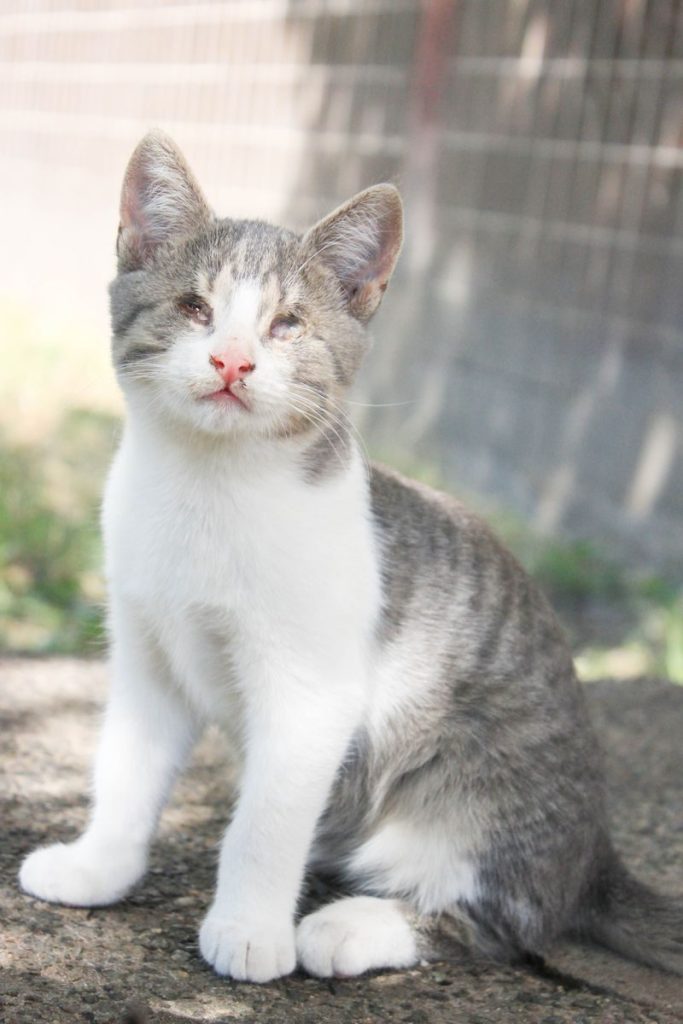
According to Cincinnati Animal CARE’s account reported by People, Gelato arrived unable to stand or walk on his own. That meant the kitten needed more than ordinary foster supplies while his caregivers evaluated ways to support his mobility.
The available reporting does not establish one simple diagnosis that readers should apply to other kittens with similar signs. Difficulty standing or walking can have multiple medical causes. A kitten showing severe mobility problems needs veterinary assessment because treatment and long-term expectations depend on the underlying condition, pain level, neurological function, strength, and overall health.
Standard Carts Were Too Large
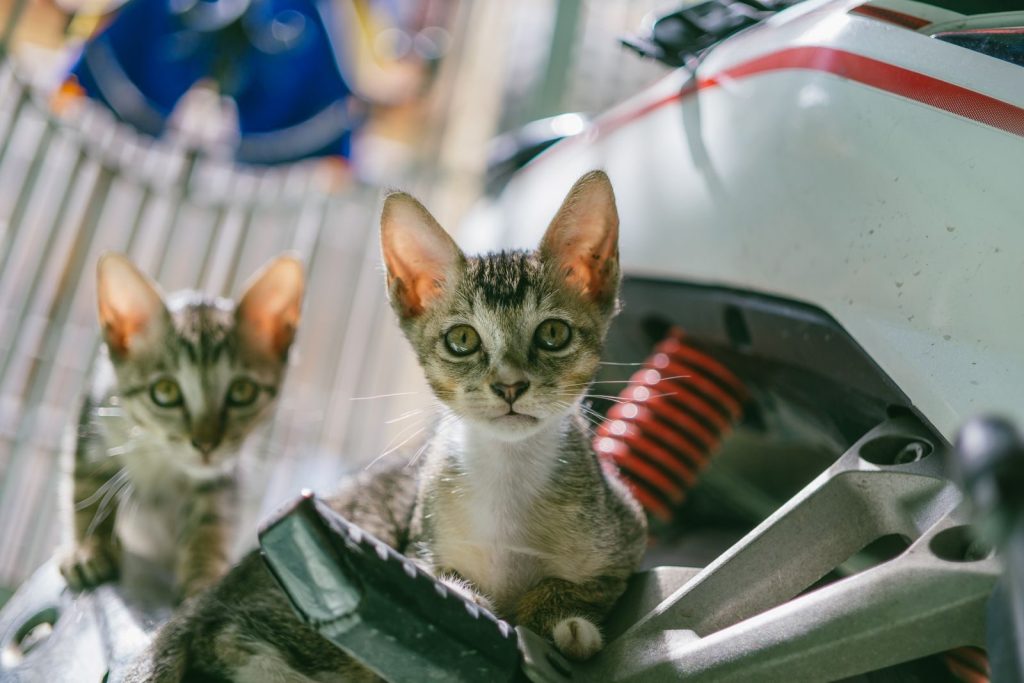
The shelter already had mobility equipment, but Gelato was reportedly too small to fit the wheelchairs available to him. That size problem prompted the veterinary team to create something temporary that better matched his tiny body.
Cat wheelchairs generally need to be fitted according to the individual animal’s measurements and type of disability. Best Friends explains that different designs support different areas of the body, including hindquarter problems or weakness affecting multiple limbs. A cart that is too large, poorly balanced, or incorrectly positioned may fail to provide the support a cat actually needs.
Hot Wheels Became Tiny Wheels
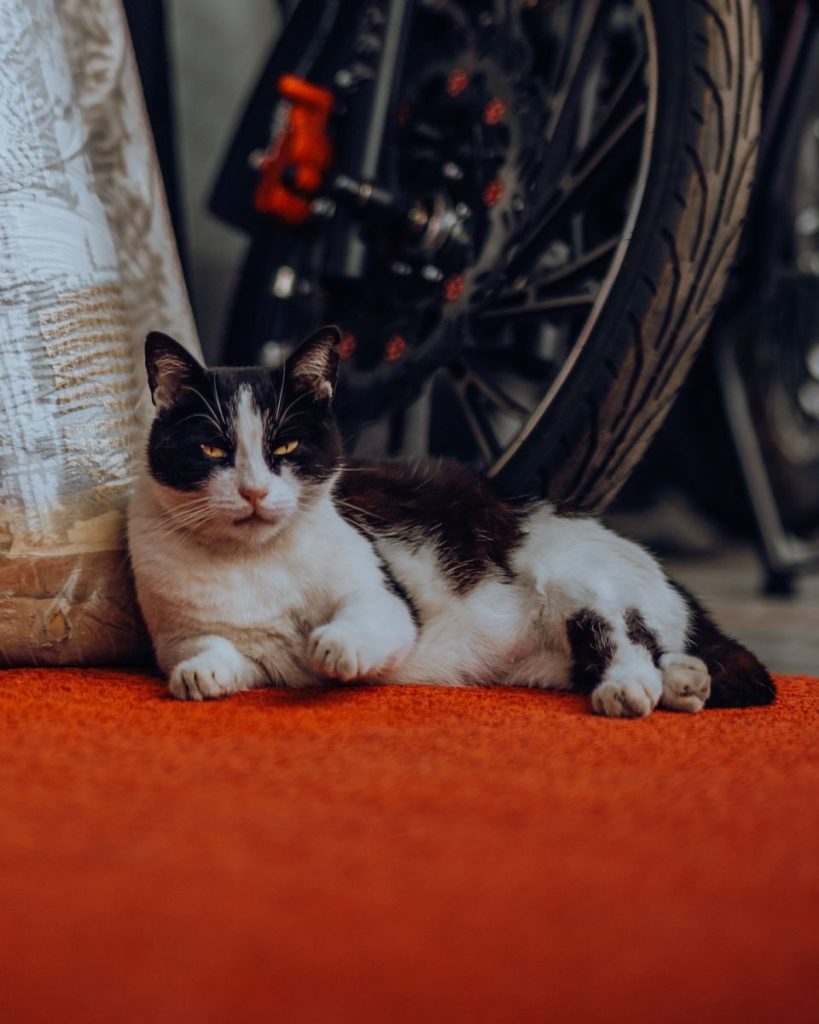
Mallory Smith, identified as a lead veterinary technician, created Gelato’s first mobility aid using inexpensive materials that included rulers, cardboard, tape, and Hot Wheels. The result looked playful, but it was designed around a serious practical problem.
The Hot Wheels element understandably captured social-media attention because the scale matched such a small kitten. Still, the story should not be interpreted as instructions for owners to build unsupervised wheelchairs at home. Mobility equipment must support the correct body areas without causing pressure, rubbing, imbalance, or unsafe movement, making professional guidance important.
The Shelter Shared His Progress
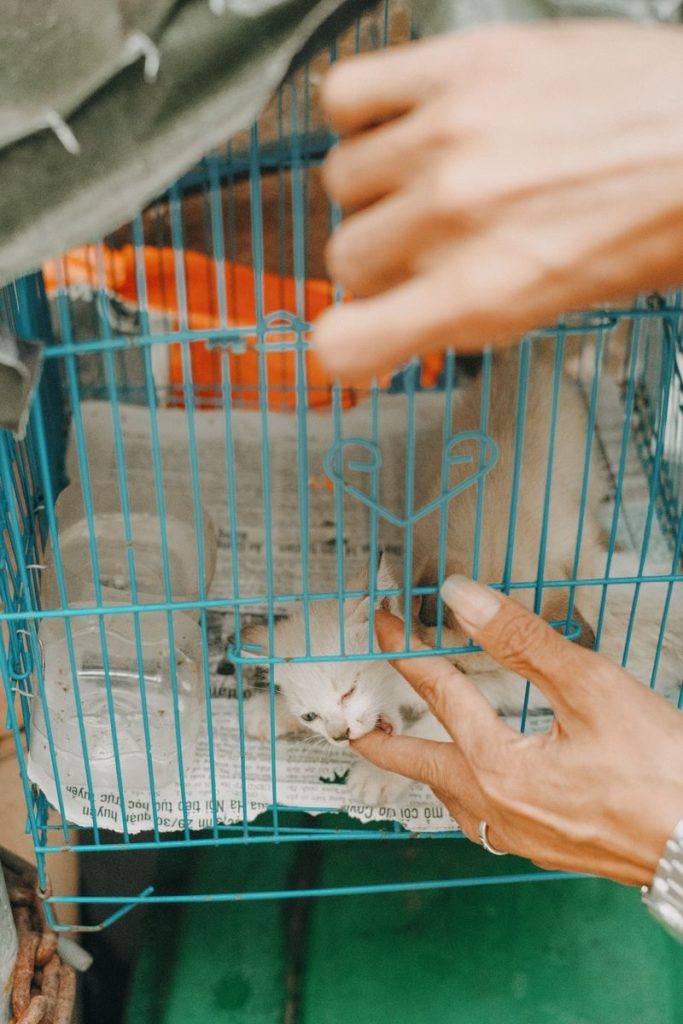
Cincinnati Animal CARE posted Gelato’s mobility story online, where the unusual homemade cart quickly drew attention. According to People, the post spread widely and generated an outpouring of support for the foster kitten.
Viral attention can sometimes turn a medical story into entertainment, but in Gelato’s case it also helped expand the resources available to him. The shelter credited people who liked and shared his story with helping it reach individuals able to assist. That connection eventually contributed to a more sophisticated mobility solution created specifically for the growing kitten.
Supporters Helped Bring an Upgrade
The most useful development came after the homemade cart gained attention: Gelato received a custom 3D-printed wheelchair. The new device was specifically made for him rather than being another general-size cart that he was too small to use.
A custom device does not automatically solve every mobility challenge, but individualized fitting is important. Wheel position, harness support, body measurements, and the location of weakness all influence whether a cart helps safely. As Gelato grows, fit may also need reassessment because equipment suitable for a tiny kitten may not remain appropriate indefinitely.
Wheelchairs Can Restore Mobility
Best Friends explains that wheelchairs can help some cats with mobility disorders walk, exercise, play, or otherwise move more independently. Potential candidates include cats affected by paralysis, congenital limb or spinal issues, injuries, and certain other disabilities.
A wheelchair is not automatically the best choice for every cat that walks abnormally. Some animals compensate without one, while others need a different type of support or rehabilitation. Veterinarians should help determine whether a cart is appropriate based on the diagnosis and the cat’s strength, comfort, mobility pattern, and ability to use the device safely.
Skin Protection Still Matters
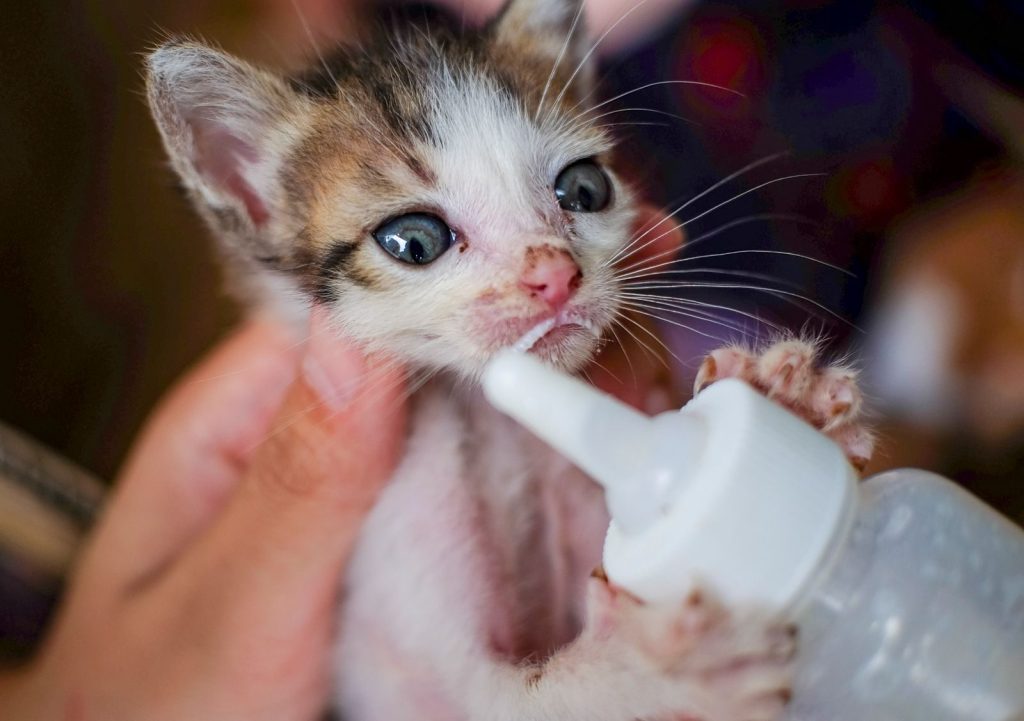
Cats with hind-limb paralysis or severe weakness may drag parts of their bodies when moving without support. VCA warns that repeated contact with flooring can cause skin sores, particularly over areas that experience pressure or friction.
Harnesses, slings, wheelchairs, soft bedding, and other adaptations can sometimes reduce those risks, but caregivers still need to inspect the skin regularly. Redness, wounds, swelling, or persistent irritation should not be ignored. Mobility is important, but protecting comfort and preventing secondary injuries are equally important parts of caring for a disabled cat.
Gelato’s Story Is About Adaptation
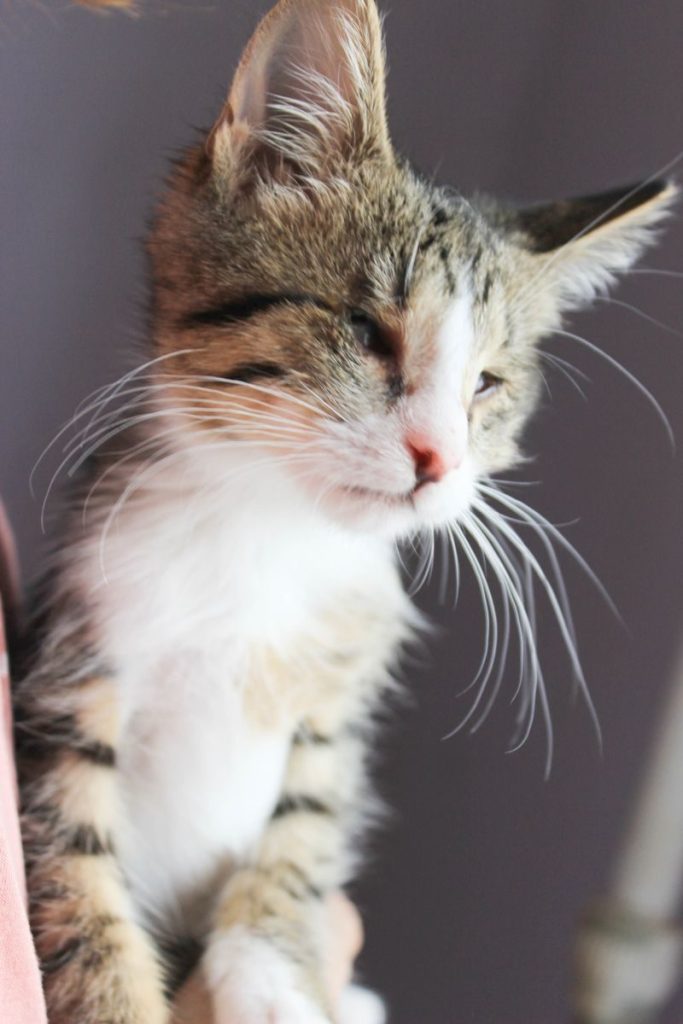
The memorable Hot Wheels cart made Gelato famous, but the larger story is about adapting care to one small animal’s needs. His veterinary team improvised when existing equipment did not fit, and outside support later produced a more customized solution.
That approach is more useful than treating the original cart as a novelty. Disabled cats can sometimes remain active with appropriate medical care, environmental changes, rehabilitation, and mobility equipment. The correct combination varies with each patient. Gelato’s progress is encouraging, but another kitten with similar difficulty walking still needs its own veterinary diagnosis and plan.