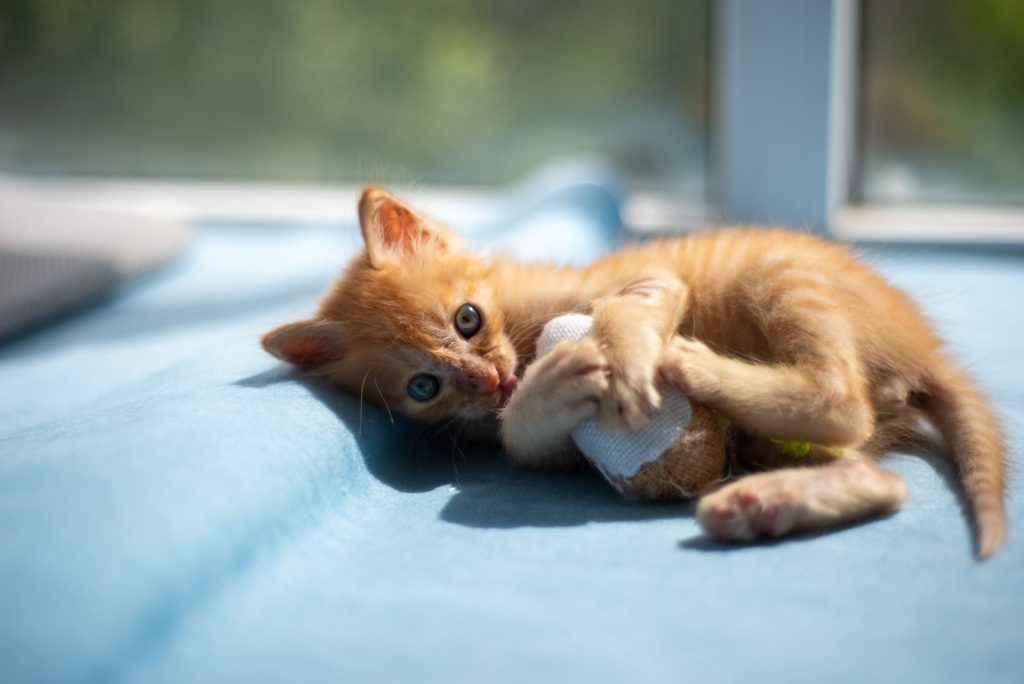

Lieutenant Dan became an online favorite after her foster caregiver shared videos of the tiny orange kitten moving without normal use of her hind legs. Her unusual scooting gait originally inspired jokes about walking with a “flat tire,” but veterinary evaluation revealed a significant congenital problem. Lieutenant Dan was diagnosed with Manx syndrome, also called sacrocaudal dysgenesis, which involves abnormal development around the lower spine and can affect hind-limb movement as well as bladder and bowel control.
Her foster caregiver, Ashley Saldana, has managed far more than mobility alone. Lieutenant Dan has required help emptying her bladder and bowels, neurological follow-up, physical therapy, treatment for fractures and a pressure wound, and care for a urinary tract infection. Her sex also proved surprisingly difficult to determine because of unusual anatomy; later medical updates continued clarifying those details. Through it all, the kitten has remained active around her foster family while her care plan continues evolving with her growth.
She Arrived With Five Littermates
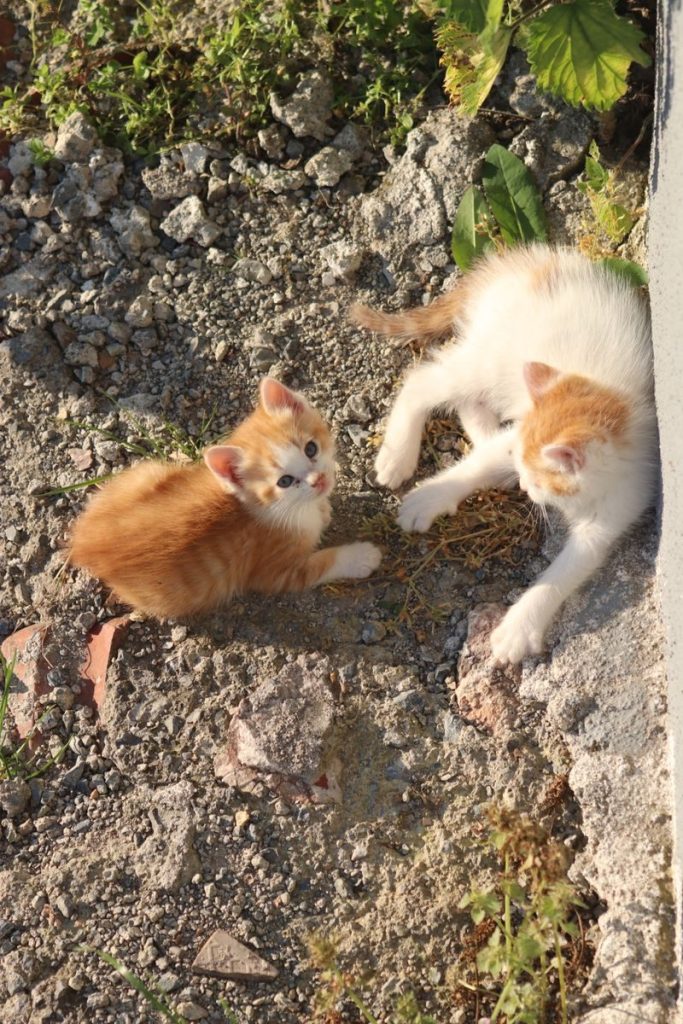
Lieutenant Dan entered foster care as one of six kittens in a litter with names inspired by Forrest Gump. The group included Bubba, Forrest, Jenny, Mama, and Shrimp Boat alongside the tiny kitten who would require considerably more medical attention.
Her foster caregiver quickly noticed that Lieutenant Dan could not use the back of her body normally. The difference was far greater than ordinary kitten clumsiness, setting her apart from the littermates who were developing typical walking and movement skills.
Manx Syndrome Explained Her Movement

A veterinarian diagnosed Lieutenant Dan with Manx syndrome, a condition associated with abnormal development of the sacral, tail, spinal, or related nerve structures. The resulting neurological effects can vary substantially between individual cats.
Merck notes that severely affected cats may have weakness or reduced reflexes in the hind limbs along with urinary or fecal control problems. Lieutenant Dan’s inability to use her hindquarters normally was therefore connected to a much broader neurological condition.
Bathroom Care Became a Daily Routine
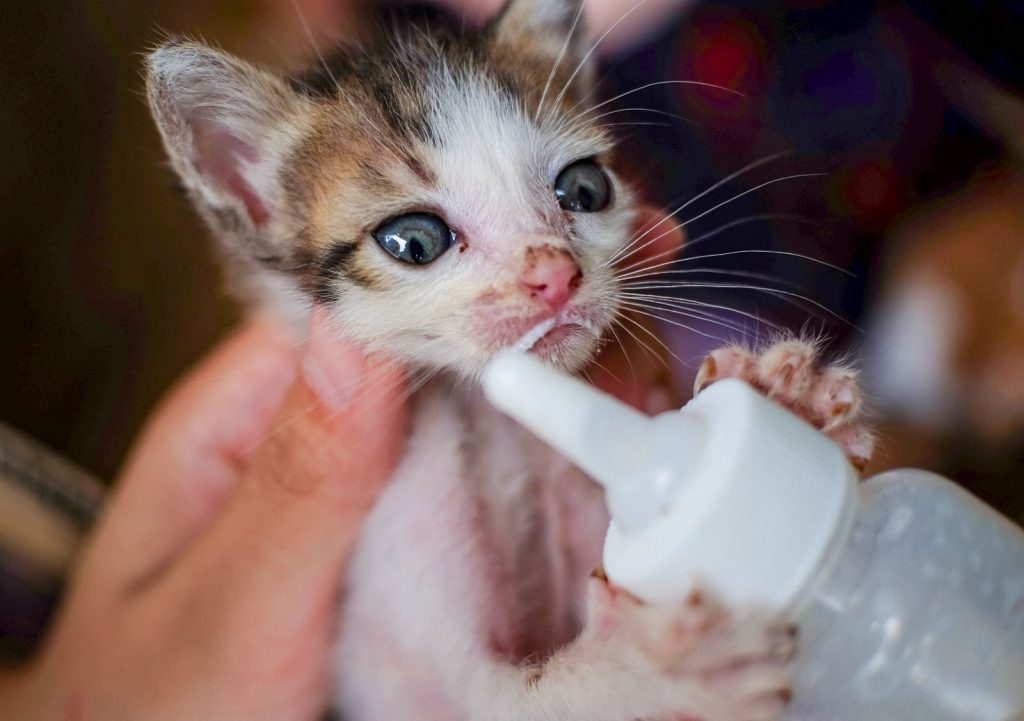
Lieutenant Dan cannot handle elimination in the same way as a typical healthy kitten. Saldana learned how to manually help empty the kitten’s bladder and bowels, a task she reported performing several times each day.
That intensive routine became a major part of foster care alongside feeding, cleaning, play, and veterinary appointments. Neurological problems affecting the lower spinal region can interfere with bladder and bowel control, making consistent management especially important for affected cats.
Her Sex Became an Unexpected Puzzle
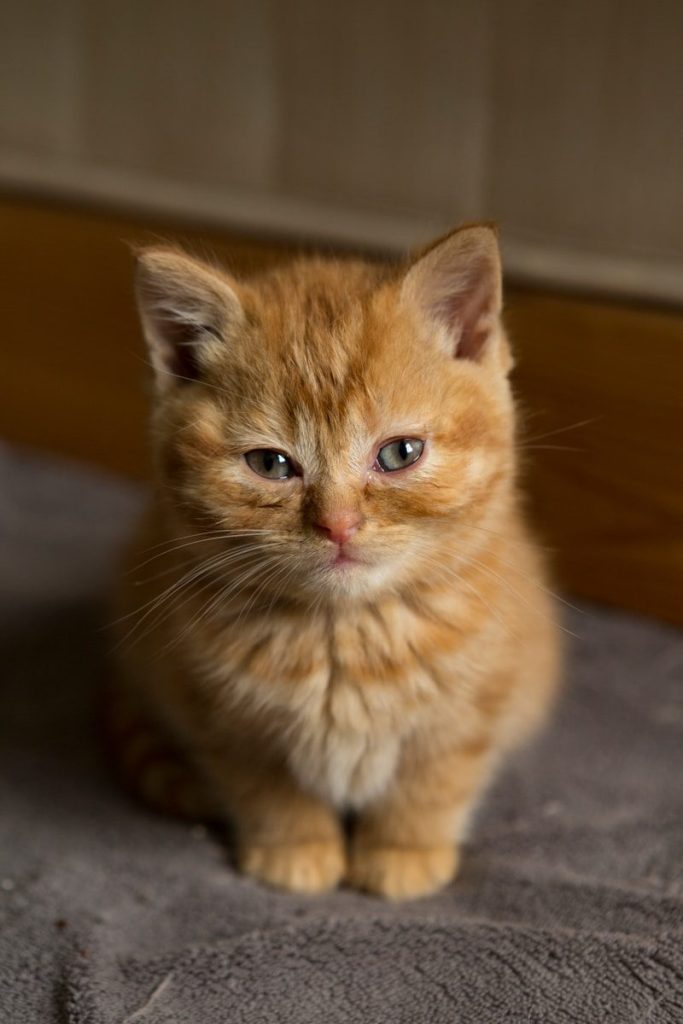
Lieutenant Dan was initially believed to be male, which fit the name given to the kitten. A specialist later believed she was female, leading her foster family to sometimes call her Lieutenant Danielle or Dani.
Further examinations revealed atypical reproductive anatomy and created additional uncertainty before later surgical findings helped veterinarians understand her body more completely. The unexpected medical puzzle added another layer to an already unusually complex foster case centered on congenital development.
Treatment Brought Difficult Setbacks
Veterinary efforts to manipulate Lieutenant Dan’s legs and improve movement were followed by fractures in her tiny limbs. The injuries required bandaging, adding another challenge to a kitten already receiving extensive neurological care.
The bandages then contributed to a pressure wound on one foot, requiring frequent veterinary visits for checks and dressing changes. Saldana reported that the injury progressed through healing, but the episode showed how quickly one medical problem could create another.
Physical Therapy Joined Her Schedule
Lieutenant Dan’s routine expanded to include neurological appointments and physical-therapy exercises performed at home. Her foster caregiver worked repeatedly with her while monitoring how the kitten responded to movement and rehabilitation.
For a growing special-needs kitten, small changes in strength, positioning, skin condition, and comfort can affect everyday mobility. Lieutenant Dan’s medical team continued adapting support around her individual development rather than expecting her body to follow the same timeline as her littermates.
A UTI Added Another Challenge
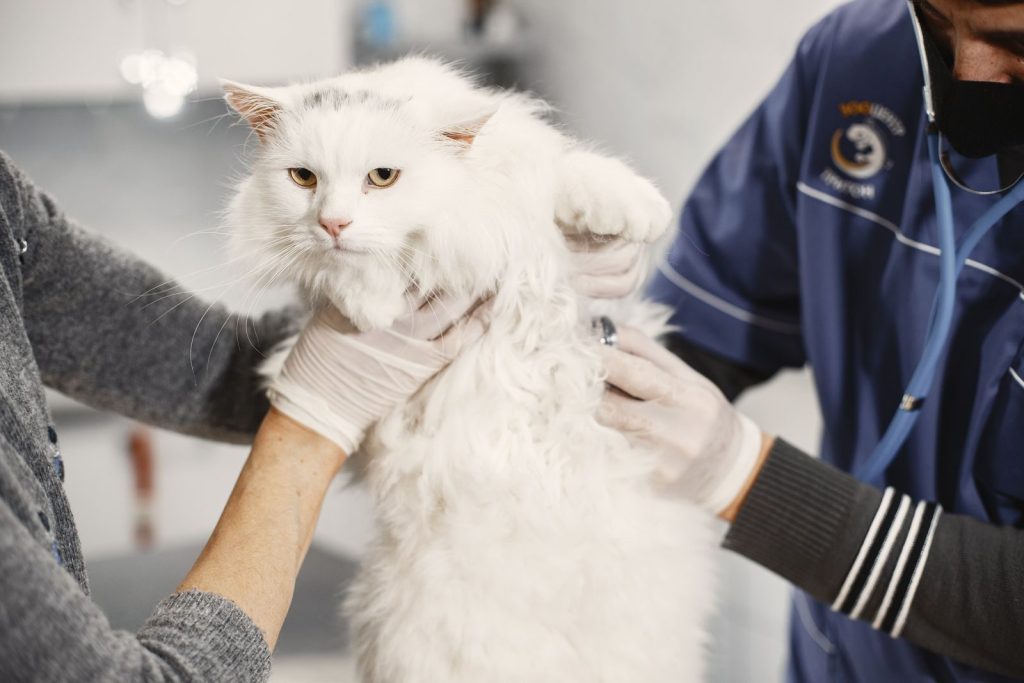
At one stage, a new concern sent Lieutenant Dan to emergency veterinary care. The problem turned out to be a urinary tract infection, adding treatment for another condition to an already demanding medical routine.
Urinary health deserves particular attention in cats whose neurological problems interfere with normal bladder function. For Lieutenant Dan, bathroom assistance was already part of daily care, so the infection became another issue her foster family and veterinary team needed to manage together.
Dani Keeps Finding Her Own Rhythm
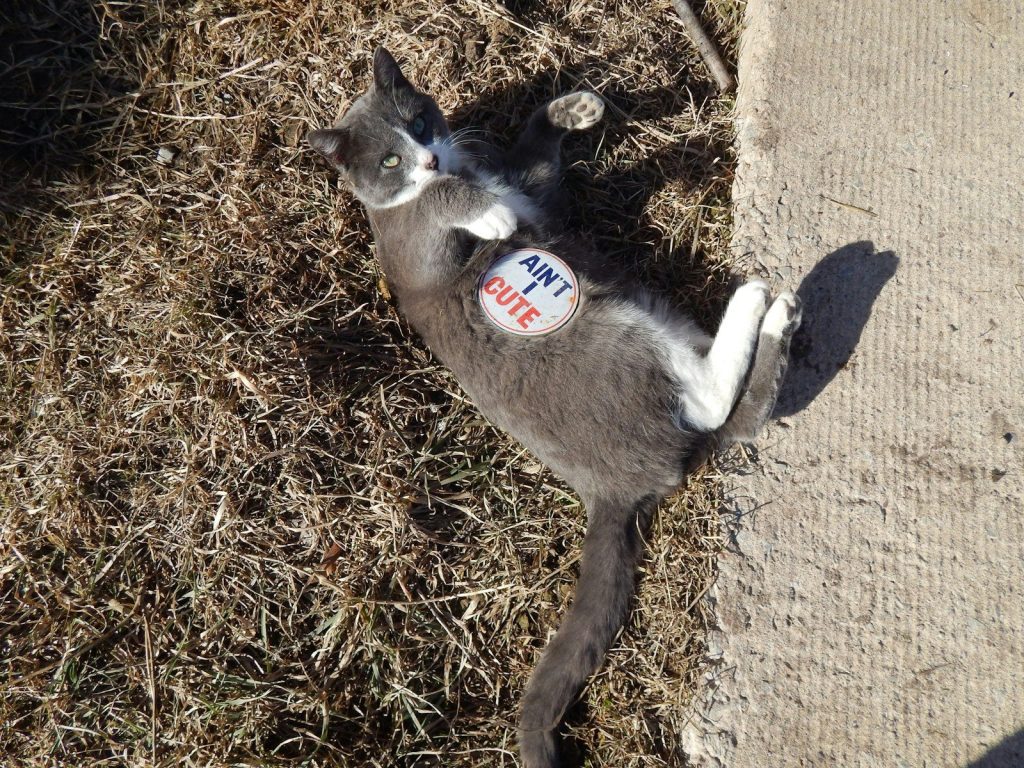
Despite the challenges surrounding her hindquarters, Lieutenant Dan has continued participating in kitten life with her foster family. Her updates show a small cat whose daily world includes littermates, caregivers, therapy, medical appointments, and her own adapted way of getting around.
The “flat tire” walk first made people notice her, but her story quickly became much bigger than one funny movement. Each new stage now follows Dani as she grows with a care routine shaped around the body and abilities she has.