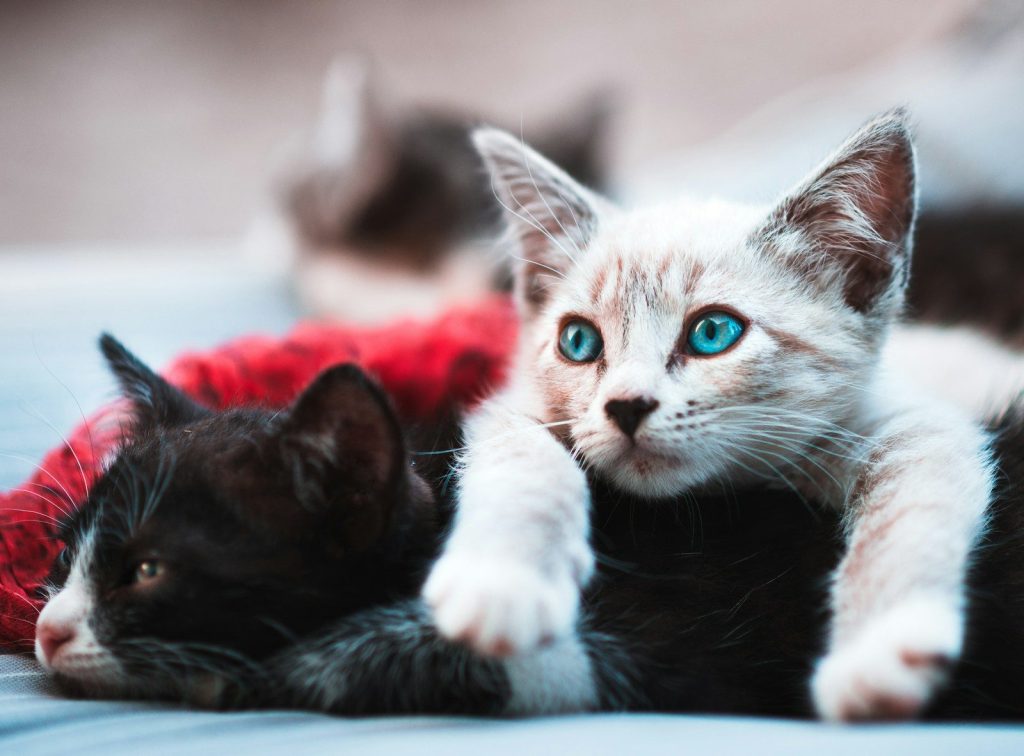

A Russian farmer once discovered four tiny kittens inside his barn, but something about their appearance seemed unusual. The babies were extremely young, with their eyes still closed, and their mother was nowhere to be seen. Rather than assuming they were ordinary domestic kittens, the farmer contacted specialists at the Daursky Nature Reserve. His instinct was correct. The four little animals were Pallas’s cats, also called manuls, a wild feline species found across parts of Central Asia.
Pallas’s cats are roughly comparable in body size to domestic cats, but dense fur, short legs, broad faces, low-set ears, and stocky proportions give them a completely different appearance. The reserve took over care of the vulnerable kittens, and reports from the case say domestic female cats helped nurse them while they grew. The ultimate goal was never to turn them into pets. Once mature enough, the young manuls were prepared for life outside human care and eventually returned to the wild.
Four Kittens Appeared in the Barn
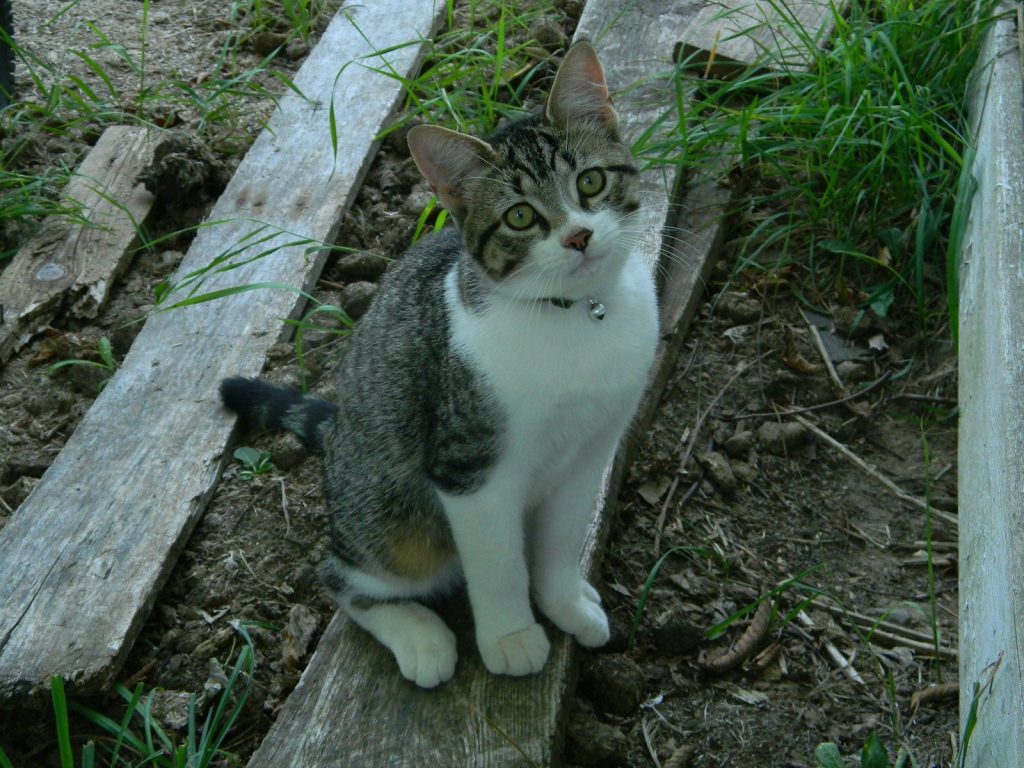
The farmer found four extremely young kittens together inside a barn in Russia. Their eyes were still closed, placing them at a stage when feline babies remain heavily dependent on maternal care for survival.
No mother appeared around the litter, and the farmer noticed that the kittens did not quite resemble ordinary farm cats. Instead of trying to identify or raise them entirely on his own, he contacted the Daursky Nature Reserve for expert help.
They Were Not Domestic Cats
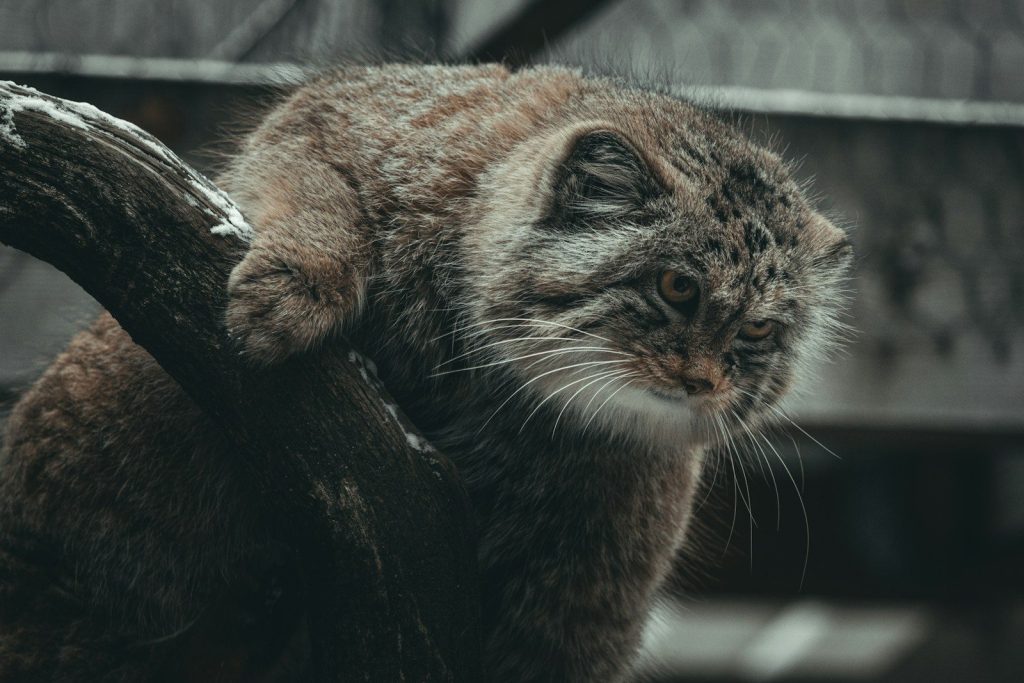
Specialists identified the kittens as Pallas’s cats, a small wild feline also widely known by the name manul. The species occurs across a broad but fragmented range of grasslands and steppes in Central Asia.
Their domestic-cat-like size can make the resemblance surprisingly convincing at first glance. Their anatomy differs in several noticeable ways, however, including shorter legs, a broad flattened-looking face, dense coat, and ears positioned lower along the sides of the head.
Their Dense Fur Changes Their Shape

A Pallas’s cat can look much larger and rounder than its underlying body because of an exceptionally dense coat. That fur helps insulate the animal in the cold, harsh environments found across much of its natural range.
Combined with short legs and a stocky frame, the coat creates the famous low, fluffy silhouette seen in photographs of adult manuls. Even the kittens show hints of the broad-faced appearance that eventually makes mature Pallas’s cats so visually distinctive.
Domestic Cats Helped Raise Them
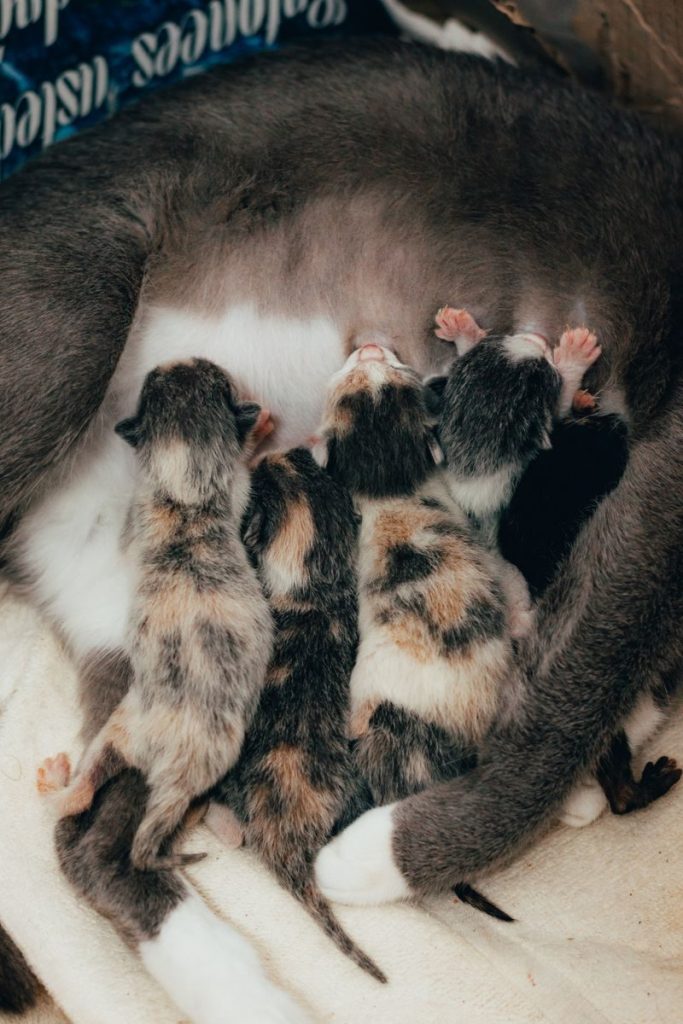
Reports from the rescue say two domestic female cats at the reserve accepted the four wild kittens and nursed them. That maternal care provided the vulnerable babies with food and support while specialists continued overseeing their development.
Cross-species fostering sometimes works when a nursing animal accepts young of another closely related species, although every situation depends on the animals involved. For these manuls, the domestic cats reportedly helped bridge the early stage until the kittens became strong enough for the next phase.
Pallas’s Cats Depend on Wild Habitat
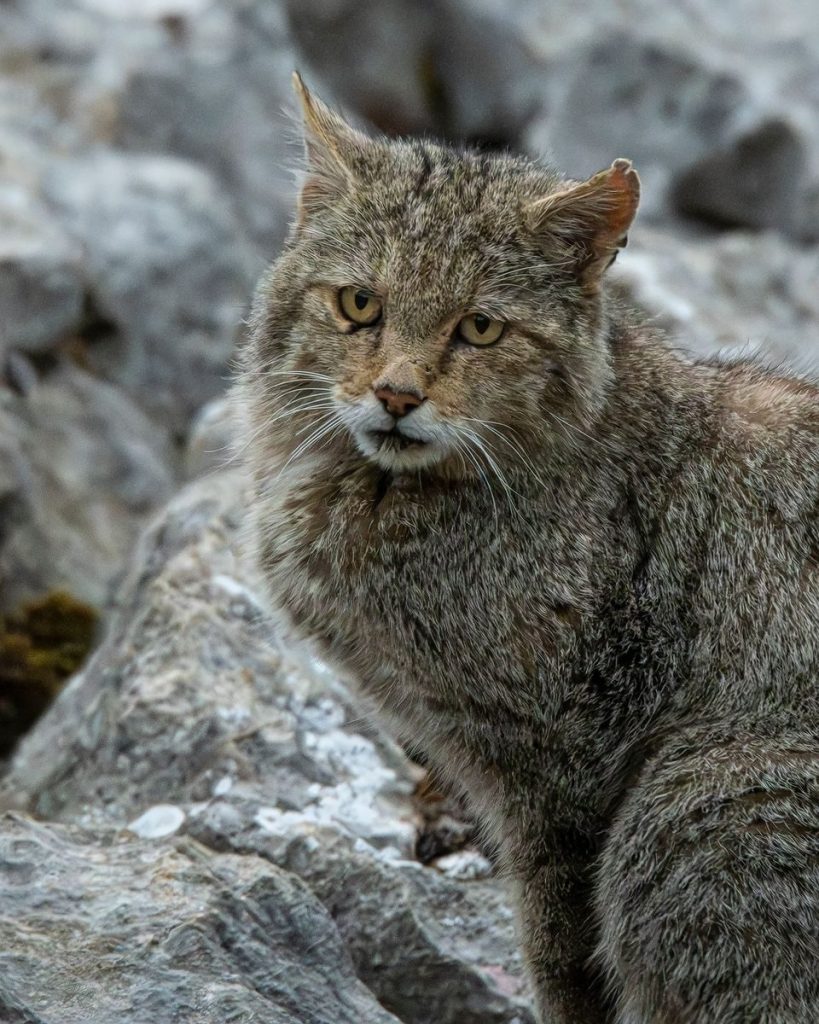
Pallas’s cats are adapted to open steppes and montane grasslands, where they use rocky areas, burrows, and other refuges for shelter, raising young, avoiding predators, and regulating temperature. Their lives are closely tied to these landscapes.
They also depend heavily on small prey, particularly pikas in many parts of their range. That specialized ecology makes a Pallas’s cat very different from a domestic barn cat, even when a tiny kitten initially looks familiar enough to cause confusion.
Low Ears Help Their Camouflage
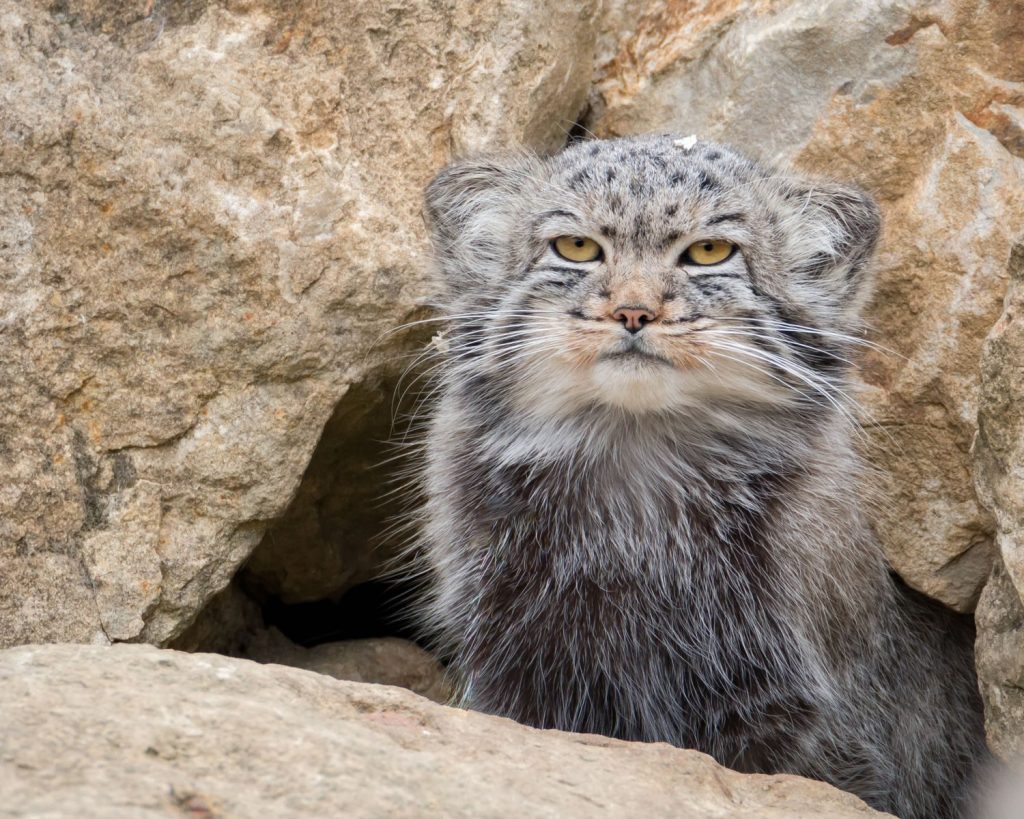
One of the easiest features to notice on an adult Pallas’s cat is the unusual ear placement. The ears sit relatively low on the sides of the broad head rather than standing prominently above it like typical domestic-cat ears.
Together with their coat coloring, this shape helps the animals remain less conspicuous while moving through rocky grassland. Their natural camouflage makes sense for a small predator that hunts while also needing to avoid larger threats across exposed habitats.
The Kittens Prepared for Independence

As the four kittens grew stronger, the reserve’s role changed from simply keeping fragile babies alive to preparing wild cats for an independent future. Their natural destination was the landscape their species evolved to occupy.
Reports from the Daursky case said the young manuls eventually progressed well enough to leave the reserve. That transition meant moving away from the domestic foster cats and people who had helped during infancy and toward the behaviors needed outside human care.
The Manuls Returned to the Wild
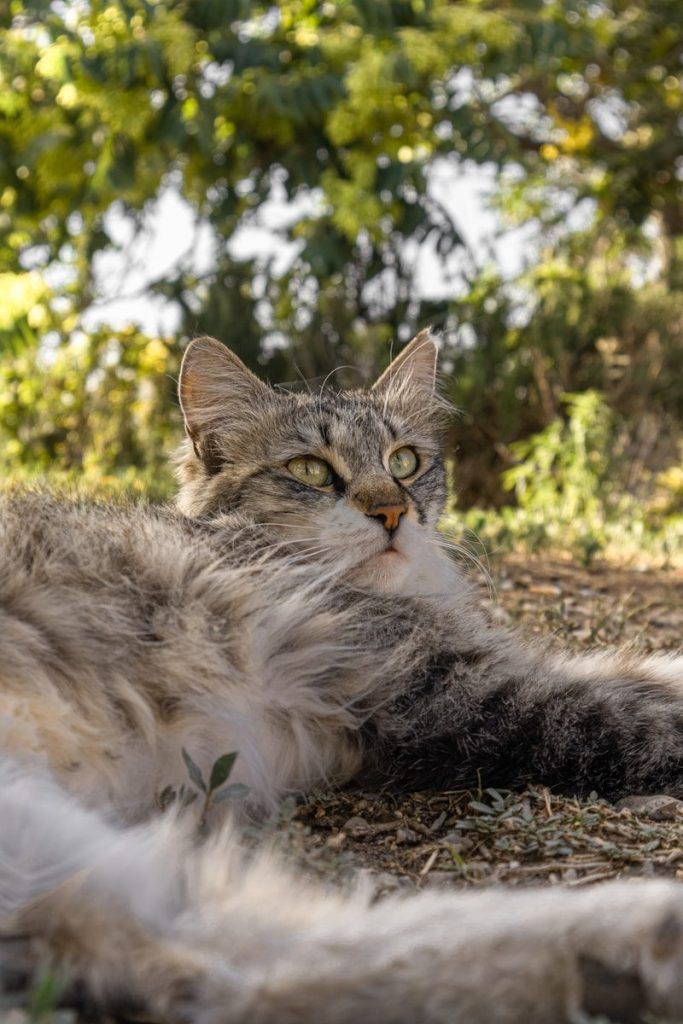
The young Pallas’s cats were ultimately released back into wild habitat, completing a remarkable journey that began when a farmer noticed four unusual-looking babies inside an ordinary barn. Later reports said the animals were doing well after their return.
The discovery became memorable because the farmer’s first impression was so understandable. Four tiny cats needed help, but they were never barn kittens at all. They were young representatives of one of Central Asia’s most distinctive wild felines.
Featured Image: Photo by Raul Varzar on Unsplash