

Many owners believe that cats only care about expensive toys and premium treats. We assume that showing affection requires grand gestures.
But our feline companions actually measure our devotion through tiny daily habits. These subtle interactions can completely transform your bond.
The Magic Of Slow Blinking

Closing your eyes slowly near a cat communicates deep safety. They understand this. According to research from Sussex University, slow blinking mimics a feline smile and lowers their heart rate. It is a simple way to say you care. This soft visual cue acts as a powerful greeting, but another physical habit matters even more.
Respecting Feline Personal Space

Forcing physical contact can easily stress a sensitive animal. Boundaries are critical. According to guidelines from the Cornell Feline Health Center, letting a cat initiate touch builds lasting security. This approach allows them to feel in control of their environment. Yet owners often forget about the vital message sent by their own daily schedules.
Keeping A Consistent Routine

Felines thrive when they can predict exactly when their meals will arrive. Predictability brings peace. According to studies from Ohio State University, sudden household changes can trigger stress behaviors in domestic pets. Feeding them at the same hour every day makes them feel deeply protected. But sound also plays a massive role in their emotional comfort.
Using A Soft Voice

High-pitched tones and loud volumes can startle your furry companion. Speak very softly. According to the American Veterinary Medical Association, cats respond far better to calm voices than loud commands. Whispering their name builds a comforting environment. However, there is a physical place in your home that holds the ultimate key to their trust.
Setting Up Safe Havens

Providing elevated perches allows a cat to survey their territory peacefully. Safety is essential. According to animal behavior experts at the ASPCA, high spots help cats relax by keeping them away from sudden floor activity. A cardboard box can also serve as a perfect escape. Still, the most surprising sign of affection happens during interactive play sessions.
Engaging In Mimic Hunting
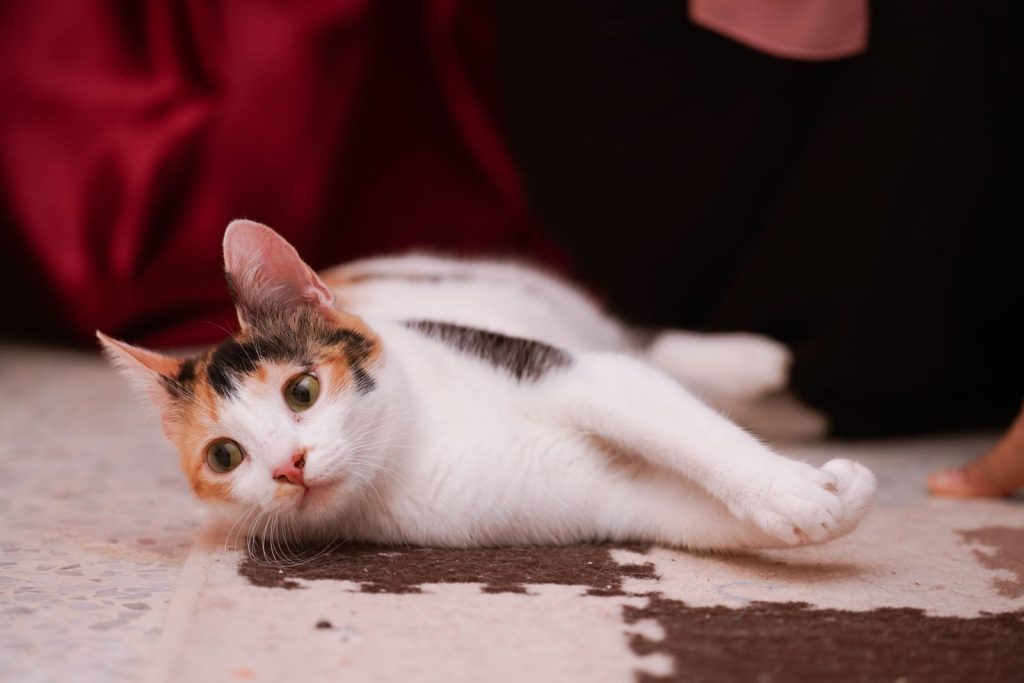
Active play sessions keep their minds sharp and bodies healthy. They must hunt. According to veterinary reports from the University of California, Davis, structured toy play prevents boredom and mimics wild hunting behaviors. Letting them catch the toy at the end satisfies their predatory drive. But a quiet couch moment reveals their true feelings.
Offering Gentle Grooming
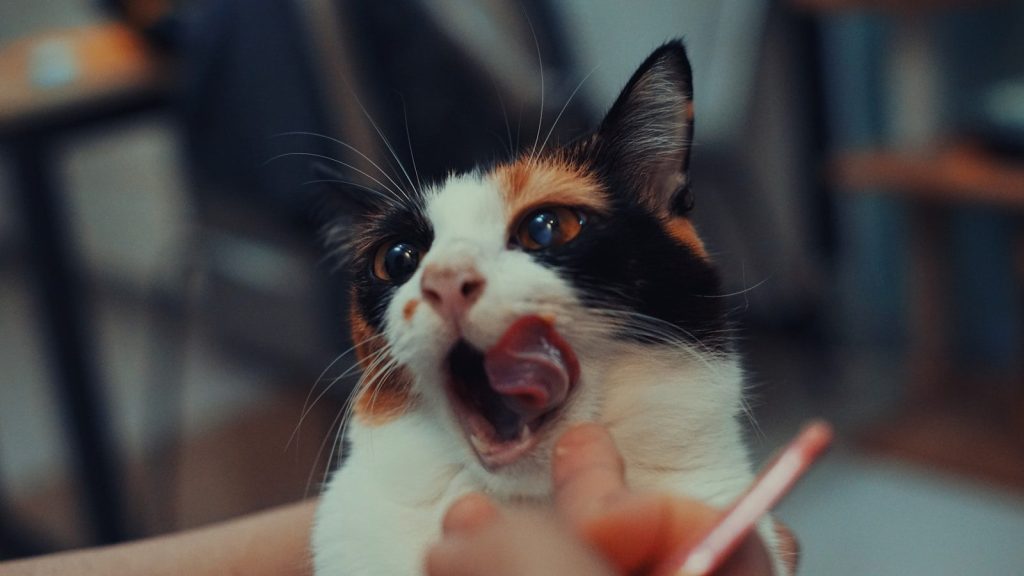
Brushing mimicking maternal grooming creates a strong emotional connection. It builds trust. According to feline behavior studies at Lund University, social grooming releases calming hormones in domestic cats. This quiet activity reminds them of their kittenhood. But there is one final habit that proves your home is their favorite place on earth.
Safe Sleep Spots
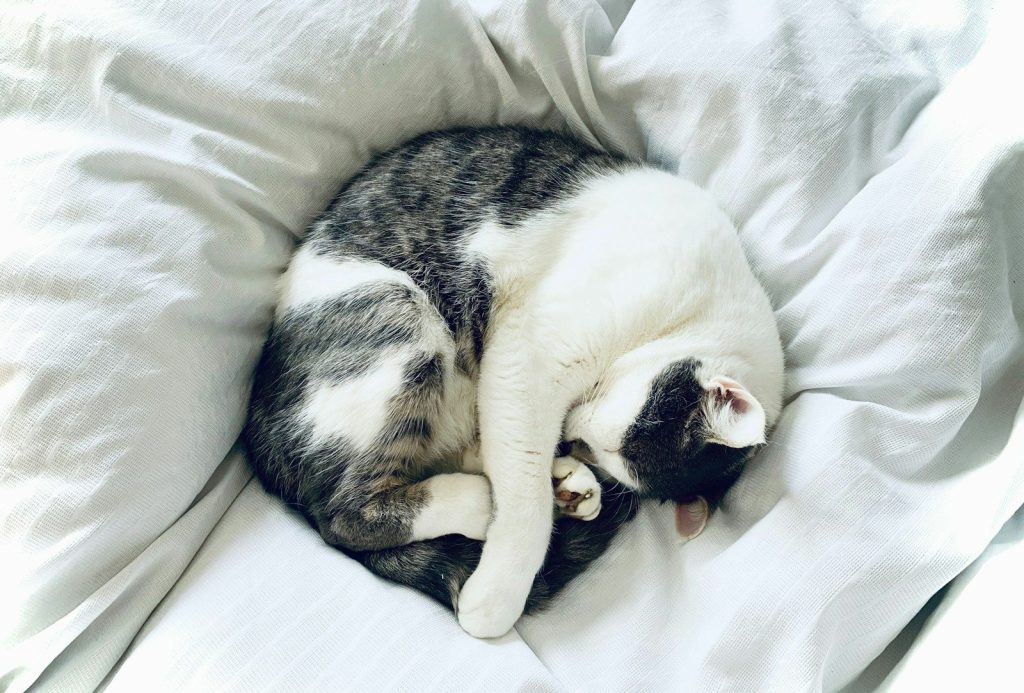
Letting your cat sleep near you is the ultimate sign of mutual safety. They feel secure. According to the American Association of Feline Practitioners, sleeping near a human companion shows complete trust and vulnerability. Enjoying these quiet moments together creates a lifetime bond. This article is for informational purposes only and does not constitute veterinary advice.
Featured Image: Photo by Ingrid Halim on Unsplash