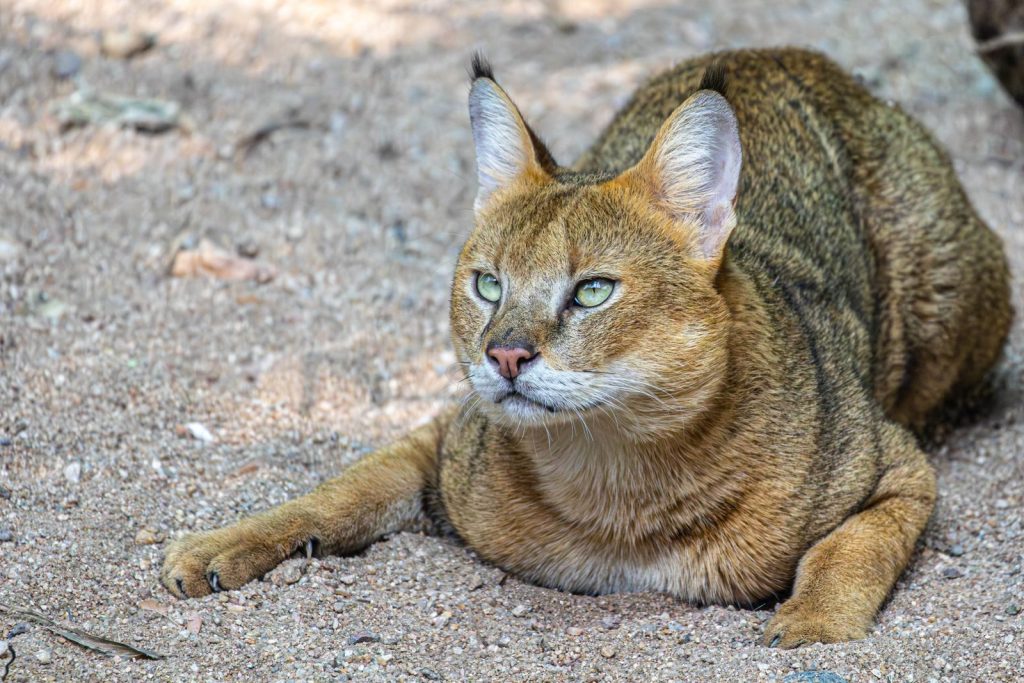

We often believe that humans actively captured and tamed the wild ancestors of our house cats. We assume that ancient farmers forced these predators to guard their grain.
But incredible scientific research shows that felines actually chose to domesticate themselves. This tiny African wildcat made a brilliant survival decision that changed history forever.
Meeting The Desert Ancestor
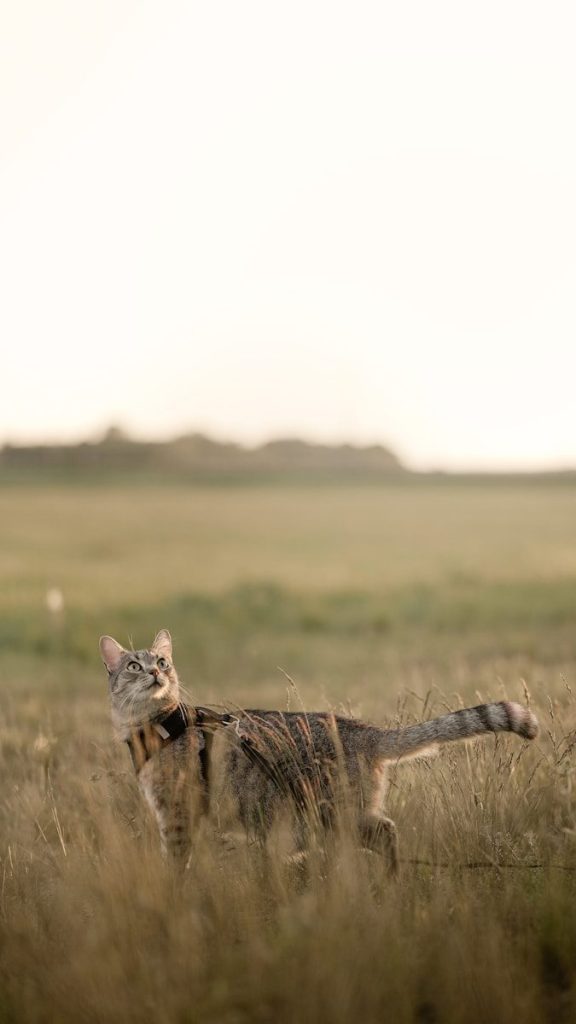
Thousands of years ago, a small feline roamed the dry grasslands of Africa. She was stealthy. According to evolutionary studies from the Smithsonian Institution, the African wildcat is the direct ancestor of all domestic cats. This rugged predator looked almost identical to a modern tabby cat. The rise of agriculture created a brand new opportunity.
Spotting The Grain Pests
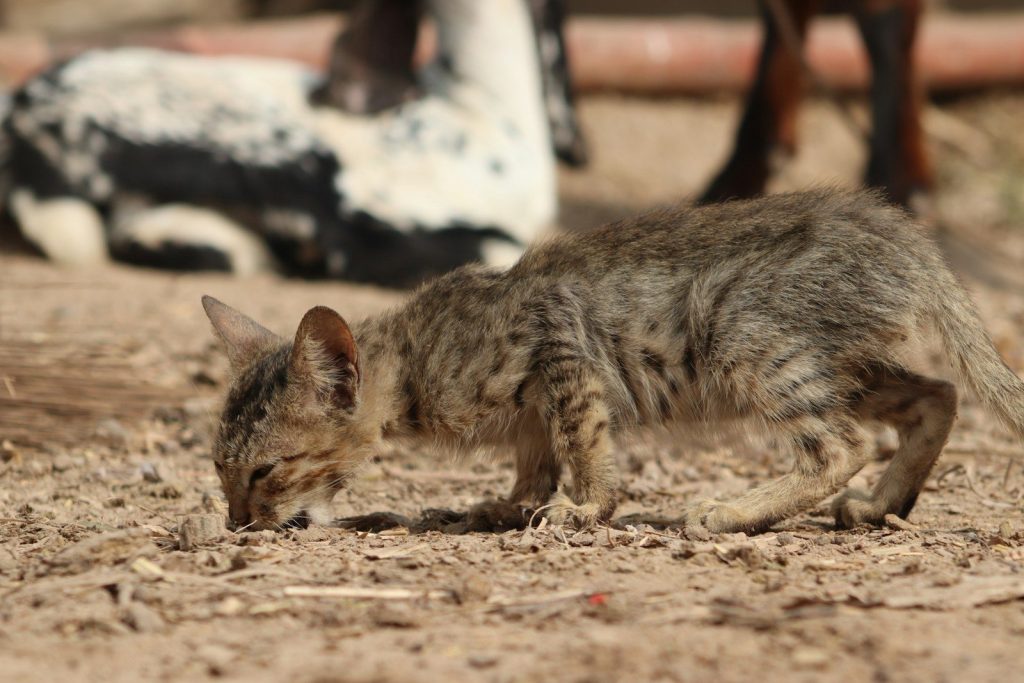
When early humans began farming, they stored massive piles of grain in mud barns. Prey was everywhere. According to reports from the National Geographic Society, these food stores attracted thousands of rodents to the ancient villages. This sudden explosion of prey did not escape the notice of the clever desert cats. But approaching humans required a massive behavioral shift.
Choosing Peace Over Fear
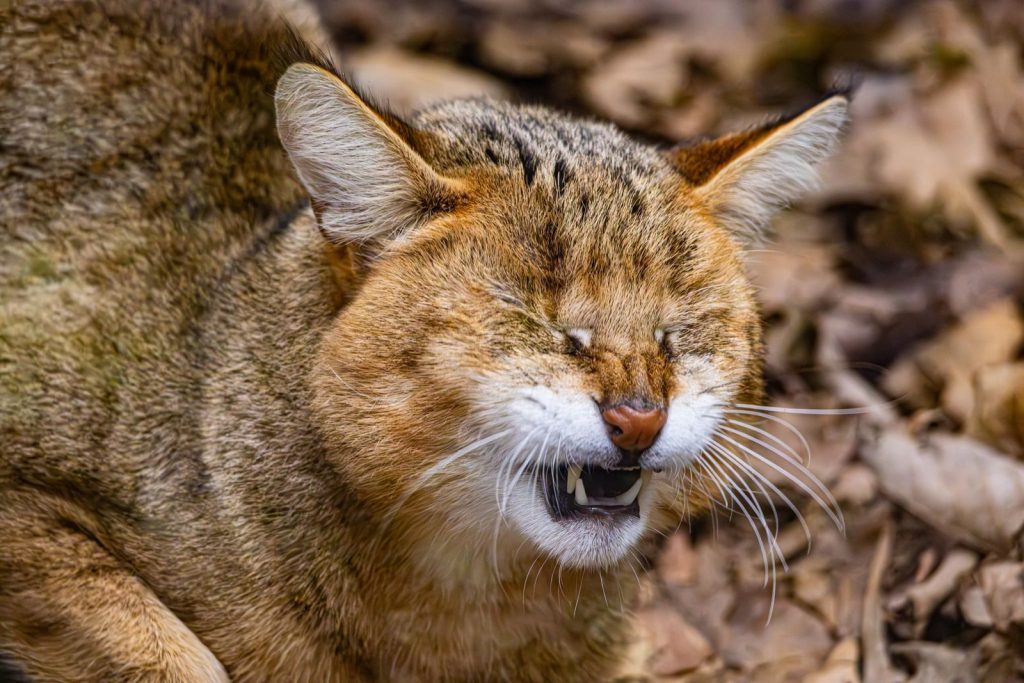
Wild animals usually run away when they see humans. Trust was slow. According to research from the University of Oxford, only the gentlest wildcats tolerated living near human activity. These friendly cats stayed close to the grain bins to hunt the mice. This peaceful arrangement benefited both species immensely.
Securing A Soft Life
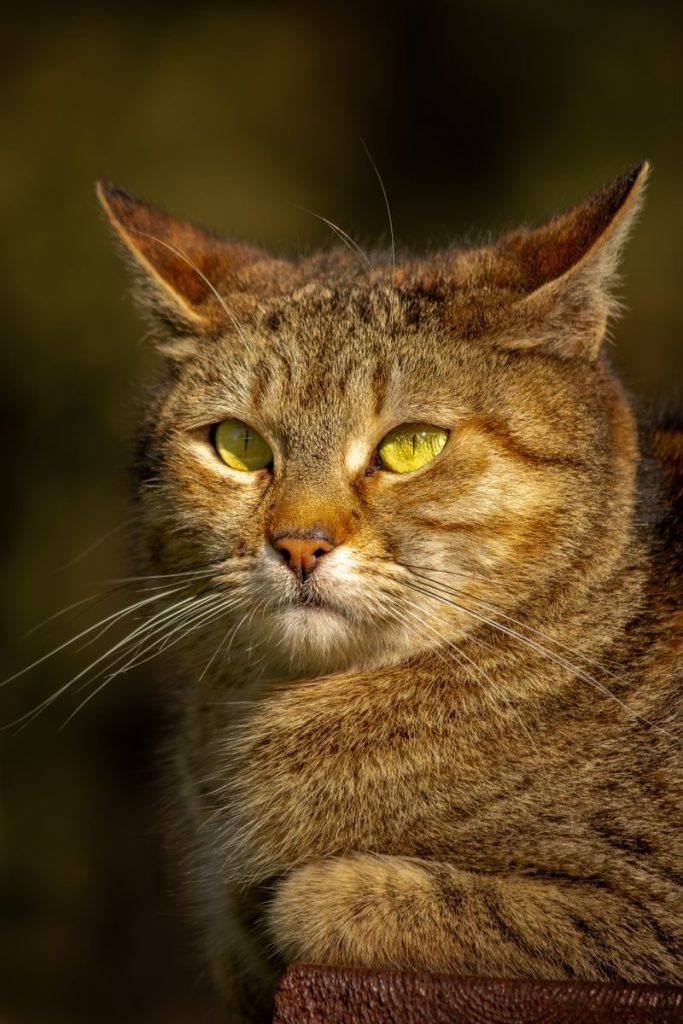
Humans quickly realized that having the small hunters around kept their food safe. Protection was mutual. According to studies from the Cornell Feline Health Center, early farmers began offering the cats warm milk and scraps of meat. This kind gesture encouraged the felines to stay indoors. Soon they began traveling across the entire globe.
Sailing Across Great Oceans
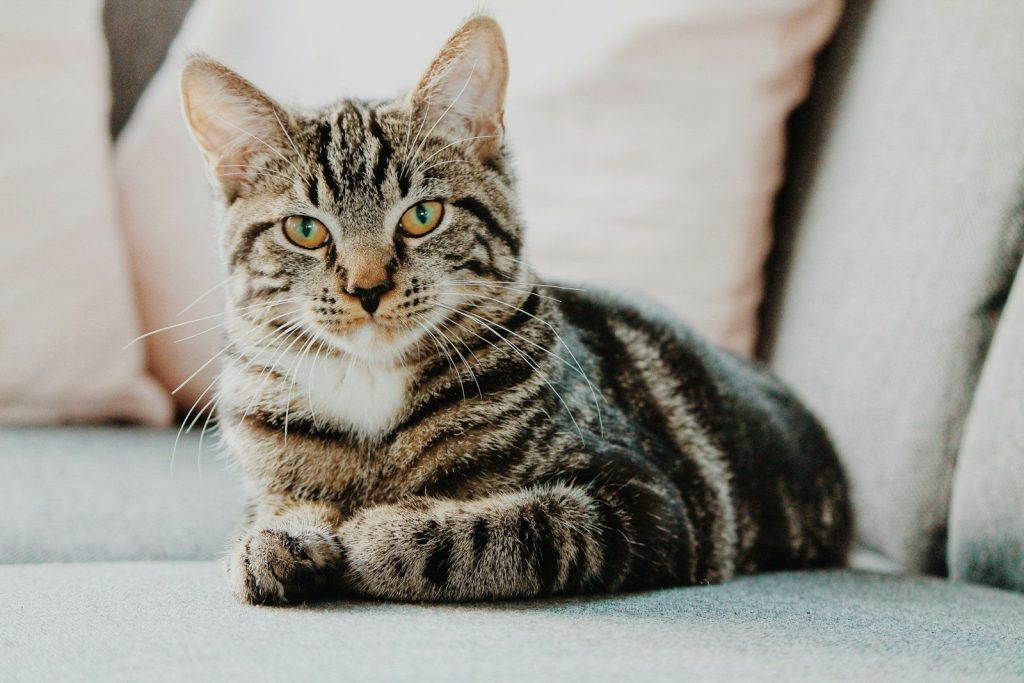
As humans expanded their trade routes, they brought their friendly rodent catchers onto wooden ships. They were vital. According to reports from the Society for American Archaeology, cats traveled with Roman soldiers and sailors to protect food supplies. This maritime partnership spread the descendants of the African wildcat to every continent. Our sweet house cats still carry the spirit of the desert.
Recognizing Wild Instincts Today
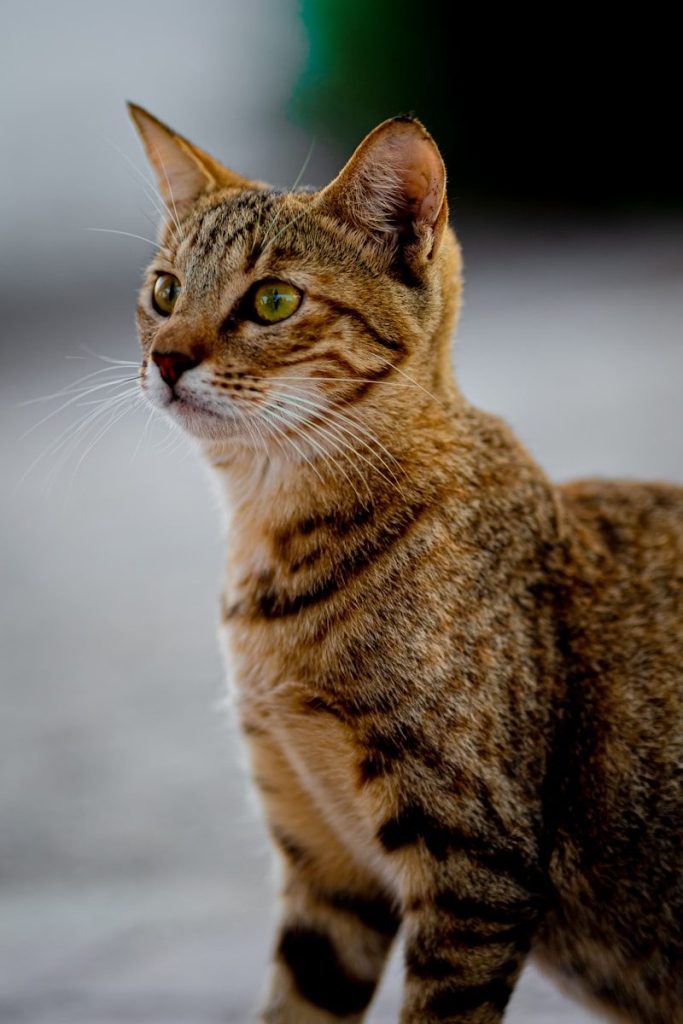
Your fluffy house cat still behaves like an ancient African wildcat. Instincts are strong. According to the American Veterinary Medical Association, high climbing and quiet stalking are direct behaviors inherited from their desert ancestors. Understanding this history helps us design better indoor spaces for our pets. Every play session is a beautiful tribute to their ancient heritage.
Honoring Our Feline Companions
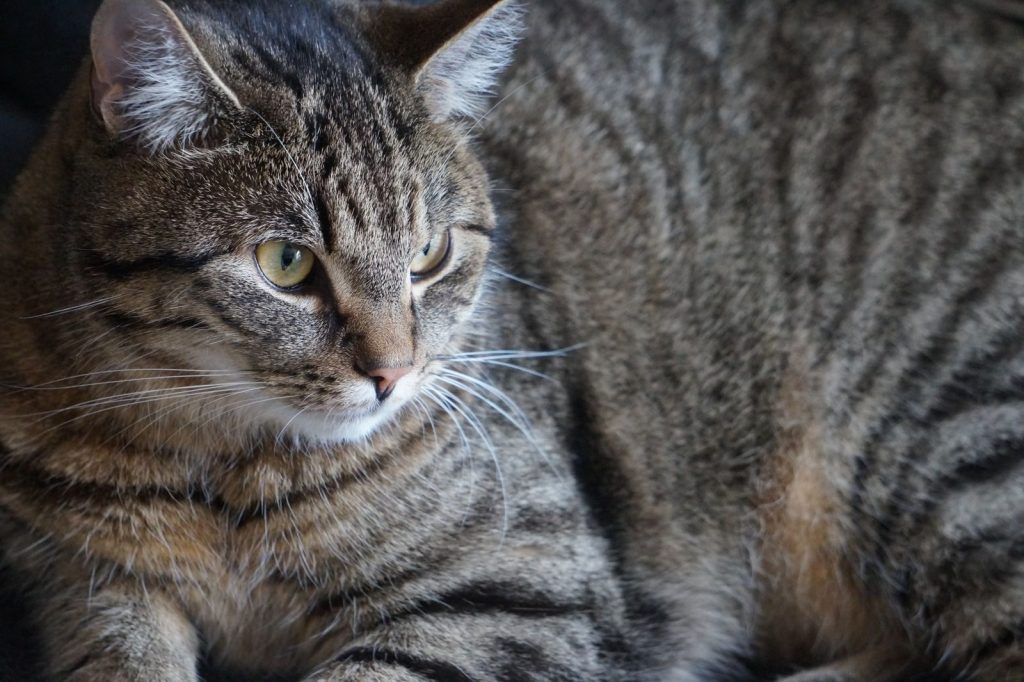
The next time your kitty purrs in your lap, remember you are holding a piece of living history. They chose us. According to the American Association of Feline Practitioners, honoring a cat’s wild nature is the key to a happy, healthy relationship. Appreciate the wild heart inside your gentle friend. This article is for informational purposes only.
Featured Image: Photo by Regan Dsouza on Pexels