Most people believe that all felines absolutely hate water. Yet one incredible rescue pet is shattering that stereotype by joining her owner on lake adventures.
This surprising behavior is not just a random fluke. Teaching a feline to enjoy water takes time, patience, and a very specific training method.
Understanding the feline aversion to wet fur
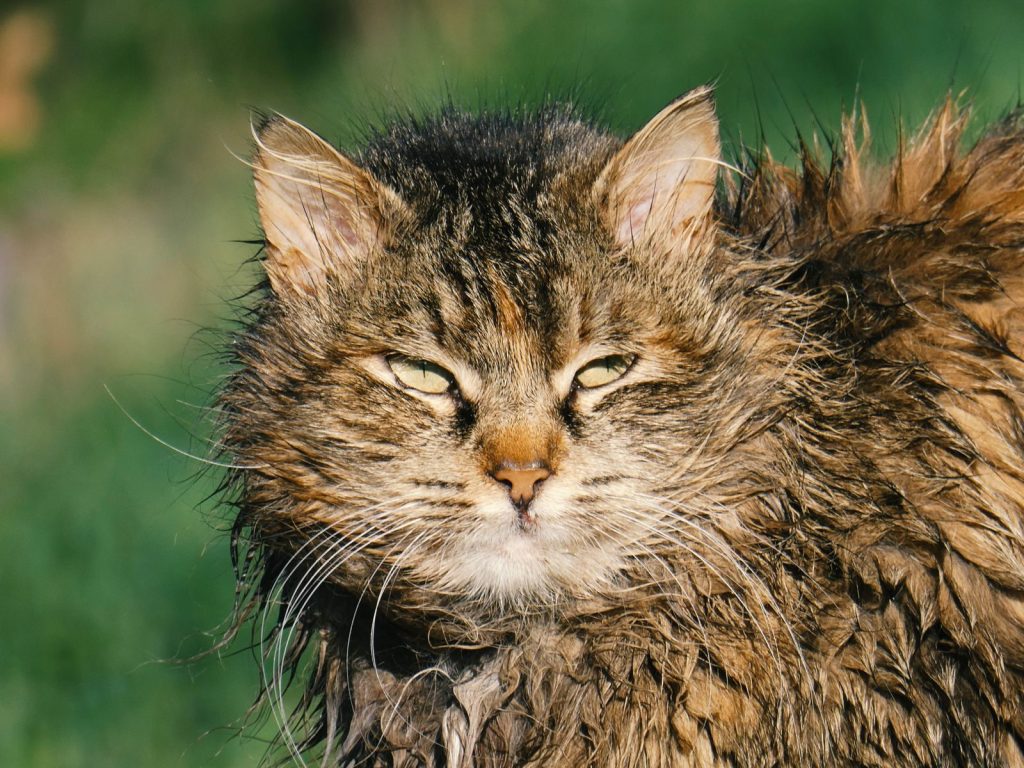
Wet fur is extremely heavy and makes it difficult for a cat to escape danger. According to the Cornell Feline Health Center, wet coats also make it very hard for felines to regulate their body temperature. But some cats can overcome this primal fear through gradual exposure. This journey begins in a very unexpected place.
Starting with shallow water in a quiet room
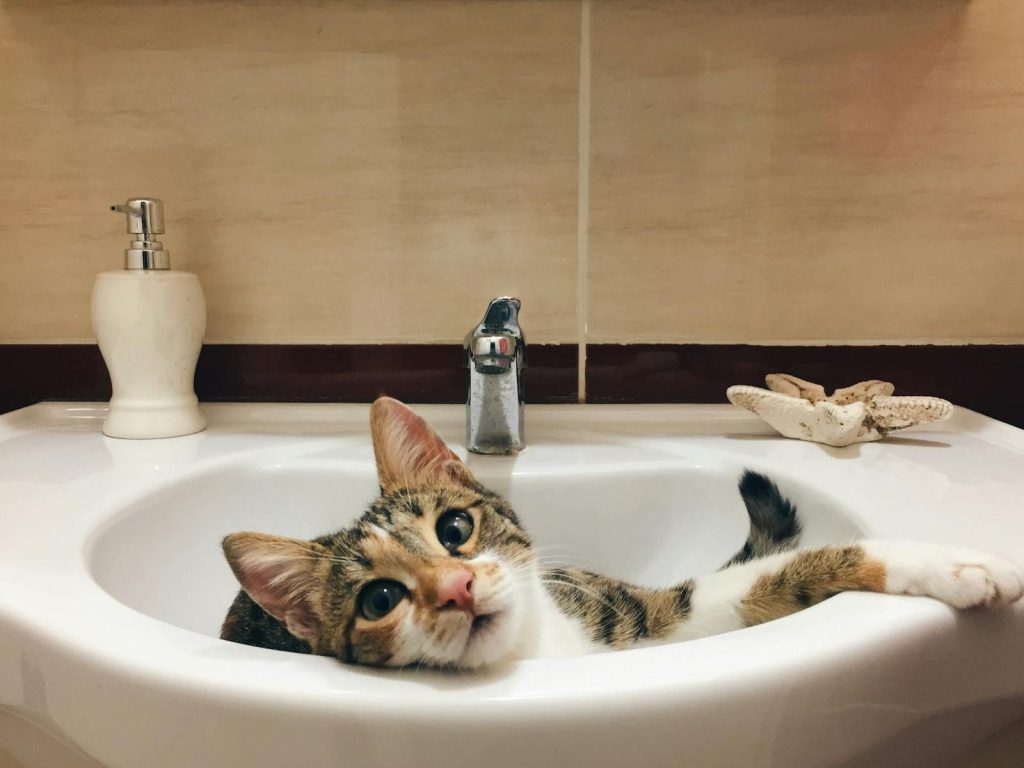
You should never throw a cat into a full pool or tub. Professional trainers recommend starting with a dry bathtub and placing some favorite toys inside. Slowly add a tiny splash of warm water to let them wet their paws during play. This positive association builds their confidence. However, you will need a special piece of gear before moving outside.
Choosing the right safety gear for water trips
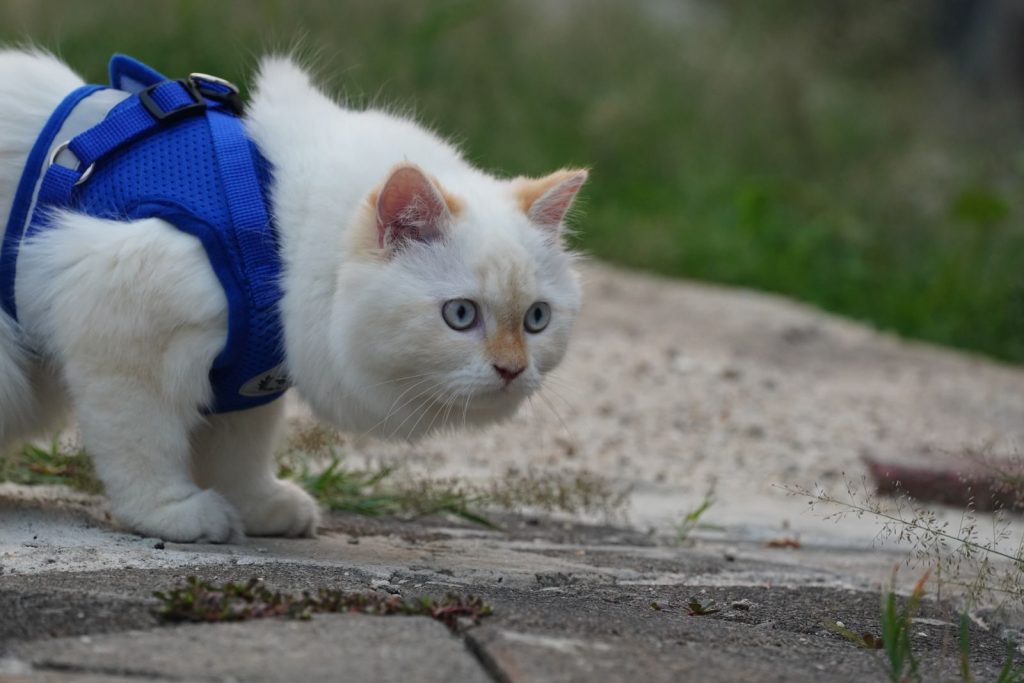
Outfitting your cat with a high-quality life vest is absolutely essential. The American Veterinary Medical Association notes that even strong swimmers can tire quickly in open water. A vest keeps them buoyant and gives you a secure handle to lift them to safety. But before they touch a lake, you must assess their mood.
Reading the subtle signs of feline stress

Scared cats will let you know they are uncomfortable long before they scratch. Watch for flattened ears, a low tail, or loud vocalizations. If your pet displays these signs, you must stop immediately and try again another day. Forcing the issue will only ruin their trust. Yet, one specific technique can make them feel incredibly secure in the deep water.
Staying close to build deep water confidence
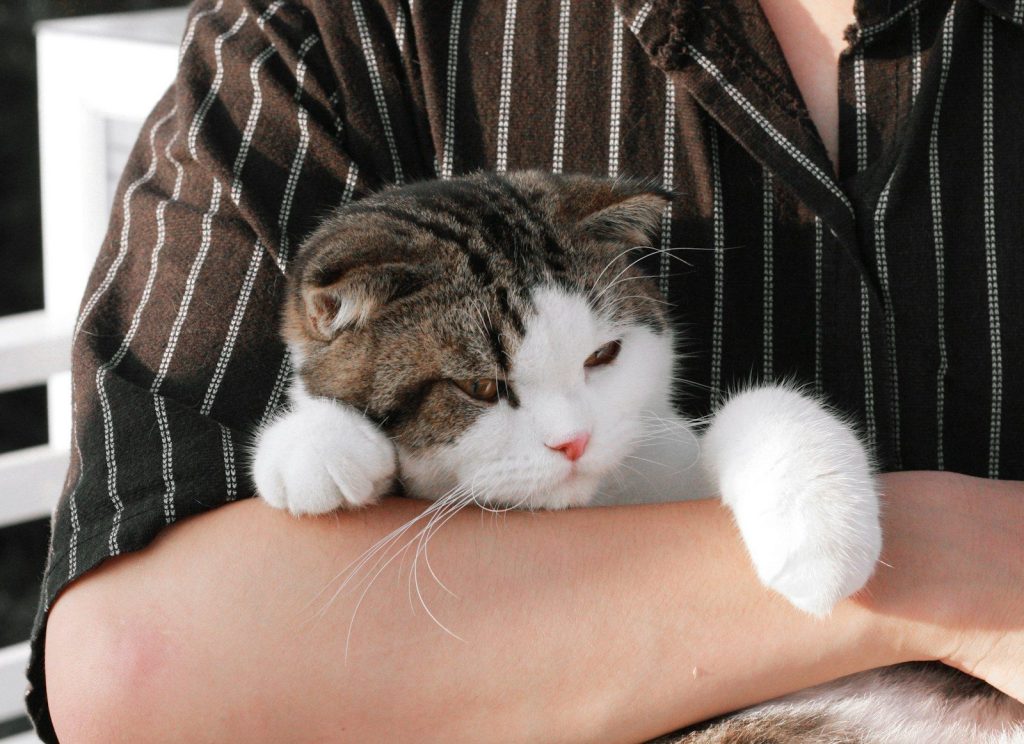
Holding your pet close to your chest allows them to feel your steady heartbeat. They look to you for safety cues when facing new environments. As they relax, you can gently let them float while keeping your hands right beneath their belly. This physical reassurance helps them transition to actual swimming. But the water itself holds a hidden danger you must avoid.
Watching out for dangerous water temperatures
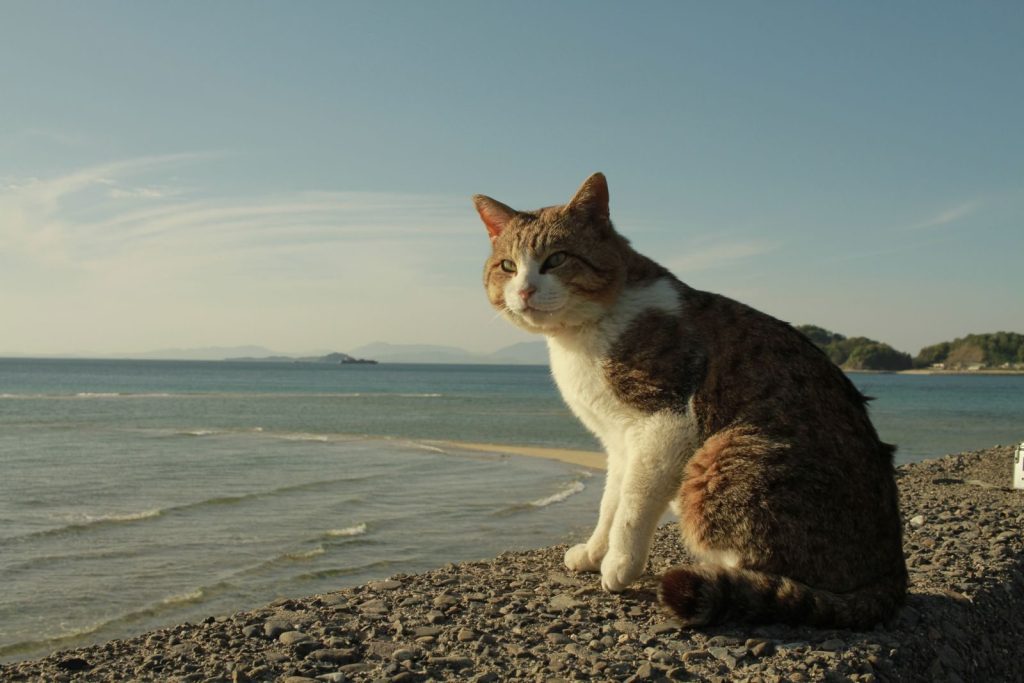
Cold water can shock a small animal and lead to hypothermia rapidly. Always choose warm, calm summer days for your outdoor swimming sessions. Avoid fast-moving rivers or crowded beaches that might startle your pet. Keeping the experience calm and predictable is the secret to a happy adventure cat. Still, your job is not quite done when they exit the water.
The crucial post-swim rinsing routine

Pond algae or pool chlorine can severely irritate a cat’s delicate skin. You must thoroughly rinse your pet with fresh water immediately after their swim. Wrap them in a warm towel and dry them completely to prevent them from catching a chill. This cozy cleanup soon becomes their favorite part of the adventure. Soon, you will see how this shared hobby changes your bond.
Sharing a lifetime of safe wet adventures

Swimming together can create an unbreakable bond of trust between you and your cat. With the right training and safety precautions, your pet can live a rich life full of exciting outdoor journeys. Remember to always put their comfort first and move at their pace. This article is for informational purposes only and does not constitute veterinary advice.
Featured Image: Photo by MATSUDA Akihiro on Pexels