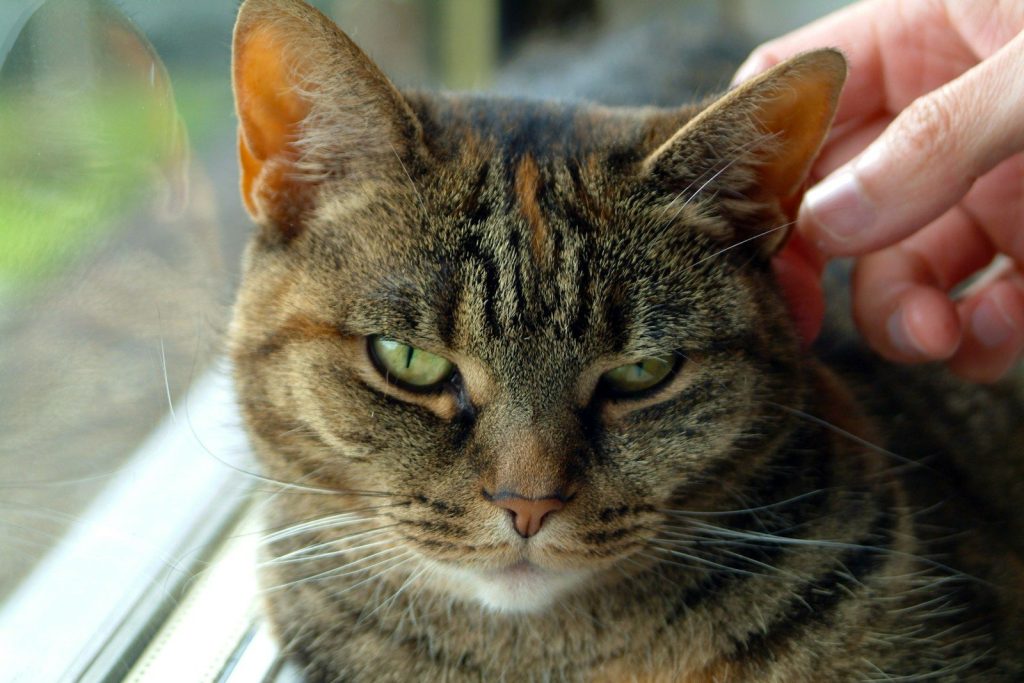

We love cuddling with our feline companions after a long, stressful day. However, your favorite petting style might actually be causing your kitty immense discomfort. Some areas of their body are highly sensitive.
Cats have highly developed nervous systems. They react poorly to overstimulation. Petting them in the wrong spots can trigger a sudden bite or scratch. Here are the key areas you should avoid touching.
The danger of the forbidden belly
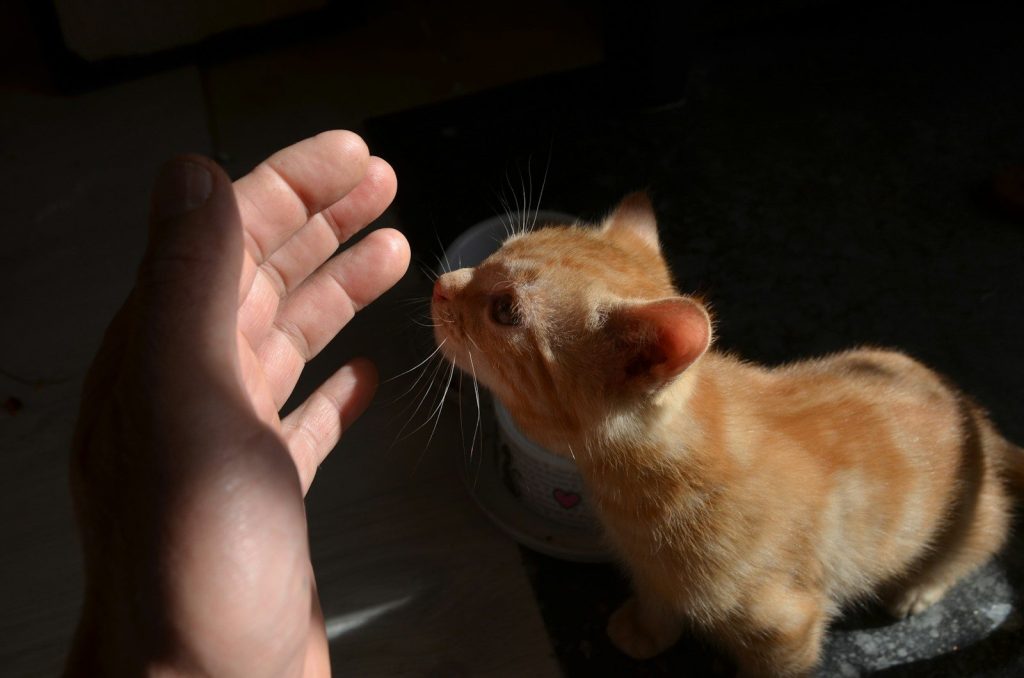
The belly is the most vulnerable area on a feline’s body. In the wild, predators target the soft stomach to reach vital organs. While your cat might roll over, they’re showing trust, not asking for a rub. According to the American Veterinary Medical Association, touching the belly triggers an automatic defensive reflex. But the tail area is equally risky.
Why you must avoid the base of the tail
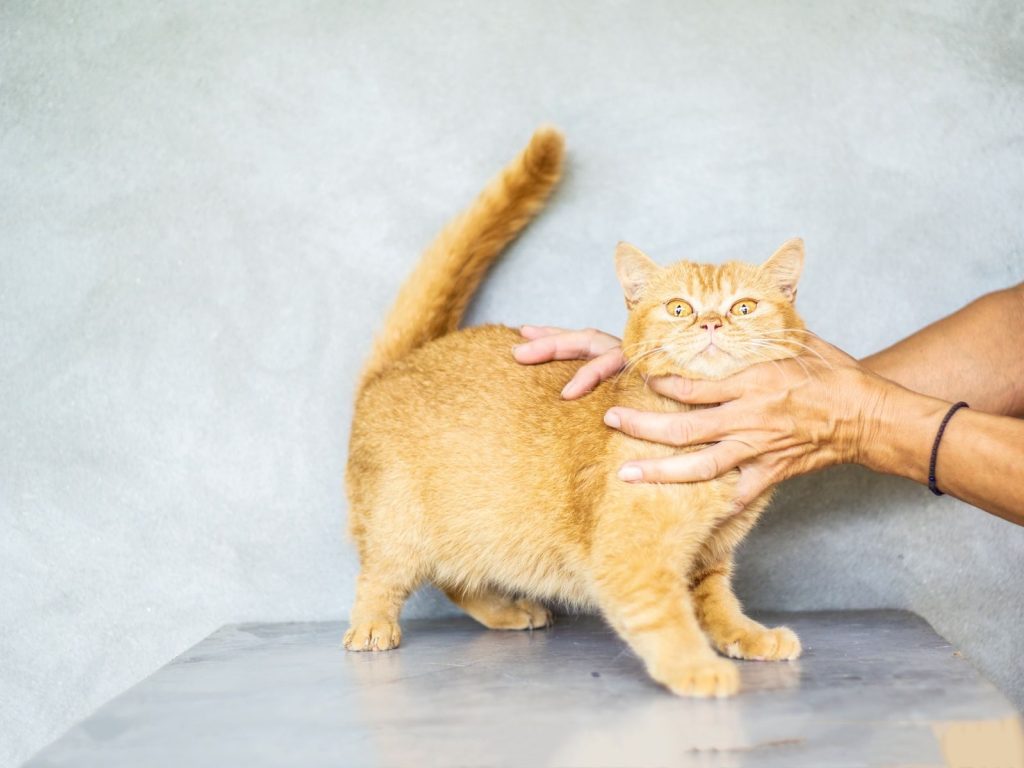
Many owners think cats love being scratched right where their tail meets their back. In reality, this area is packed with sensitive nerve endings. Light scratches can feel good briefly, but they quickly lead to painful overstimulation. The cat might turn and nip to make you stop. Fortunately, their legs present a different kind of boundary.
The hands-off rule for feline paws
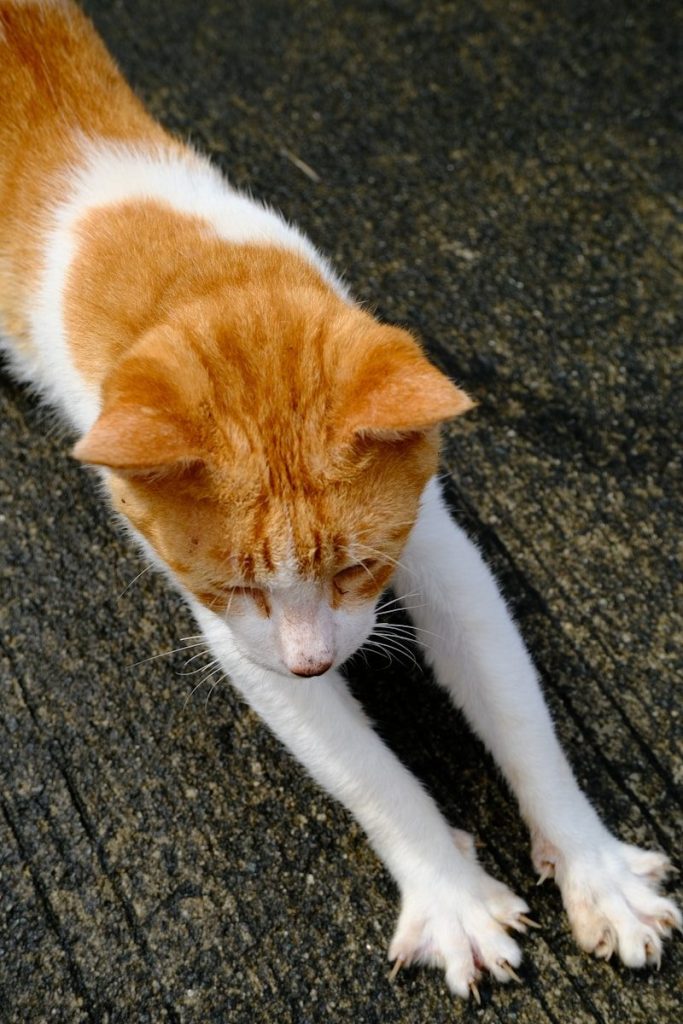
A cat’s paws are essential tools for sensing their environment. Their paw pads are loaded with nerve receptors that detect tiny vibrations on the ground. Touching or squeezing their paws can feel highly invasive and uncomfortable for them. They’ll usually pull their legs away immediately to protect their joints. But their head holds a separate secret.
Steering clear of the sensitive chin underside

While cats enjoy gentle rubs on the sides of their cheeks, the deep throat area is a different story. This region is close to vital airways and scent glands. Heavy pressure here can feel threatening or restrictive to a sensitive kitty. Always keep your touch light and high on the jawline. However, their lower back also has hidden traps.
The high sensitivity of the lower spine
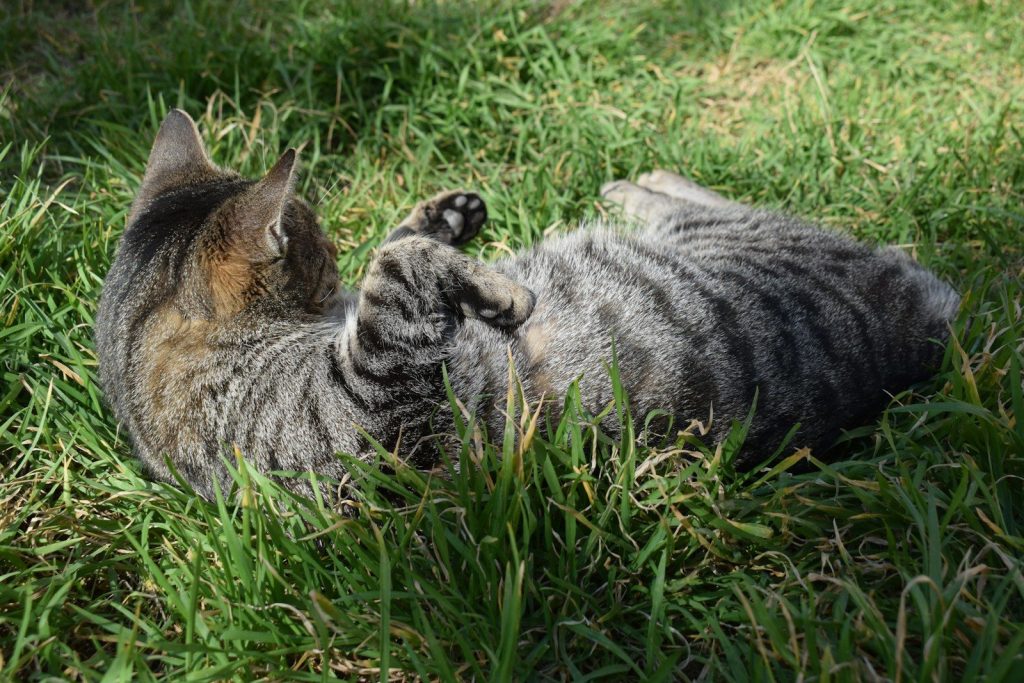
Your cat’s lower back near the hips is another area prone to quick overstimulation. Heavy patting or rough scratching can irritate the spine and cause discomfort, especially in older felines. If you notice their skin twitching, you should move your hand away immediately. This simple adjustment prevents a painful reaction. But how do you know where they actually enjoy being petted?
Where cats actually love to be touched
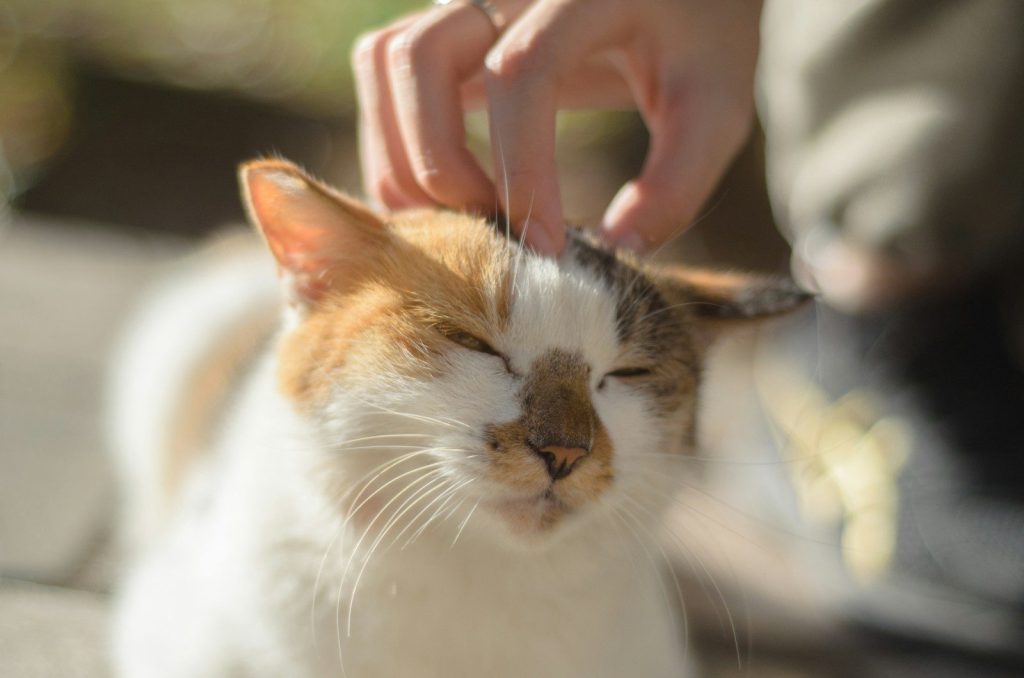
To keep your pet happy, stick to the safe zones where scent glands are concentrated. The top of the head between the ears is a universal favorite. Gentle strokes along the cheeks and behind the jaw are also highly relaxing. These safe areas release happy hormones that strengthen your bond. But you must also watch for subtle warnings.
Reading the subtle signs of overstimulation
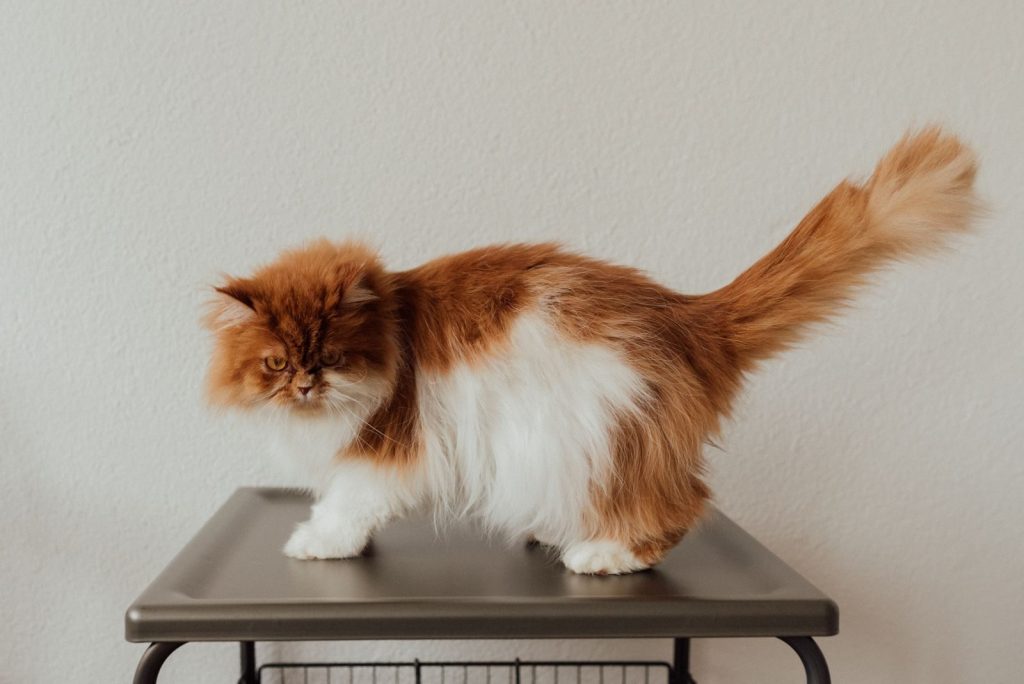
Watch your cat’s body language closely while cuddling. If their ears flatten, their skin twitches, or their tail starts thumping, they’re asking for space. Ignoring these warning signs is the main cause of sudden petting bites. Recognizing these quiet cues keeps both of you safe and happy. Soon, you will master the art of the perfect cuddle.
Building a lifetime of safe physical trust
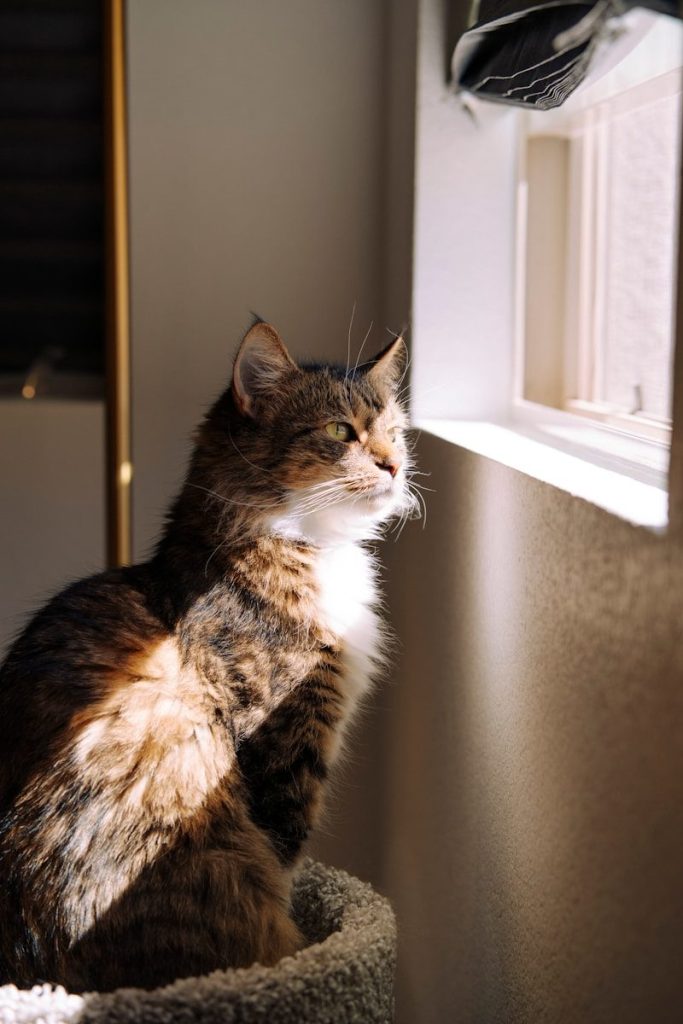
Learning your pet’s physical boundaries shows them that you are a safe and respectful owner. Every cat is unique, so pay attention to what your individual companion enjoys. A gentle, respectful approach creates a happier household for everyone. This article is for informational purposes only and does not constitute veterinary advice.
Featured Image: Photo by Mark Rigby on Unsplash