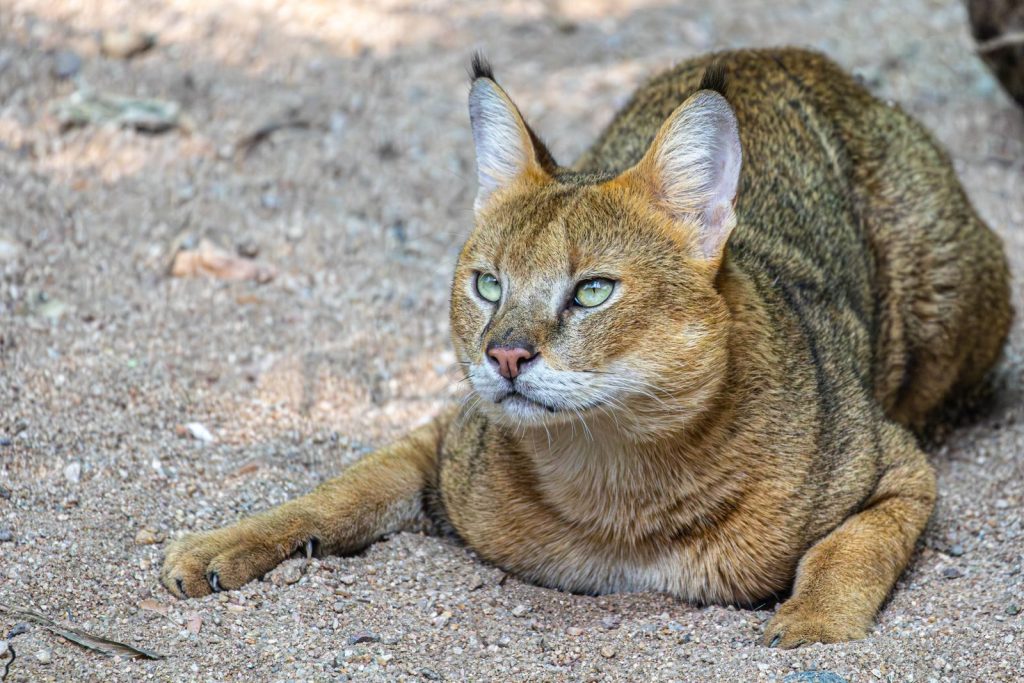

Camera traps in the UAE have photographed Arabian wildcats inside Wadi Wurayah National Park, providing the area’s first confirmed images in at least a decade.
The 2026 discovery is important because these small, secretive wild cats can be extremely difficult to distinguish from domestic-cat hybrids.
Cameras Made the Discovery

Camera traps installed in Wadi Wurayah National Park in Fujairah recorded Arabian wildcats after years without confirmed photographs from the protected area. The images were released by Emirates Nature–WWF.
Two Wildcats Were Recorded
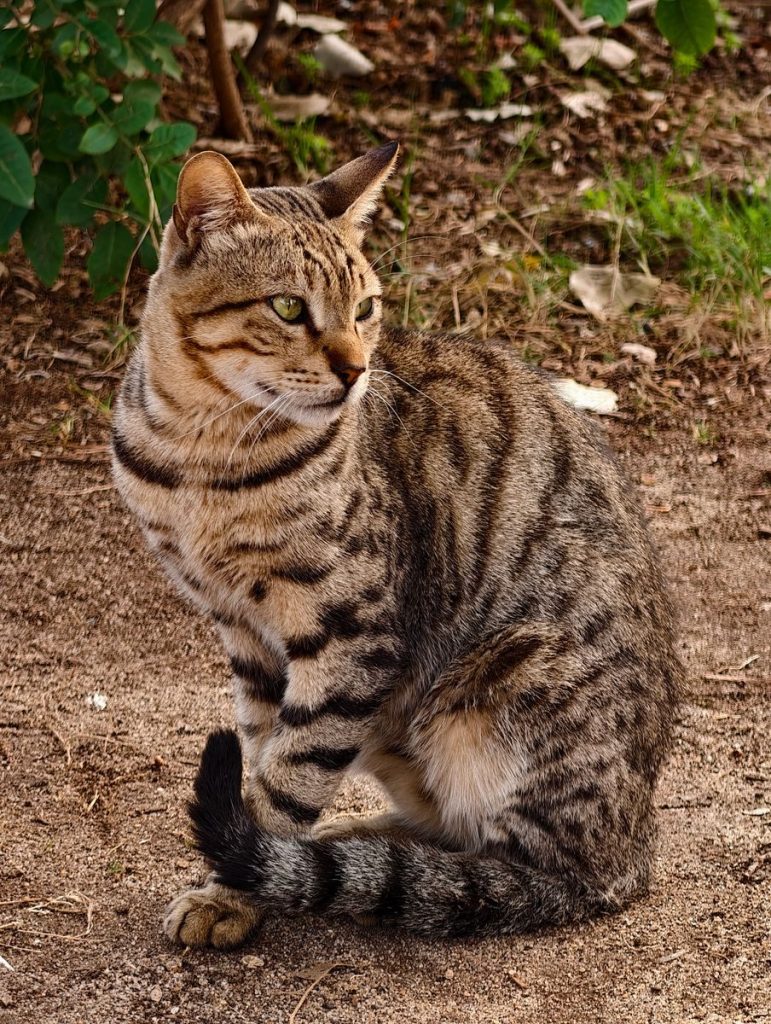
The monitoring cameras had been operating for about two years when researchers confirmed two individual Arabian wildcats. Their presence supplied valuable evidence that the elusive animals still occupy the park.
They Avoid Human Attention
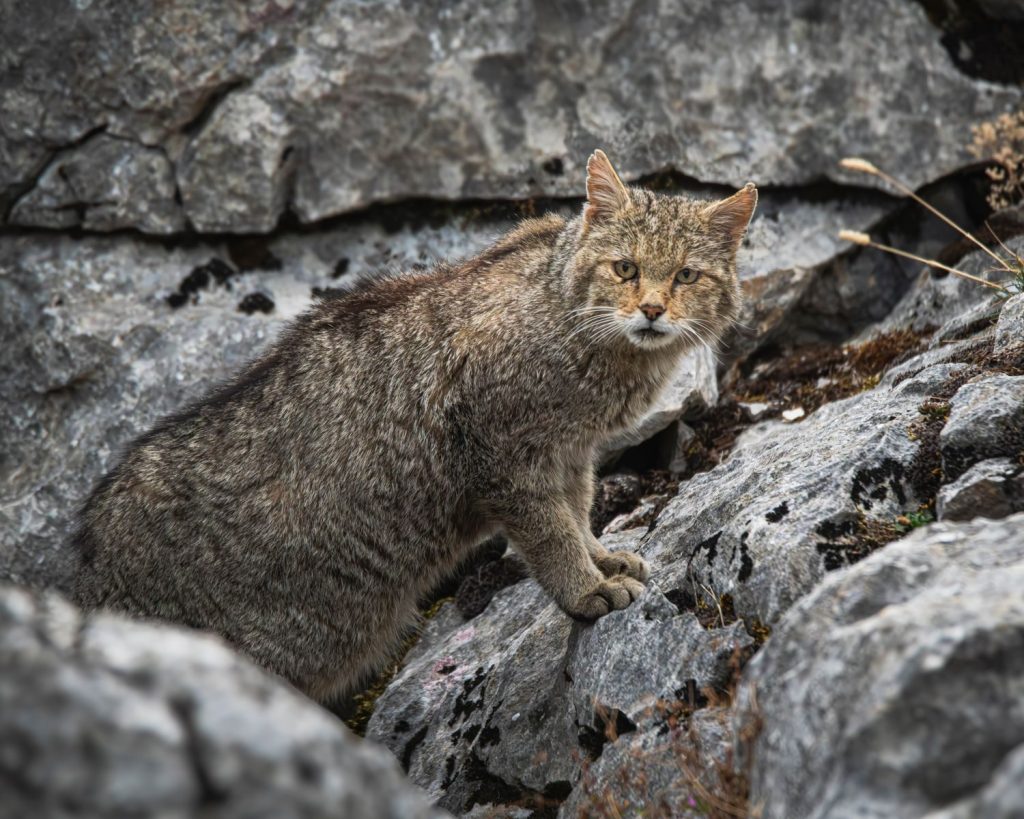
Arabian wildcats are secretive and largely nocturnal. Mature animals generally avoid people, which makes ordinary visual surveys difficult and helps explain why camera traps are valuable for detecting them.
They Look Surprisingly Familiar

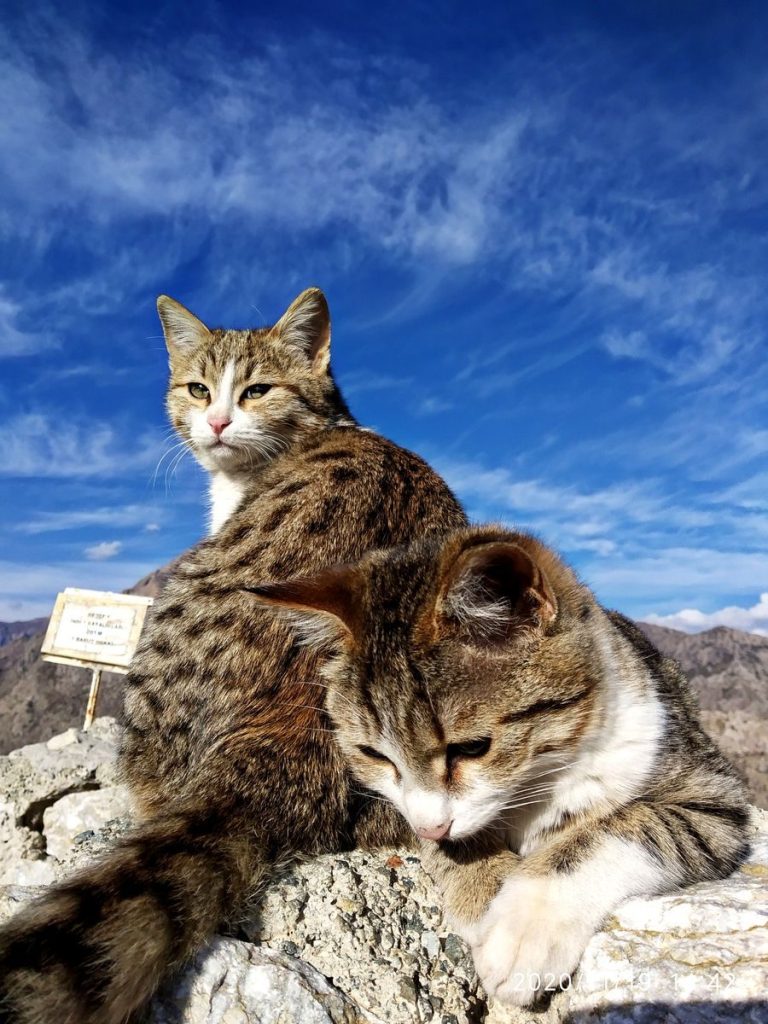
Arabian wildcats can resemble domestic cats. The animals photographed deep inside the park showed characteristics consistent with wildcats, but researchers cautioned that genetic testing is needed for absolute certainty.
Domestic Cats Create a Threat
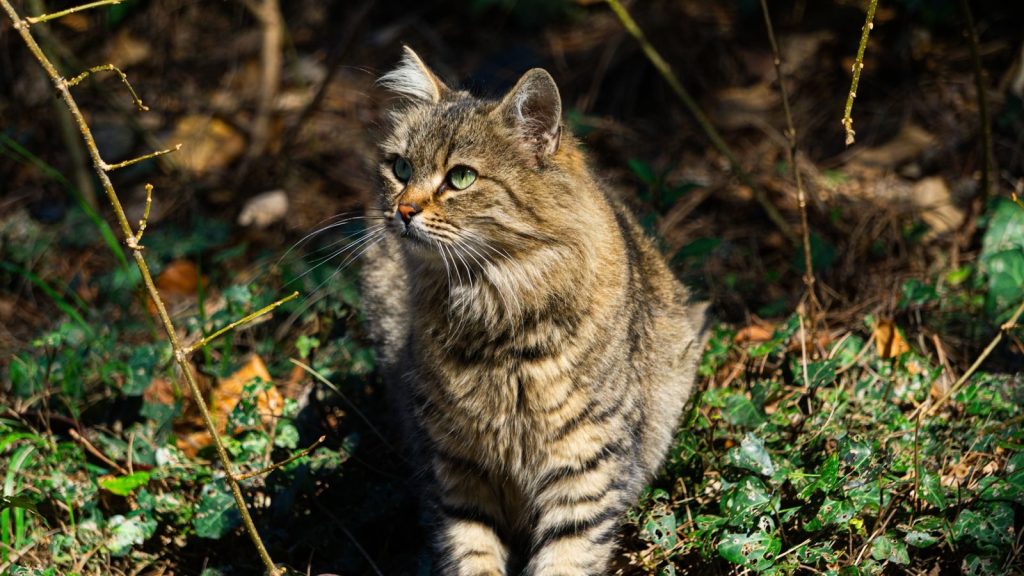
One of the greatest conservation concerns is hybridisation with domestic or feral cats. Researchers fear genetically pure Arabian wildcats may be becoming increasingly scarce in the UAE.
Habitat Is Also Changing

Roads, development, quarrying and uncontrolled off-road driving can fragment the mountain and foothill habitats used by wildcats. Overgrazing may also reduce vegetation and the small prey on which they depend.
Volunteers Helped Find Them
The camera project involved citizen scientists and volunteers through an Emirates Nature–WWF initiative. Conservation specialists said the discovery demonstrated how structured community monitoring can reveal animals that conventional surveys might miss.
More Monitoring Comes Next

Researchers have recommended broader camera-trap surveys and genetic analysis to better understand where Arabian wildcats survive and how much hybridisation has occurred. Their return to camera is encouraging, but many questions remain.
Featured Image: Photo by Regan Dsouza on Pexels