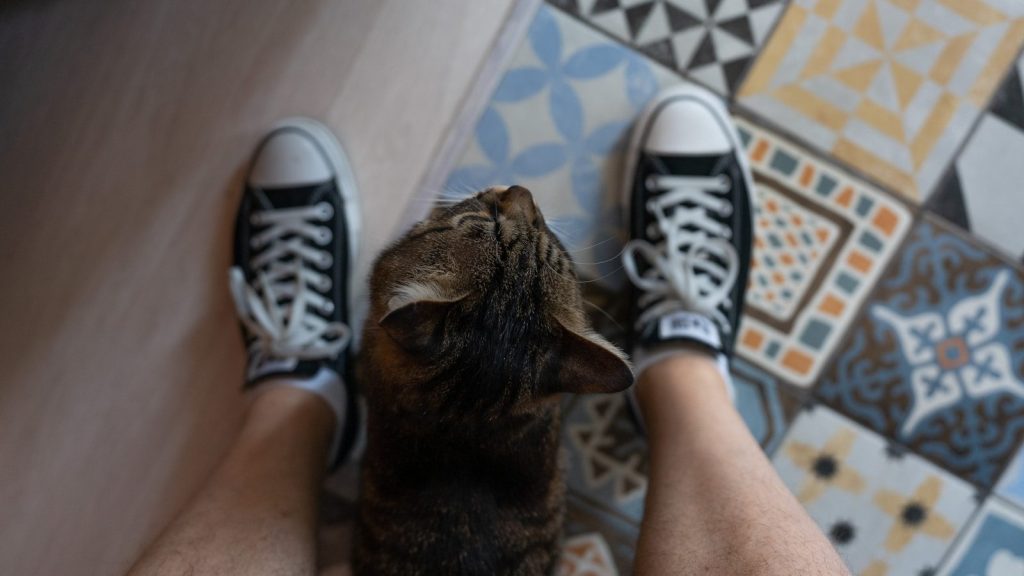

You walk into the kitchen and feel a soft nudge against your ankle. Your cat is right there, staring up with round eyes.
Feline experts have studied this constant shadow behavior. The biological drivers behind their need to stay close might surprise you.
Understanding the wild roots of feline attachment
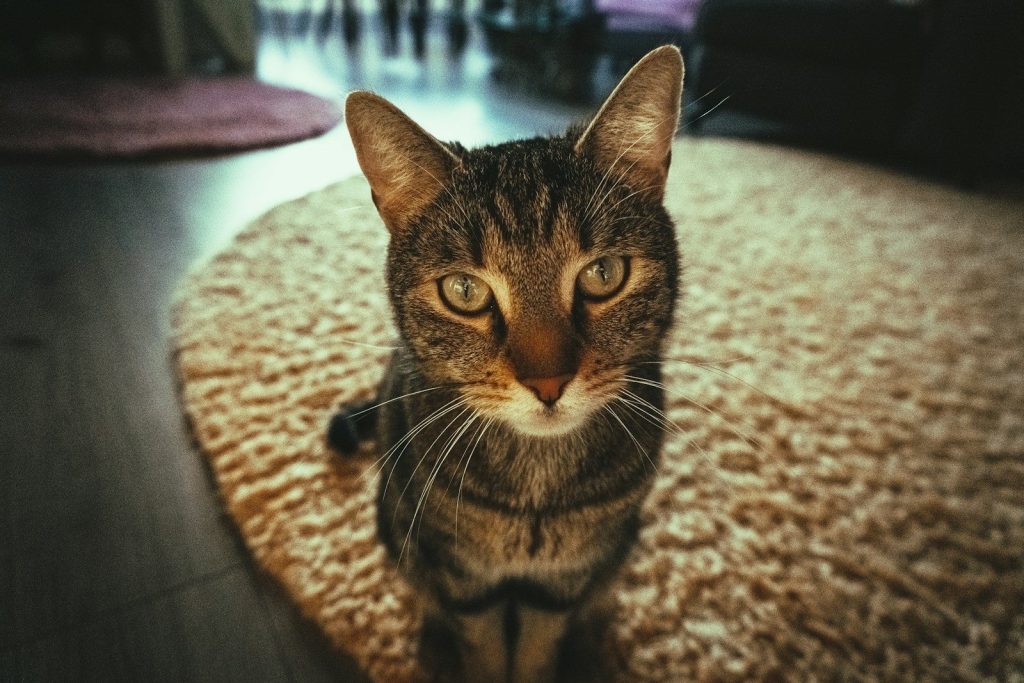
Cats in the wild survive by staying close to their social group. According to researchers at Oregon State University, domestic felines form secure attachments to humans that mimic wild family bonds. They do not just see you as a food provider. Your presence represents safety in an unpredictable world. But this instinct operates on a highly specific sensory level.
The powerful comfort of your familiar scent
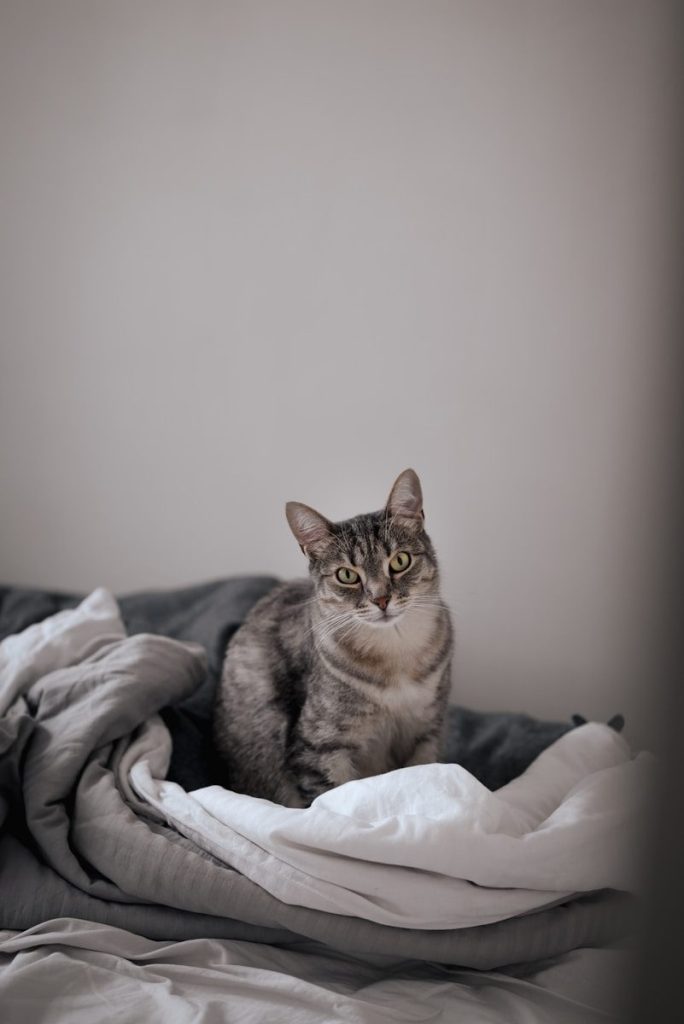
Your body carries a distinct scent profile that makes your cat feel completely safe. When they follow you, they are bathing in your familiar aroma to reduce their stress. A study published in the journal Behavioral Processes shows that cats prioritize human scents over toys. This sensory craving explains why they shadow you into the quietest rooms. Yet scent is only the beginning of their devotion.
How everyday routines build ultimate trust
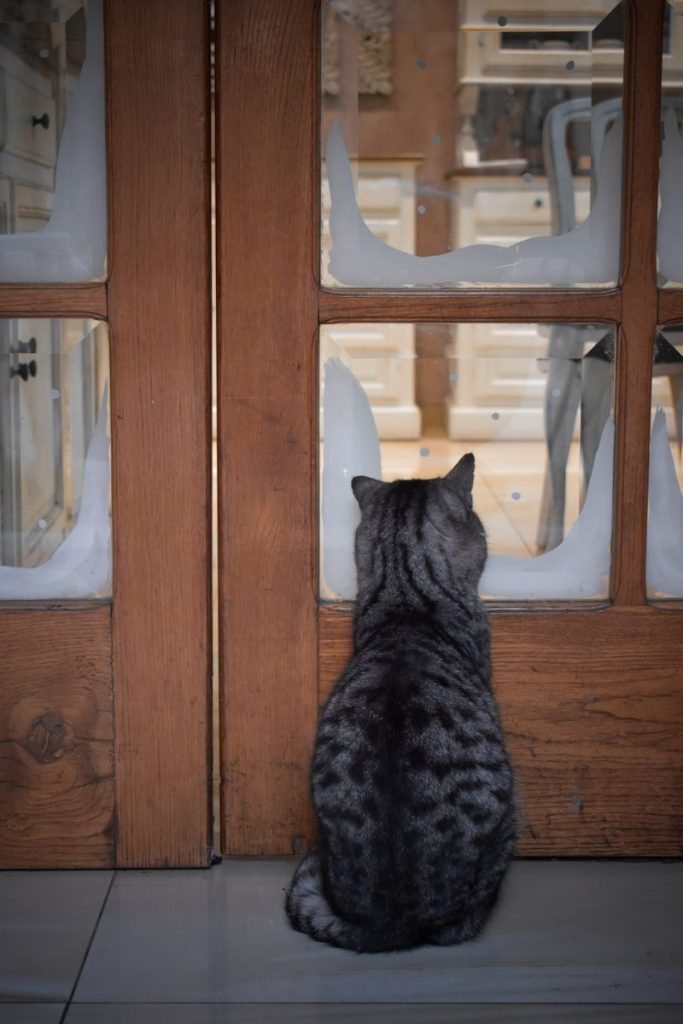
Felines thrive on highly predictable schedules. They quickly learn your morning habits, from the sound of your alarm to your bathroom routine. Following you helps them track these daily patterns and anticipate when fun events will occur. This active participation strengthens their emotional bond with you. However, some cats take this tracking to an extreme.
The constant demand for active entertainment
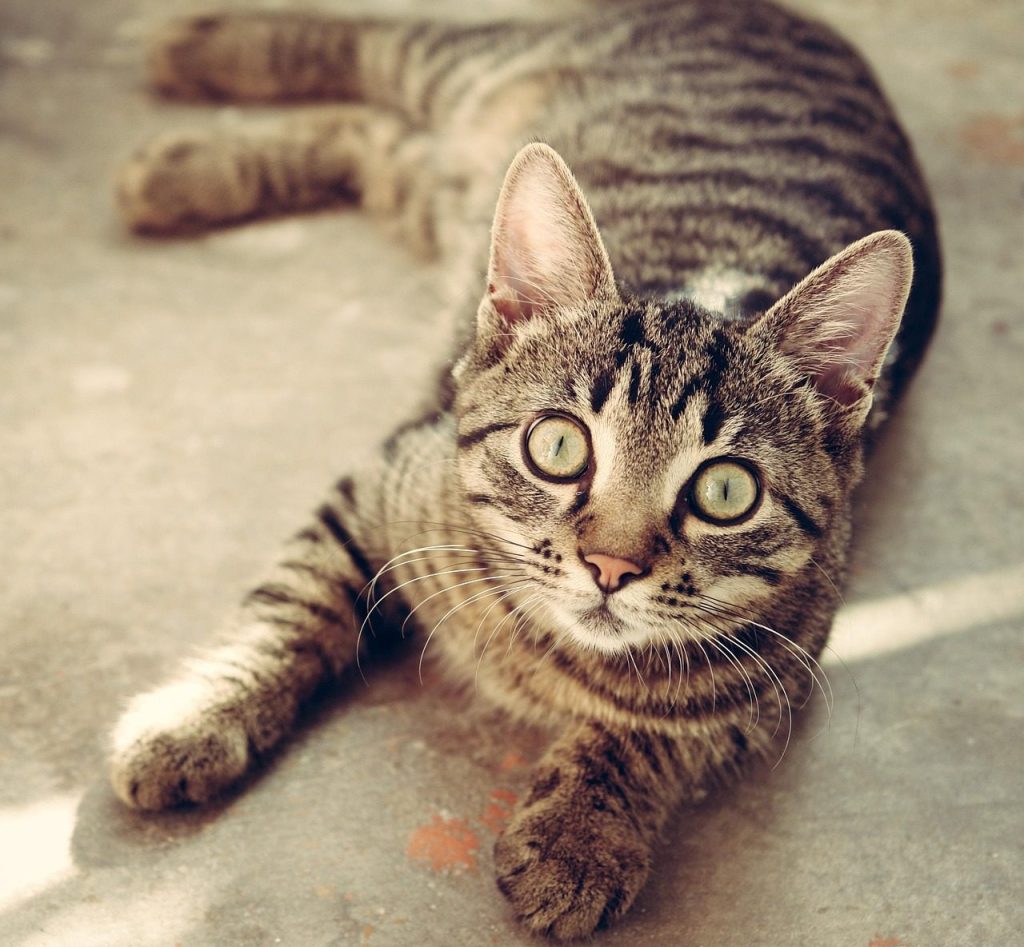
Boredom is a common issue for indoor felines. If your cat lacks physical stimulation, you become the most exciting moving object in the house. They follow you simply to see what you will do next. This behavior is a gentle hint that they need more interactive play. But another hidden driver is their territorial instinct.
Claiming you as their personal property
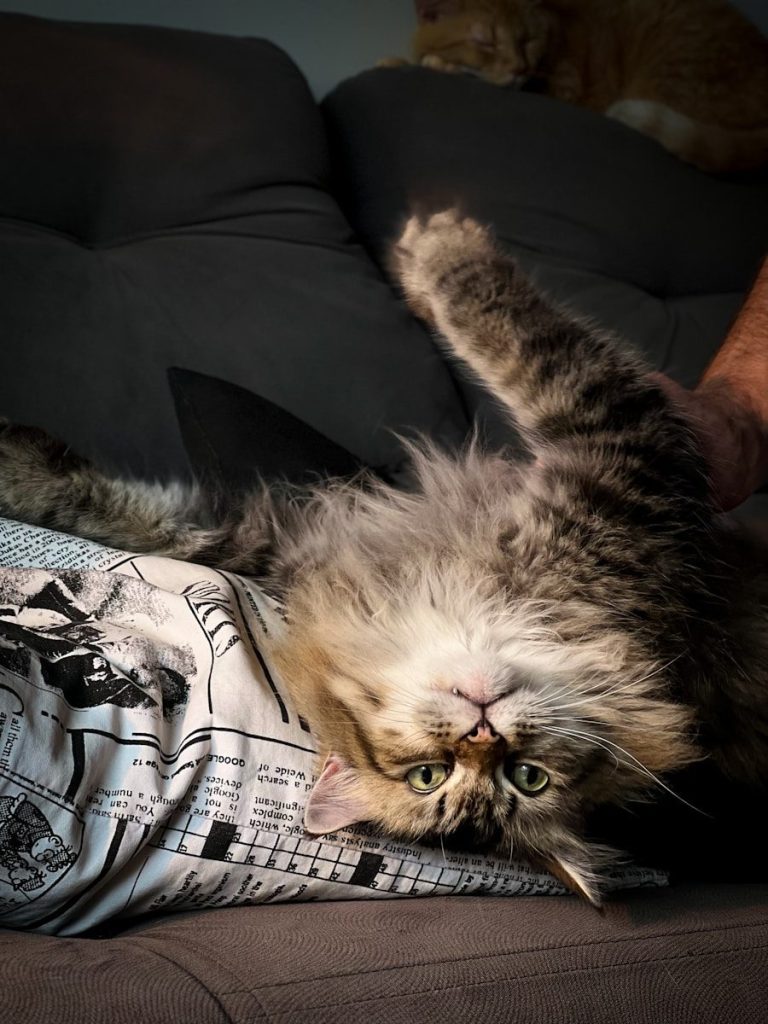
Rubbing their face against your legs while walking is a calculated act. Cats possess active scent glands on their cheeks and foreheads. By brushing against you, they leave microscopic pheromones that label you as safe territory. They are proudly telling other animals that you belong to them. This physical contact also satisfies their need for reassurance.
When to worry about separation anxiety
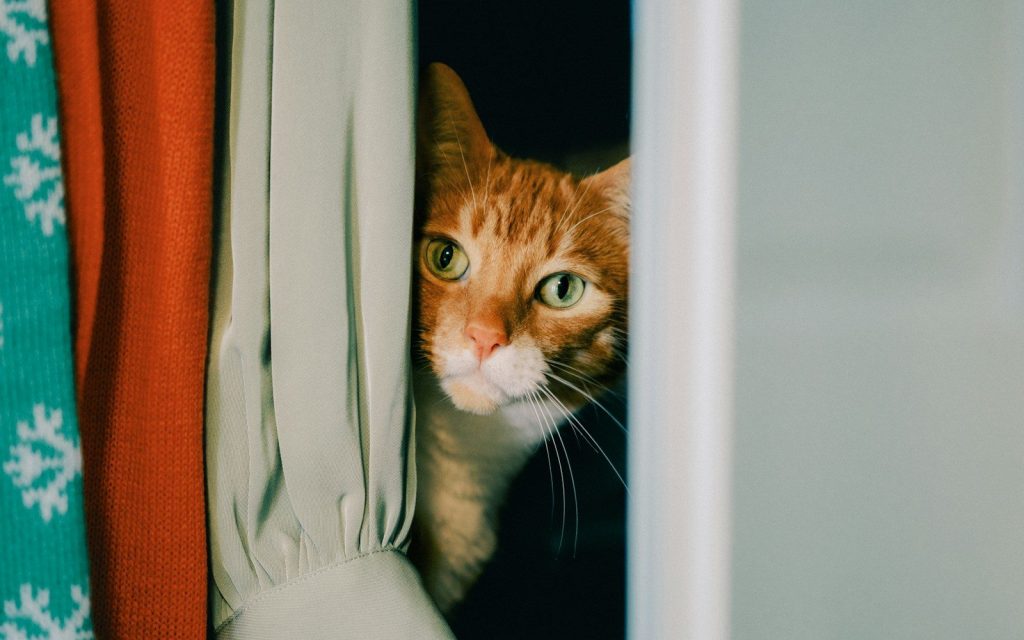
While being followed is flattering, constant shadowing can point to behavioral issues. The American Veterinary Medical Association warns that extreme clinginess might indicate distress or separation anxiety. If your pet panics when you leave a room, they may need professional help. Knowing how to support their independence is crucial for their emotional health. But building this confidence is surprisingly simple.
Encouraging healthy boundaries with your pet
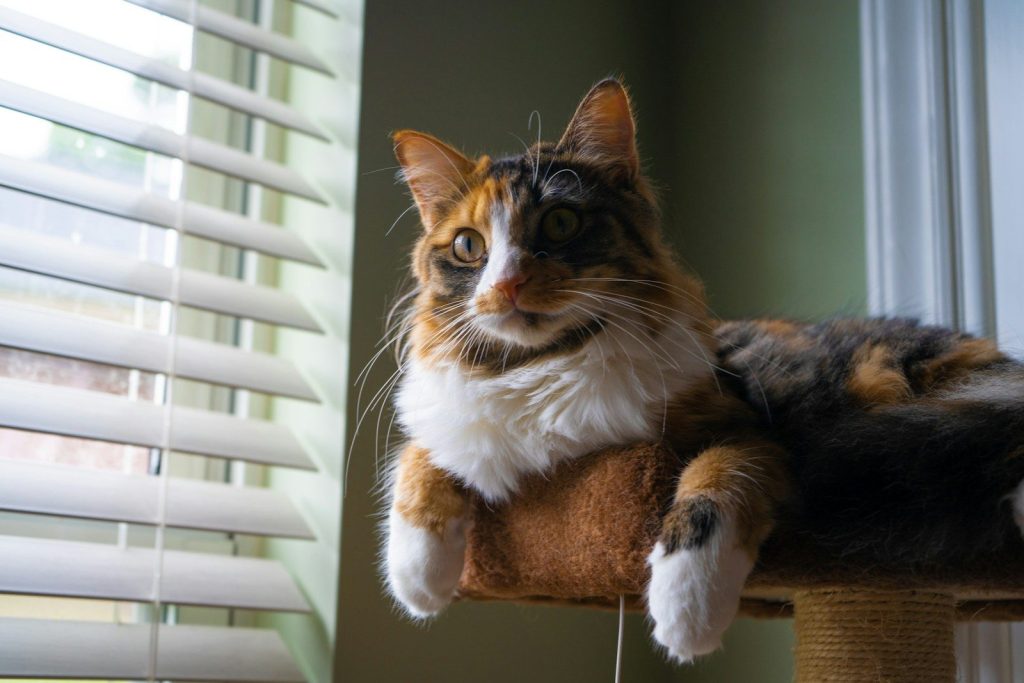
This article is for informational purposes only and does not constitute veterinary advice. You can foster a balanced relationship by providing independent toys and secure window perches. These tools keep your pet occupied while giving you a little breathing room. Ultimately, your cat’s desire to stay close is a beautiful testament to the strong bond you share.
Featured Image: Photo by Eugene Chystiakov on Unsplash