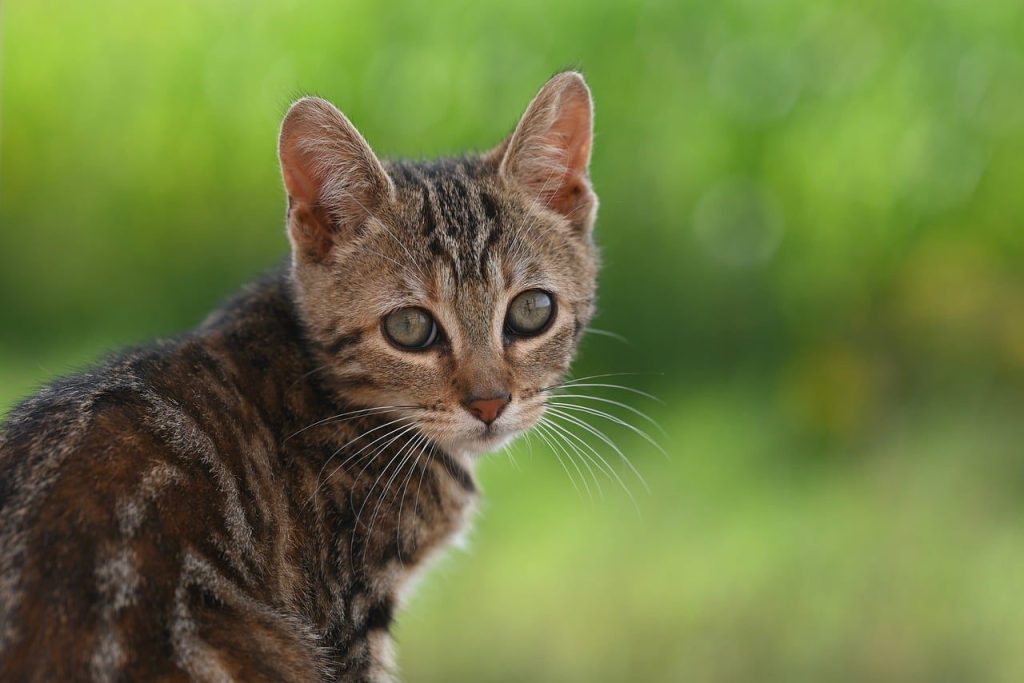

You are drifting into deep sleep when a sudden weight lands on your chest. A loud meow echoes right next to your ear.
It is easy to feel frustrated by these midnight wake-up calls. However, veterinary specialists warn that this behavior is often a cry for help.
The evolutionary reason behind midnight energy bursts
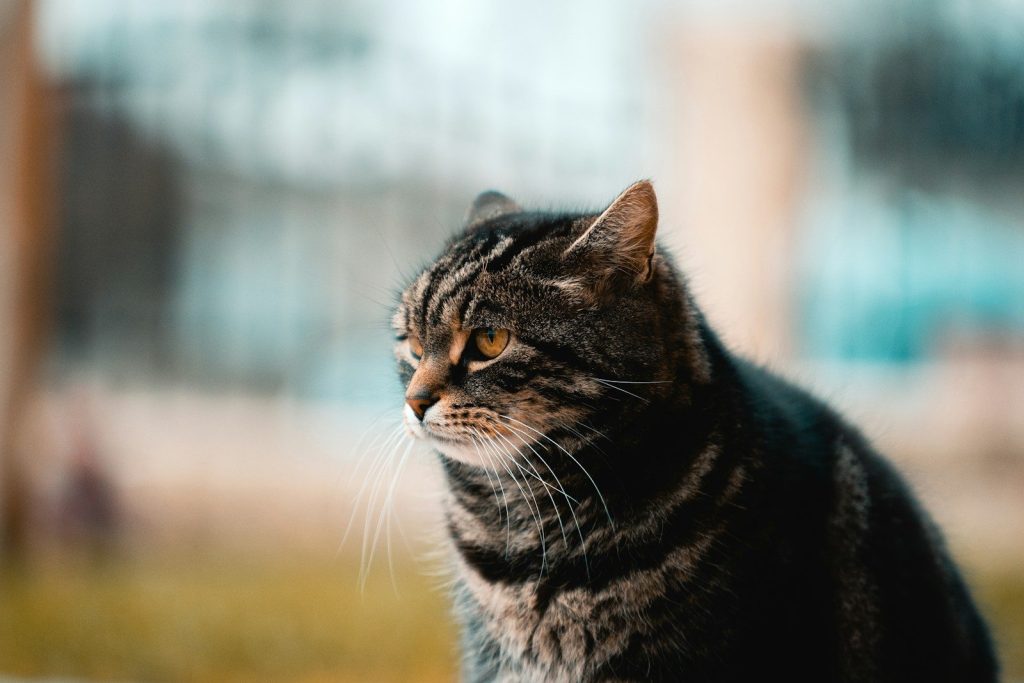
Cats are naturally crepuscular, meaning they are most active during dusk and dawn. This ancient hunting rhythm often carries over into domestic environments, causing late-night activity. While this behavior is normal, sudden changes in their night routine demand your attention. Your pet might be reacting to something more serious than just biological clocks. But first, check their daily food intake.
How unexpected hunger triggers nocturnal wakeups
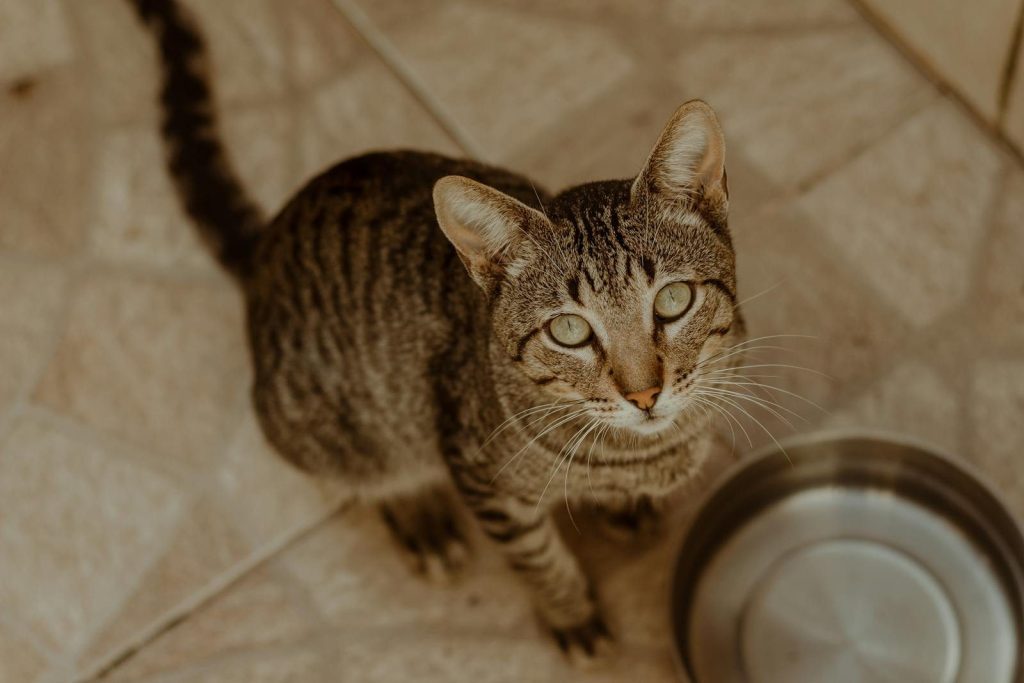
A cat’s small stomach requires frequent, small meals throughout the day. If you feed your pet too early in the evening, their blood sugar drops by midnight. This empty feeling drives them to wake you up in search of snacks. Adjusting their feeding schedule can resolve this issue overnight. However, food is not always the main motivator.
The subtle impact of hidden medical conditions
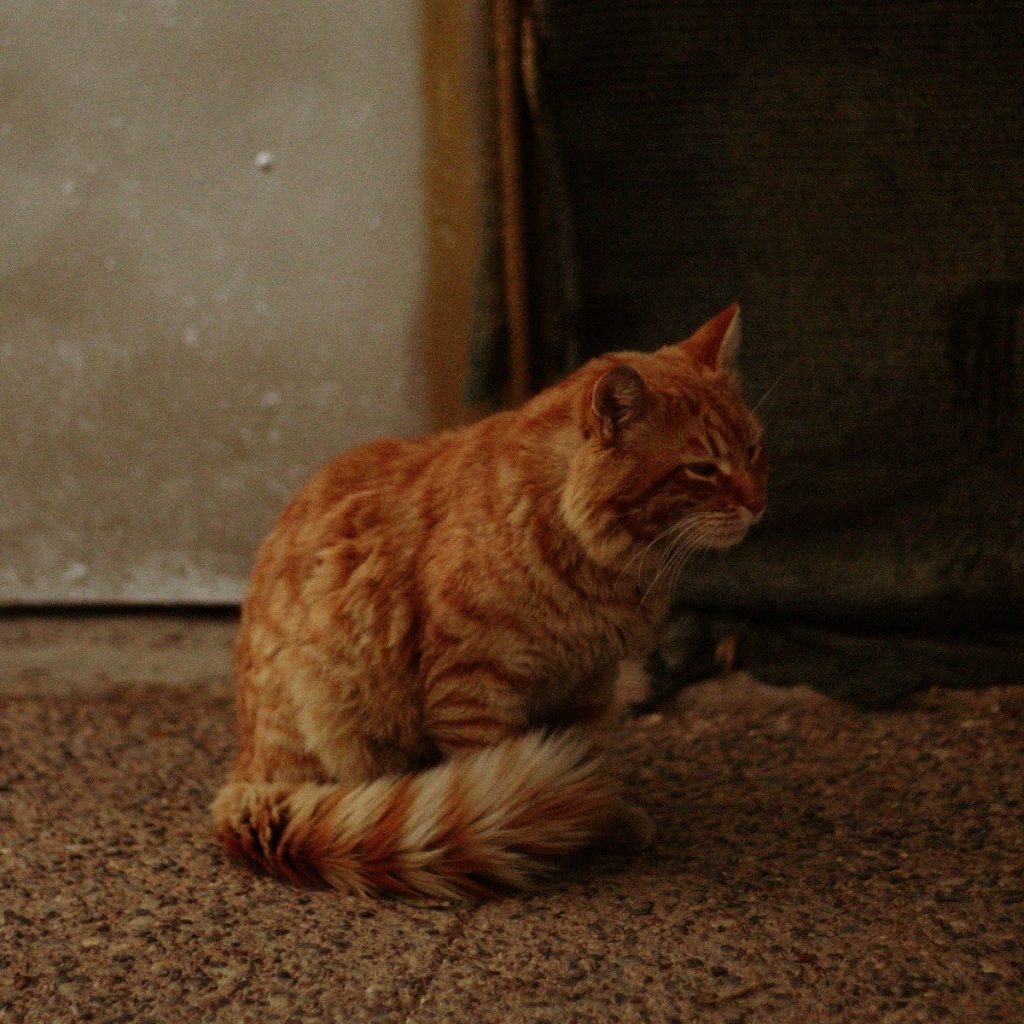
Sudden nighttime crying can indicate underlying pain or discomfort. According to the Cornell Feline Health Center, conditions like hyperthyroidism or high blood pressure can cause severe nocturnal restlessness. Senior cats may also suffer from cognitive decline, causing them to feel lost in the dark. This physical stress makes sleeping impossible for them. But age is only one factor to consider.
How sensory changes affect their night comfort
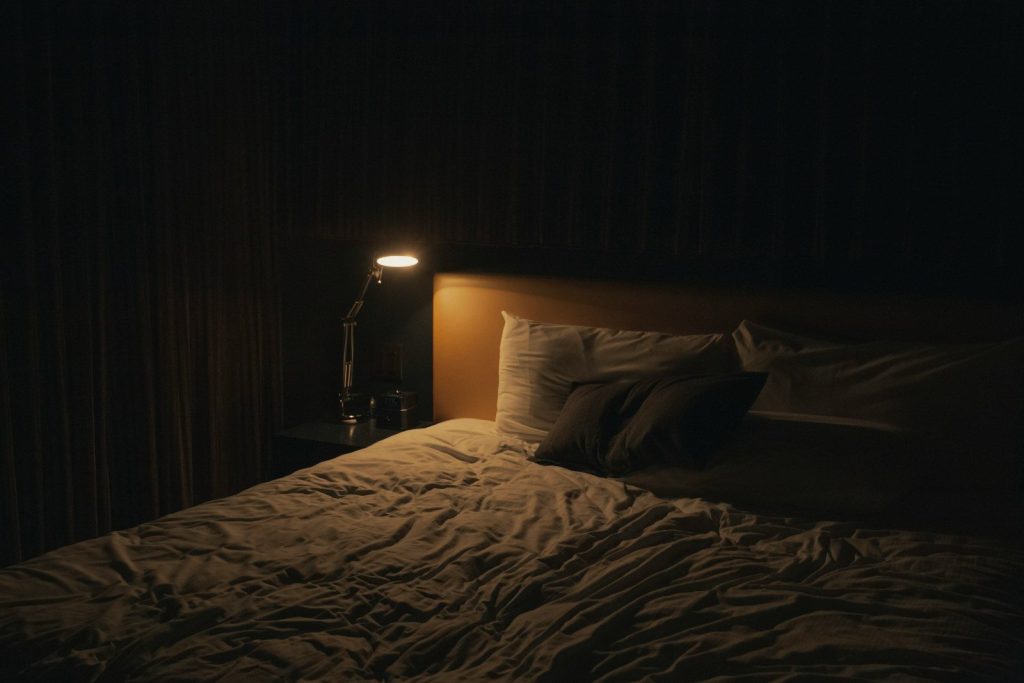
As pets age, their eyesight and hearing begin to deteriorate. A dark, silent house can terrify a cat who can no longer see well. They wake you up simply because they need the comfort of your voice and presence. Leaving a dim nightlight on can help them navigate the rooms safely. Still, behavioral issues can also play a major role.
The common trap of accidental reward loops
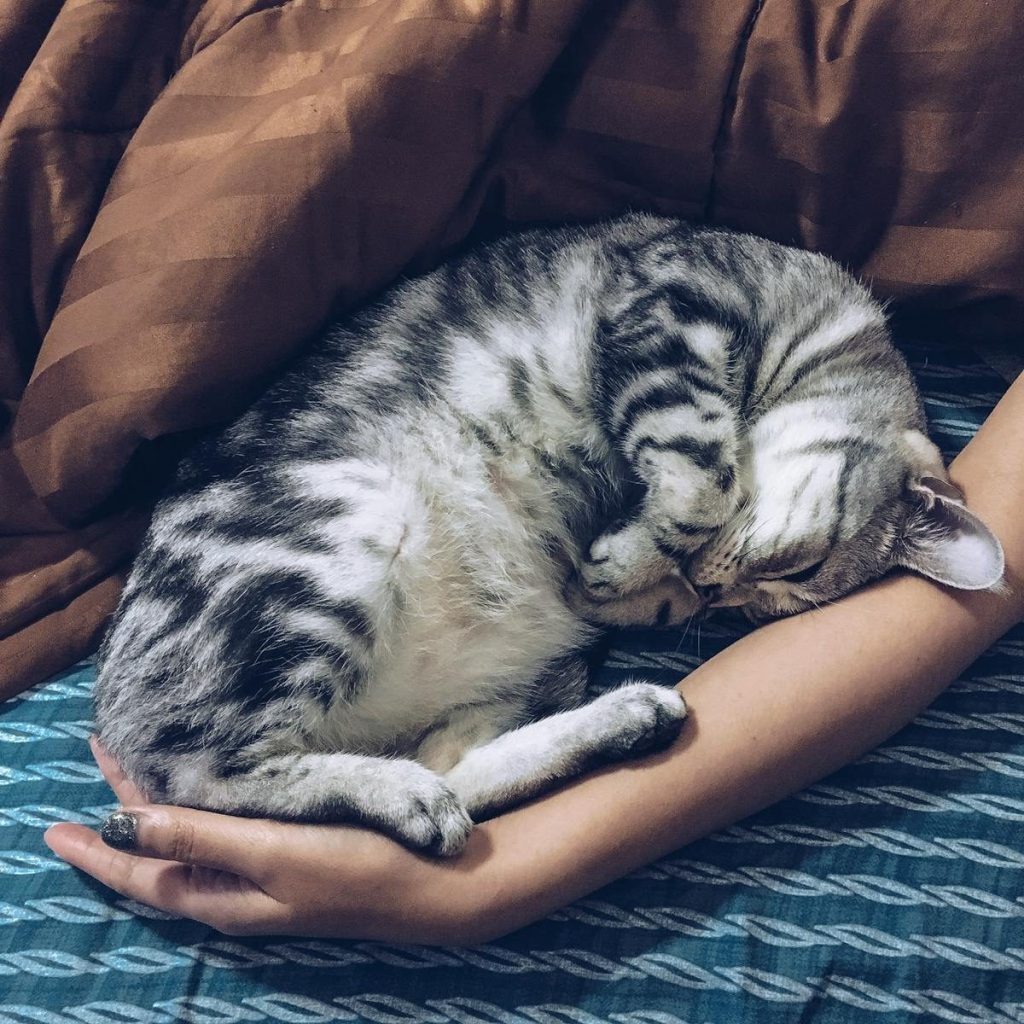
Many owners accidentally reinforce bad habits without realizing it. If you get out of bed to pet or feed your cat when they meow, they learn that noise works. They will repeat this behavior because it gets a consistent reaction from you. Breaking this loop requires immense patience and a complete shift in your response. But how do you start ignoring them?
Using active training to restore your sleep
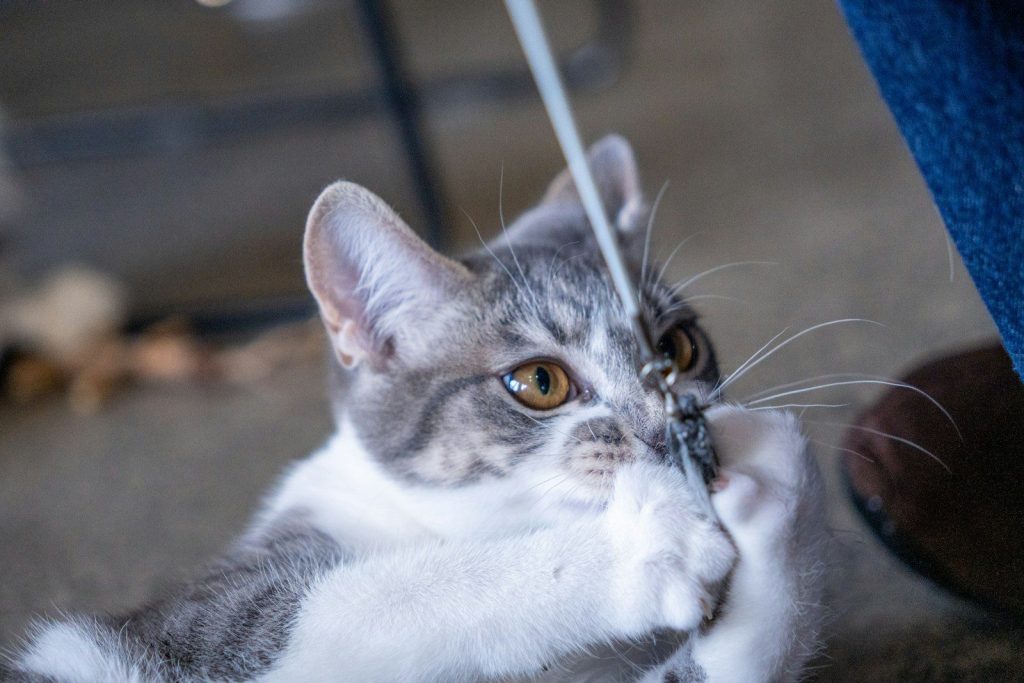
Playful training sessions before bedtime can help exhaust your cat’s energy. Use feather toys or laser pointers to mimic a hunting sequence, then offer a satisfying meal immediately. This sequence aligns with their natural eat-and-sleep cycle, keeping them resting longer. This article is for informational purposes only. But what if the behavior persists despite your best efforts?
When to consult a veterinary professional

If behavioral adjustments fail, a medical checkup is the next crucial step. This article is for informational purposes only and does not constitute veterinary advice. A veterinarian can run blood tests to rule out chronic conditions that cause restlessness. Addressing the root health issue is the fastest way to help your pet feel better. But there is one more detail to check.
Creating a peaceful sanctuary for sweet dreams

Set up a cozy sleeping area away from your bedroom door. Fill it with warm blankets, active puzzle feeders, and a soft heating pad to mimic your body warmth. Providing these comforts ensures your pet feels secure throughout the night. With patience and care, you will both enjoy peaceful sleep once again.