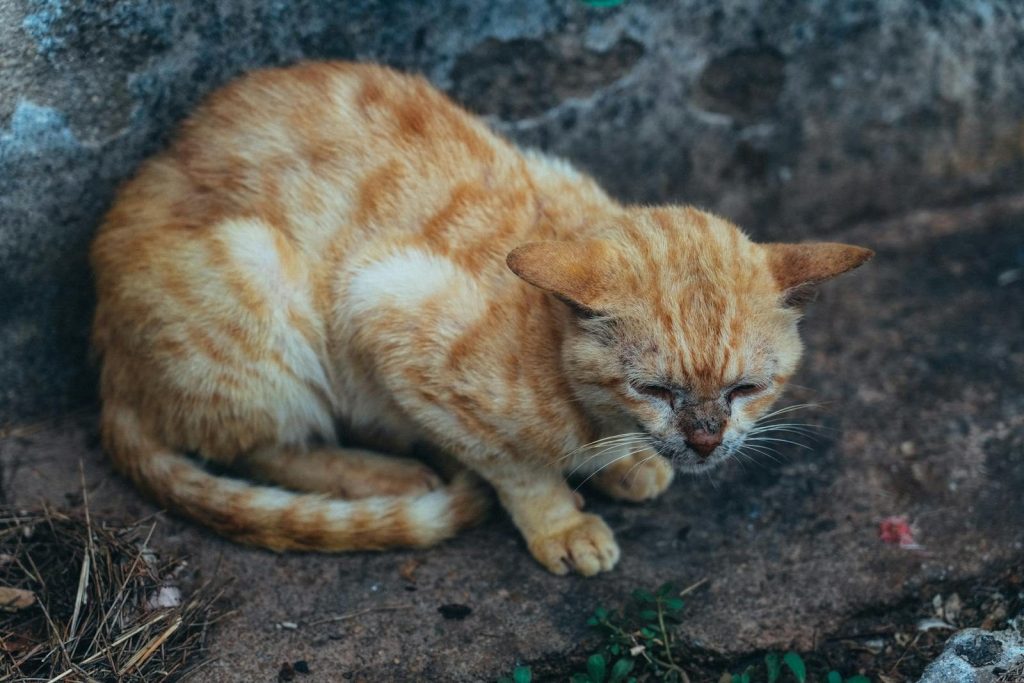

Your cat is lying quietly on the living room rug. They look completely peaceful, but they might actually be fighting a silent medical emergency right before your eyes.
A viral warning from veterinary nurses revealed how normal postures can hide severe pain. Learning how to read these silent distress signals can save your beloved pet’s life.
The danger of the crouching sphinx posture
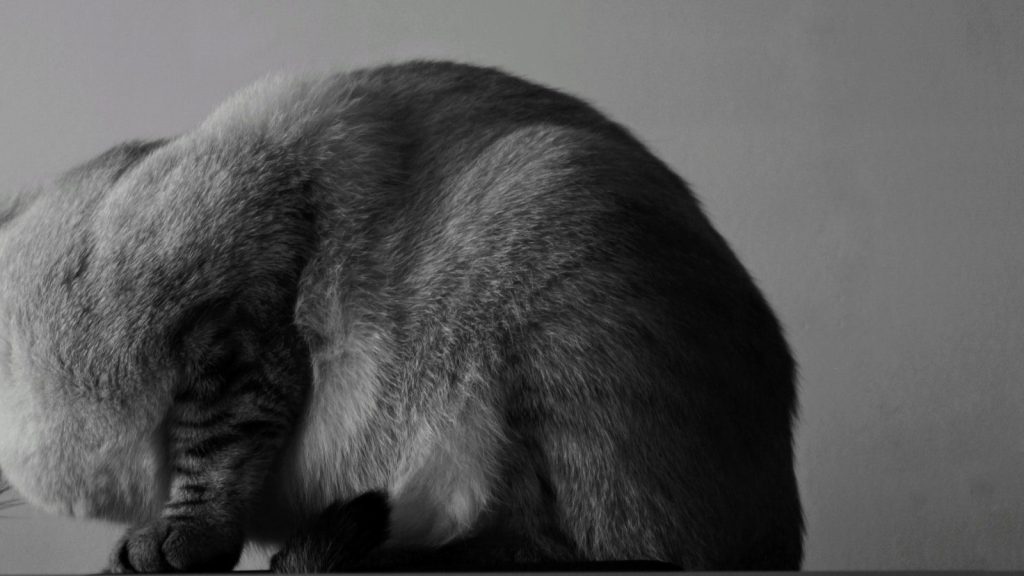
Many owners assume a cat lying down with tucked paws is relaxed. However, if their head is low and their back is arched, they are in a hunched crouch. Felines use this position to protect a painful abdomen or ease joint pressure. It is a classic sign of hidden physical discomfort. But pain shows in other ways. Their facial expression can reveal exactly how they feel.
Decoding the subtle grimace scale of a cat
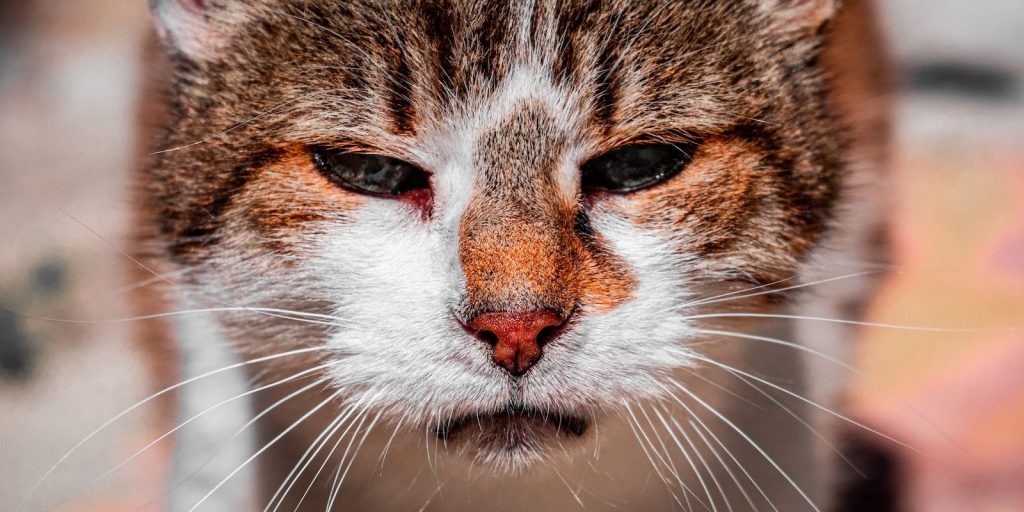
Researchers at the University of Montreal developed the Feline Grimace Scale to help owners detect pain. Look closely at your cat’s ears, eyes, and whiskers when they are lying down. Tight, squinted eyes, flattened ears, and pulled-back whiskers are clear indicators of moderate to severe distress. These signs are easy to miss if you are not looking for them. The way they breathe can also signal an immediate emergency.
Watching for rapid or shallow chest movements
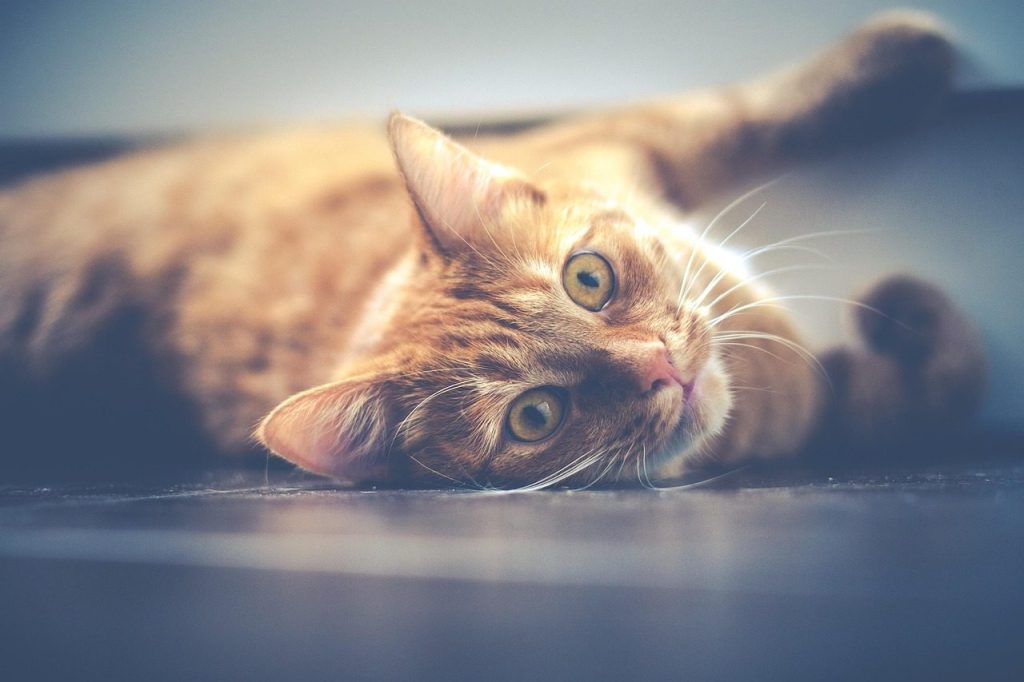
A resting cat should breathe slowly and smoothly, taking about fifteen to thirty breaths per minute. If you notice their chest rising and falling rapidly while they lie down, they could be experiencing respiratory distress. This condition is a medical emergency that requires immediate care. Never wait to see if shallow breathing improves on its own. A sudden drop in their energy level requires close inspection.
The difference between a lazy nap and lethargy
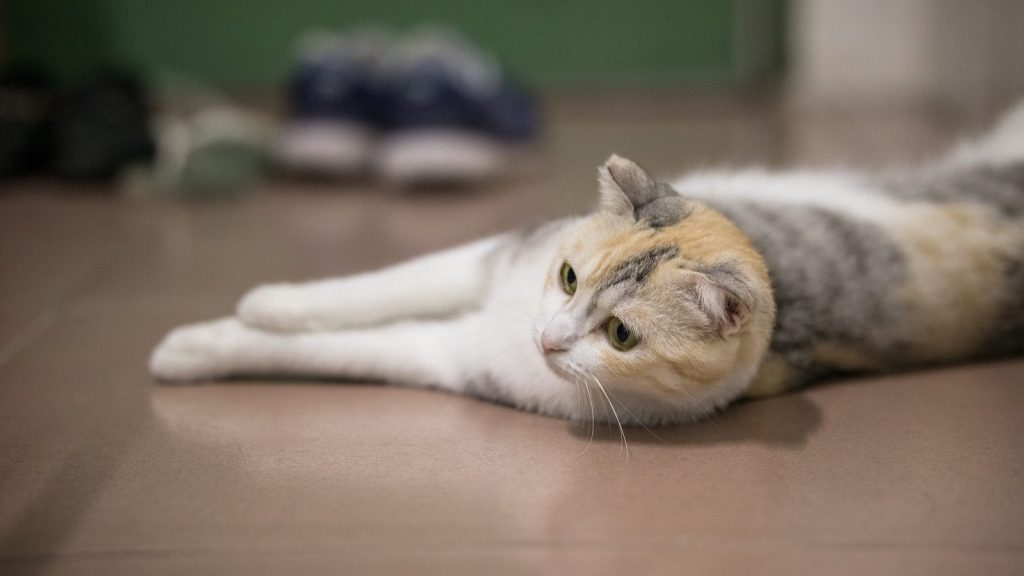
Cats sleep up to sixteen hours a day, so identifying lethargy can be difficult. The key difference is their response to normal stimuli like treats, toys, or your arrival home. A healthy sleeping cat will perk up or flick their ears when you open a can of food. A lethargic cat will remain limp, weak, and unresponsive. An unusual sleeping location can also indicate a serious issue.
Hiding in dark corners when they are sick
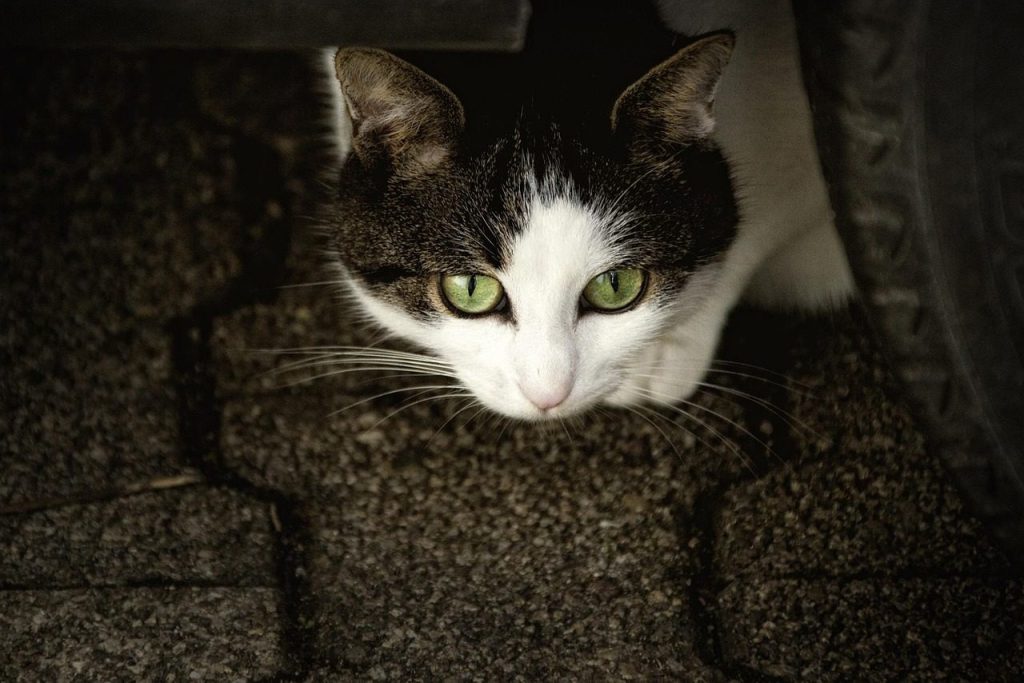
In the wild, sick animals seek out dark, enclosed spaces to hide from predators. If your social cat suddenly starts sleeping in the back of a closet or under the bed, they are likely trying to manage severe discomfort. This nesting behavior is an instinctive attempt to find safety while they are weak. Do not pull them out aggressively. A quick check of their gums can reveal crucial information.
Checking their gum color for oxygen levels
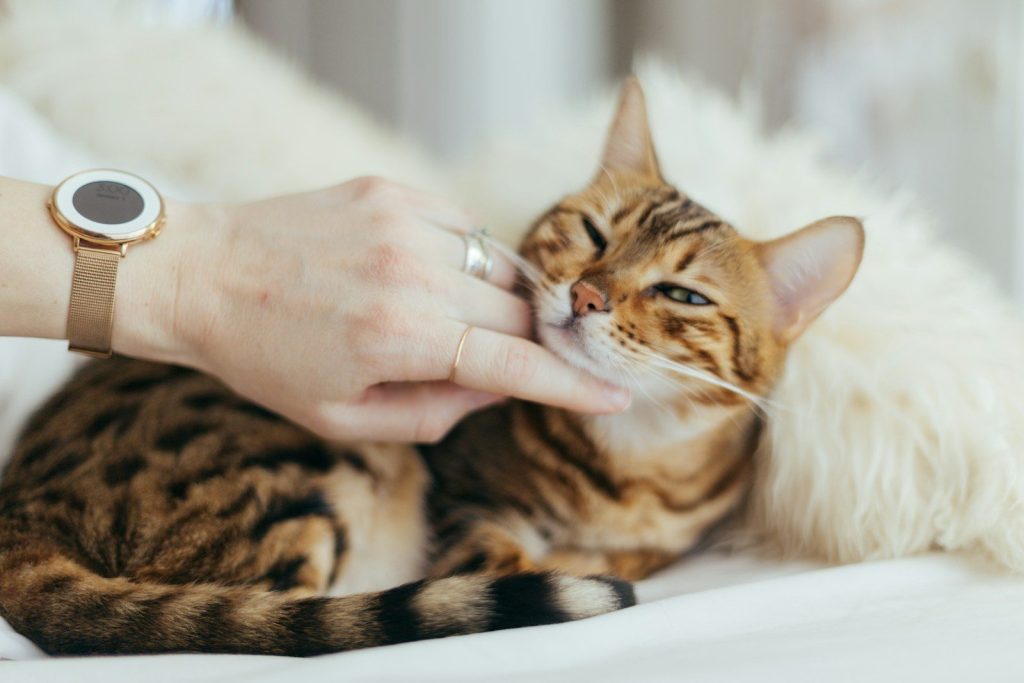
Gently lift your cat’s lip to inspect their gums. Healthy felines have pink, moist gums that show good circulation and oxygen levels. If their gums look pale, white, blue, or yellow, seek emergency veterinary care immediately. This article is for informational purposes only and does not constitute medical advice. A proactive approach can prevent a tragedy from occurring.
Trusting your intuition to protect your companion
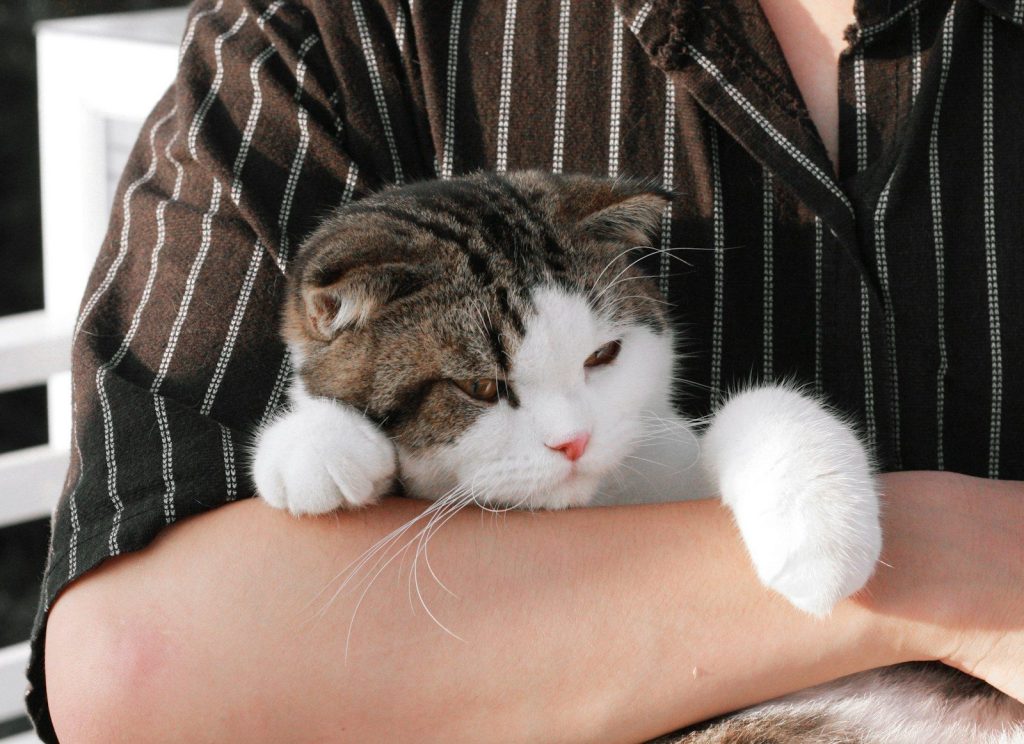
You know your cat’s normal habits better than anyone else. If your instinct tells you that something is wrong, even if they are just lying down quietly, trust that feeling and call your vet. Catching a medical issue early leads to faster recovery and a much better outcome. Your quick action is the greatest gift of love you can give them.
Featured Image: Photo by Billy Herrington on Pexels