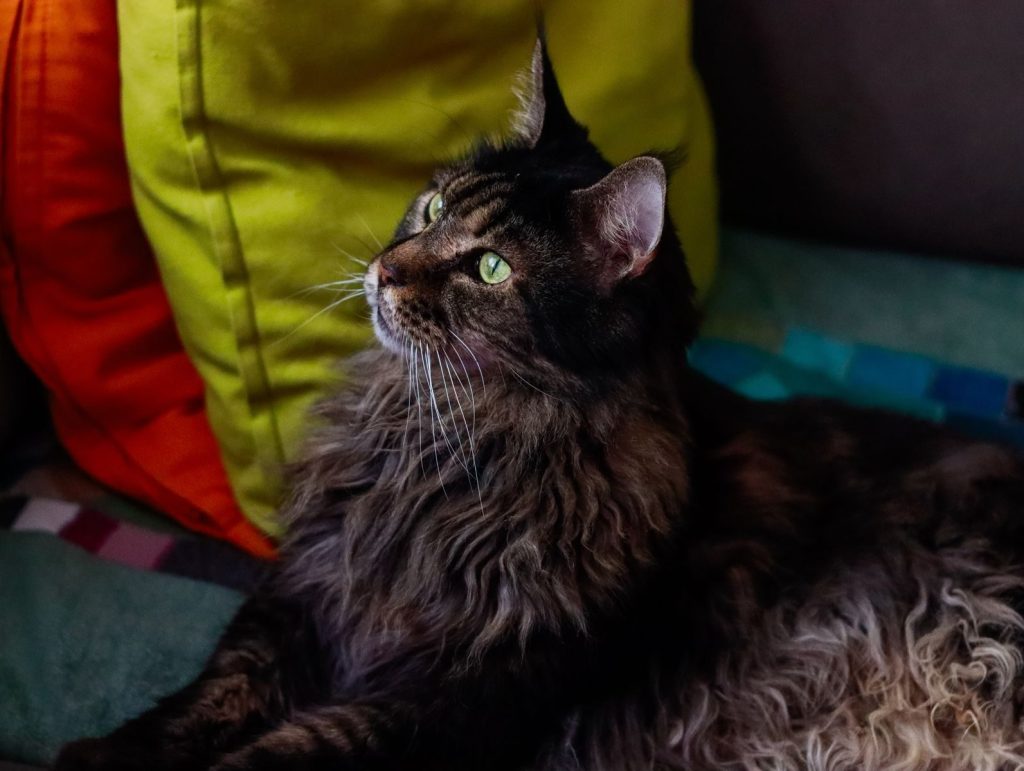

Maine Coon cats are famous for their giant size and beautiful coats. But their most shocking trait is their highly expressive communication style.
These gentle giants do not just meow like regular cats. They use a complex language of chirps, trills, and purrs to speak directly to their owners.
The unique biological origins of chirping
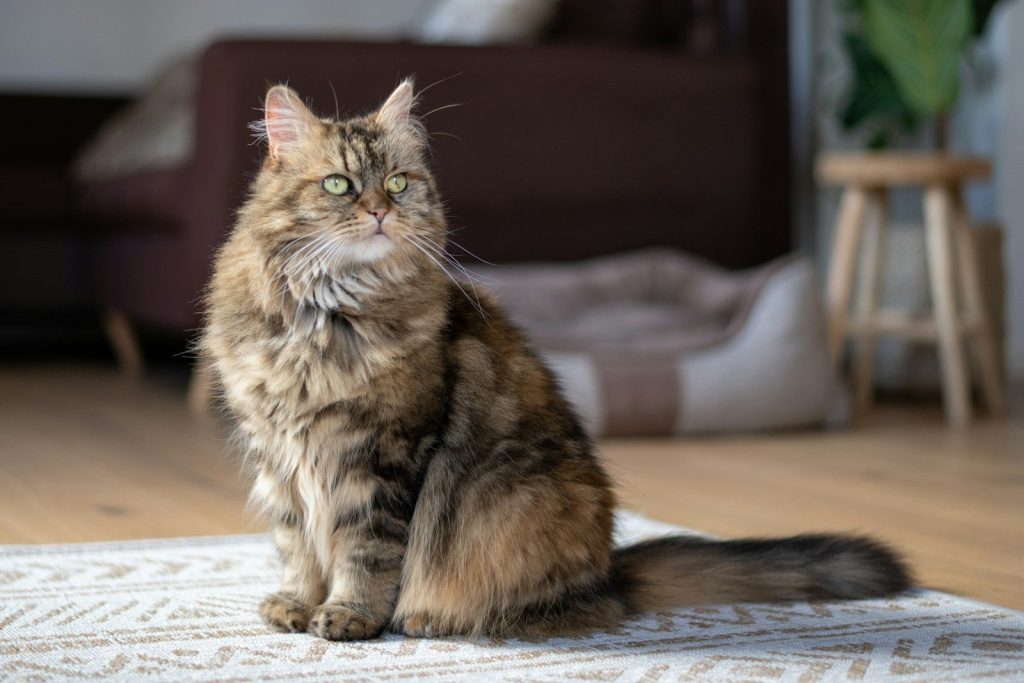
Unlike many silent breeds, Maine Coons love to answer your questions with sweet, bird-like chirps. Feline geneticists believe this distinct vocalization helped their wild ancestors coordinate hunts without alerting prey. Today, your domestic pet uses these high-pitched sounds to check in on your movements. But their vocal range holds an even sweeter emotional message.
Offering a warm, friendly welcome
When your giant cat lets out a soft rolling trill as you enter, they are offering a polite greeting. It is the feline equivalent of a warm human hug. According to the Cat Fanciers Association, this comfortable sound shows they view you as a safe protector. Yet, their vocalizations can shift quickly when they want your help.
Demanding immediate attention and playtime
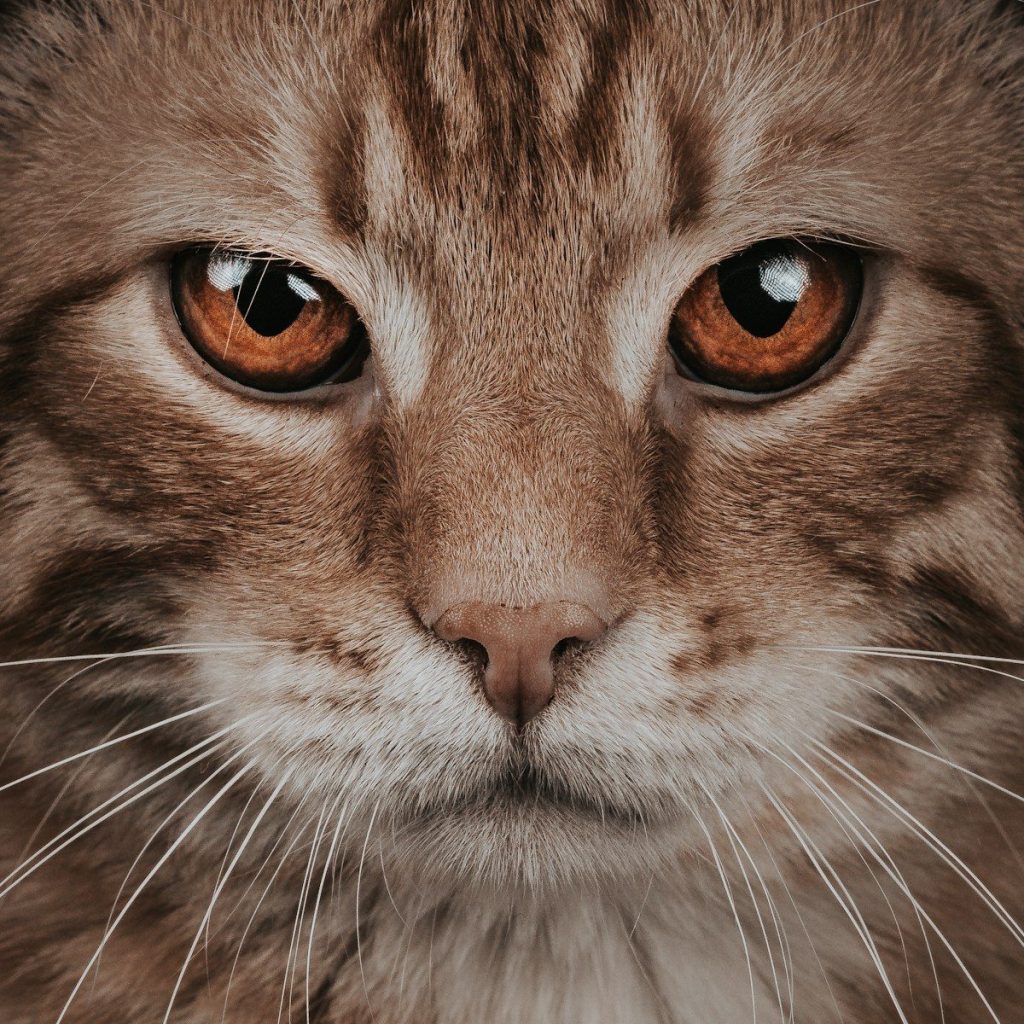
A louder, demanding meow usually means your pet is feeling bored. These intelligent felines need plenty of mental stimulation to stay happy indoors. They will look directly into your eyes and chirp until you pick up their favorite toy. However, one common household sound can shut down their chattiness instantly.
Protecting their incredibly sensitive hearing
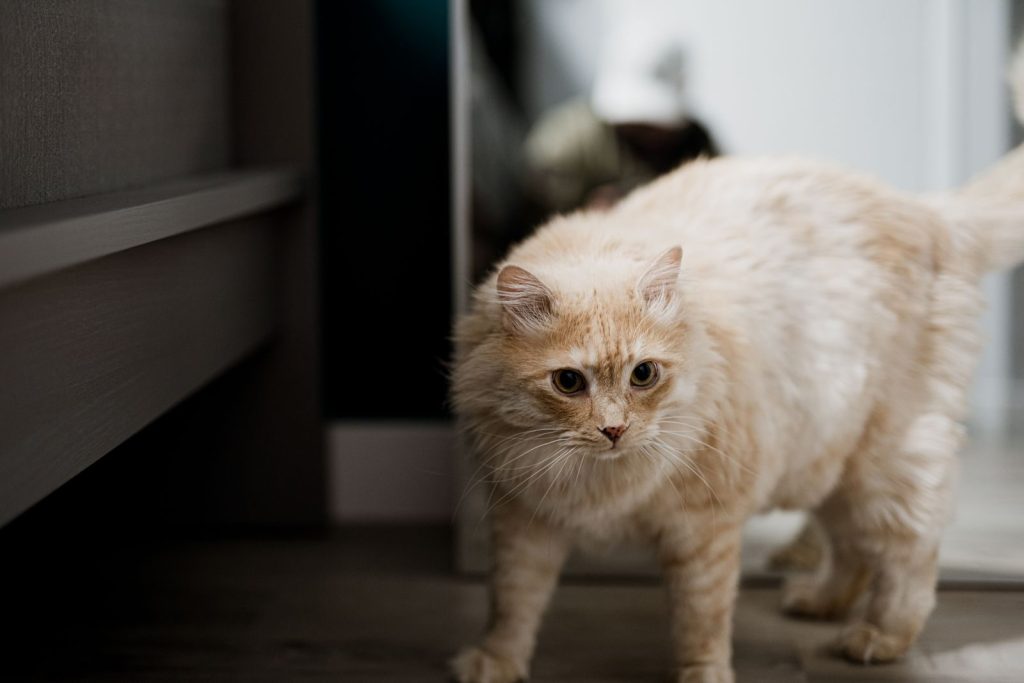
Maine Coons possess large ears tufted with fur designed to catch tiny forest sounds. Loud household appliances or shouting can stress them deeply. When the environment is too noisy, they will quickly retreat to a quiet room and stay silent. Fortunately, you can take simple steps to rebuild their trust.
Answering your voice with gentle purrs
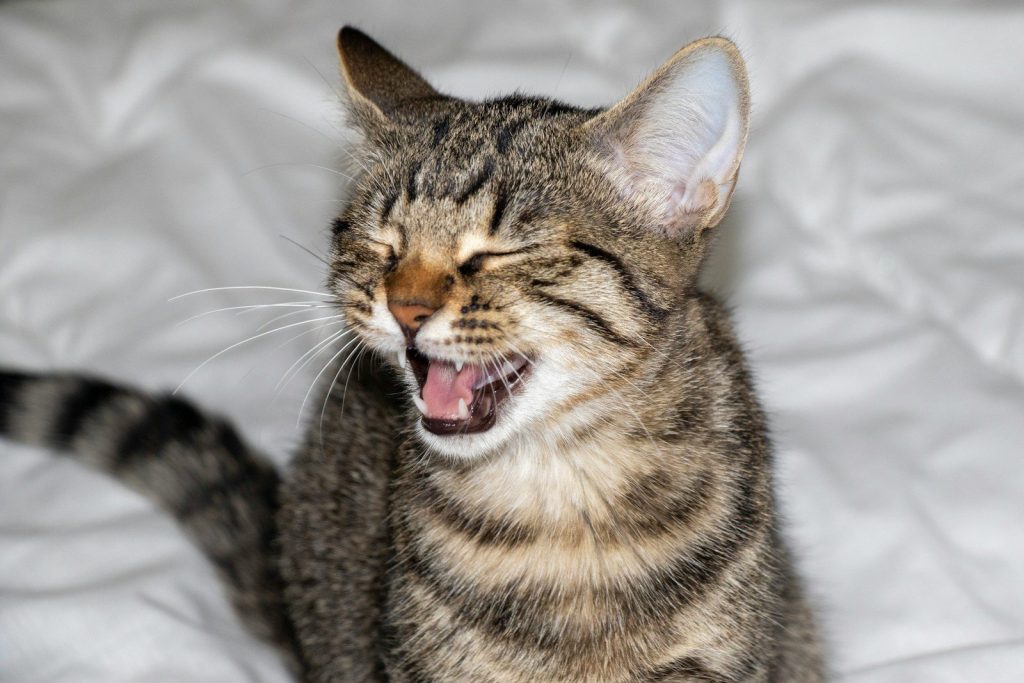
Try speaking to your pet in a quiet, high-pitched tone. Feline behaviorists note that cats respond far better to infant-directed speech. If you talk softly, your giant companion will likely chirp back in perfect harmony. But you must also watch their heavy tail to understand their full message.
Reading their expressive body language signals
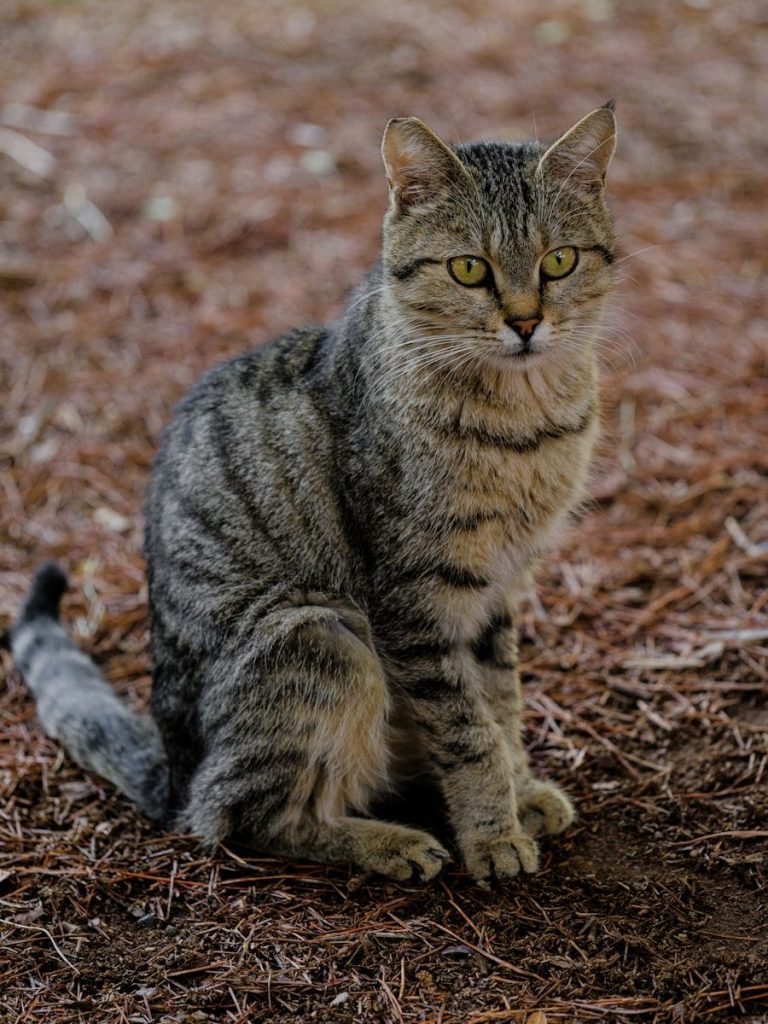
A quivering upright tail paired with happy chirps means pure joy. If the tail begins thumping heavily against the floor, they need space. This article is for informational purposes only and does not constitute veterinary advice. Paying close attention to these silent signals prevents misunderstandings. But what is the best way to encourage their natural voices?
Celebrating a beautifully vocal partnership
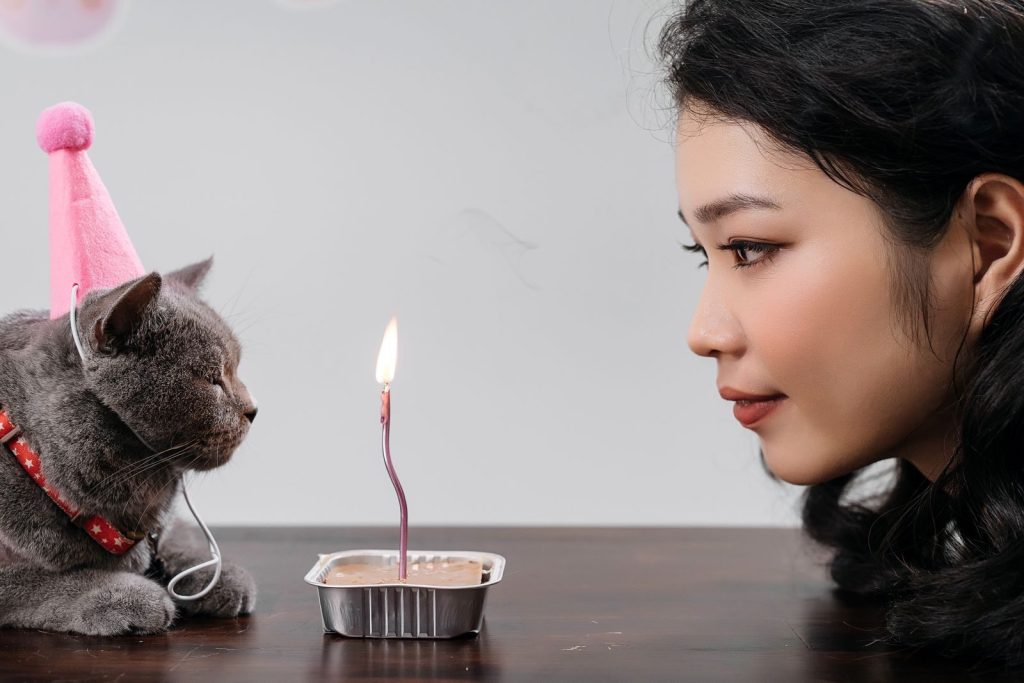
Building a secure bond with a communicative animal takes daily consistency and gentle respect. By answering their soft chirps, you create a beautiful conversational friendship that lasts a lifetime. Your loving attention makes your home a peaceful sanctuary where they can speak freely.
Featured Image: Photo by Ирина Сороколетова on Pexels