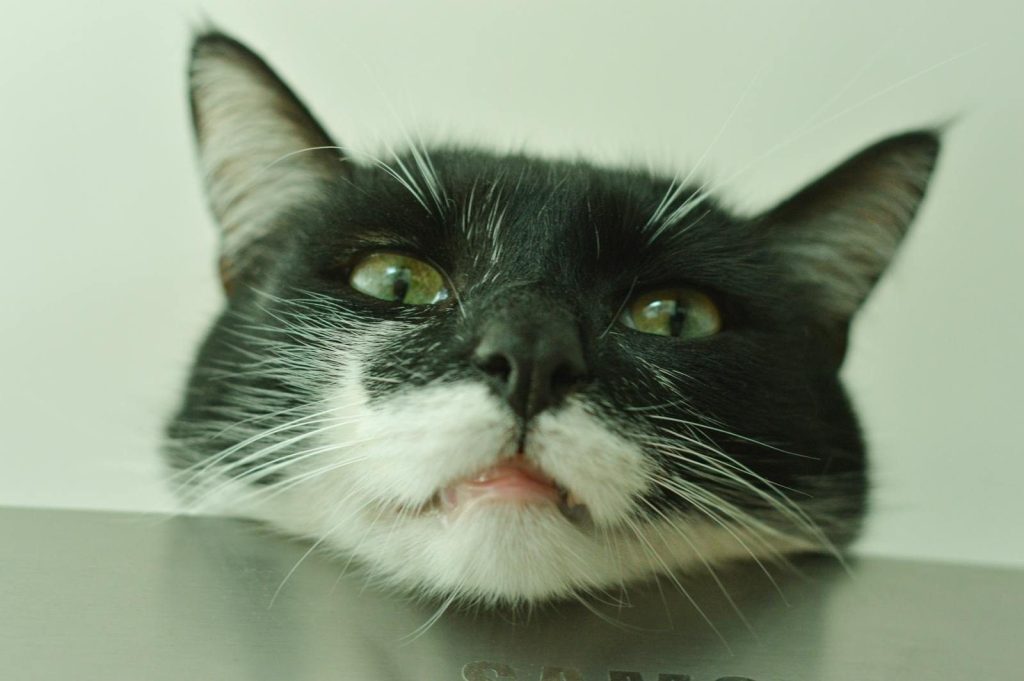

You place a fragile glass on the kitchen counter. Within seconds, your furry companion walks over and slowly pushes it off the edge.
This infuriating behavior makes many pet parents wonder if their cats are simply being mean. Feline behavior experts say there is a fascinating survival trigger behind this gravity test.
The ancient urge to hunt moving prey
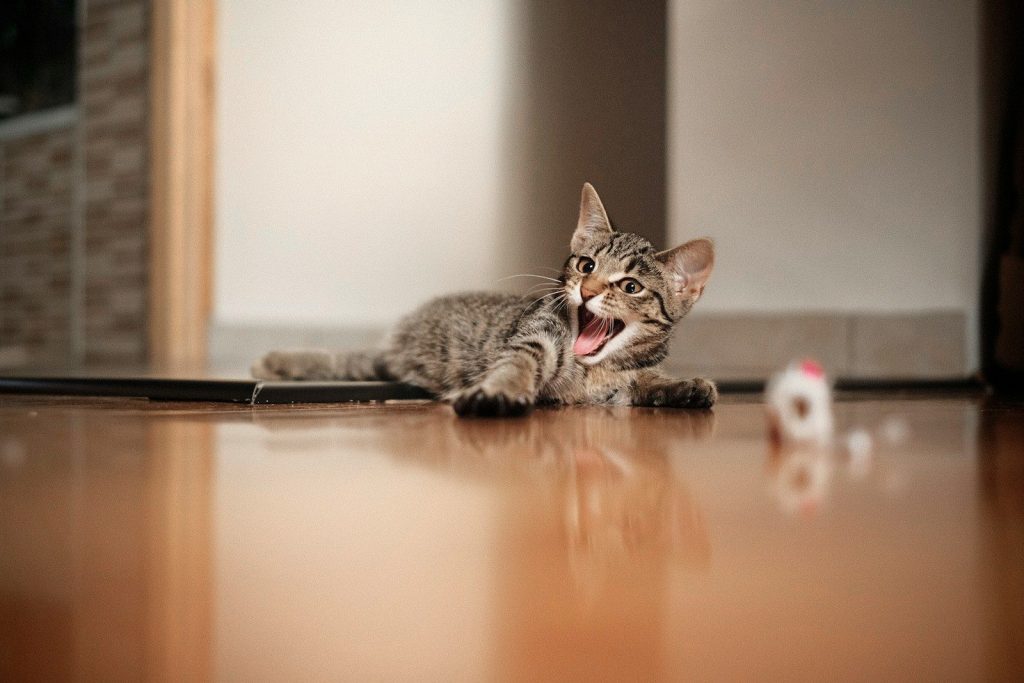
Out in the wild, felines must constantly test objects to see if they are alive and ready to run. Gently batting at a small item mimics the physical struggle of catching a mouse. According to the American Veterinary Medical Association, this movement satisfies their deep predatory drive. But what happens if the object does not move back?
Testing the laws of natural physics
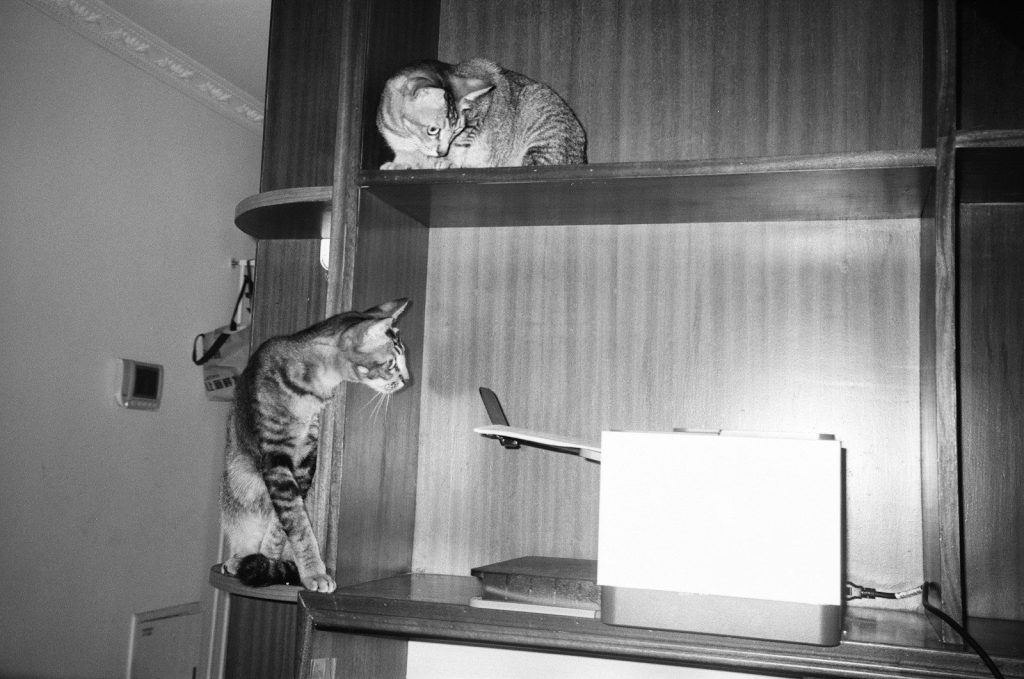
Cats are surprisingly analytical creatures that learn through active touch. Pushing a magnet off the fridge helps them understand gravity and spatial depth in their immediate environment. It keeps their active minds engaged and sharp. However, a much simpler human response often encourages them to repeat the action.
The powerful reward of human attention
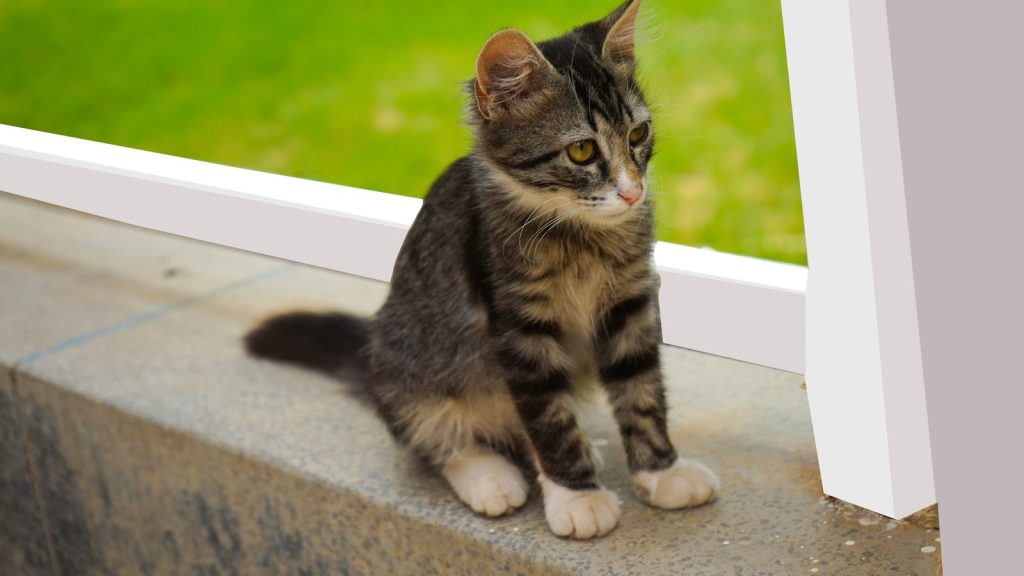
When you hear something smash, you probably run into the room and call out. Your pet views this sudden reaction as a massive victory. Feline behaviorists note that even negative shouting is seen as a reward by a bored animal. Fortunately, you can change your own behavior to break this habit.
How to safely ignore the mischief

Try turning your back and walking away the next time a plastic bottle drops. Removing your attention instantly devalues the game for your clever pet. They will quickly lose interest when they realize it no longer brings you running. But how can you prevent them from targeting your fragile heirlooms?
Swapping breakable items for safe toys
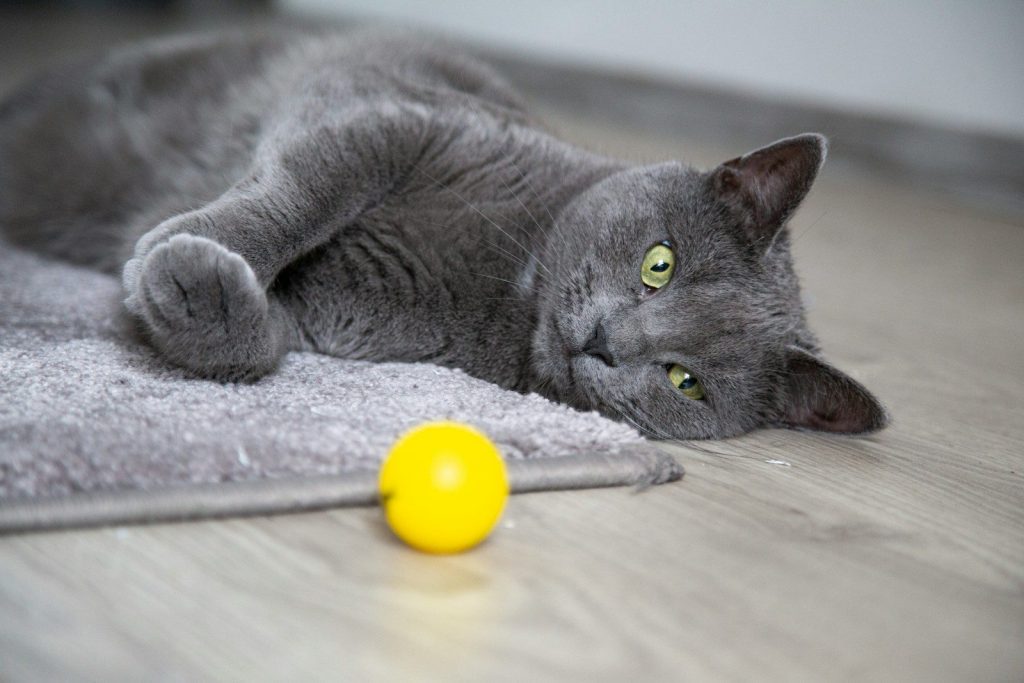
Keep your valuable keepsakes inside closed glass cabinets where paws cannot reach. Place safe crinkly paper balls or lightweight plastic springs on table surfaces instead. This allows your pet to satisfy their batting instincts without causing costly household damage. Yet, boredom is not the only reason they knock things over.
Demanding an early morning breakfast
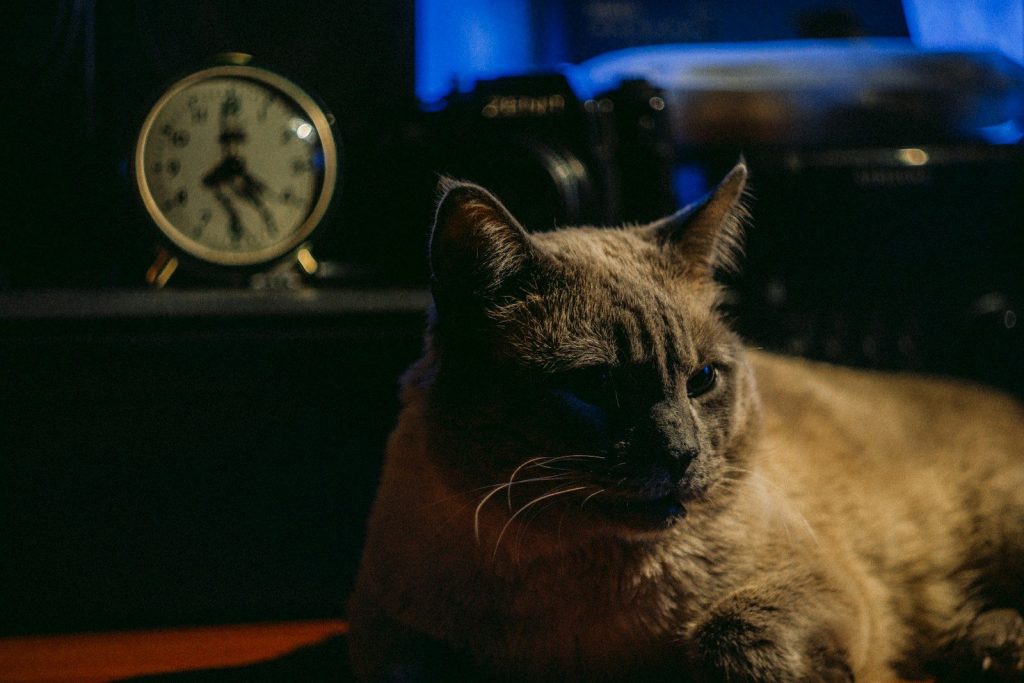
If your cat drops your alarm clock, they probably want food. They learn that a loud crash is the fastest way to get them out of bed. Dr. Jessica Vogelsang, writing for PetMD, suggests using automatic feeders to break this morning wake-up routine. Still, you might wonder if their nutritional needs are being fully met.
Providing realistic indoor hunting games
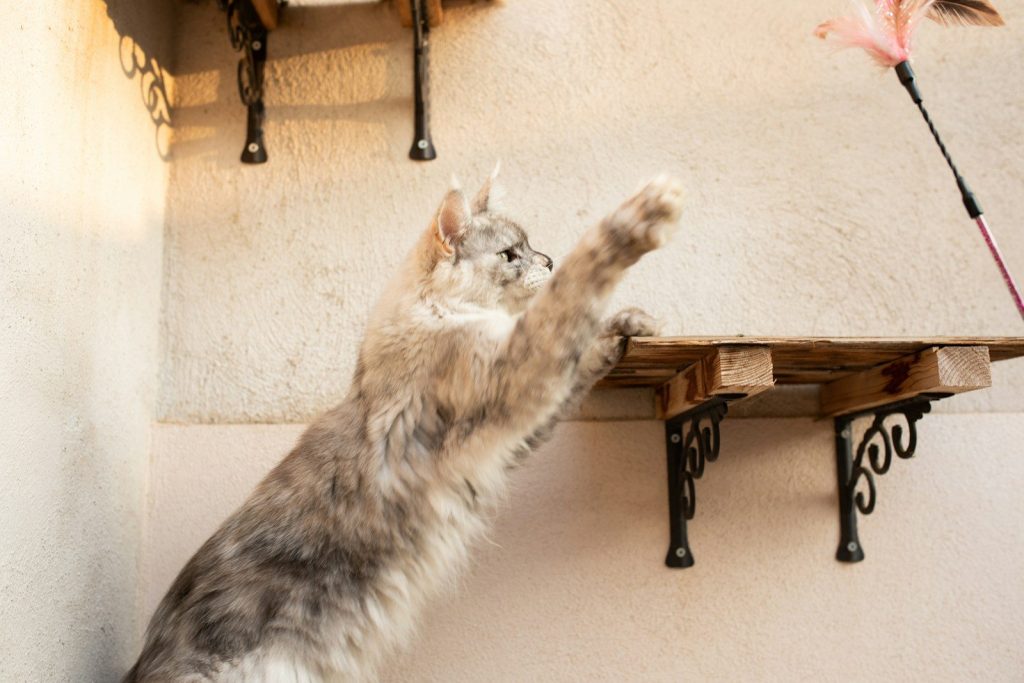
Spend fifteen minutes playing with a feather wand before you serve their evening meal. Simulating a real hunt drains their excess energy and satisfies their predatory focus. Your cat will happily sleep through the night rather than plotting bathroom counter raids. But there is one final rule to ensure household peace.
Building a loving and secure bond
Consistency is the absolute key to helping any young animal learn household boundaries. This article is for informational purposes only and does not constitute veterinary advice. By understanding their wild instincts, you can create a beautiful and damage-free life with your favorite feline.
Featured Image: Photo by Luis Alberto Barrera Diaz on Pexels