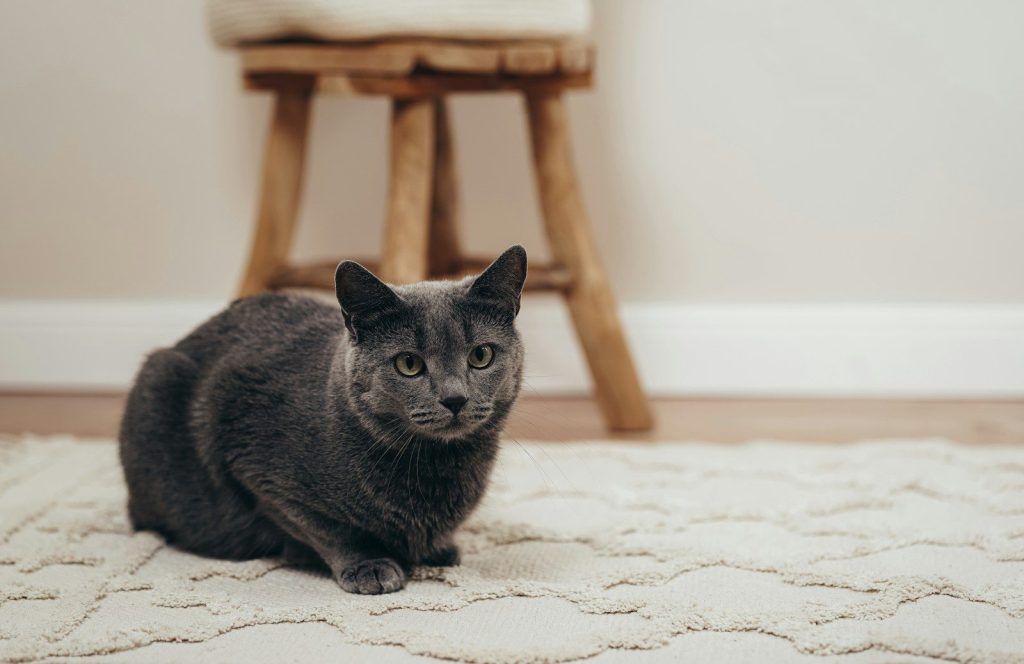

You buy the best toys and offer endless treats, yet the new rescue cat completely ignores you. Instead, they walk straight to your cat-hating guest.
This ironic behavior leaves millions of loving pet parents feeling deeply rejected. Feline behaviorists reveal that ignoring a cat is actually the ultimate way to win their trust.
The hidden threat of intense eye contact
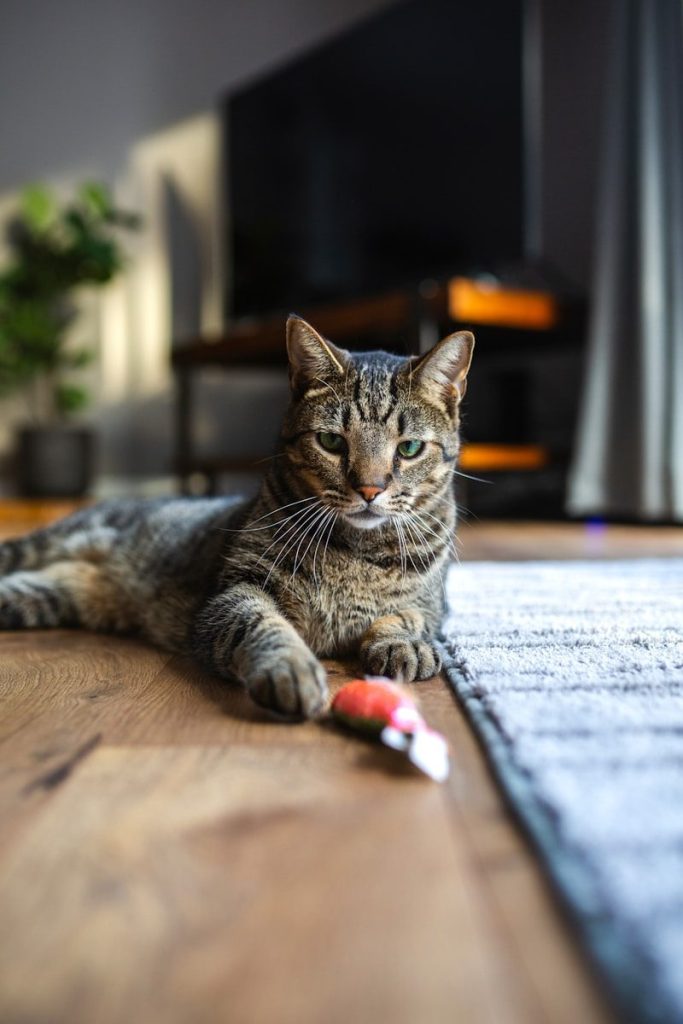
Human beings show affection by looking directly at things they love. Felines view a direct stare as an aggressive threat to their survival. When your guest ignores the cat, they are signaling that they pose no immediate physical danger. According to feline behaviorists at the ASPCA, this low-threat presence is incredibly comforting to a nervous animal. But how do felines read your body language?
The relaxing power of closed body language
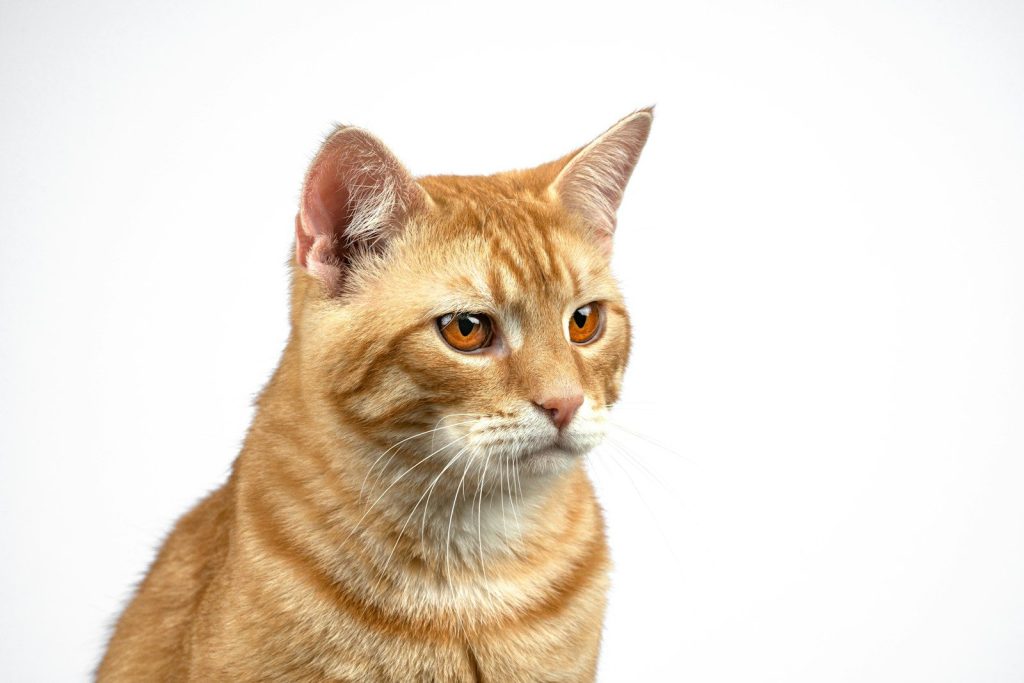
Standing tall and reaching out with grabby hands can terrify a sensitive rescue pet. A quiet person sitting still with their hands in their lap represents the perfect safe zone. The cat feels completely in control of the interaction. They can slowly approach and investigate on their own strict terms. Yet, one simple greeting mistake can ruin all this progress.
Forcing physical contact ruins early trust
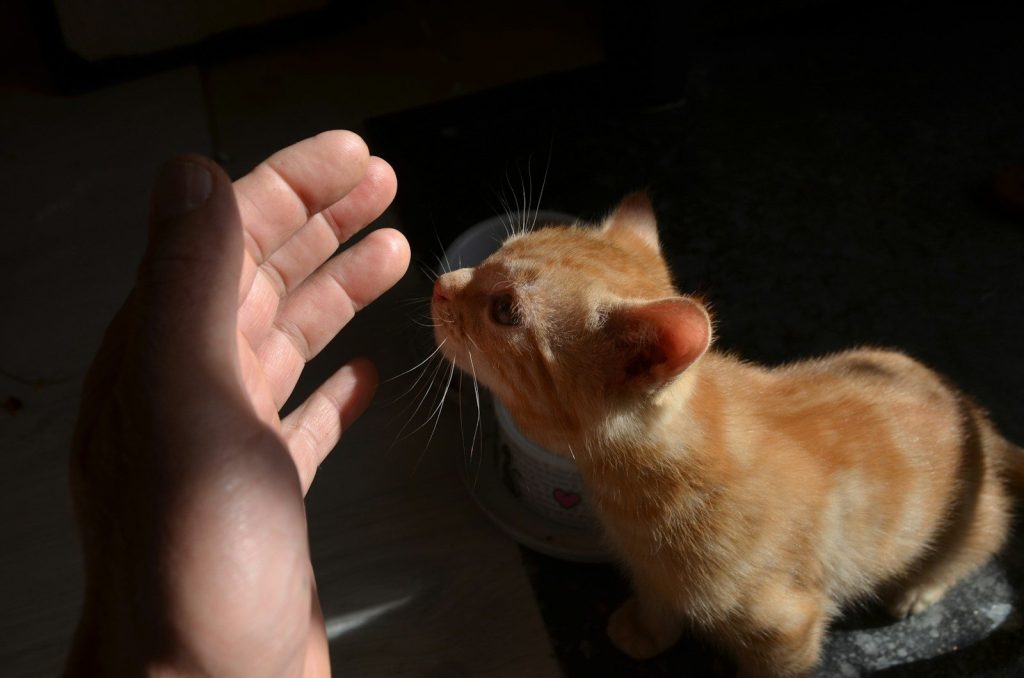
Trying to scoop up a new cat for a hug triggers their survival reflexes. Felines need time to map out a person’s scent profile first. Letting them sniff your outstretched index finger slowly mimics how wild cats interact. If they accept you, they will leave a silent chemical signature on your skin. But what is the purpose of this cheek rub?
The science behind territorial scent marking
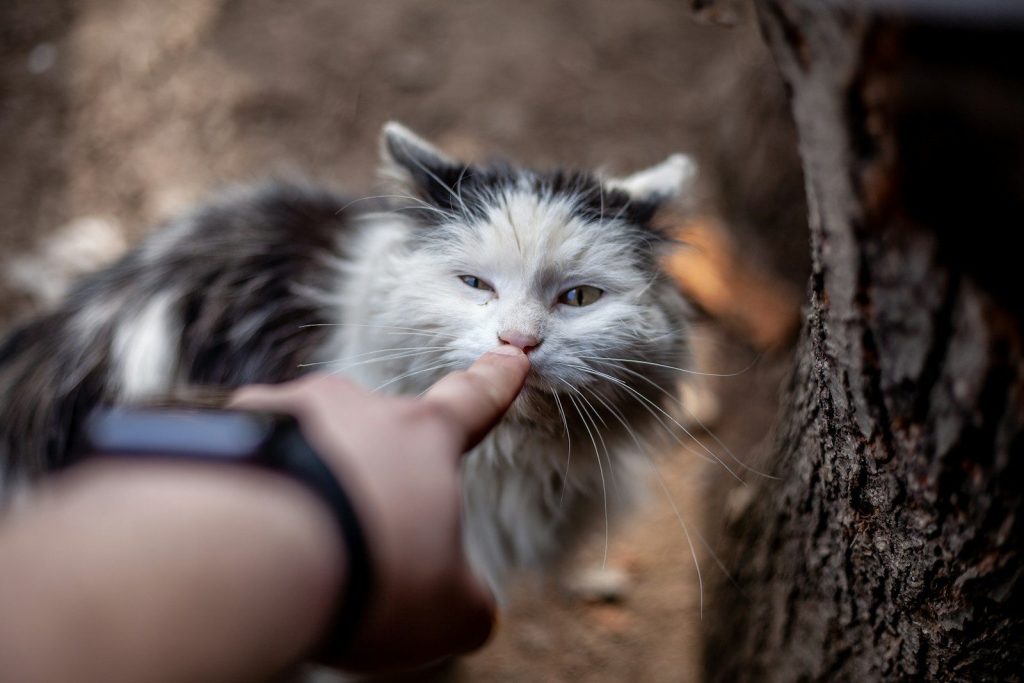
Cats hold special scent glands around their chin, cheeks, and foreheads. Rubbing these areas against you claims you as safe and familiar territory. Once they mark a person, their general household anxiety drops. Dr. Jane Brunt, speaking to the Cat Fanciers Association, notes this scent exchange is the foundation of mutual trust. But physical space matters just as much.
Creating vertical spaces for quiet safety
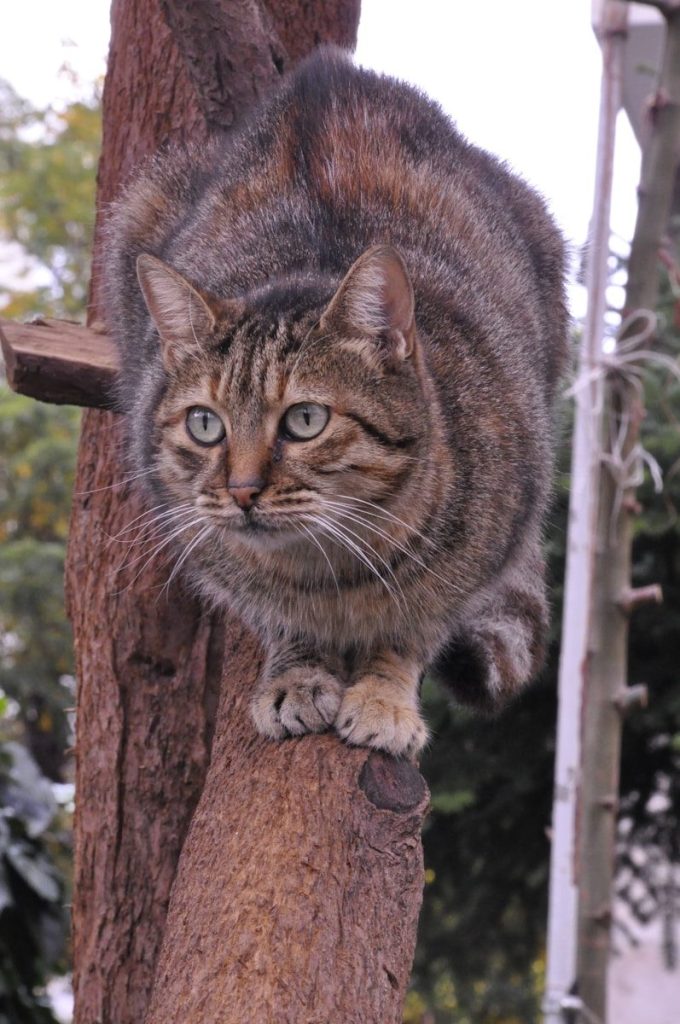
Vertical perches allow a rescue animal to watch human movements without feeling cornered. Placing a climbing tree near your favorite chair lets them stay close while keeping a safe escape route. They can slowly get used to your voice from a secure height. Fortunately, you can use your voice to speed up their relaxation.
The magic of quiet baby talk
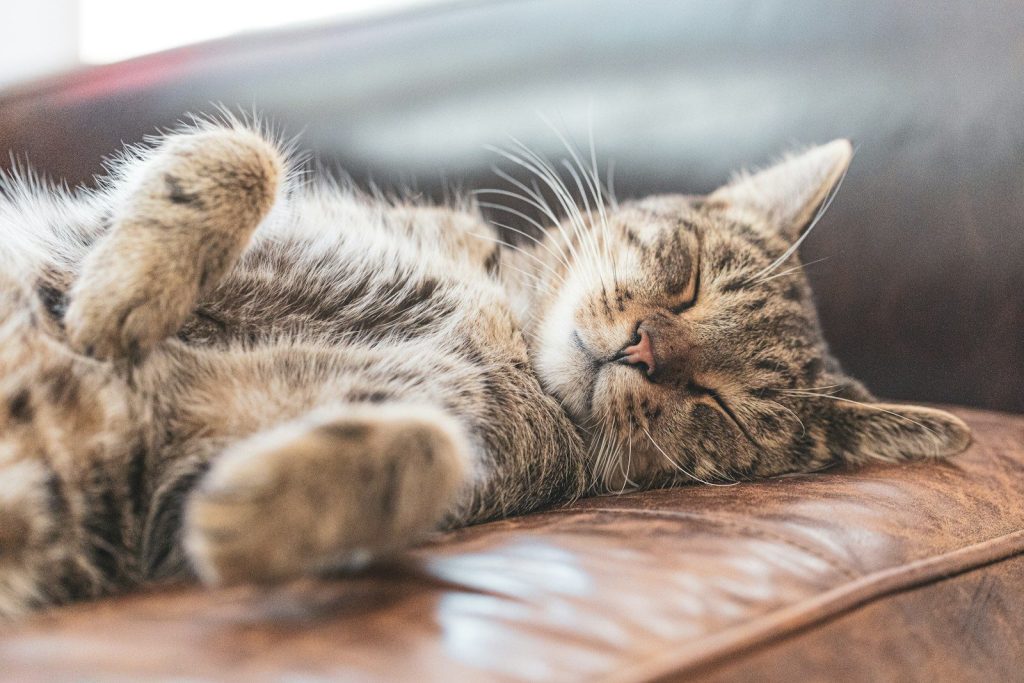
Felines respond far better to soft, high-pitched voices. Speaking quietly tells them that you are peaceful and friendly. Avoid making sudden loud noises or heavy footsteps around their designated safe rooms. This respectful approach helps them transition from a state of high alert into total relaxation. Still, owners often ignore the biggest trust blocker of all.
Respecting their highly sensitive stomach boundaries
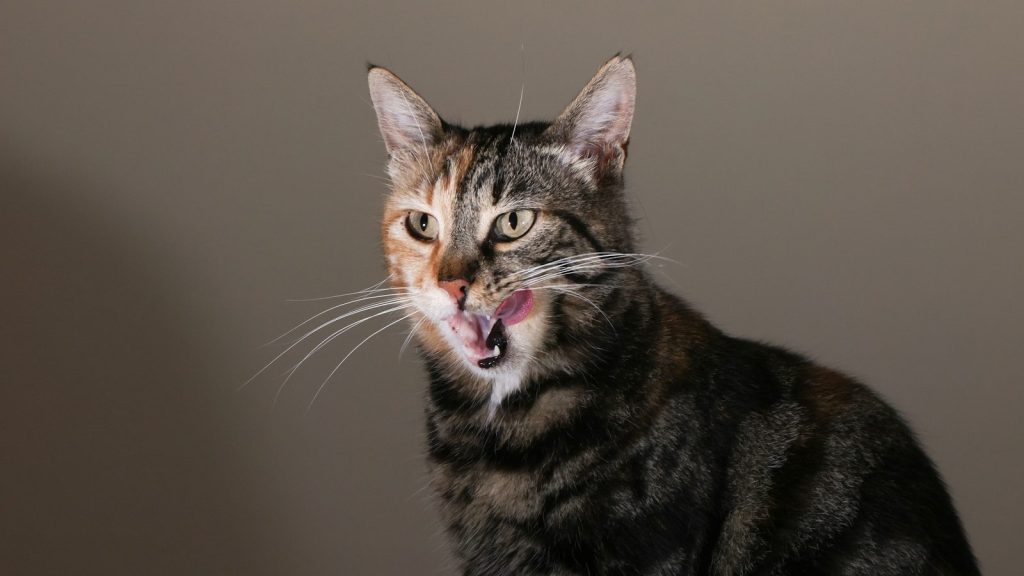
While a dog loves belly rubs, a cat’s stomach holds their most vulnerable organs. Touching this area triggers an automatic survival reflex to scratch and bite. Stick to petting their head and cheeks for positive results. This article is for informational purposes only and does not constitute veterinary advice. Once you master these sweet spots, your relationship will transform completely.
Achieving a peaceful lifelong companion bond
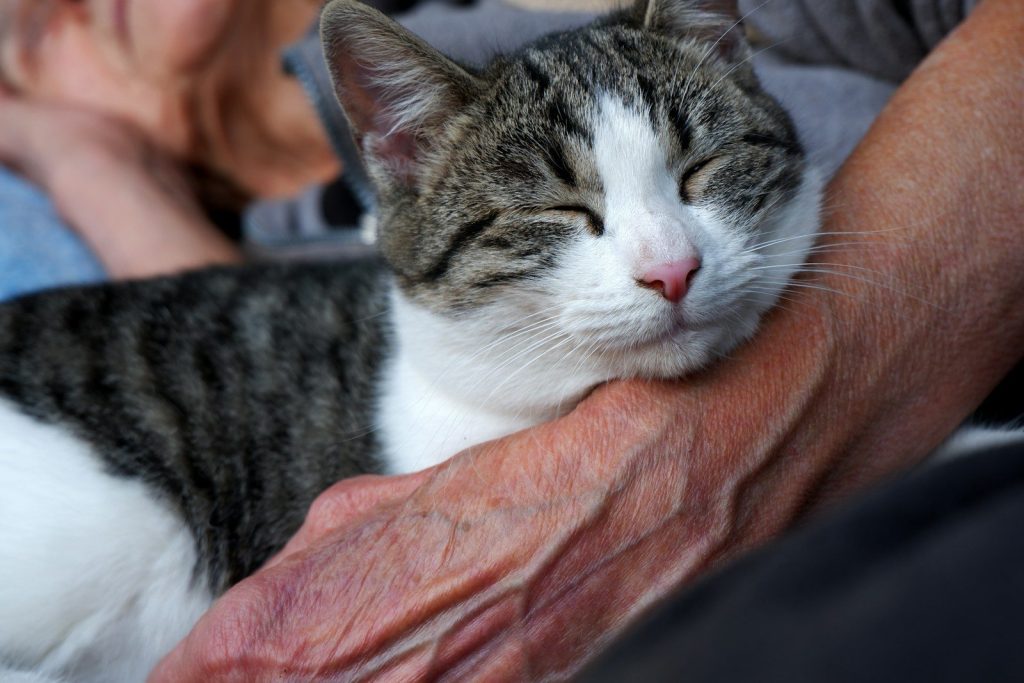
Building a secure attachment with a quiet rescue animal takes daily consistency and gentle patience. By listening to their silent signals and letting them make the first move, you will create a beautiful, trusting friendship. The reward is a loyal companion who loves you completely.
Featured Image: Photo by Nadi Spasibenko on Unsplash