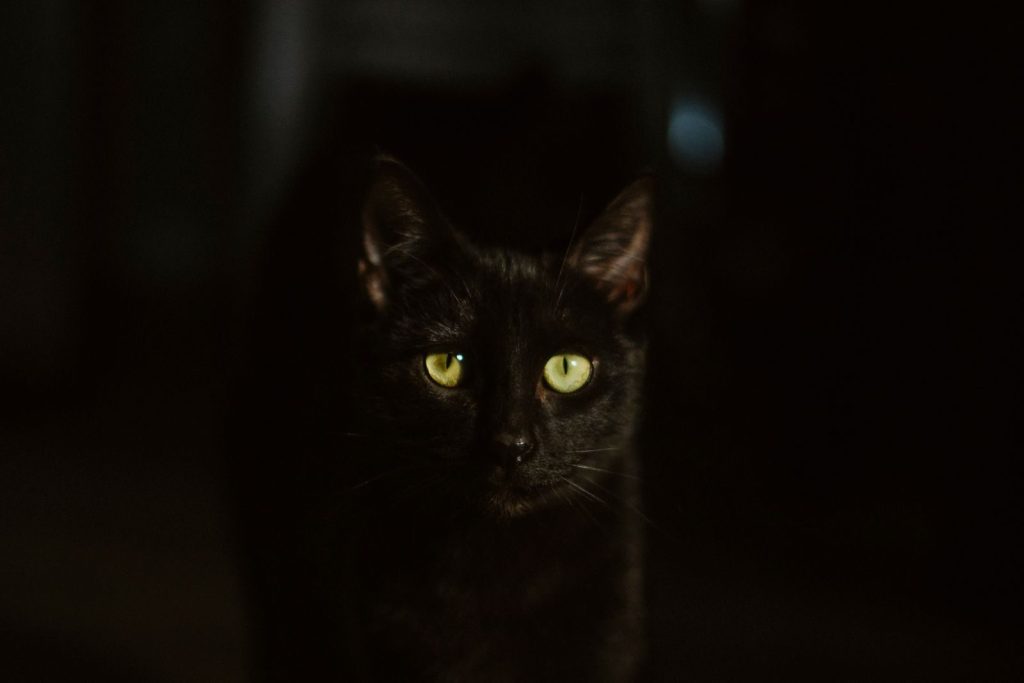

Few domestic cats carry as much cultural baggage as the black cat. Depending on where and when a story developed, the same dark-coated animal has been treated as a warning, a lucky visitor, a companion of witches, a protector, or simply an elegant pet. A 2025 Deutsche Welle feature explored these changing meanings around Halloween, while animal-welfare organizations continue working to separate old superstition from the real cats living in homes and shelters today.
The most important fact is that none of these legends tells us anything reliable about an individual cat’s temperament or future. Black fur is a genetic coat trait, not a supernatural sign. Yet folklore still matters because stories influence the way people see animals. In some places a black cat crossing the road is feared; elsewhere the same encounter is welcomed as good fortune. Looking at those contradictions reveals far more about human culture than it does about cats themselves.
Black Cats Became Halloween Symbols
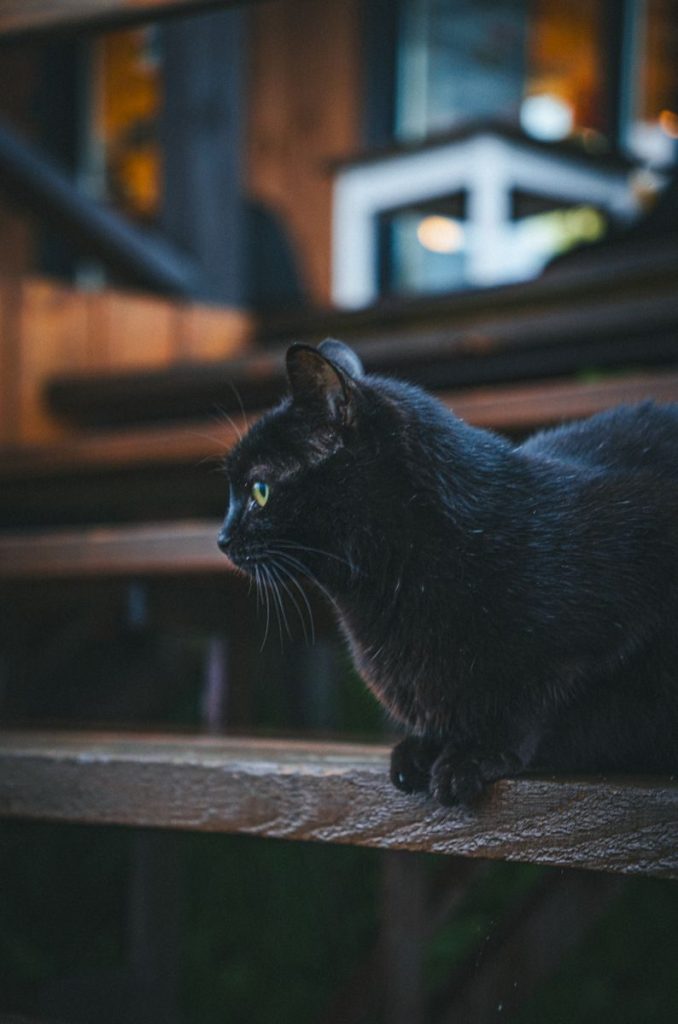
Modern Halloween imagery regularly places black cats beside witches, pumpkins, broomsticks, and moonlit scenes. History.com traces that connection to older European beliefs that associated cats, particularly dark ones, with witchcraft and supernatural danger. As Halloween developed into a major American folk celebration, the black cat became one of its most recognizable visual symbols. Today that image is usually playful decoration rather than a literal belief, but the old association remains easy to recognize. A real black cat, of course, has no special connection to the holiday.
Medieval Europe Linked Cats With Witchcraft

Fear surrounding cats intensified in parts of medieval and early modern Europe as beliefs about witchcraft, familiars, and demonic forces spread. Historical sources describe cats being linked with supposed witches, and black cats became especially prominent in later folklore. These ideas were human inventions formed within periods of religious fear and persecution, not observations of unusual feline behavior. Understanding that history helps explain why black cats gained a sinister reputation in some Western traditions. It also shows how cultural anxiety can become attached to an ordinary animal for centuries.
Britain Often Treats Black Cats as Lucky

The idea that a black cat brings bad luck is far from universal. Cats Protection notes that British folklore often treats encountering a black cat as fortunate, including versions in which a cat crossing someone’s path signals good luck. That directly reverses the superstition familiar to many Americans. The contradiction is useful because it exposes the arbitrary nature of the belief. The same animal performing the same ordinary action can be interpreted as fortunate or ominous depending entirely on cultural tradition, proving that the meaning comes from people rather than the cat.
Scotland Links Black Cats With Prosperity
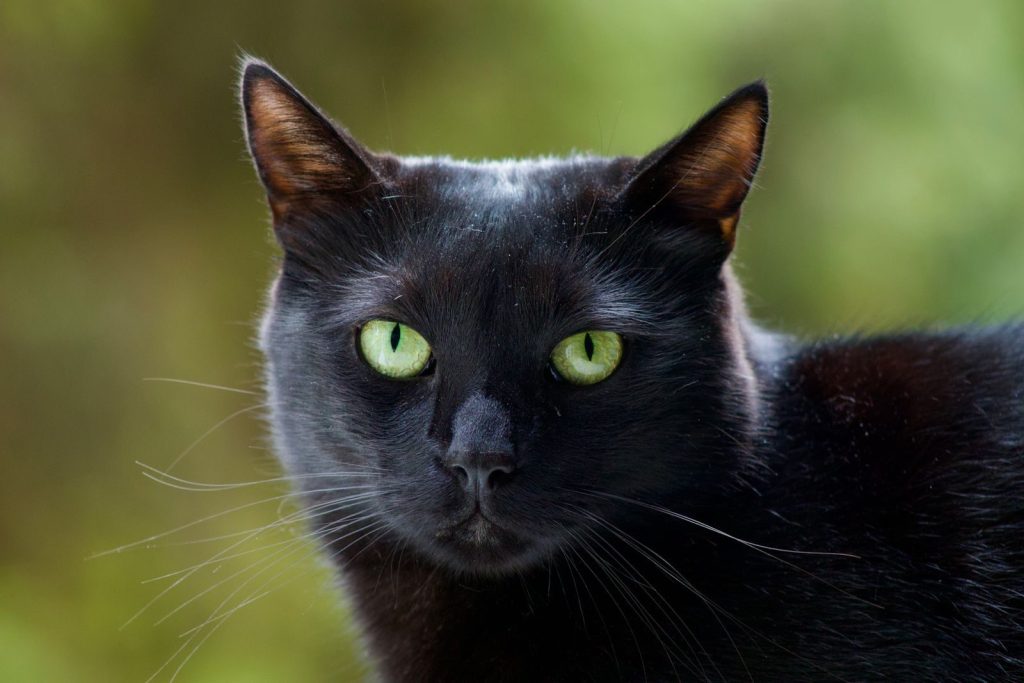
Scottish folklore gives the black cat another positive role. Cats Protection lists a tradition in which a stray black cat arriving on someone’s doorstep is considered a sign of coming prosperity. The welfare organization adds a practical modern reminder: a cat found outside should be checked for an existing owner rather than simply being claimed because a legend calls it lucky. That distinction brings folklore into the real world. A mysterious visitor may be someone’s missing pet, a community cat, or an animal needing help, regardless of what old stories predict.
Japan Gives Black Cats Positive Meanings

Japanese traditions have also included favorable associations with black cats, making them another example of how far the “bad luck” idea is from universal. Cats Protection notes that a black cat crossing your path can be considered lucky in Japan, while other cultural accounts connect black cats with protection and good fortune. These meanings differ from the spooky role common in Western Halloween imagery. They also reinforce the larger lesson: coat color acquires symbolism through local stories. The animal itself remains an ordinary domestic cat with individual behavior and needs.
Sailors Valued Black Cats as Good Omens

Black cats have also appeared in maritime folklore. Cats Protection describes European traditions in which keeping a black cat aboard a ship was believed to help ensure safe passage. Cats had a practical reason to be around ships too, since they could hunt rodents that threatened stored food and supplies. The supernatural layer was added by sailors and communities looking for good omens in a dangerous environment. Modern pet cats do not need a life at sea to prove their worth, but the tradition shows that black cats were not always feared.
Black Fur Comes From Genetics

The black coat itself needs no mystical explanation. UC Davis Veterinary Genetics Laboratory describes feline coat color as the result of interacting genes that influence pigment production and pattern. A solid black appearance involves eumelanin, the dark pigment also involved in chocolate and cinnamon color variants, along with other genetic factors affecting whether hairs are banded or uniformly colored. Genetics can become complex, but the basic point is simple: black fur is biology. It does not predict friendliness, aggression, luck, intelligence, or any other personality trait in an individual cat.
Superstitions Can Affect Real Cats
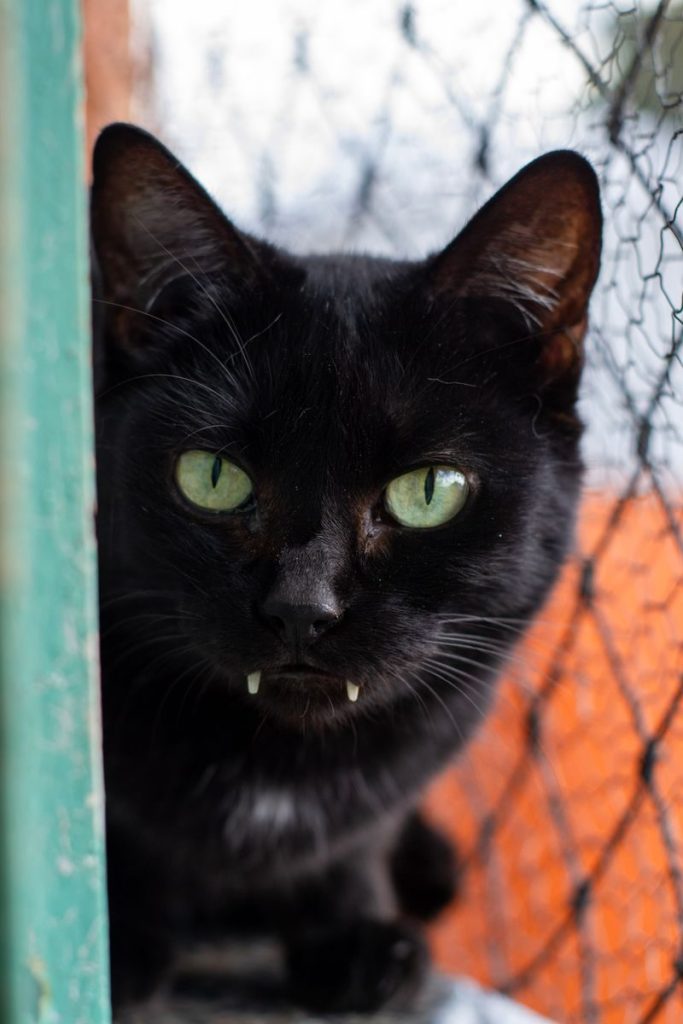
Folklore becomes a welfare issue when appearance shapes adoption decisions. Cats Protection created National Black Cat Day in 2011 after its figures showed black and black-and-white cats spending longer in care than cats of other colors. The charity says that gap has improved over time, but its campaign still encourages people to look beyond coat color. Shelter staff assess temperament and needs through actual observation, not superstition. A black cat should be chosen for the same reasons as any other cat: health, personality, household fit, and the adopter’s ability to provide lifelong care.
Featured Image: Photo by Fernando Capetillo on Pexels


