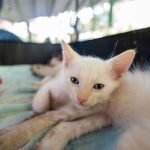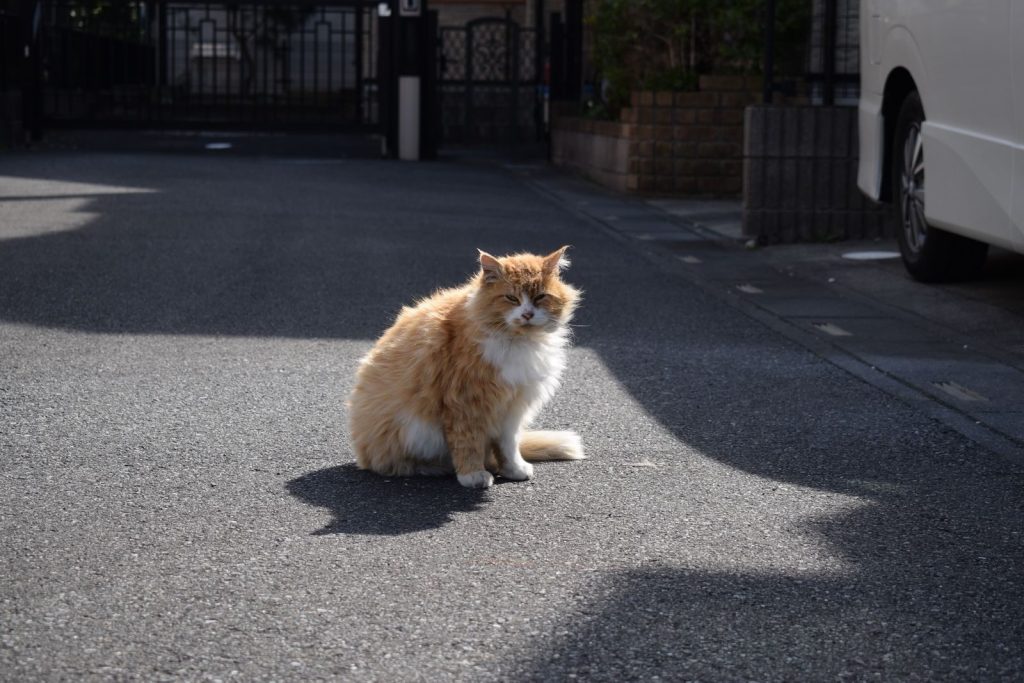

Japanese photographer Masayuki Oki has spent years turning ordinary encounters with outdoor cats into expressive street photographs. A 2020 Bored Panda feature collected 40 images of cats caught in distinctive poses and interactions, while later profiles have continued to document his work. Oki is based in Tokyo and began focusing seriously on street-cat photography around the end of 2013. Instead of presenting cats as polished studio subjects, his pictures depend on observation, timing, and the unpredictable behavior that unfolds in streets, alleys, parks, and other everyday settings.
The appeal of Oki’s photographs comes from how different the cats appear from one frame to the next. Some are sleepy, some are mid-groom, some seem caught during tense feline exchanges, and others simply occupy the city in unexpectedly funny positions. Describing those images as “personalities” is a viewer’s interpretation, not a scientific assessment of temperament, but the variety is real. Oki’s work also offers a useful reminder that outdoor cats should not all be casually labeled the same way; a photograph alone cannot establish whether a cat is stray, feral, owned, or regularly cared for by people.
Oki Focuses on Street Cats
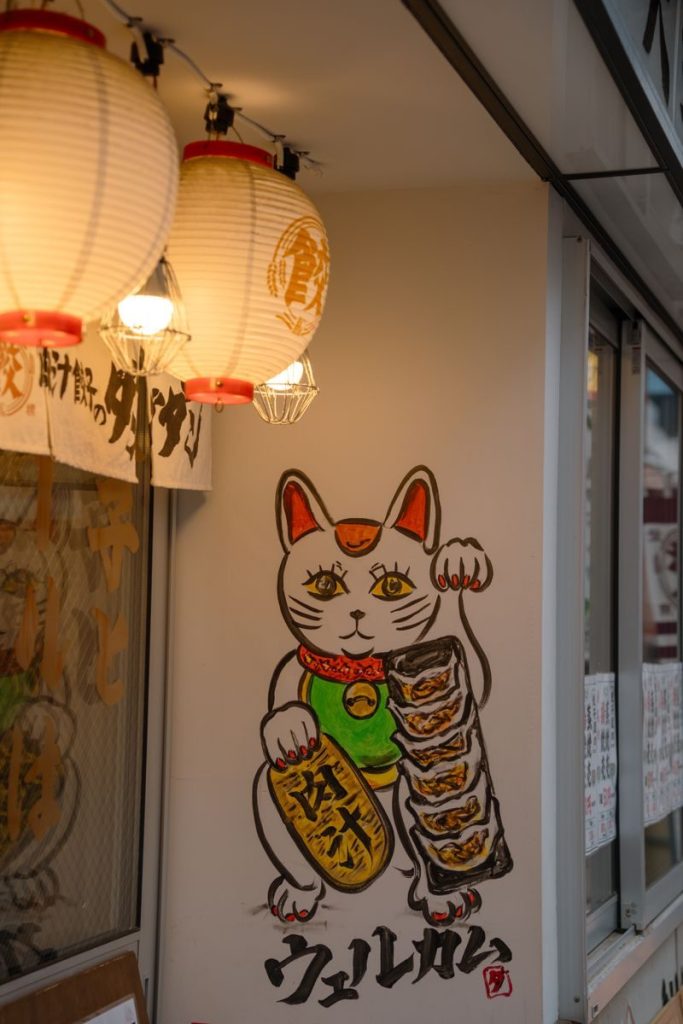
Masayuki Oki built his photographic reputation around cats encountered outdoors in Tokyo and other parts of Japan. PetaPixel reported that his interest in cat street photography began on New Year’s Eve in 2013, and later profiles describe more than a decade of work. His subject is not a single famous pet but a changing population of cats moving through ordinary urban spaces. That gives the photographs a documentary quality even when the results are humorous. The city remains visible around the animals, making the setting part of the story rather than a neutral background.
Timing Creates the Humor
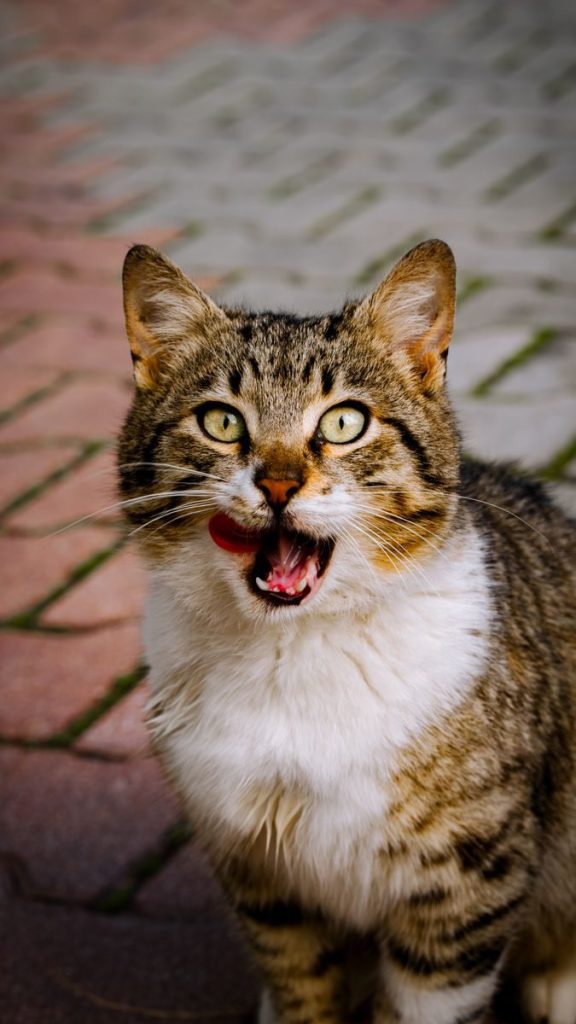
Many of Oki’s best-known images are funny because of timing rather than props. Profiles of his work describe cats caught making unusual facial expressions, grooming in contorted positions, resting awkwardly, or interacting with other cats. A fraction of a second can turn an ordinary movement into a photograph that appears almost theatrical. That does not mean the cat is intentionally performing for the camera. The humor belongs largely to the human viewer, who recognizes familiar gestures and reads them through a playful lens. Oki’s skill is noticing those brief moments before they disappear.
Everyday Behavior Becomes a Portrait
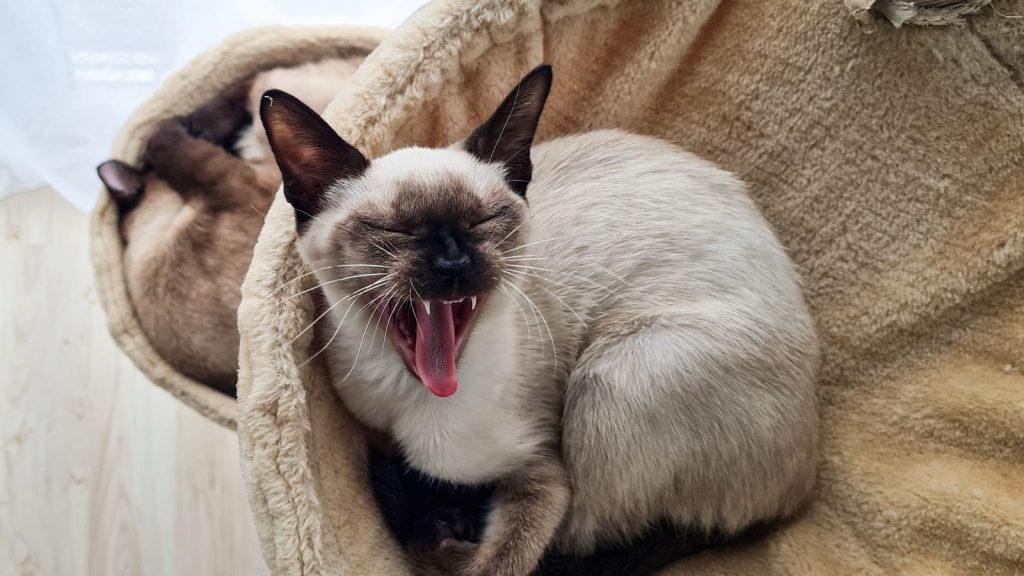
Street-cat photography can make routine behavior look unusually expressive. A yawn becomes a dramatic face, a stretch looks like a dance pose, and a brief disagreement between two cats can resemble a staged scene. Oki’s photographs repeatedly use these ordinary behaviors as the center of the frame. The result is less about documenting a breed or producing a formal animal portrait and more about preserving a moment. Because the cats are encountered in everyday environments, their movements, resting places, and interactions remain connected to the spaces they actually use.
No Two Frames Feel Identical

The original Bored Panda gallery was built around 40 images, but the attraction is not simply the number. The photographs vary in posture, expression, grouping, background, and action, which makes each frame feel separate from the last. Later collections of Oki’s work have continued the same approach, showing cats sleeping, staring, grooming, moving, and interacting. Calling every visible expression a stable personality trait would go too far, yet the visual differences are exactly what make the series engaging. Viewers are invited to notice individual moments instead of seeing outdoor cats as one anonymous group.
The Streets Stay in the Frame
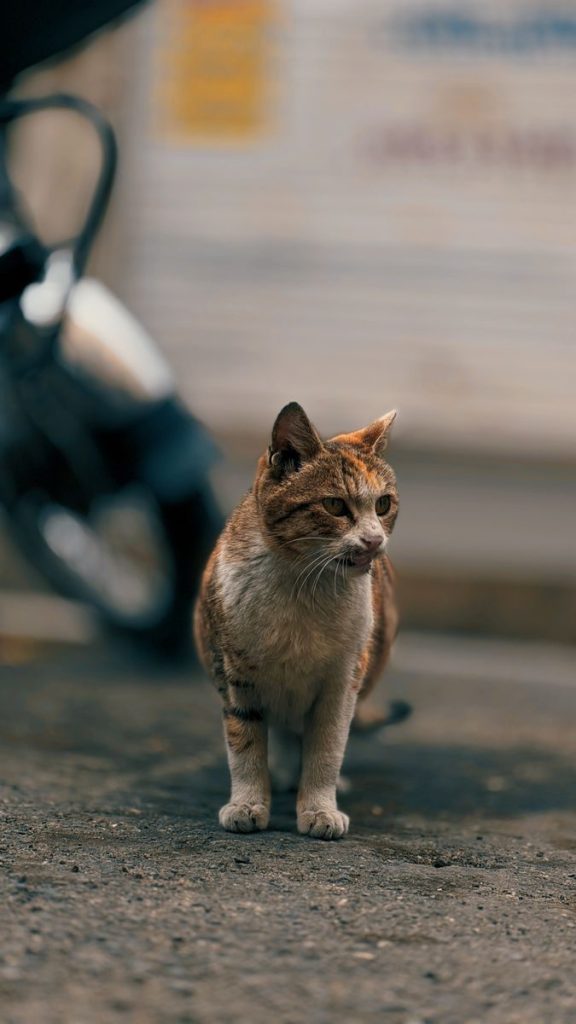
Oki’s cats are photographed where he encounters them, so walls, pavement, fences, plants, alleys, and neighborhood details often remain visible. Those surroundings do more than decorate the picture. They show the animals occupying real shared spaces rather than an artificial studio set. Street photography depends on the relationship between subject and environment, and Oki’s work uses that connection effectively. A cat stretched across a ledge or peering around a corner becomes memorable partly because the location shapes the composition. The background helps explain why these photographs feel like small scenes from daily urban life.
Stray and Feral Are Not Synonyms
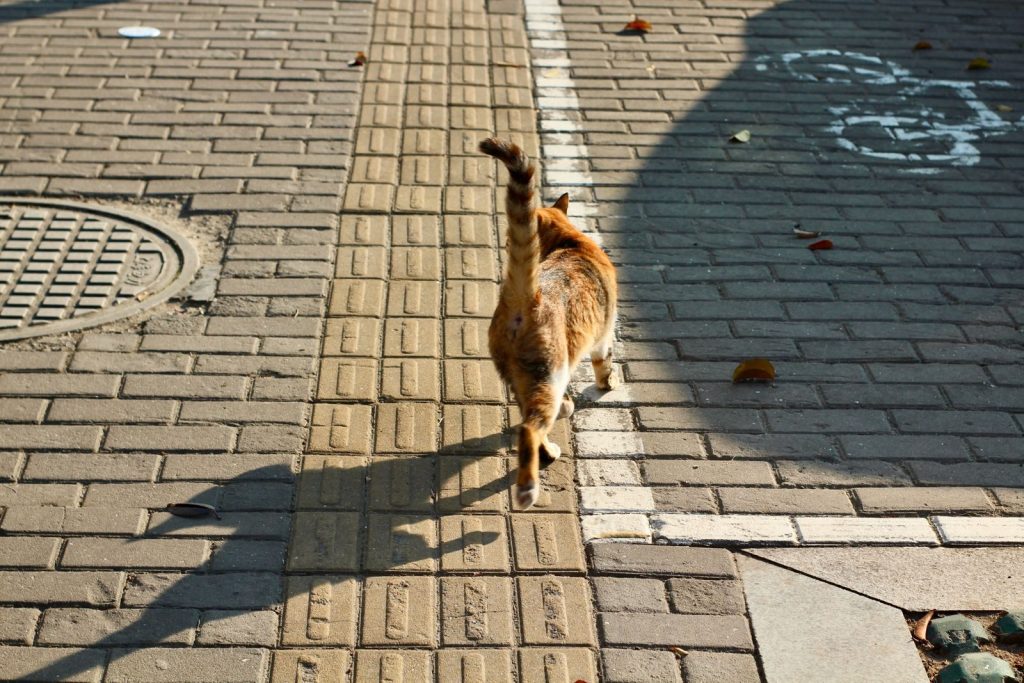
Popular captions often use “stray” as a general word for any outdoor cat, but the terms are more specific in animal-welfare guidance. Cats Protection describes feral cats as domestic cats that were not socialized to people or the home environment, while stray cats may have previously lived with humans. An image cannot reliably establish that history. Some outdoor cats may also be owned or regularly cared for within a community. For that reason, Oki’s photographs are best appreciated as images of cats encountered outdoors without assuming every subject has the same background, needs, or relationship with people.
Candid Photos Avoid Easy Assumptions
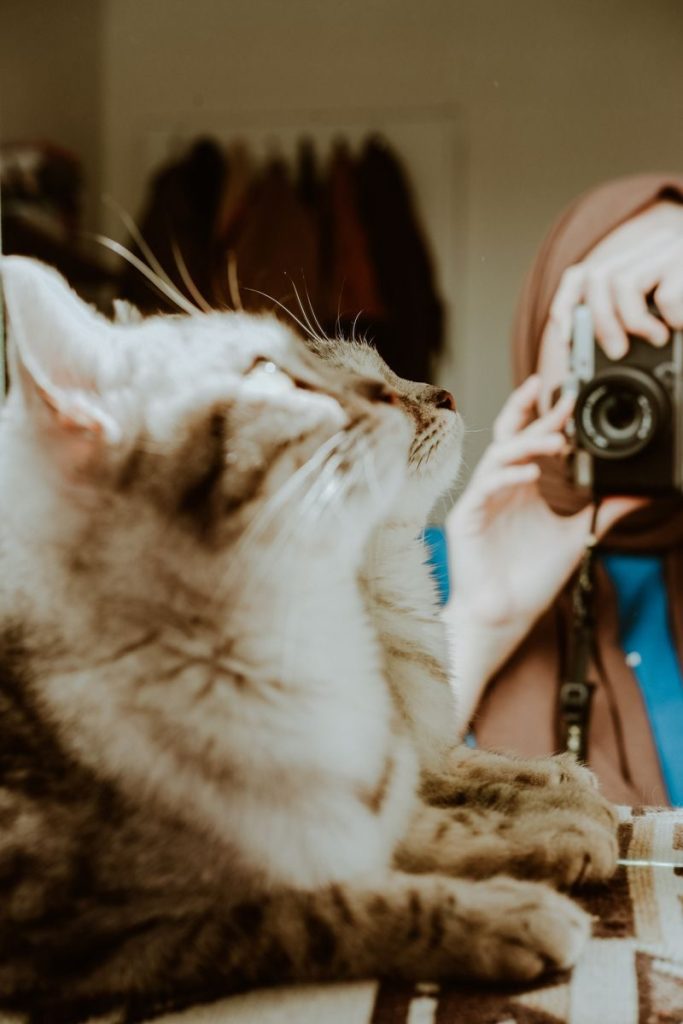
One strength of candid animal photography is that it can show behavior without requiring a tidy story. A cat can be photographed sleeping, fighting, grooming, or watching the street without the photographer knowing its name, history, or future. That limitation is important. Viewers may be tempted to invent motives or emotional narratives from a single expression, but a still image captures only one instant. Oki’s work remains engaging without needing those claims. The photograph itself can be funny, strange, or beautiful while the animal’s exact thoughts and circumstances remain unknown.
The Project Has Continued for Years
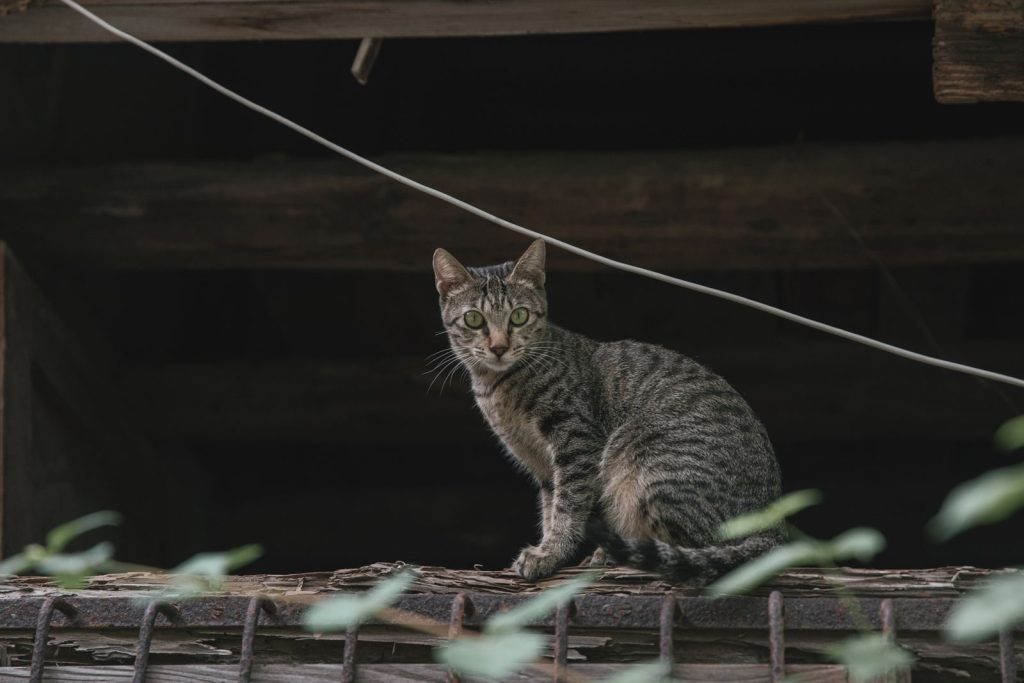
Oki’s cat photography was already widely circulated when the 2020 collection appeared, and his work has continued well beyond that gallery. A 2025 Bored Panda profile described more than ten years of photographing cats, while a 2026 photo essay and Asia Cat Expo material highlighted his newer book, Neko: Cats of Japan. That longer timeline matters because it shows the project is not a one-off viral collection. Oki has repeatedly returned to feline street photography, building a recognizable body of work around observation, humor, and the unpredictable visual character of cats encountered in public spaces.