The exact viral story behind this title could not be independently confirmed, but a verified Cats Protection rescue tells a strikingly similar story. In Buckinghamshire, volunteers discovered a mother cat caring for three newborn kittens high in a tree, where the tiny family had settled inside an old bird’s nest. The kittens were only about a week old, making the unusual nursery especially risky because a fall could have been dangerous. Rather than inventing a backstory, this article follows the confirmed rescue and what happened next.
The rescue also shows why outdoor kittens should not automatically be assumed abandoned when their mother is not visible. Mother cats may leave briefly to find food or wait until people move away before returning. In this case, volunteers had been monitoring cats at an industrial site and eventually spotted the mother leading them toward the tree. Once they understood where the kittens were, they planned a careful rescue that kept the family together and allowed the adult cats to receive veterinary care as well.
The Kittens Were High in a Tree
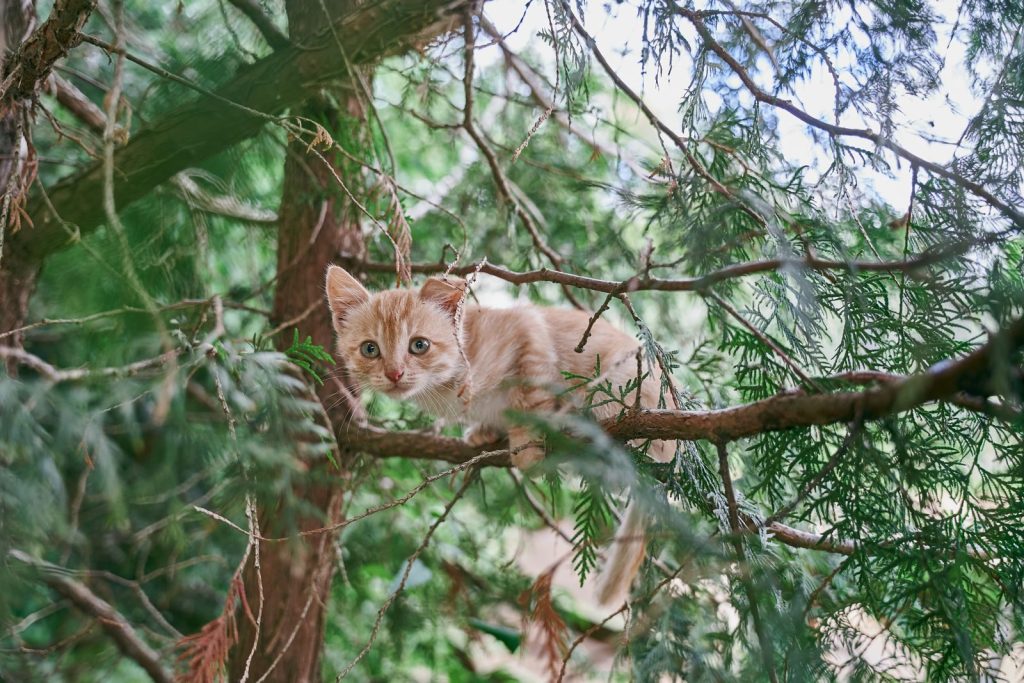
Cats Protection volunteers were helping cats at an industrial site in Amersham, Buckinghamshire, when they learned that one female had recently given birth. The kittens were not immediately visible, so volunteers watched the area and searched for signs of the new family. Eventually, the mother was seen going up a tree. Looking more closely, a volunteer discovered three very young kittens tucked inside an old bird’s nest high above the ground. Their location was clever shelter, but it also created a serious risk if one fell.
Volunteers Searched for a Week
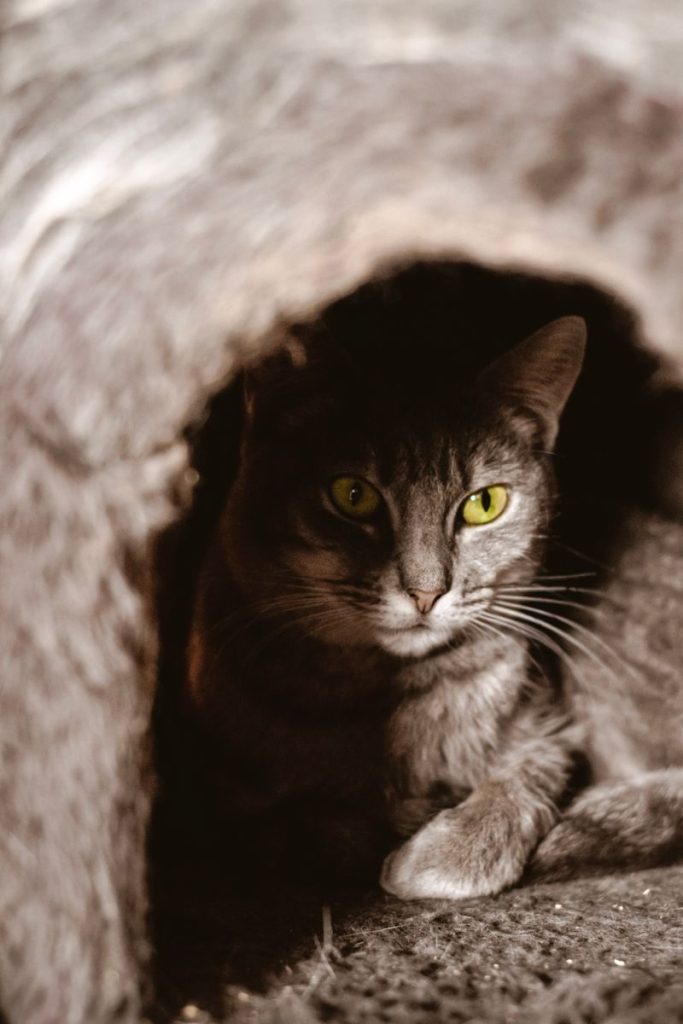
Finding the kittens took patience rather than a quick search. Cats Protection reported that volunteers had been trying to locate the litter for around a week while monitoring the colony. The mother continued moving around the site, and another adult male cat was also seen with her. Instead of assuming the kittens had disappeared or been abandoned, the team kept observing. That persistence mattered because mother cats often conceal newborns in quiet places, and approaching too aggressively can cause a nervous mother to move her litter somewhere even harder to find.
The Mother Revealed the Nest
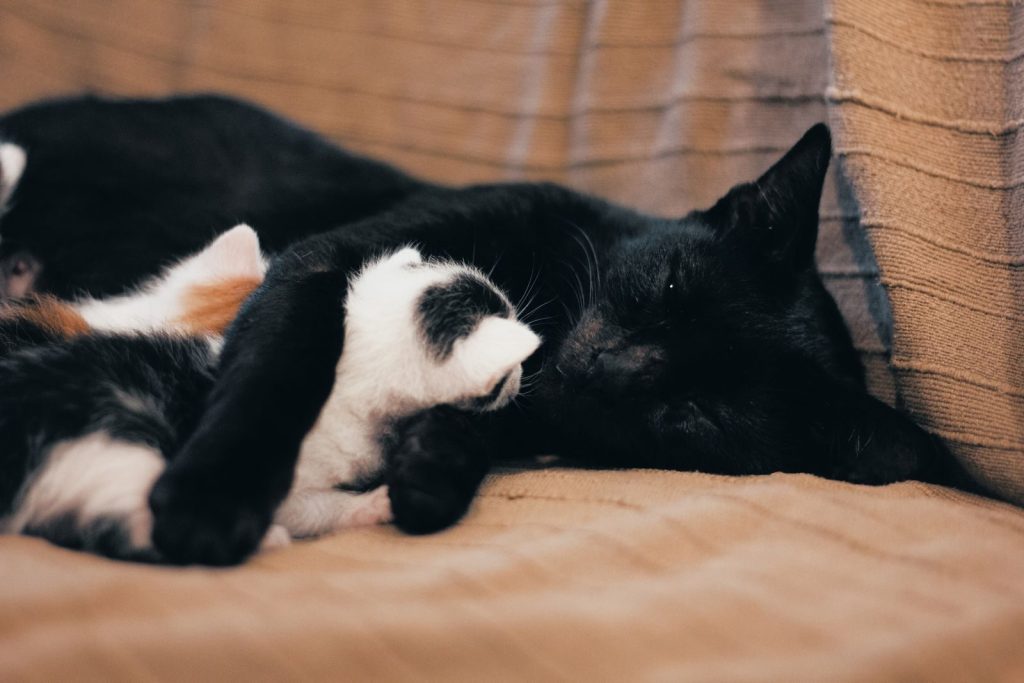
The breakthrough came when the mother cat revealed the kittens’ location herself. A volunteer saw her climb the tree and then noticed her feeding three kittens in the bird’s nest. The male cat was nearby as well. That sighting gave rescuers the information they needed without relying on guesses about where the litter might be hidden. It also confirmed that the kittens still had maternal care. For very young kittens, remaining with their mother whenever safely possible is important because she provides warmth, feeding, grooming, and round-the-clock care people cannot easily duplicate.
The Kittens Were About a Week Old

The kittens were estimated to be only about one week old when rescuers reached them. At that age, kittens are highly dependent on their mother and are not ready to eat regular cat food or regulate life independently. Their elevated nest therefore posed a practical concern, not simply an unusual photo opportunity. Cats Protection feared that one could fall from the tree. Because the family was known and the location was unsafe, volunteers chose to intervene carefully rather than removing the kittens without a plan for their mother.
Rescuers Trapped the Mother First
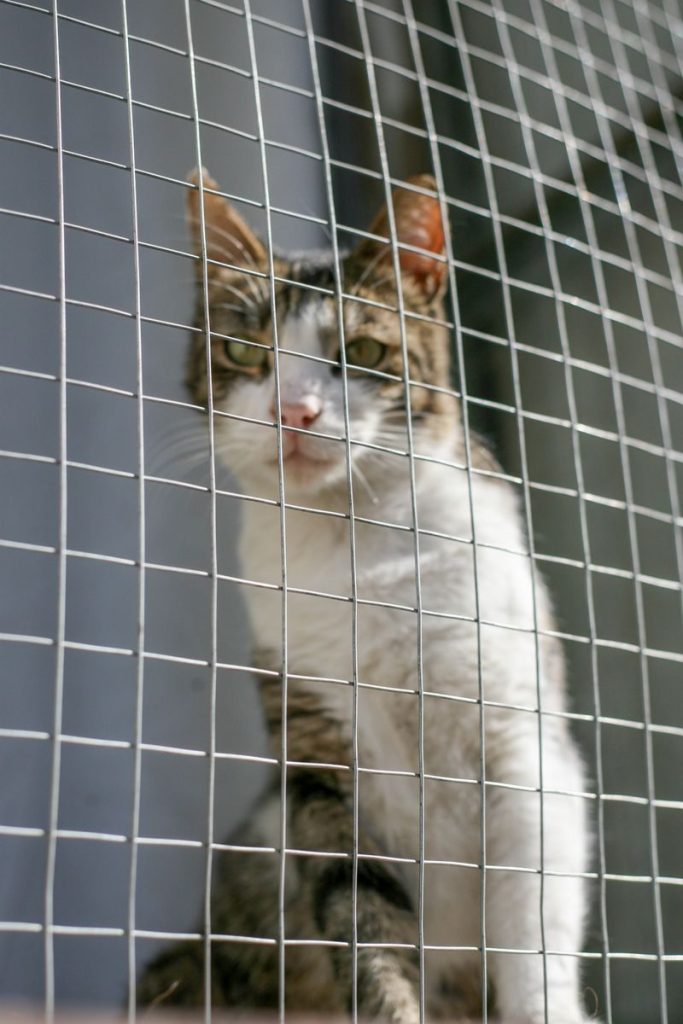
The rescue team trapped the mother cat before bringing down the kittens. That order helped keep the family together instead of taking the babies first and leaving their mother searching for them. Once the adult female was secure, a volunteer carefully retrieved the three kittens from the nest. The family was then transferred into foster care, where the kittens could continue receiving maternal care in a safer setting. For anyone finding outdoor kittens, this is an important distinction: intervention should depend on their condition, age, location, and whether their mother is still caring for them.
The Male Cat Needed Treatment
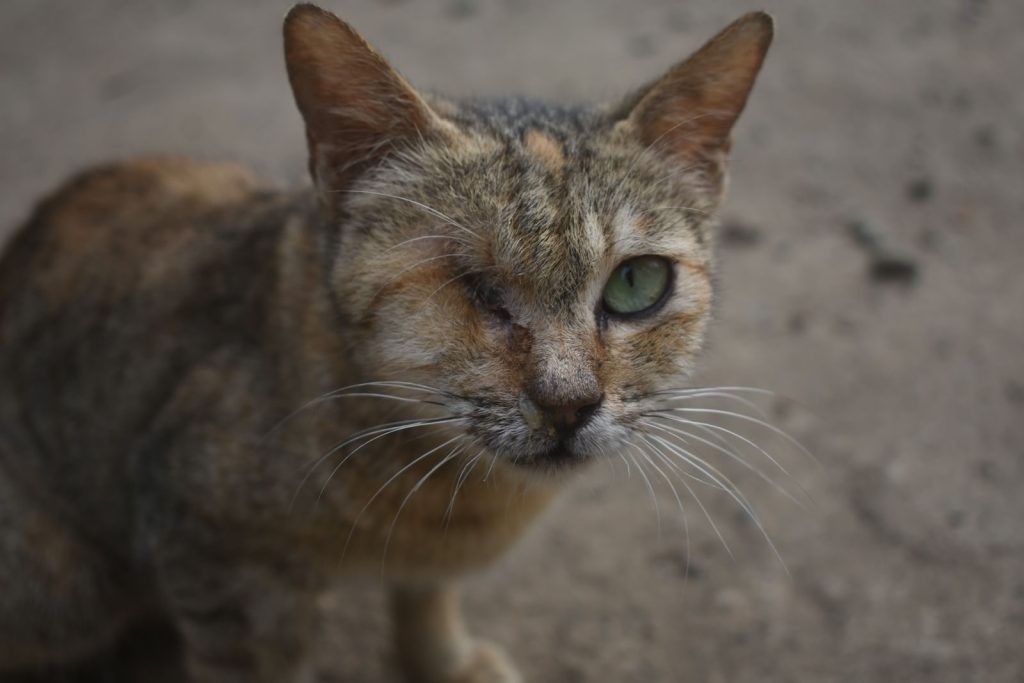
The adult male seen around the mother also needed help. Cats Protection reported that he had an abscess on his foot, so he received veterinary treatment and was neutered. The mother was also brought into care. Once the male had been treated, he was reunited with the female and kittens in foster care. The organization named the mother Oriole and the kittens Bran, Jay, and Lori. These verified details make the rescue notable without needing to assign human-style family roles or motivations that the cats themselves cannot confirm.
The Colony Needed Long-Term Help

The cats had been living around an industrial site where a colony had developed over time. Cats Protection said businesses there had previously adopted several neutered cats, while other strays later joined the group and reproduced. Both adult cats involved in this rescue were described as friendly, which made them suitable candidates for rehoming rather than simply returning them outdoors. The case shows why community-cat management includes more than rescuing kittens. Neutering, veterinary treatment, identification of socialized cats, and responsible rehoming can all help reduce repeated litters and improve welfare.
Outdoor Kittens Often Need Their Mother
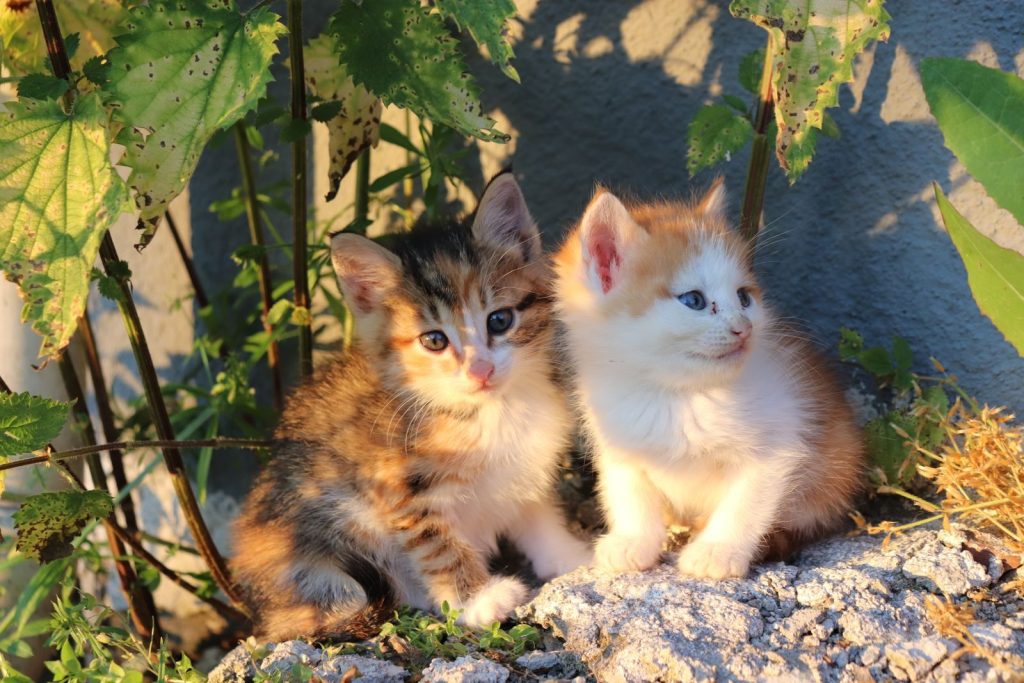
When healthy kittens are found outdoors, the safest response is not always to scoop them up immediately. Animal-welfare organizations advise first checking whether the mother returns, unless the kittens are injured, ill, in immediate danger, or clearly need urgent help. Providing food, water, and a dry shelter for the mother can support the family while the situation is assessed. In this Buckinghamshire case, the tree nest created a specific safety concern, so trained volunteers intervened. The lesson is simple: observe carefully, avoid assumptions, and contact a reputable rescue when guidance is needed.
Featured Image: Photo by Linken Van Zyl on Pexels