
Lieutenant Dan first drew attention because the tiny orange kitten moved differently from her littermates, dragging her hindquarters and wobbling instead of walking normally. Later veterinary care gave that unusual movement a clearer explanation: she was diagnosed with Manx syndrome, a congenital condition involving abnormal development around the tail, sacrum, spinal cord, or related nerves. Her foster team has continued supporting her through medical appointments, mobility challenges, elimination care, physical therapy, and the everyday work of helping a disabled kitten grow as comfortably as possible.
Her name also carries a small surprise. Early social-media coverage referred to Lieutenant Dan as male, but later veterinary findings confirmed that the kitten is female. Her caregivers have continued using the familiar name while sharing updates about her progress. The serious side of the story is that Manx syndrome can affect far more than walking. Depending on severity, cats may have weakness or paralysis in the hind limbs, abnormal tail development, and problems controlling the bladder or bowels, making long-term veterinary management essential.
Lieutenant Dan Was Different From Birth
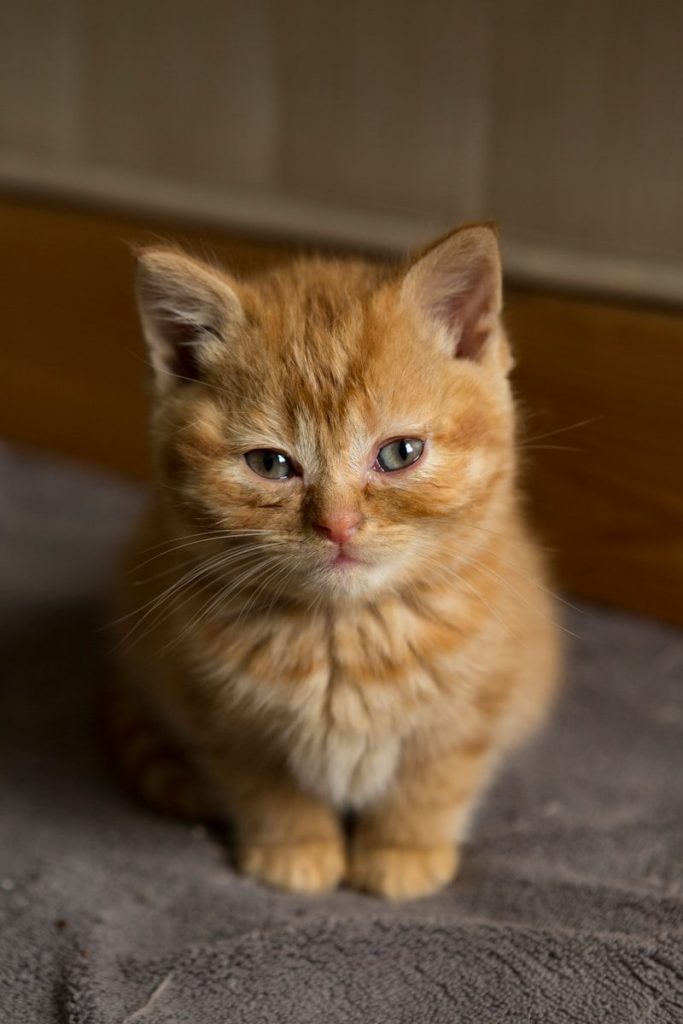
Lieutenant Dan entered foster care as part of a litter of six kittens with names inspired by Forrest Gump. Her caregivers quickly noticed that she was smaller than her siblings and that her back end moved very differently.
She had an abnormal tail and did not use her hind limbs in the usual way. Those signs made veterinary evaluation important from the beginning. Young kittens can be clumsy, but persistent dragging, weakness, or inability to bear weight can point to a congenital, orthopedic, or neurological problem.
Veterinarians Diagnosed Manx Syndrome

Veterinarians eventually diagnosed Lieutenant Dan with Manx syndrome, also known as sacrocaudal dysgenesis. The condition can involve malformed vertebrae and abnormal development of the spinal cord or nerves near the lower spine.
The effects vary from cat to cat. Some have relatively mild abnormalities, while others experience significant hind-limb weakness, paralysis, or problems controlling urination and defecation. Lieutenant Dan’s mobility and elimination difficulties fit the kind of neurological problems that can occur when this region develops abnormally in daily life.
Lieutenant Dan Turned Out Female
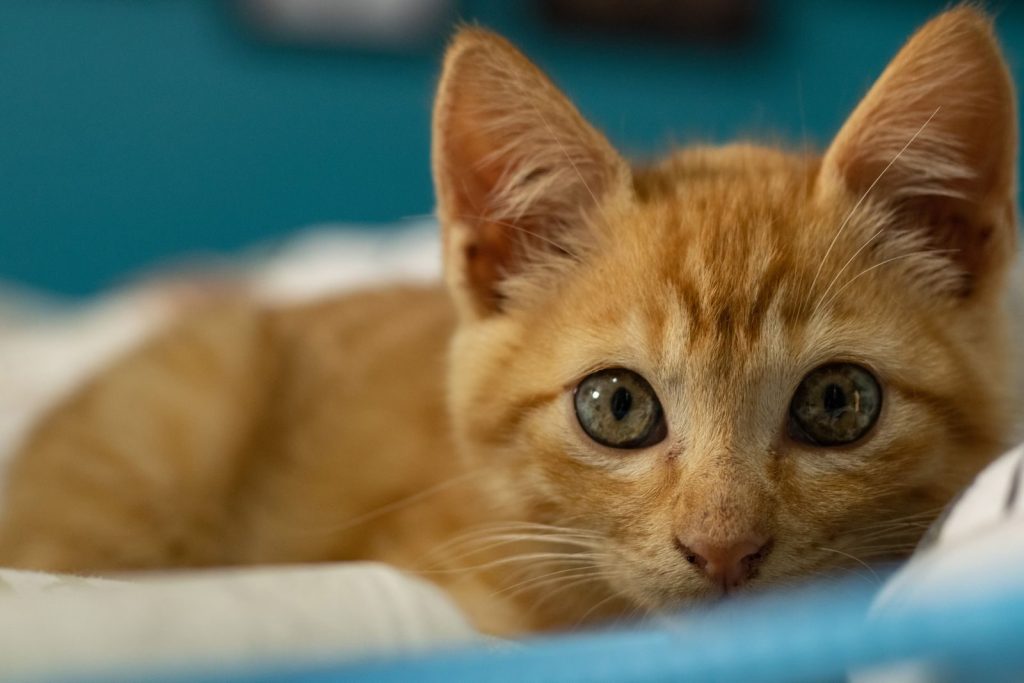
Although early posts called Lieutenant Dan a male kitten, later veterinary examinations created uncertainty about her sex because her anatomy was unusual. Further medical investigation ultimately confirmed that she is female.
Her foster caregiver kept the name that followers already knew, sometimes using Dani or Lieutenant Danielle as playful alternatives. The update became another part of her story and showed how information about a medically complex rescue kitten can change as veterinarians complete more thorough examinations over time too medically.
Daily Bladder Care Became Essential
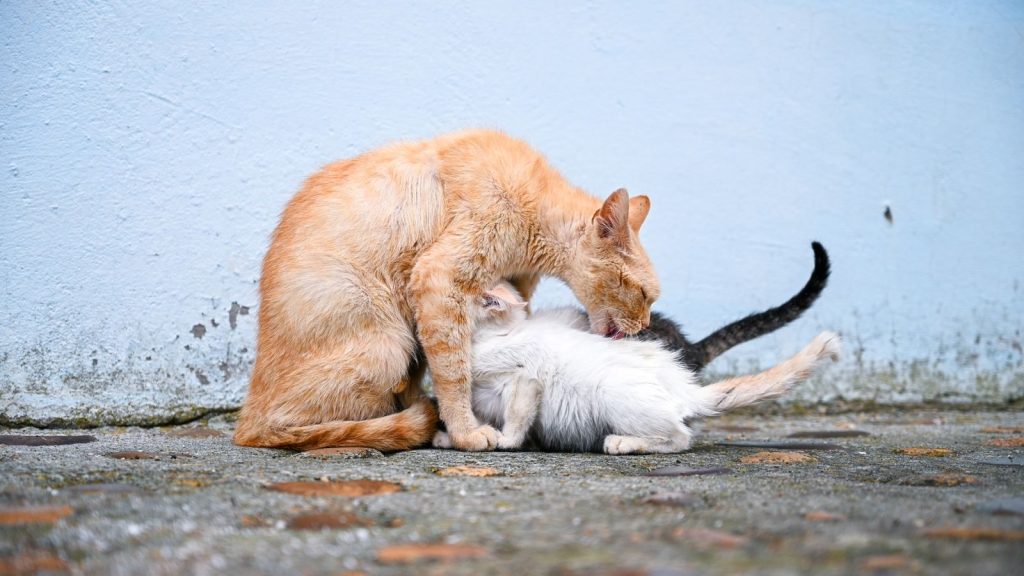
Lieutenant Dan reportedly cannot empty her bladder and bowels normally, so her caregiver learned how to help her several times each day. That routine has become one of the most important parts of keeping her comfortable and healthy.
Neurological problems affecting elimination can lead to serious complications when they are not managed correctly. Her daily care therefore involves much more than helping her move around. Hygiene, monitoring, veterinary guidance, and careful observation all matter alongside the visible mobility challenges that first made her famous.
Treatment Brought New Challenges
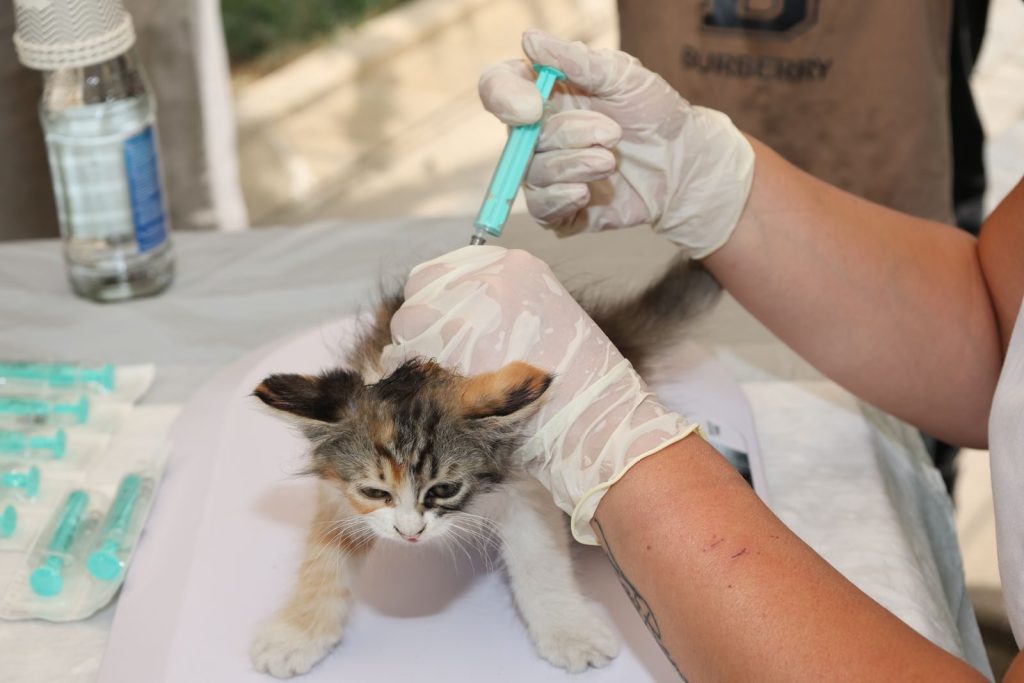
Her treatment has not followed a perfectly smooth path. Attempts to improve movement in her legs were followed by fractures that required bandaging, and pressure from the bandages later contributed to a wound on one small foot.
The injury required additional veterinary attention and regular checks while the tissue healed. For a kitten with abnormal mobility, even helpful equipment or positioning can create new pressure points. Her experience shows how closely caregivers must watch skin, limbs, and comfort throughout ongoing rehabilitation.
Physical Therapy Became Part of Care
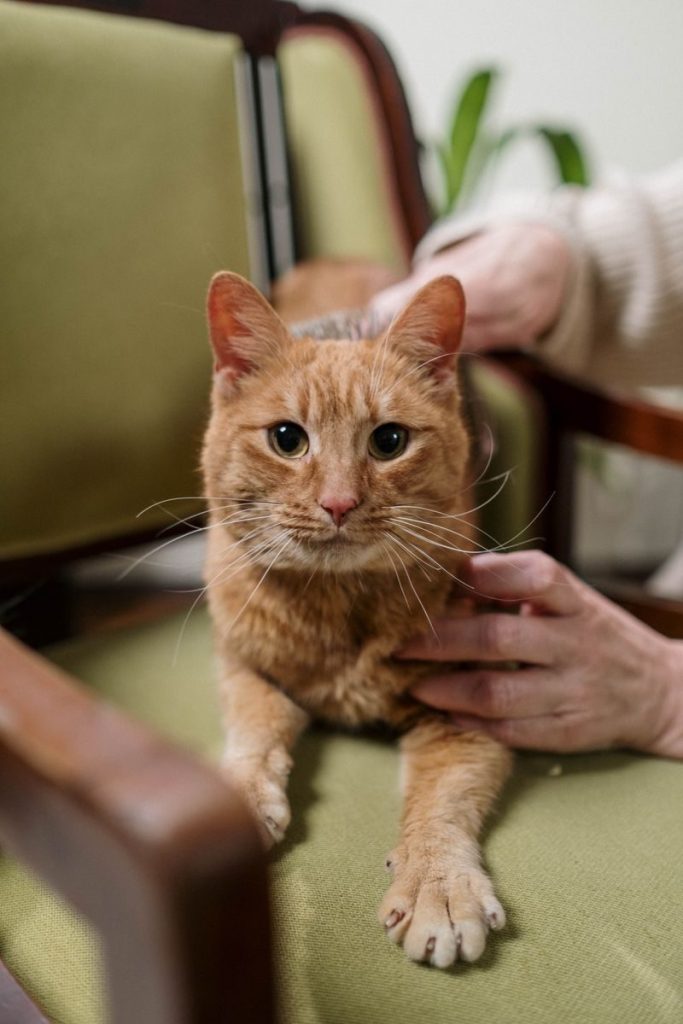
Physical therapy has also become part of Lieutenant Dan’s routine. Her caregivers have shared that she receives neurological follow-up and performs exercises intended to support movement, flexibility, and function within the limits of her condition.
Progress can be measured in small ways, including easier movement, stronger positioning, or better tolerance of daily activity. Because her spine and limbs developed abnormally, rehabilitation has to be adapted to her specific body rather than following the same plan used for an ordinary healthy kitten.
Dani Keeps Finding Ways to Move
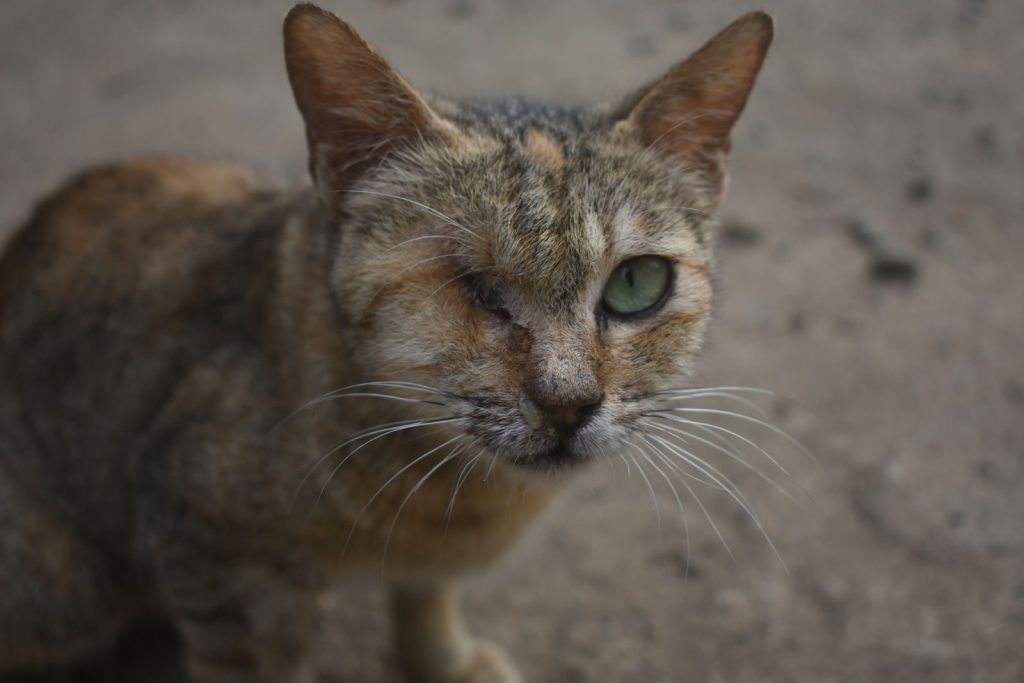
Despite her disabled hindquarters, Lieutenant Dan has remained active in foster care. Updates have shown her moving around in her own way, playing near littermates, climbing, and seeking social contact while her caregivers manage the medical needs she cannot handle independently.
Those everyday activities are important because quality of life includes more than whether a cat walks conventionally. Appetite, comfort, curiosity, play, social interaction, hygiene, and the ability to move through a suitable environment all help caregivers understand how a disabled kitten is coping as she grows.
Her Care Keeps Evolving
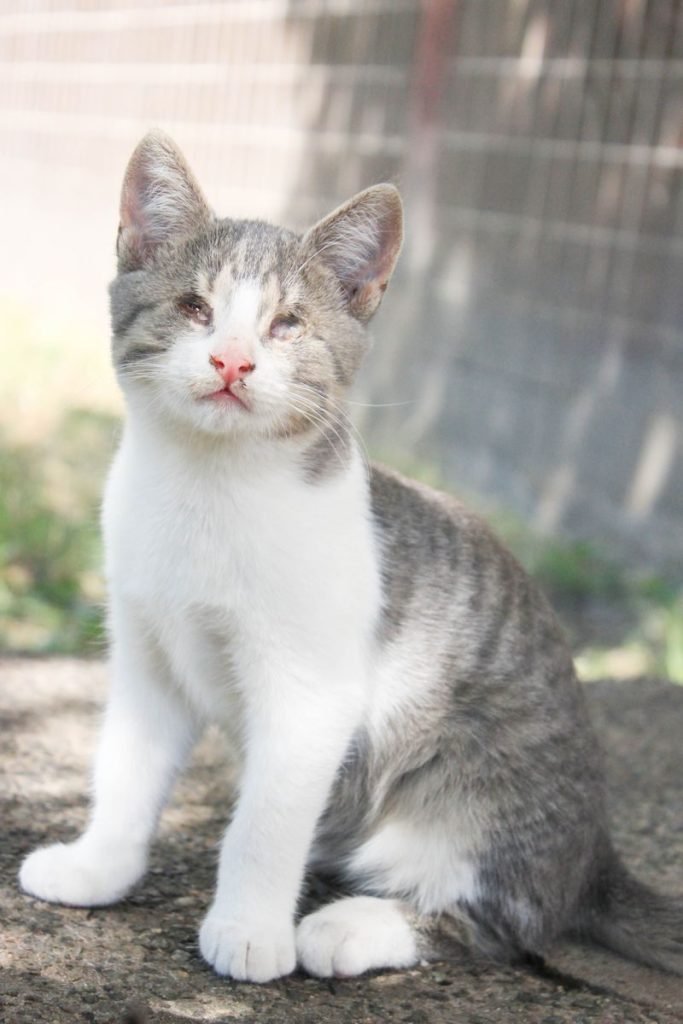
Lieutenant Dan’s future will depend on how her body develops and how successfully her ongoing care continues to meet her needs. Growing kittens change quickly, so mobility, skin protection, bladder care, and physical support may all require adjustments over time.
For now, her story is still unfolding through foster care, veterinary treatment, and the small milestones her caregivers share. The tiny orange kitten who first became known for a “flat tire” walk has grown into a much fuller story about adaptation, medical teamwork, and daily care built around the body she has.
Featured Image: Photo by Mahmoud Yahyaoui on Pexels