
Cats are unusually good at producing photos that look absurd without any explanation: a body folded into a box, a sudden sideways leap, a paw hanging from a shelf, or an intense stare at an invisible target. Much of that comedy comes from perfectly normal feline behavior captured at the strangest possible instant. Cats investigate, climb, stalk, scratch, knead, hide, pounce, and rest in ways that can appear chaotic to people even when the behavior itself has a clear biological or practical purpose.
The original title promises a specific set of 50 photographs, but no identifiable gallery was supplied, so inventing captions or pretending to know what those cats were doing would be misleading. A safer approach is to decode the kinds of behavior that commonly create hilarious no-context cat pictures. From squeezing into small spaces to launching surprise attacks on toys, these familiar scenes show how curiosity, hunting instincts, communication, comfort seeking, and play can turn an ordinary household moment into an image that seems completely unhinged.
Cats Love Small Hiding Places
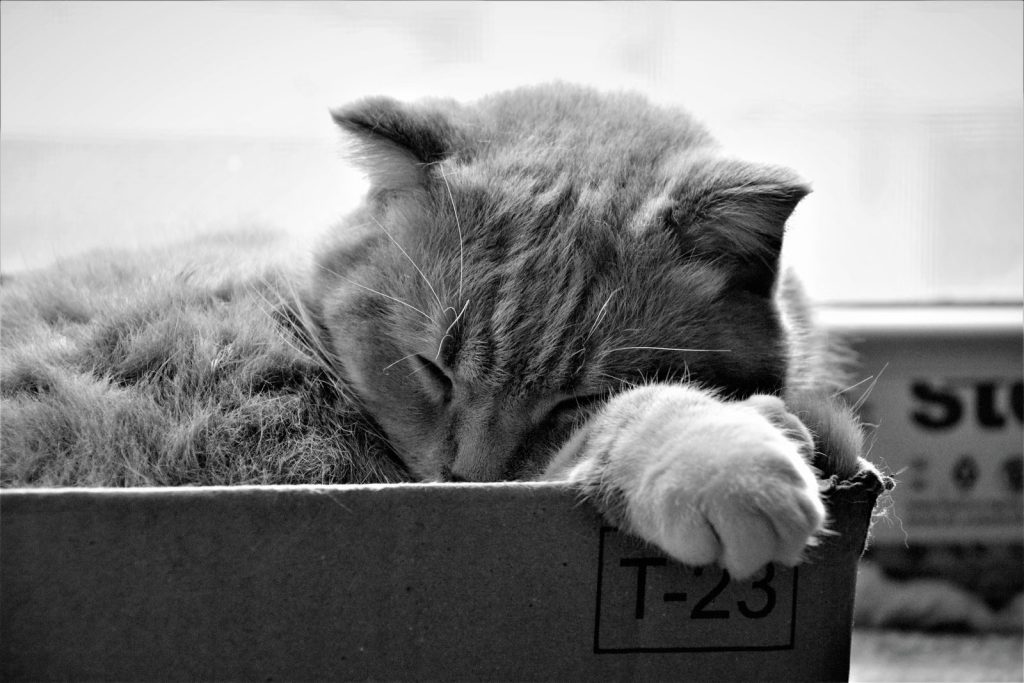
A cat curled into a box that seems far too small makes an excellent photo, but hiding in enclosed spaces is not especially mysterious. Cats often seek places that provide cover, privacy, warmth, or a sense of control over their surroundings.
Boxes can also become resting spots, observation points, or locations for playful ambushes. The pose may look ridiculous to people, yet the cat may simply be using an ordinary environmental resource in a very feline way. Safe hiding places are useful parts of a cat-friendly home.
High Places Attract Cats
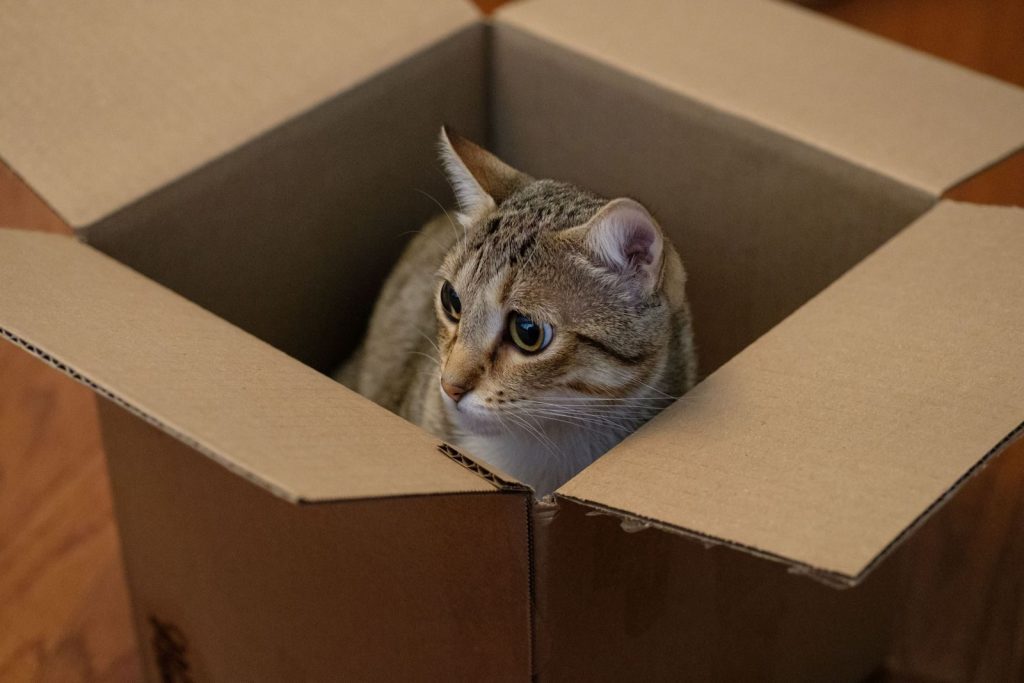
Photos of cats balanced on cabinets, shelves, doors, or other elevated spots can look like evidence of questionable decision-making. In reality, climbing is a normal part of feline behavior, and many cats enjoy surveying their surroundings from secure elevated positions.
Vertical space can increase usable territory and give a cat more choices about where to rest or observe. The important human job is making climbing opportunities stable and safe. A funny high perch is less amusing if the surface can collapse or the cat cannot descend safely.
Zoomies Create Perfect Photos
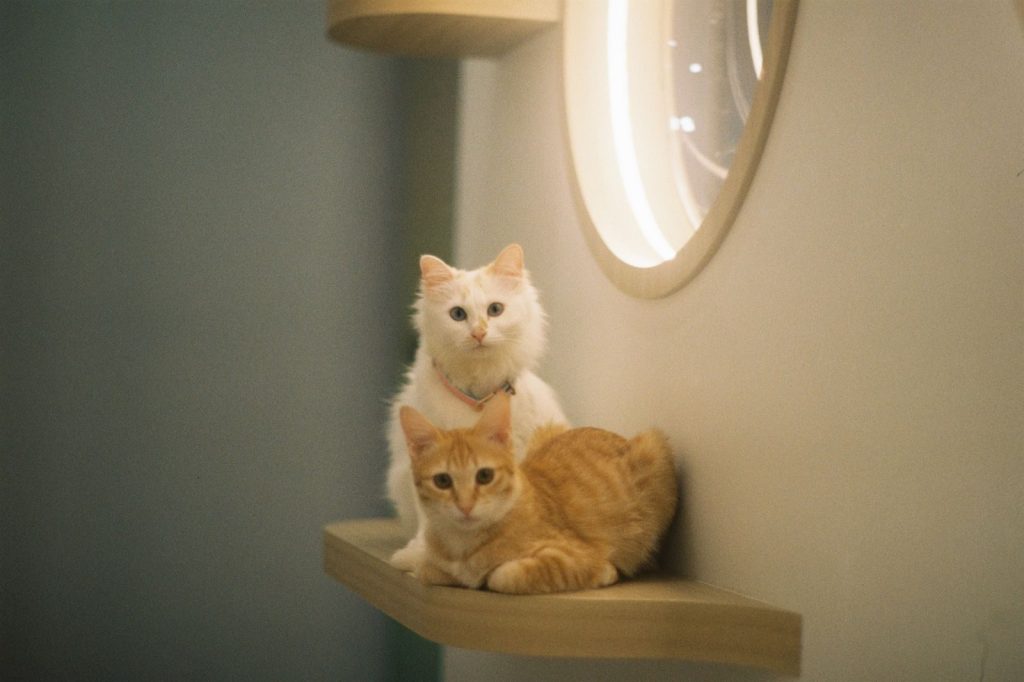
A cat sprinting through a room with huge pupils and an arched body can look completely out of control in a frozen image. Short bursts of energetic running and play are common, especially in kittens and younger cats that have plenty of stored energy.
Regular interactive play gives that energy an appropriate outlet and lets cats chase, pounce, and move quickly. If frantic activity is suddenly new, unusually prolonged, paired with distress, or accompanied by other health changes, however, it is better to discuss the change with a veterinarian.
Kneading Looks Stranger Than It Is
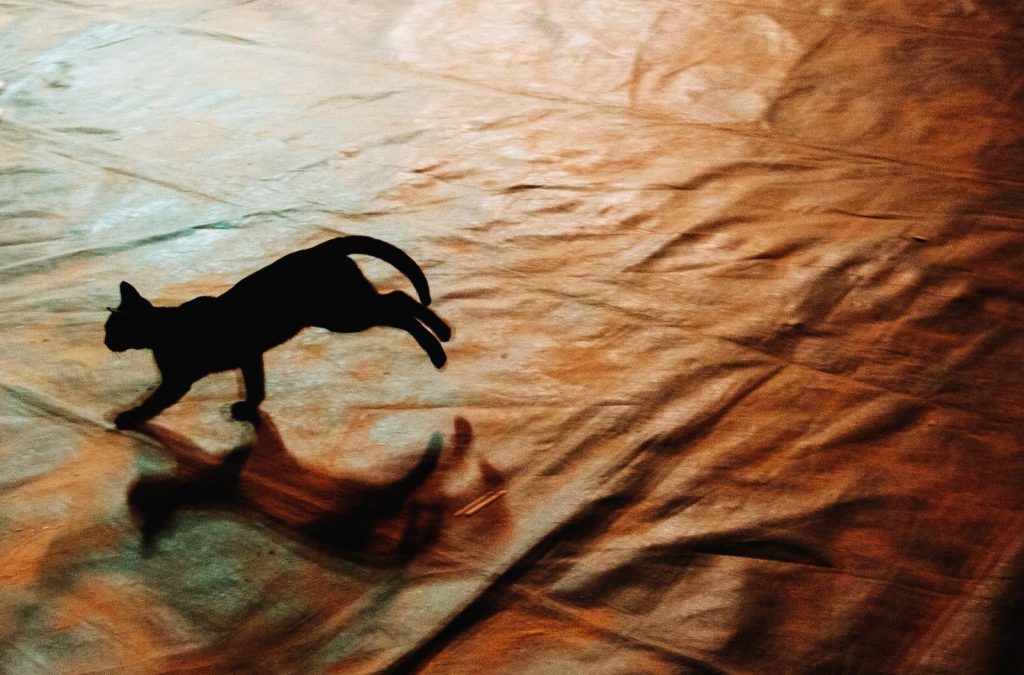
Kneading can produce wonderfully odd pictures because a cat may rhythmically press its front paws into a blanket, bed, or person with an extremely serious expression. The behavior begins in kittenhood during nursing, and many adult cats continue doing it later in life.
Some cats extend their claws while kneading, so a thick blanket can protect skin without interrupting the activity. The action may look theatrical, but it is a familiar feline behavior and does not require a dramatic explanation. Punishment is unnecessary for normal kneading.
Scratching Has Real Purposes
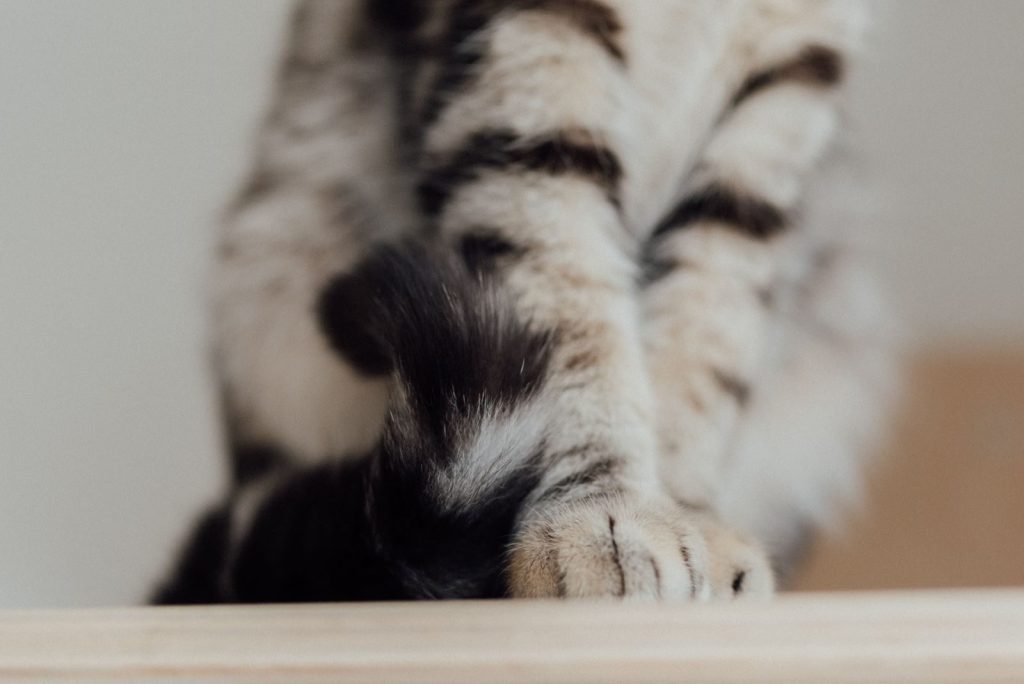
A photo of a cat attacking cardboard or stretching dramatically against a post may appear chaotic, but scratching is a normal and necessary feline behavior. Cats scratch to maintain their claws, stretch and exercise muscles, and leave visual and scent-related marks.
Owners can support this behavior by providing stable scratching surfaces in places the cat actually uses. Both vertical and horizontal options can help because individual cats differ in preference. Scratching furniture is frustrating, but it should not be interpreted as revenge, spite, or deliberate misbehavior.
Pouncing Is Part of Play
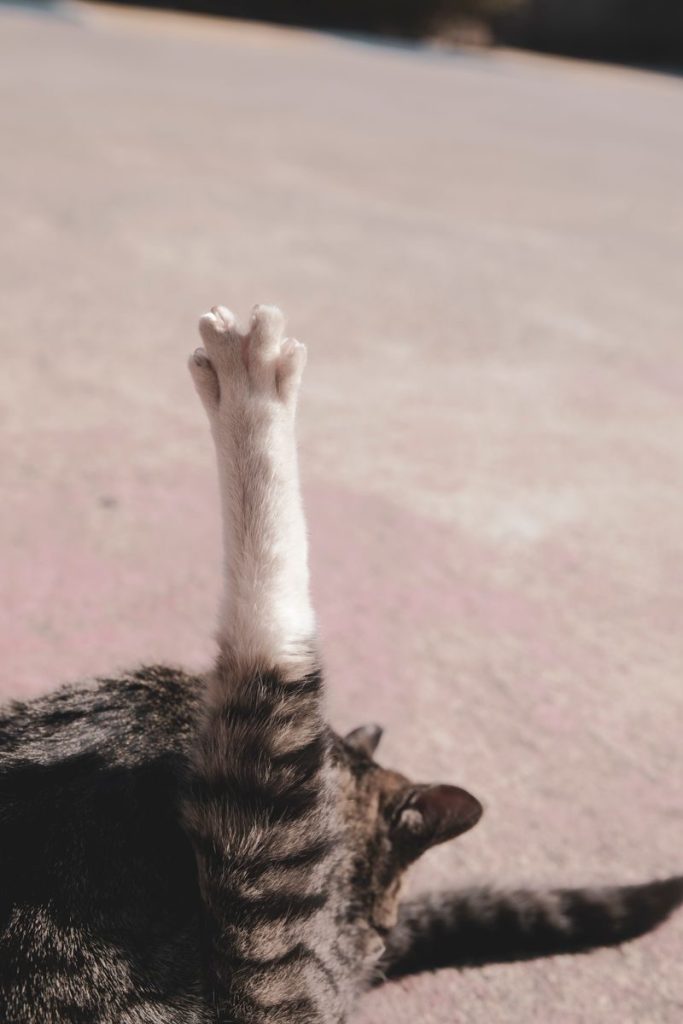
The classic no-context cat photo often catches a pounce halfway through, making the animal look as though it is flying, fighting, or attacking absolutely nothing. Stalking and pouncing are normal elements of feline play and are closely related to natural hunting behavior.
Safe interactive toys let cats perform these movements without using human hands or feet as targets. Regular play provides exercise and mental stimulation while giving those dramatic leaps an appropriate outlet. What looks wildly chaotic in a photo may actually be a normal play sequence.
Curiosity Creates Odd Situations
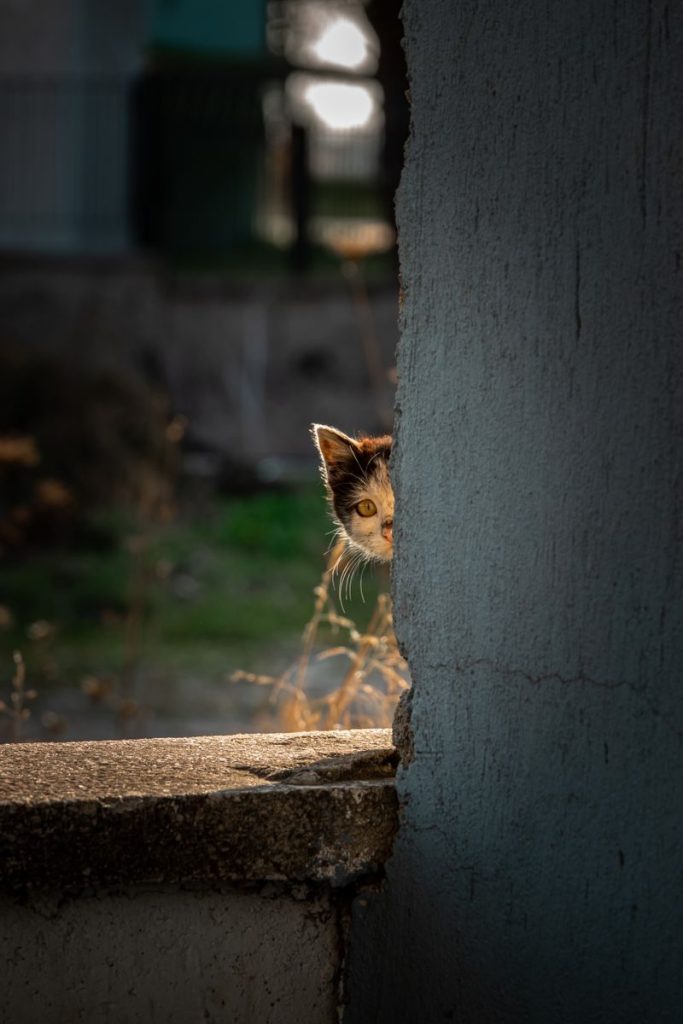
Cats investigate objects, openings, sounds, movement, and unfamiliar changes, which is why they so often end up in photographs that need almost no setup to be funny. Exploration can support play and learning, but it also creates important safety responsibilities for owners.
String, thread, small swallowable objects, toxic plants, unstable furniture, hot surfaces, and open appliances can turn curiosity into danger. Cat-proofing does not mean removing every interesting object. It means giving cats safe opportunities to explore while limiting access to hazards that can cause injury.
Behavior Changes Still Matter
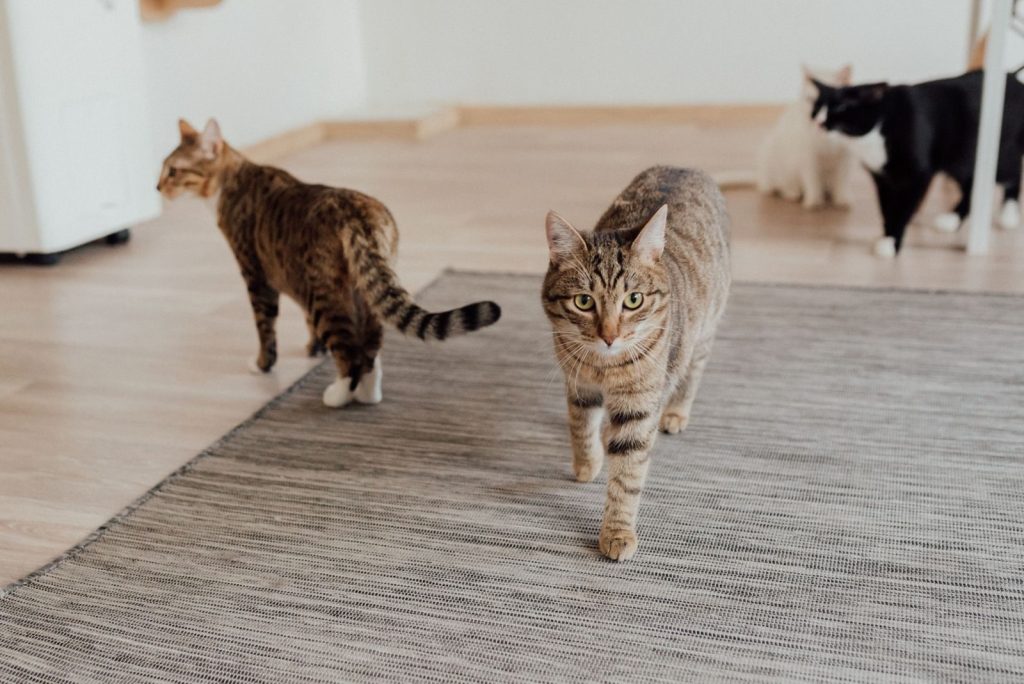
A silly-looking photo should not automatically turn every unusual posture or action into a joke. Cats can hide illness, and changes in behavior may be an early sign that something is wrong, especially when the change is sudden or persistent.
Pay attention to new differences in activity, appetite, sleep, grooming, litter-box use, mobility, social behavior, or vocalization. The useful rule is simple: laugh at familiar harmless antics, but take unfamiliar or painful-looking behavior seriously. When in doubt, veterinary guidance is safer than assuming the cat is merely being weird.