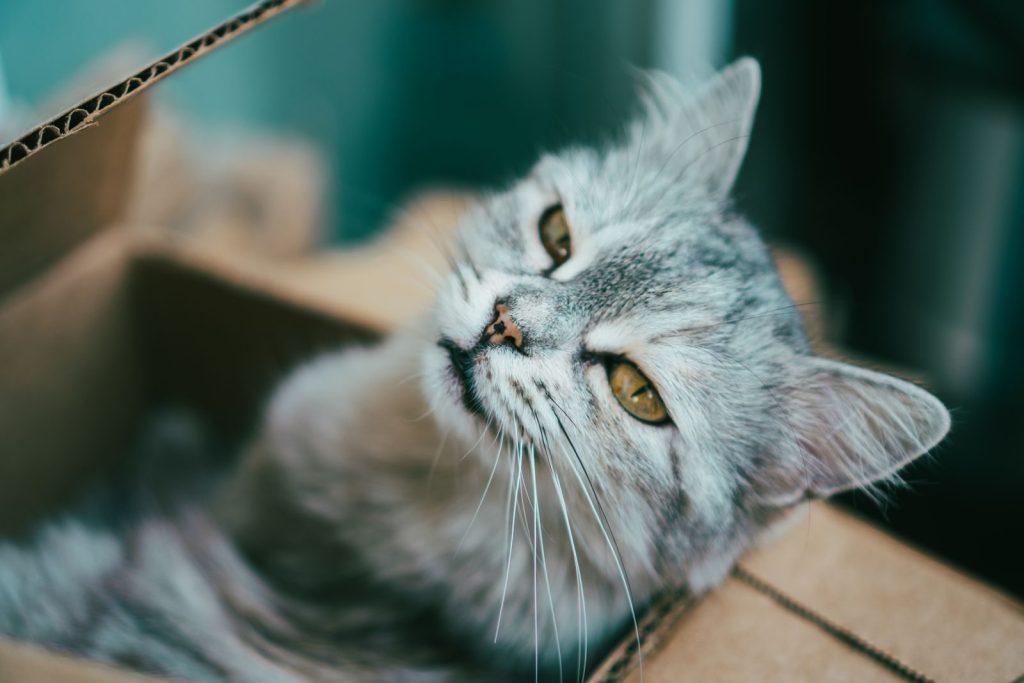

A cat that suddenly starts using a hidden corner, spare room, bathtub, or other private place as a bathroom can seem funny at first. The behavior is not necessarily random. Cats are vulnerable while toileting, and many prefer a location that feels quiet, clean, and easy to leave. A spot the owner considers strange may offer exactly those advantages. The important question is why the cat chose it, especially if the animal previously used a litter tray reliably and has now changed its routine.
The original viral-style title does not provide enough verified detail to identify one specific cat, so the safest approach is to explain the behavior without inventing a backstory. A new toileting location can reflect litter-box placement, cleanliness, litter preference, conflict with another cat, stress, or a medical problem. Punishment is not appropriate because it can increase anxiety without fixing the cause. Owners should look at the entire setup and seek veterinary advice when the change is sudden, repeated, or accompanied by straining, pain, blood, or unusual behavior.
Cats Want Privacy
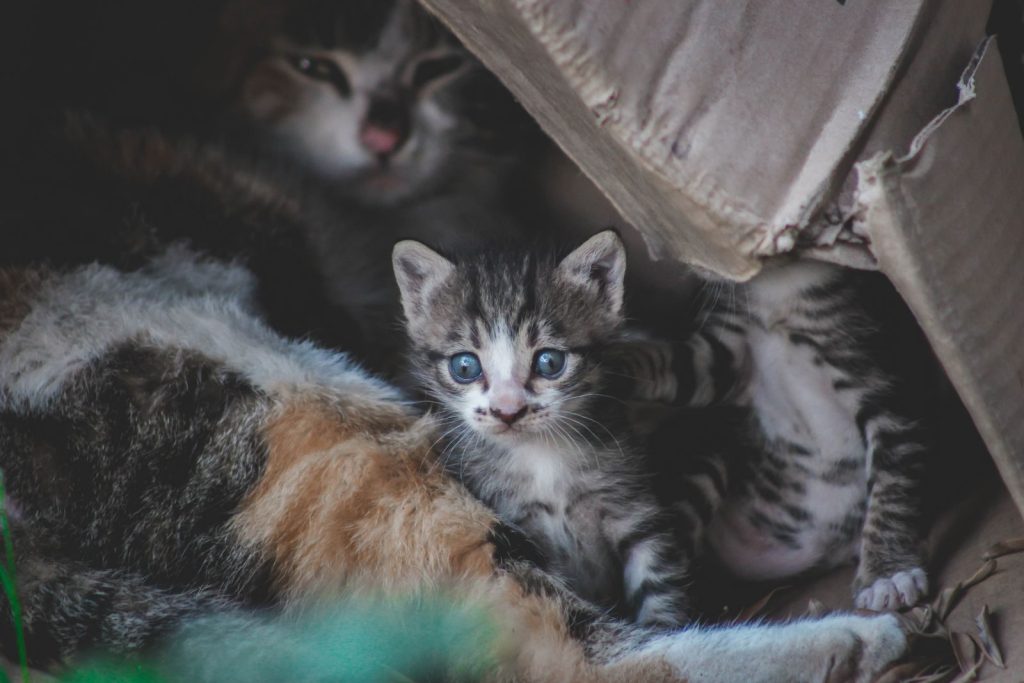
Cats often prefer to toilet somewhere quiet because the posture leaves them temporarily vulnerable. A litter tray placed in a busy hallway, beside a door, or where another pet can approach unexpectedly may feel unsafe even if it looks convenient to the owner. Cats Protection recommends quiet, private, accessible locations for litter trays. If a cat repeatedly chooses a hidden corner instead, compare the two places. The secret location may offer fewer interruptions, better escape routes, or more visual cover. Improving privacy around the official tray can sometimes make it attractive again.
Quiet Rooms Feel Safer
Noise can make an otherwise suitable litter area unpleasant. Washing machines, dryers, loud doors, children running past, or frequent foot traffic can startle a cat while it is trying to toilet. A quieter room may therefore become the preferred bathroom even when the owner never intended it for that purpose. Moving the tray away from noisy appliances or exposed pathways can help. The box should still remain easy to access at all times. Privacy works best when the cat can enter and leave freely without being trapped in a cramped or rarely opened space.
Keep Food Away
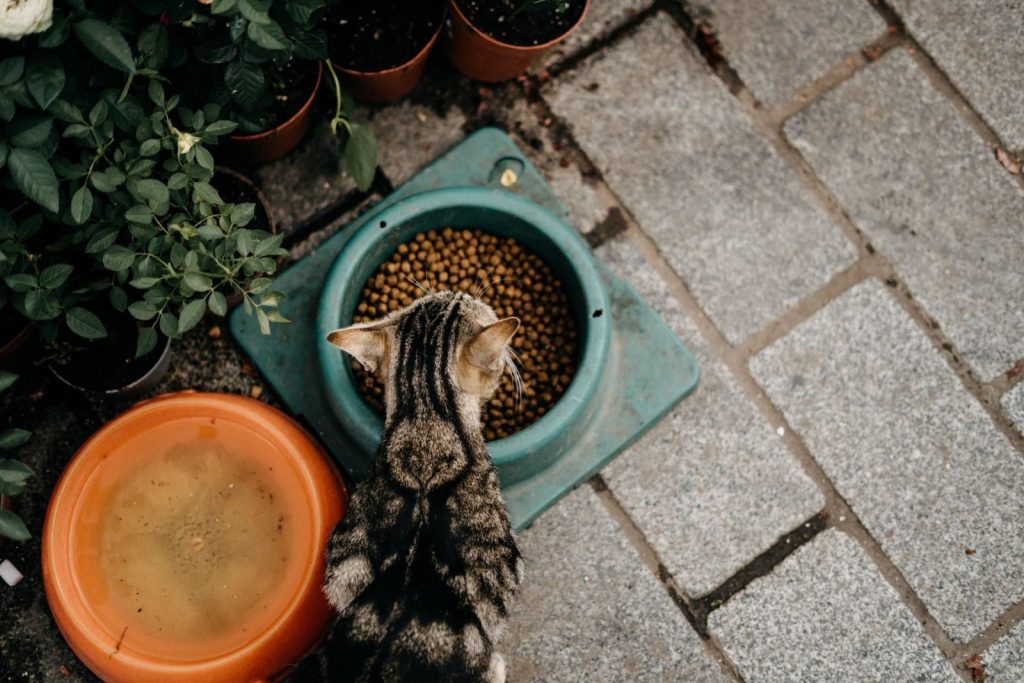
Cats generally prefer toileting areas to be separate from places where they eat, drink, and sleep. A litter tray placed directly beside food bowls may be convenient for a person but unappealing to the cat. Cats Protection specifically recommends keeping these resources apart. In a small home, complete separation may be difficult, but even increasing the distance can improve the setup. If a cat chooses a bathroom spot far from its feeding area, that separation may be part of the attraction. The goal is to arrange resources according to feline preferences rather than human convenience alone.
Use a Large Litter Tray
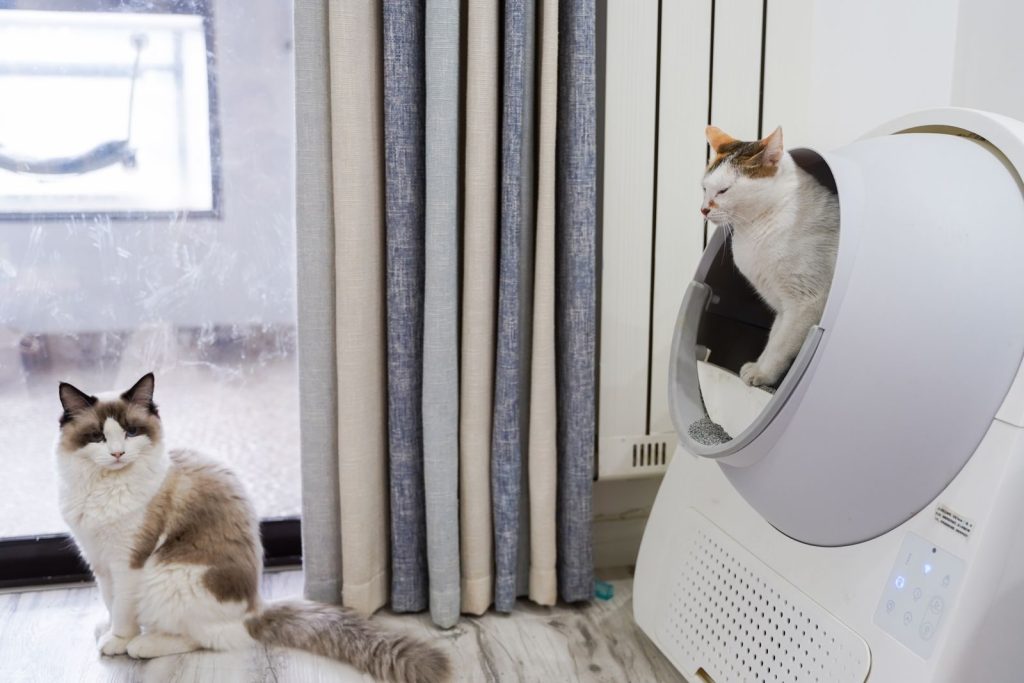
A litter tray needs enough room for the cat to enter, turn around, dig, and choose a comfortable position. Boxes that are too small can be especially frustrating for large cats or animals with limited mobility. Cats Protection recommends full-sized trays and lower sides for older cats that struggle to step over high edges. If a cat chooses an open floor area instead of a cramped tray, size may be one reason. There is no single box design every cat prefers, so offering two different styles can help reveal whether the problem is the tray itself.
Litter Texture Matters
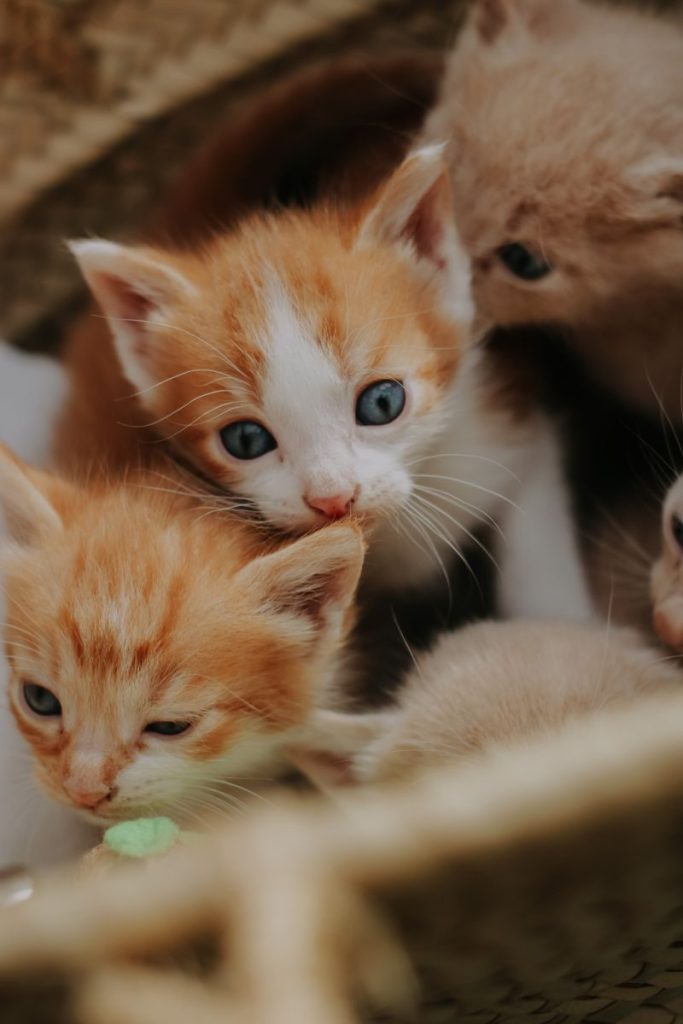
Cats can be particular about the material under their paws. Many prefer fine, sand-like litter that is comfortable to dig in, while sudden changes in texture or strong fragrance can make a familiar box less appealing. Cats Protection advises avoiding heavily scented litter because cats have sensitive noses. If a cat begins toileting elsewhere soon after a litter change, returning to the previous type may help. Owners should avoid constantly switching products while troubleshooting, because repeated changes make preferences harder to identify. A stable, acceptable substrate gives the cat one less reason to search for another location.
Clean Boxes Matter
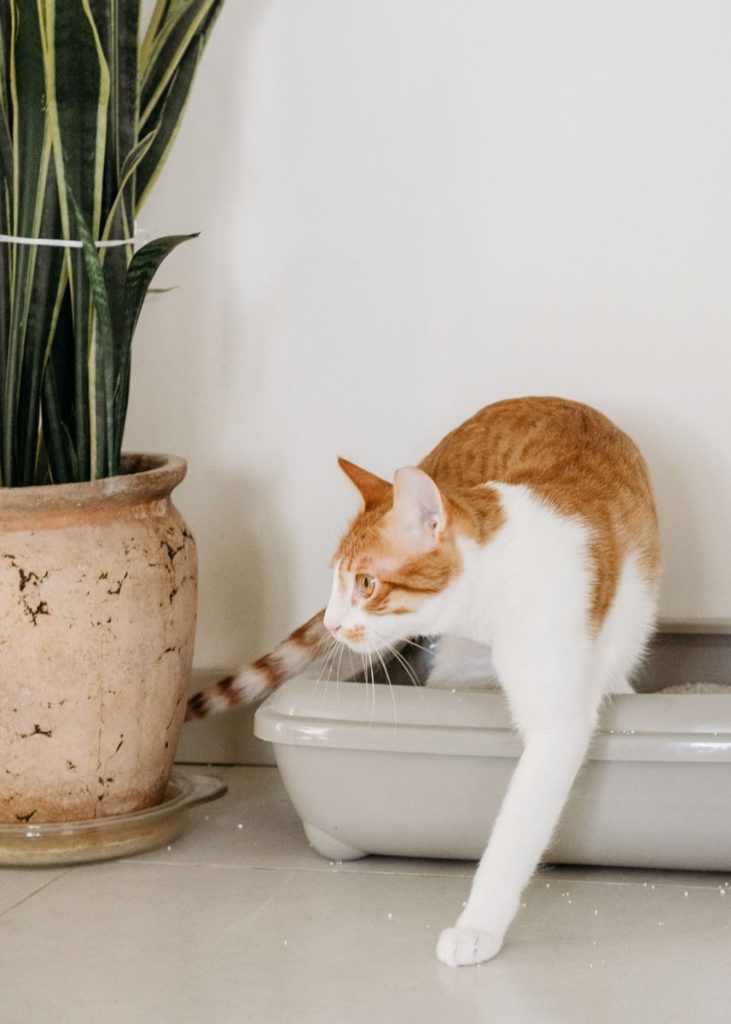
A dirty litter tray can drive a cat to look for somewhere cleaner. Waste should be removed regularly, and the entire tray needs routine cleaning with products that do not leave overpowering odors. Hooded boxes may require extra attention because smells can become trapped inside. Cleanliness does not mean using heavily perfumed disinfectants, which can be unpleasant to a cat’s sensitive nose. If a secret bathroom is consistently cleaner or drier than the official tray, the cat may simply be choosing the more comfortable option. Good litter hygiene is therefore part of preventing repeat accidents.
Multiple Cats Need More Boxes
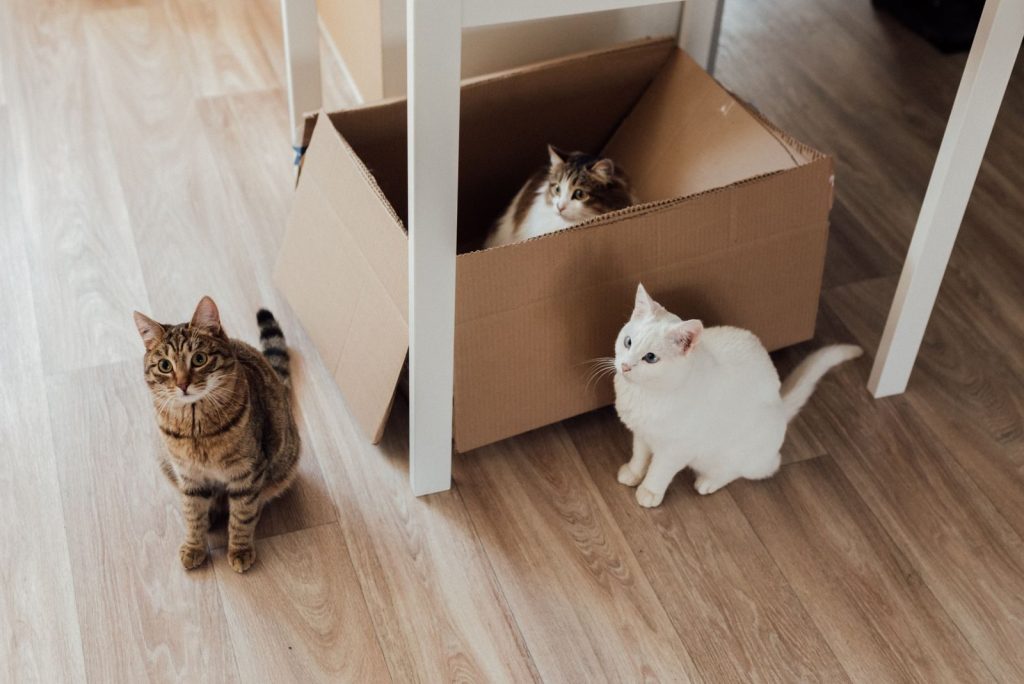
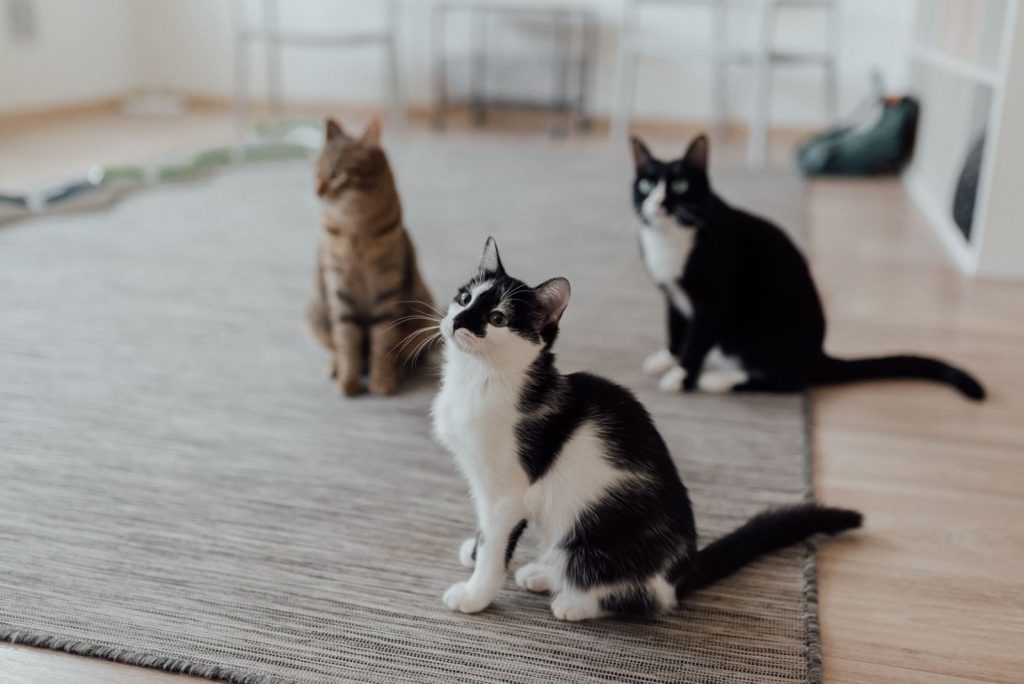
In homes with several cats, one litter area can become a source of subtle competition. A cat may avoid the box if another cat watches, blocks the route, or waits nearby. Cats Protection recommends one litter tray per cat plus one extra, placed in different locations rather than lined up together. Multiple options make it harder for one cat to control access and allow timid animals to choose a safer route. A hidden bathroom can sometimes signal social pressure that owners have not noticed, so observing interactions around litter areas can be just as important as examining the tray itself.
Sudden Changes Need a Vet
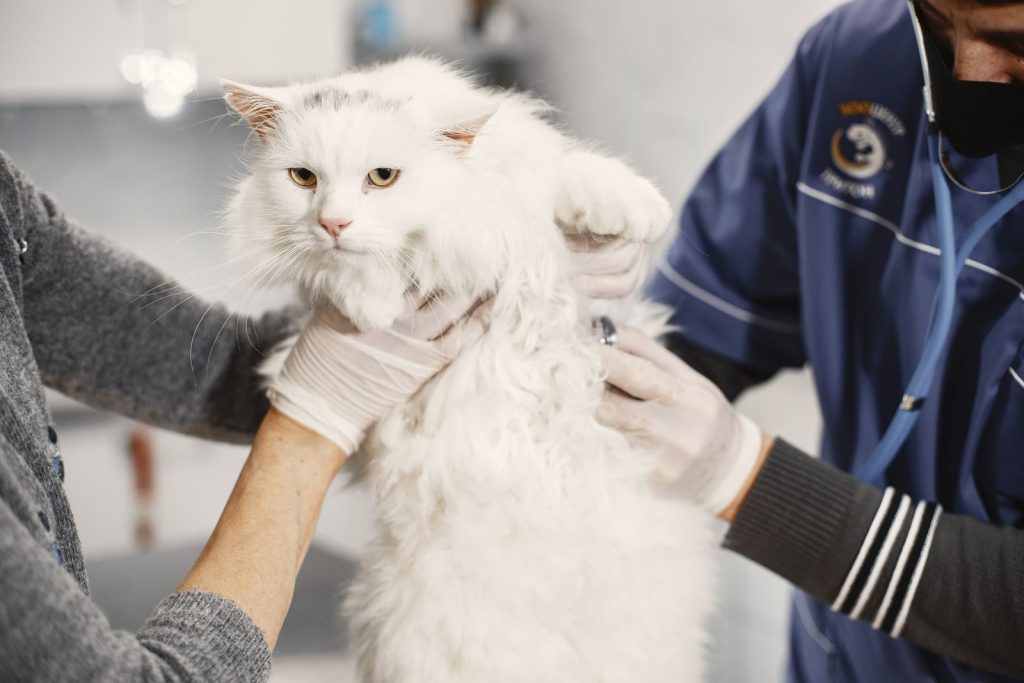
A cat that suddenly starts urinating or defecating in unusual places may have a medical problem rather than a simple preference. Urinary disease, constipation, pain, arthritis, and other conditions can alter litter-box behavior. Straining, repeated attempts to urinate, blood, crying, or producing little to no urine require prompt veterinary attention; urinary blockage can become life-threatening, especially in male cats. Even without emergency signs, an abrupt persistent change deserves a veterinary check before it is labeled a behavioral problem. A secret bathroom may be the first visible clue that the cat is uncomfortable.
Featured Image: Photo by MuffinLand on Pexels