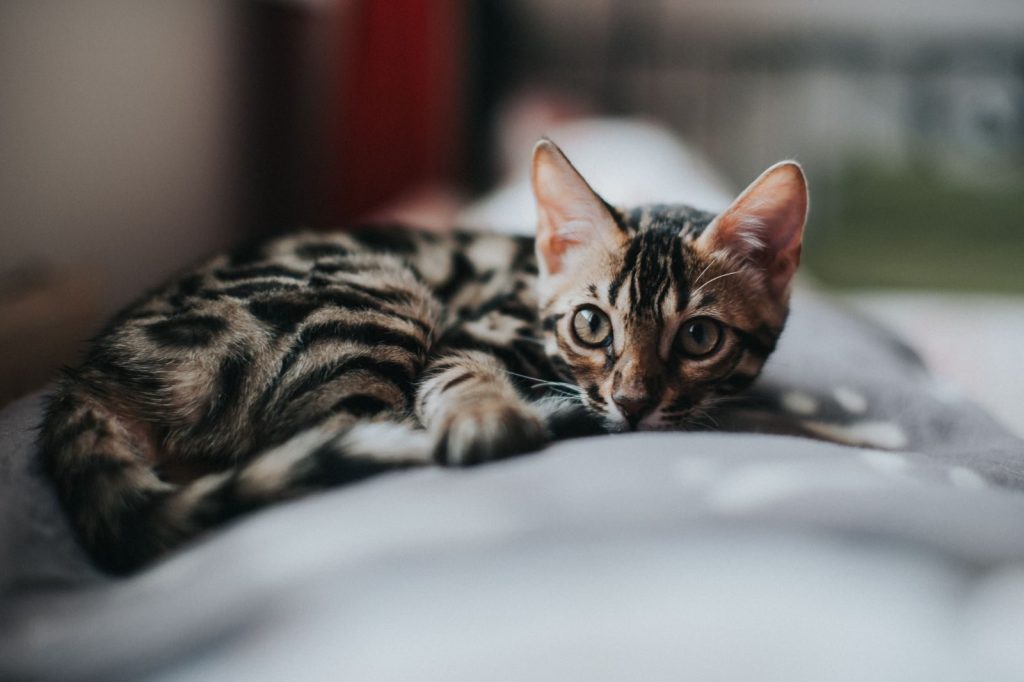

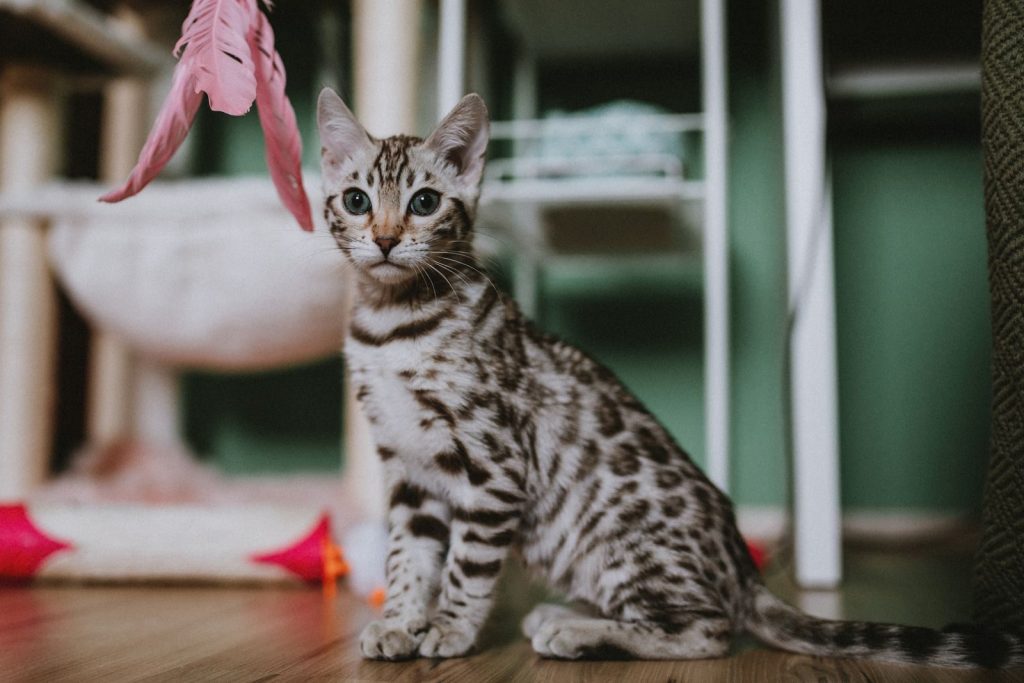
A very dark Bengal kitten recently attracted attention online because its markings gave it the appearance of a miniature wild leopard.
That comparison makes sense visually. Bengals are domestic cats specifically known for spotted, rosetted and marbled coats that can strongly resemble wild felids.
The Kitten Became a Viral Feature
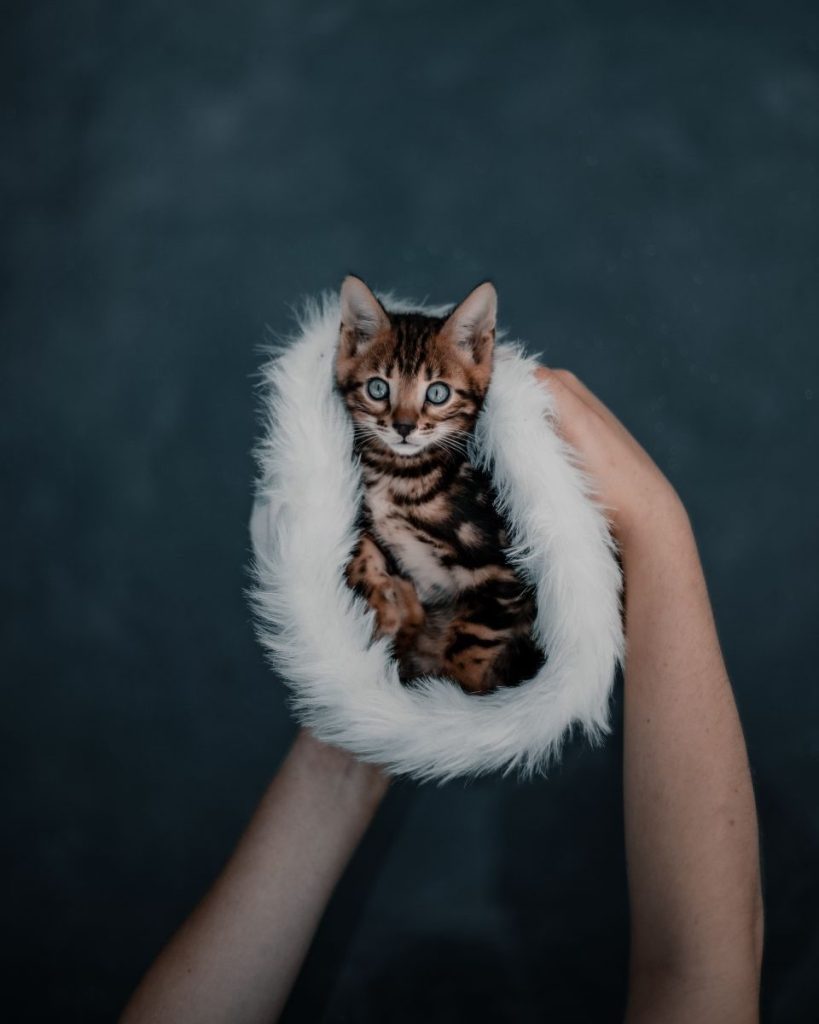
A July 28, 2026 pet feature described a rare dark Bengal kitten whose coat made it resemble a tiny leopard. The available syndicated listings confirm the viral story, although they reveal little reliable information about the individual kitten itself.
Bengals Can Have Rosettes
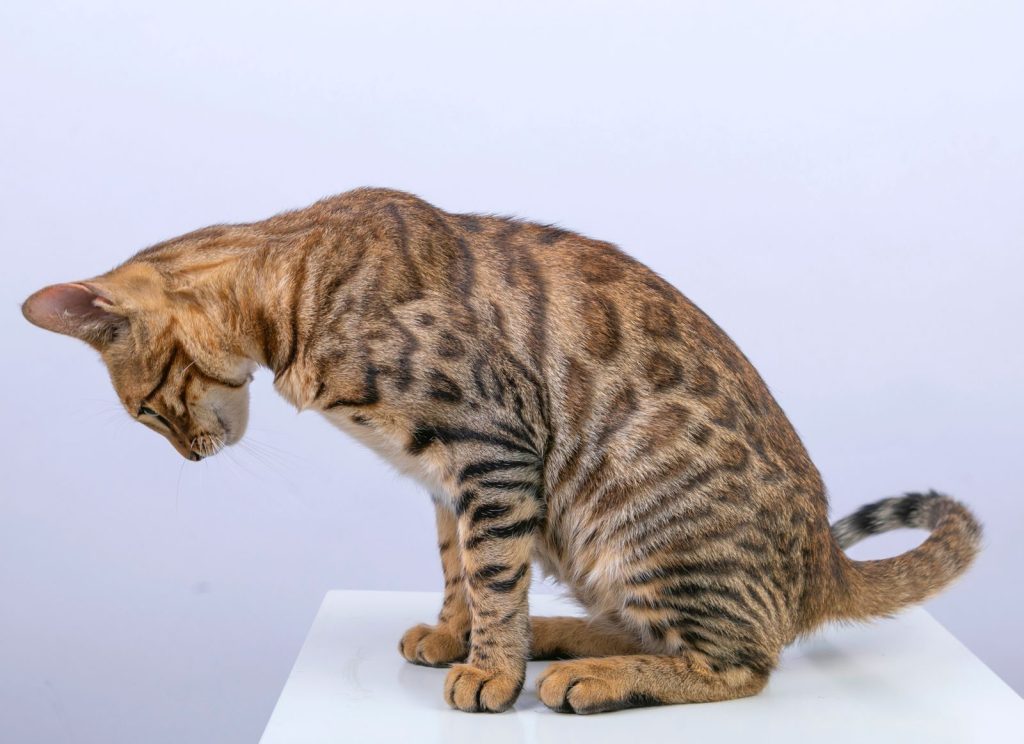
The International Cat Association says the Bengal is the only domestic breed that can display true rosette-like markings similar to those seen on leopards, jaguars and ocelots. Those markings are a major reason Bengals have such a wild appearance.
Some Bengals Look Very Dark
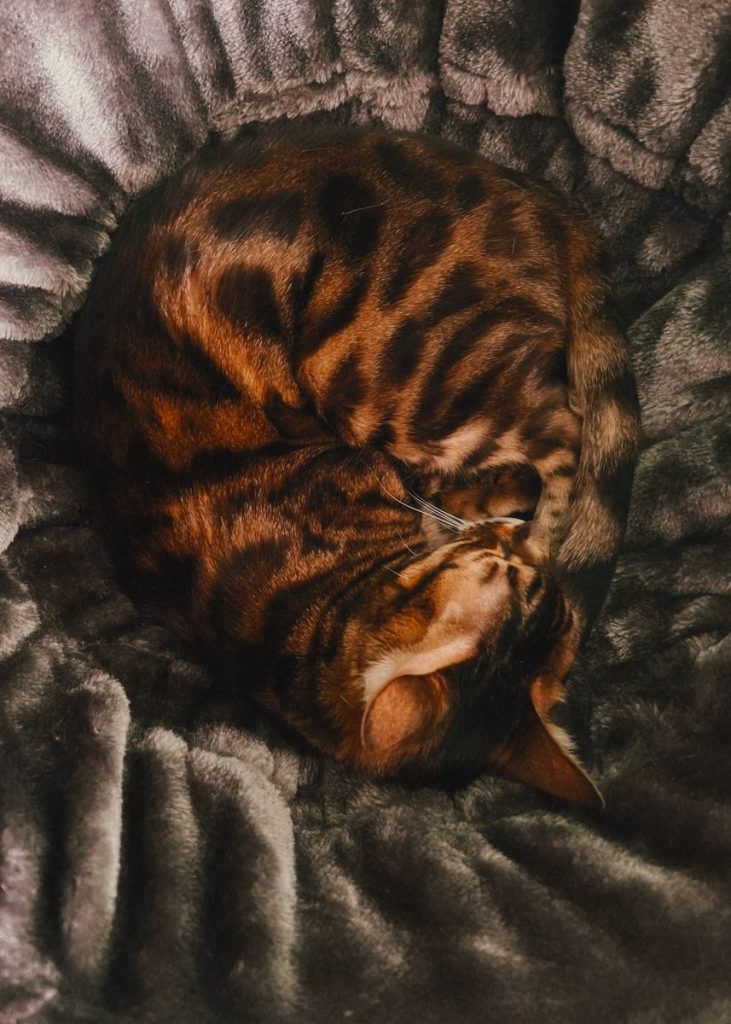
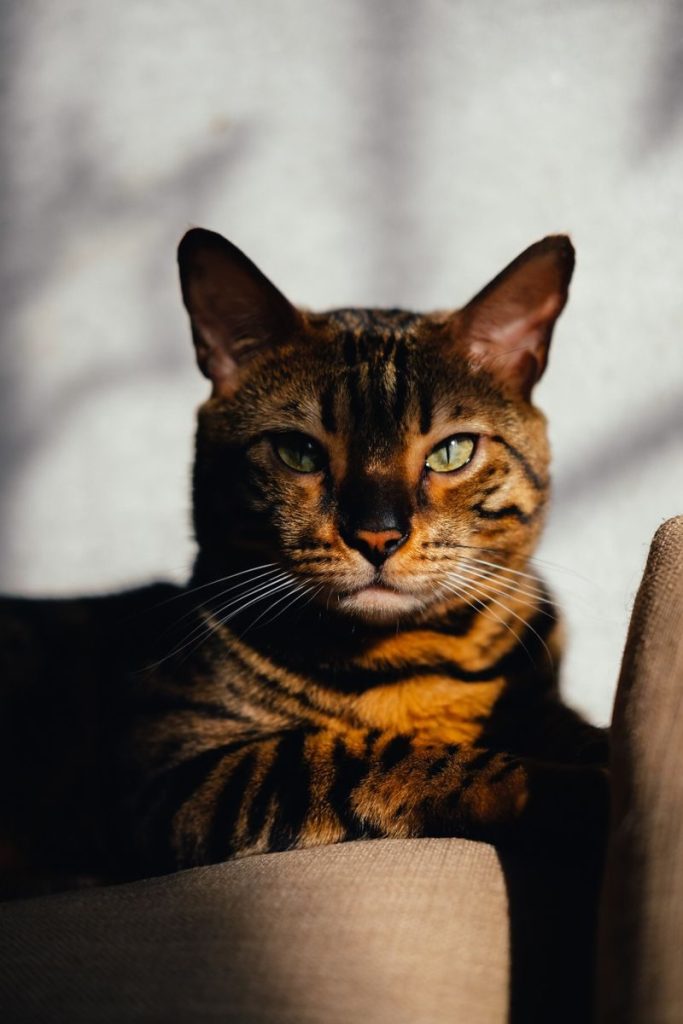
Bengal coats occur in numerous colors and patterns, including charcoal variations. TICA describes charcoal Bengals as having increased dark pigment, often accompanied by a darker facial mask and broader dark areas along the back.
Dark Patterns Can Stay Visible
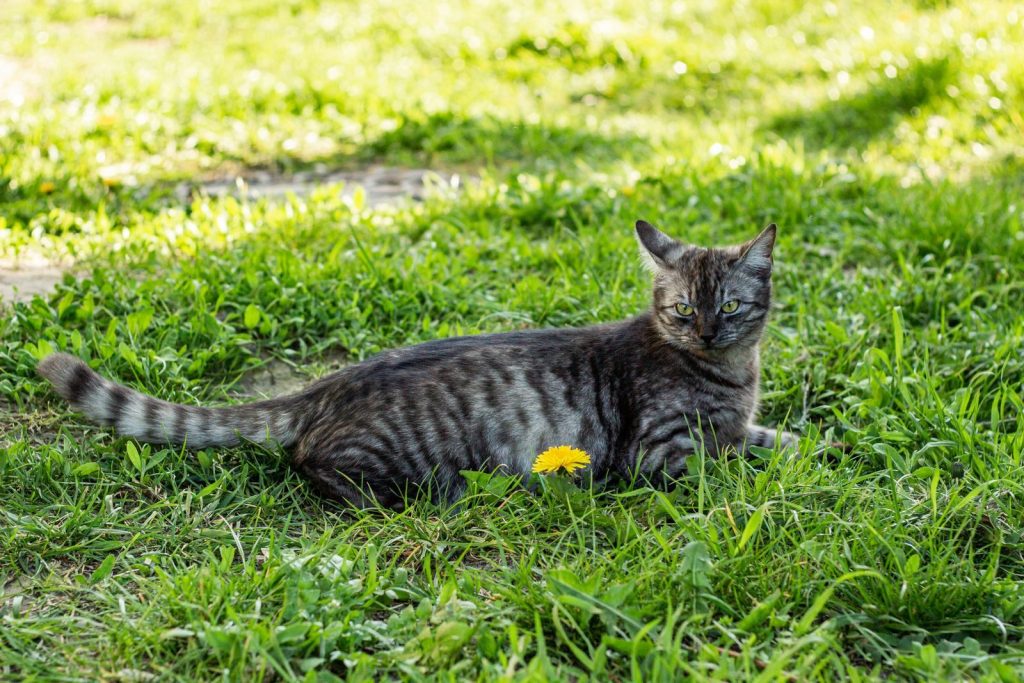
Even when a Bengal appears nearly black at first glance, darker-on-darker markings can sometimes remain visible under favorable lighting. This subtle contrast can create the “mini-panther” or “mini-leopard” appearance that makes exceptionally dark Bengals so visually striking.
Bengals Have Wild-Cat Ancestry
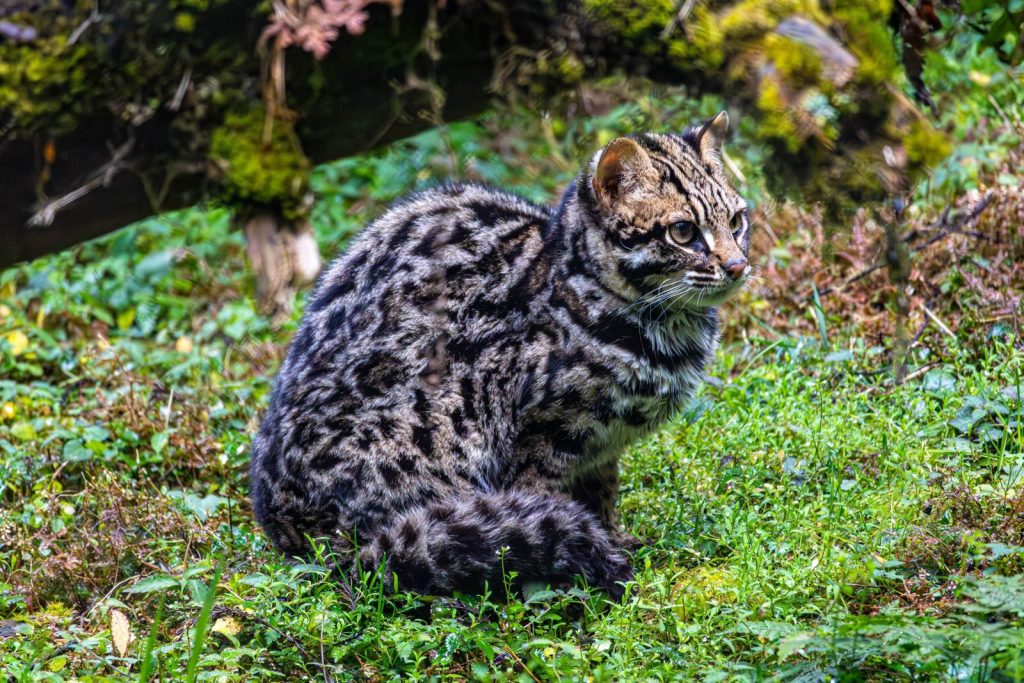
The breed was originally developed using domestic cats and the Asian leopard cat. Modern registered Bengals, however, are established domestic cats produced through Bengal-to-Bengal breeding rather than requiring recent wild-cat crosses.
They Are Active Cats
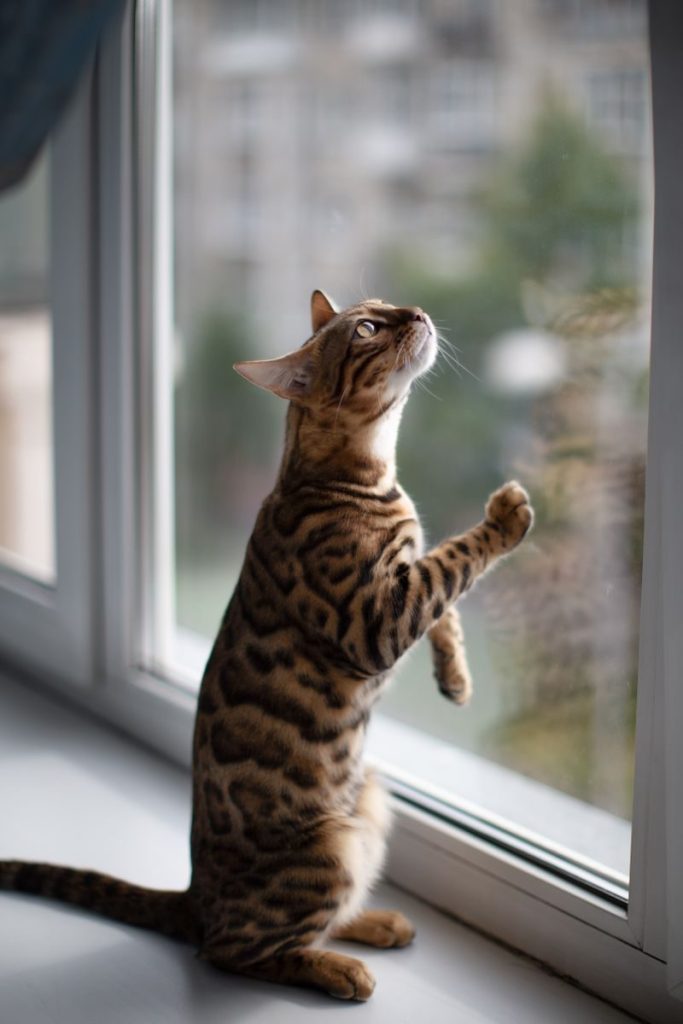
TICA describes Bengals as inquisitive, spirited and highly interactive. Many enjoy climbing, games, puzzles and training, so their striking appearance comes with a need for meaningful physical exercise and mental stimulation.
Bengals Keep Growing for Years
Bengals can take until around two years of age to reach full adult size. TICA lists typical adult females at approximately 6 to 12 pounds and males at about 9 to 15 pounds, although individuals vary.
Looks Should Never Come First
A dramatic coat should not be the only consideration when choosing a Bengal. Responsible breeders prioritize health, temperament and socialization alongside appearance, and prospective owners should research the breed’s high activity level before bringing one home.
Featured Image: Photo by Helena Jankovičová Kováčová on Pexels