
Daniel Tiger’s story spread online because the 20-year-old cat seemed to become more energetic after getting another chance at a comfortable senior life. The phrase “aging backwards” is a playful description of that change, not a medical fact. His age did not reverse, and the available primary posts do not establish that a veterinarian had literally said he was supposed to die. What is documented is that Daniel arrived at a veterinary clinic as an elderly barn cat with a severe limp.
Daniel’s later updates show a very old cat who still engages with the people around him despite major mobility problems, including permanent support on one hind leg. That makes his story encouraging without requiring a miracle claim. Senior cats can remain affectionate, curious, and interested in daily life even when their bodies need substantial help. Daniel’s experience also carries an important caution: one energetic 20-year-old cannot define what every elderly cat should be able to do. Quality of life must always be judged individually.
An Elderly Barn Cat
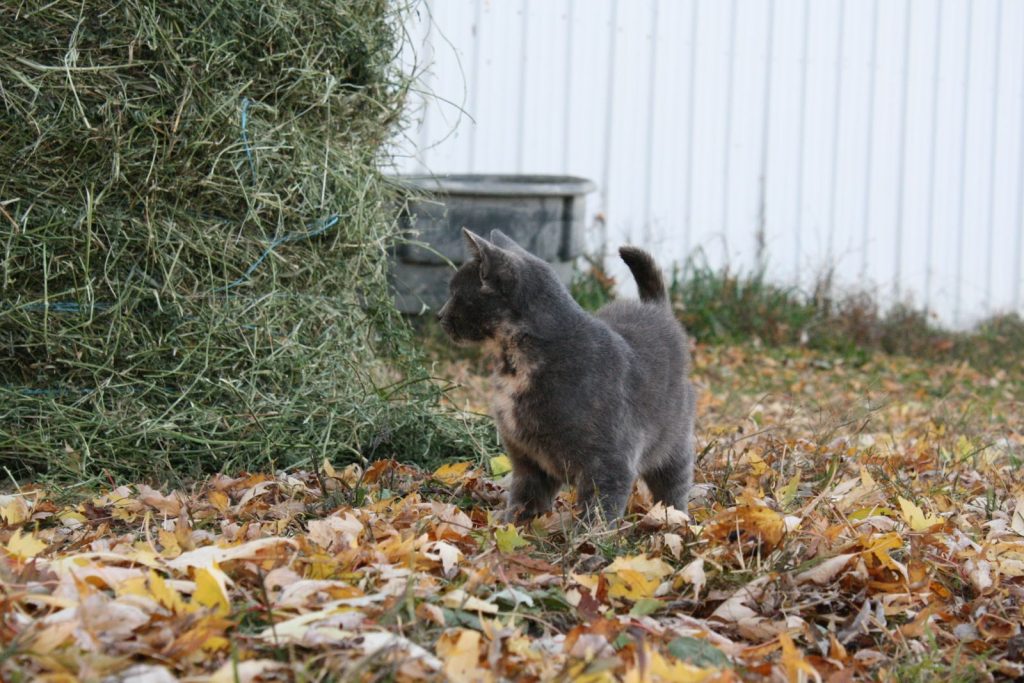
Daniel entered the veterinary clinic where his future caregiver worked as an elderly barn cat with a severe limp. That detail comes from Daniel Tiger Kitty & Friends, the account documenting his life. His advanced age made the situation especially significant because older cats can have several overlapping reasons for mobility changes, including pain, joint disease, injuries, and muscle loss. Daniel’s story began with a physical problem that needed attention, not with a magical reversal of aging. What followed was a change in care and environment that gave him more support during his senior years.
A Severe Limp
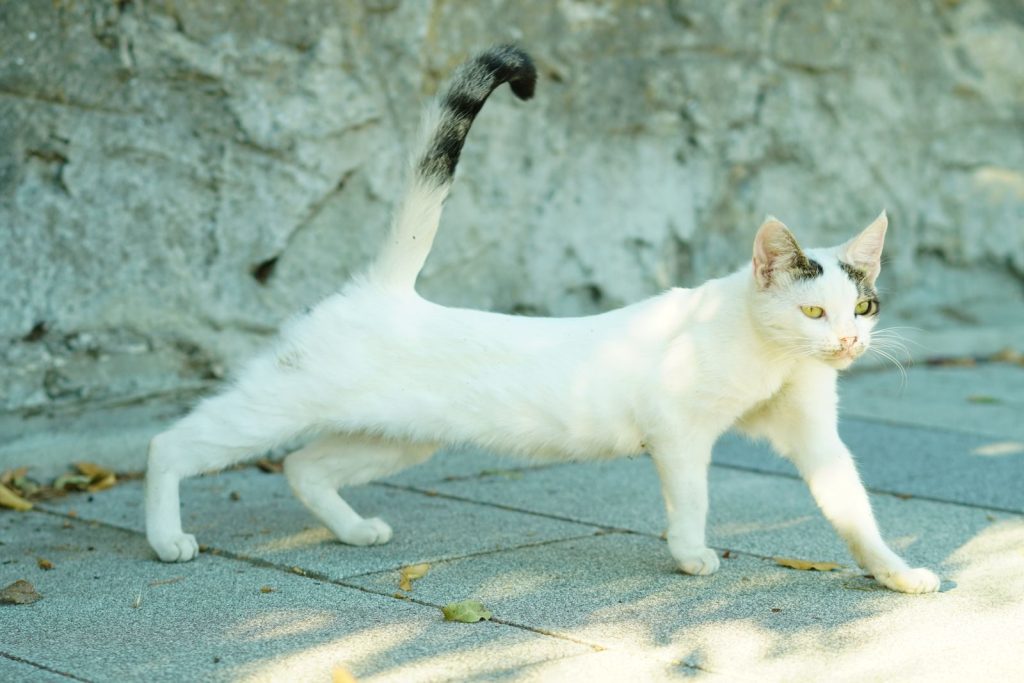
The severe limp that brought Daniel to veterinary attention was an obvious sign that something was wrong with his mobility. Limping in an elderly cat should never be dismissed as simply “getting old,” because pain and orthopedic problems can often be assessed and managed. Daniel’s later public updates show that his leg problem remained significant rather than disappearing completely. His case is therefore more accurately described as a senior cat living actively despite disability. The encouraging part is not that his body became young again, but that physical limitations did not erase his interest in life.
Permanent Leg Support
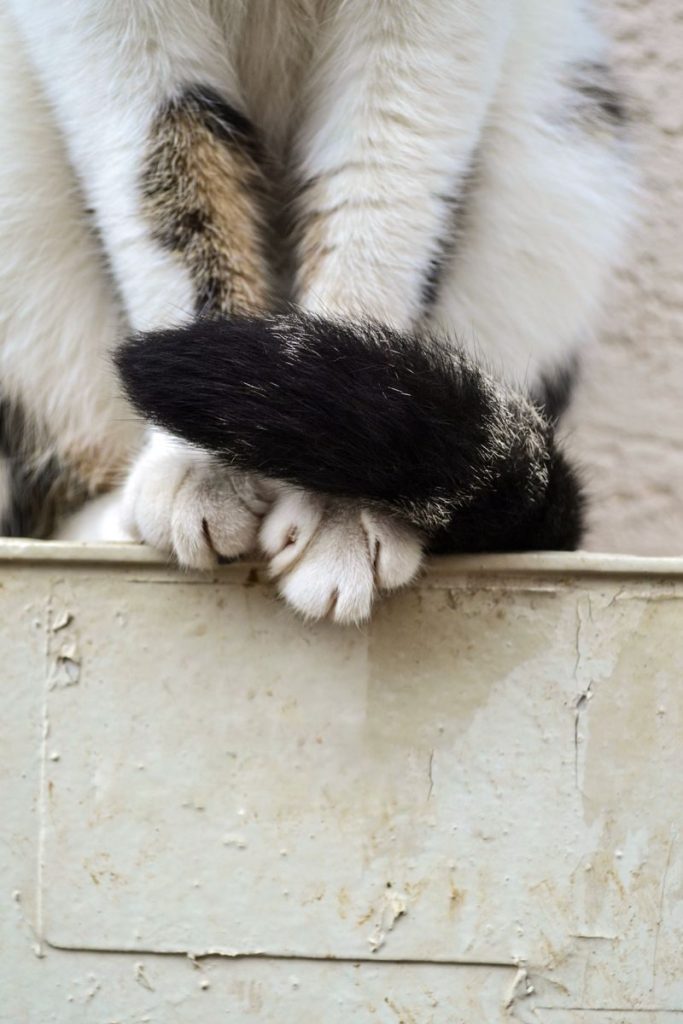
At age 20, Daniel has been shown with permanent support on one of his back legs. That visible aid is important context because short viral clips of him moving enthusiastically can otherwise make it seem as though his mobility problem vanished. It did not. He continues to live with a physical limitation that requires accommodation. Senior cats with mobility problems may benefit from veterinary pain management, low-entry litter trays, nonslip surfaces, and easier routes to beds or food. Daniel’s exact treatment is individual to him, so owners should not copy medical devices without veterinary guidance.
Still Interested in Life
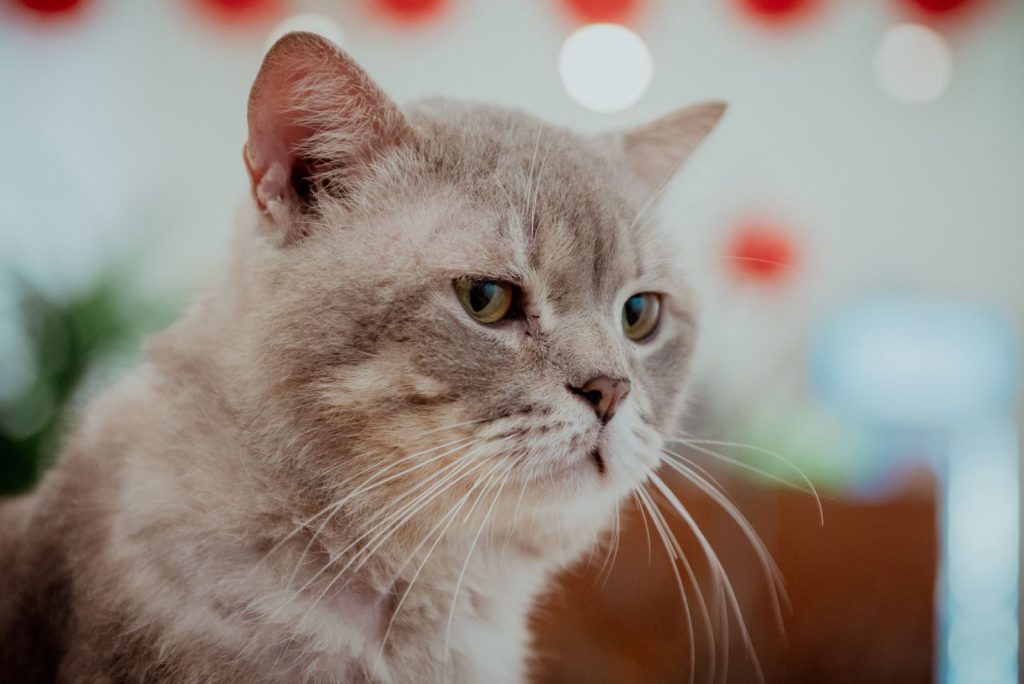
Daniel’s videos and updates focus on how engaged he remains despite his age and disability. A 20-year-old cat may sleep more and move differently from a younger adult while still enjoying food, attention, comfortable resting places, and gentle activity. That is why age by itself is not a complete measure of quality of life. Owners should look at the whole animal, including appetite, comfort, mobility, grooming, social interest, and ability to rest. Daniel’s enthusiasm is meaningful because it exists alongside his senior needs, not because those needs somehow disappeared.
Senior Homes Need Adjustments
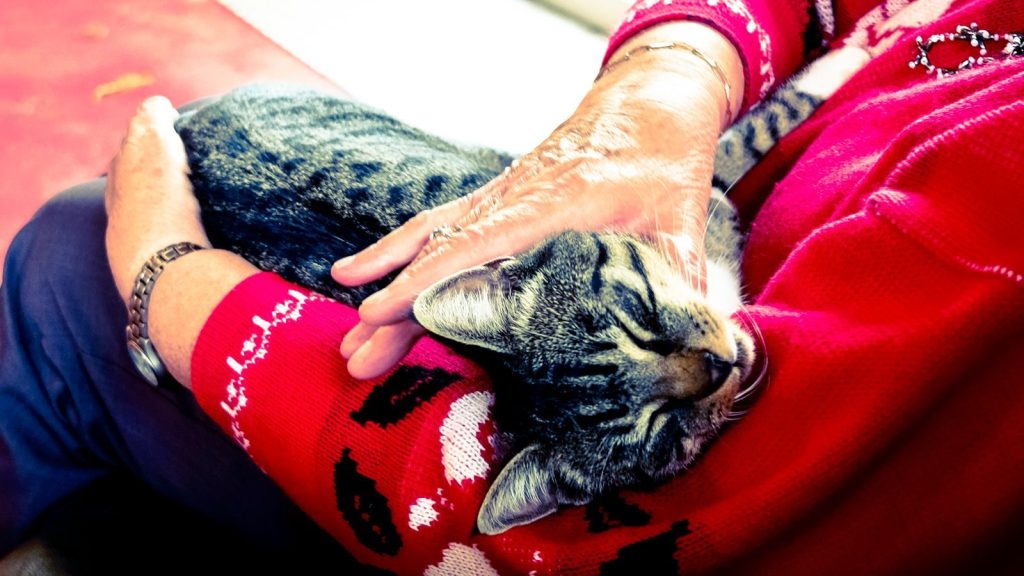
An elderly cat does not need to move like a kitten to enjoy its home. Simple environmental changes can make daily routines easier when joints are stiff or balance is reduced. Low-sided litter trays, warm beds, nonslip flooring, and steps to favorite resting places can reduce unnecessary effort. Food and water should also be easy to reach. Daniel’s visible mobility limitations make these ideas especially relevant, although every senior cat needs an individual plan. The aim is to preserve independence and comfort rather than pushing an old cat to perform activities its body can no longer manage safely.
Play Can Continue
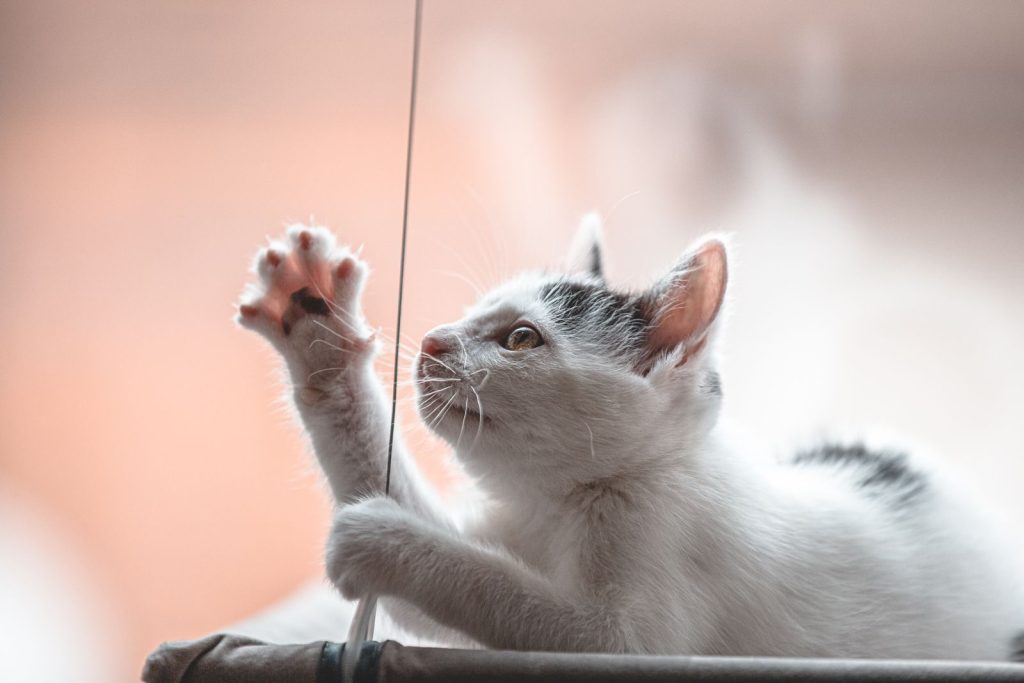
Senior cats can still enjoy play, but the style and intensity may need to change. Instead of high jumps or long chases, an older cat may prefer slower wand movements, short sessions, food puzzles, or toys that can be reached without climbing. Interest in play can be a positive sign of engagement, but it should never be used to prove that pain or illness is absent. Daniel’s lively behavior is encouraging, yet his permanent leg support shows why enthusiasm and physical limitation can exist together. Safe activity should always match the cat’s medical condition and comfort.
Quality of Life Is Individual
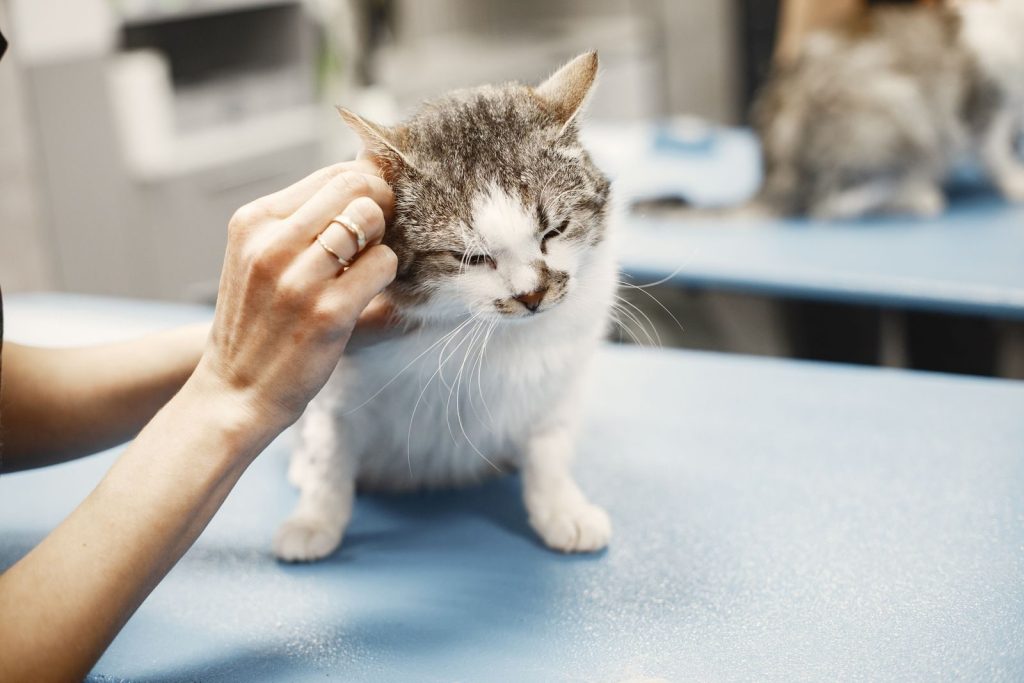
Daniel’s story should not become a rule that every extremely old cat can recover the same way. Two cats of the same age may have completely different illnesses, mobility, appetite, and comfort. Veterinary quality-of-life decisions consider the individual animal rather than comparing it with a viral senior cat. An elderly cat that still enjoys food, affection, rest, and manageable activity may have meaningful good days. Another cat with uncontrolled pain or serious disease may need different decisions. Daniel demonstrates possibility, not a guarantee, and that distinction keeps his story both hopeful and honest.
What “Aging Backwards” Means
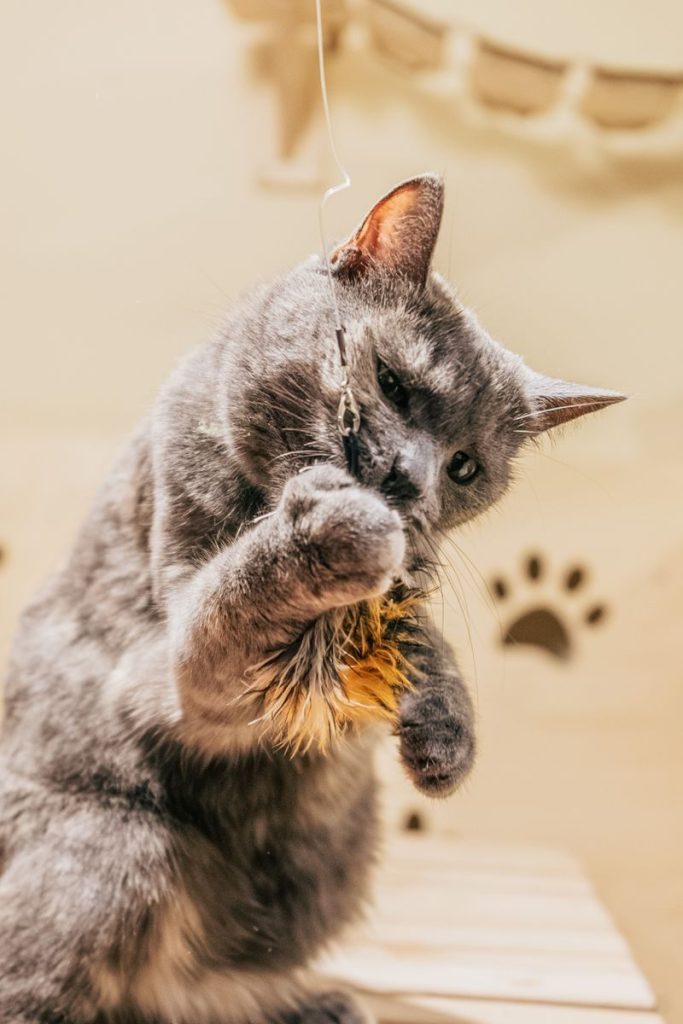
“Aging backwards” is best understood as affectionate social-media language for Daniel appearing brighter, more engaged, or more energetic than people expected. Biological aging has not reversed, and his permanent mobility problem remains part of his life. The phrase works as a hook only when that context is clear. Daniel’s documented story is strong enough without claiming a medical miracle: an elderly barn cat with a severe limp reached 20, received sustained care, and continued showing personality and interest in his surroundings. That is remarkable on its own and avoids misleading readers about what senior care can actually do.
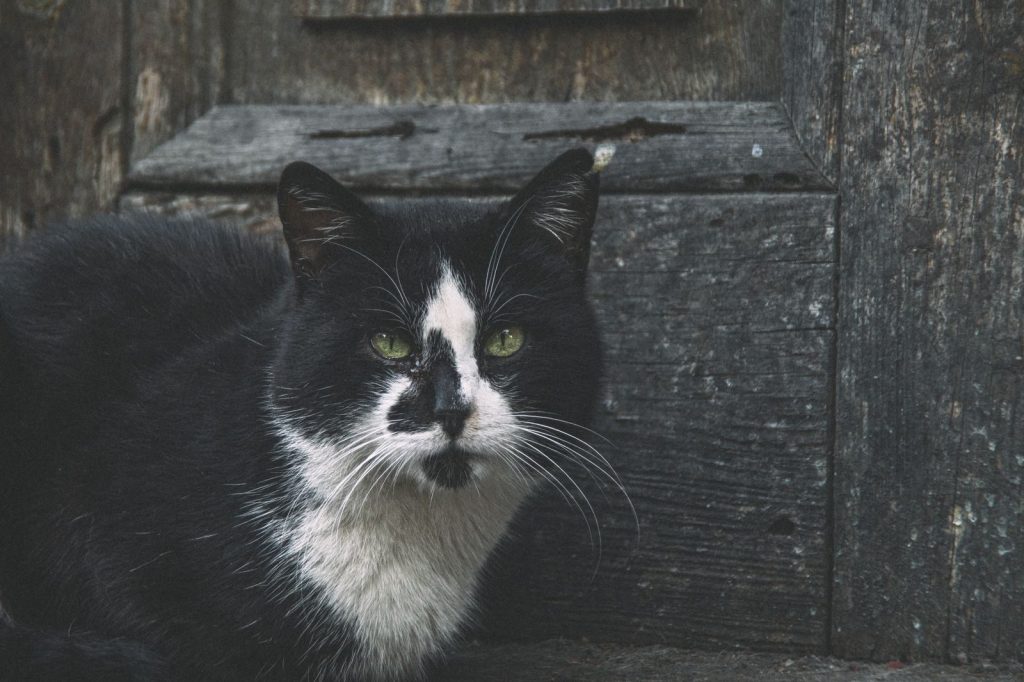
Featured Image: Photo by Burak Argun on Pexels