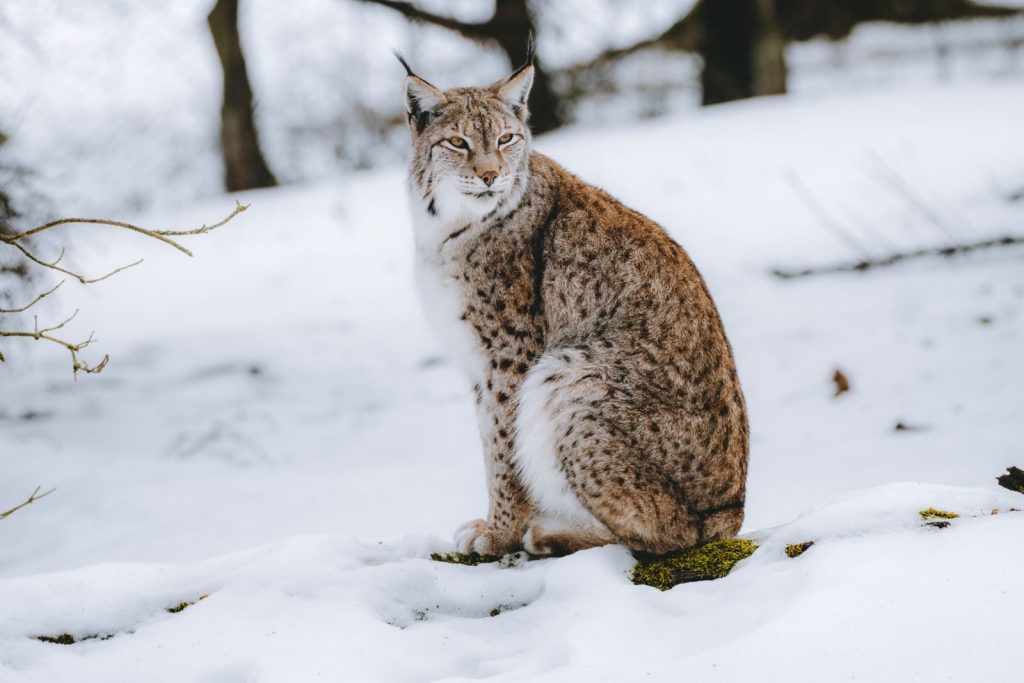

Most animal lovers view wild cats as larger versions of our quiet domestic pets. People often assume lynxes hunt and behave just like oversized indoor felines.
But these solitary wild predators possess specialized physical adaptations designed for extreme wilderness survival. Their distinct ear tufts and powerful paws serve crucial survival purposes.
Ear Tufts Act Like Antennae
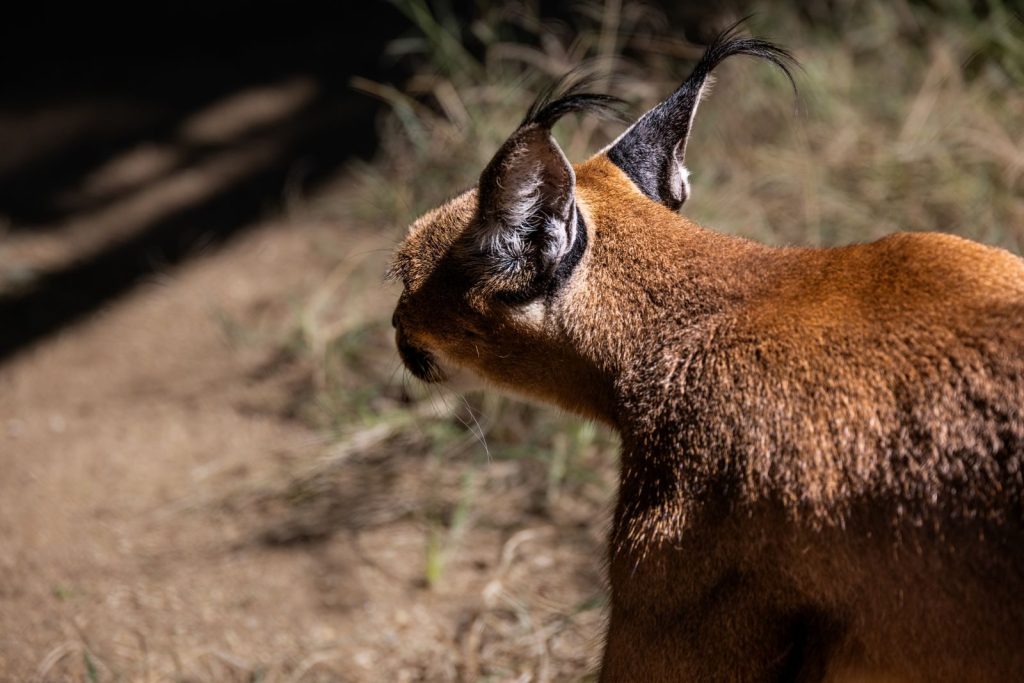
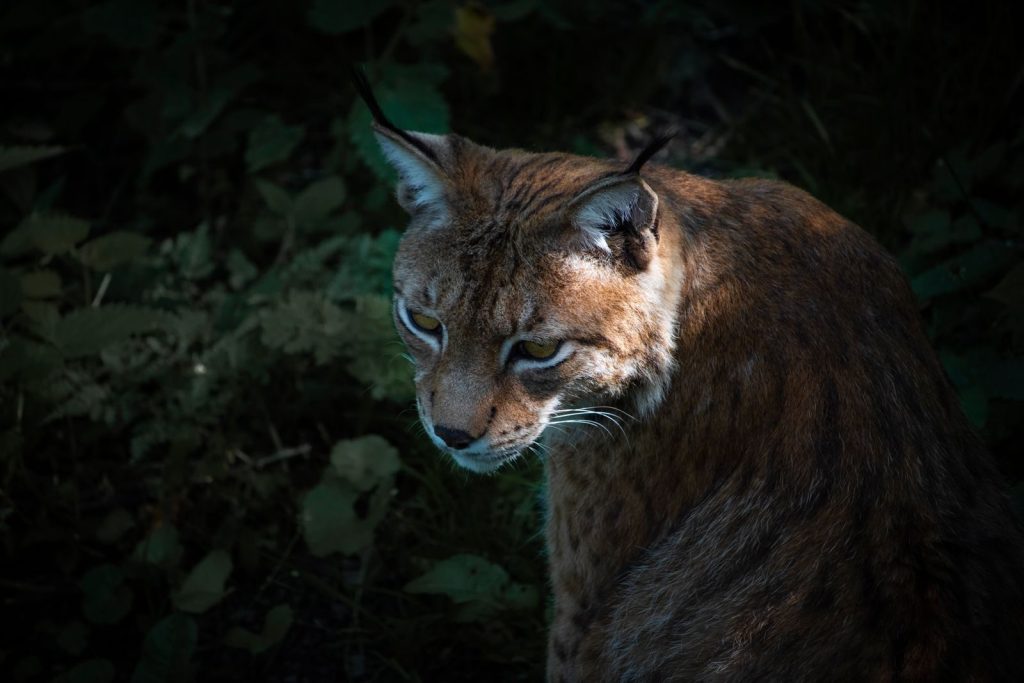
The long black tufts of fur sitting on a lynx’s ears are its most recognizable feature. Wildlife researchers spent years studying why these distinct ear tufts exist in cold wilderness habitats. According to the Wildlife Conservation Society, these tufts function like delicate hearing aids that help the lynx detect subtle movements in deep brush. They enhance acoustic sensitivity significantly. Without these specialized ear hairs, a lynx struggles to pinpoint the exact location of small prey hiding nearby. This acute hearing capability leads right into another remarkable physical adaptation.
Paws Work Like Snowshoes
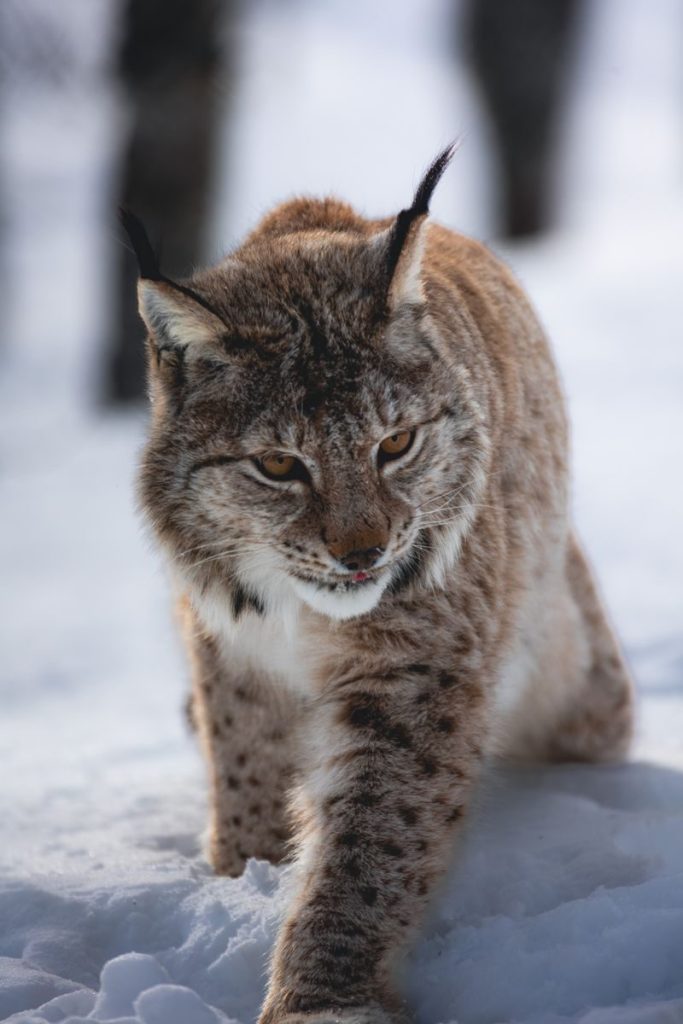
Lynxes navigate deep snowdrifts with ease where other wild predators struggle to walk. Their unusually large paws spread their weight evenly across soft snow surfaces. According to National Geographic wildlife reports, a lynx’s paws act like natural snowshoes, lined with thick fur that provides insulation against freezing temperatures. This physical adaptation allows them to hunt efficiently during harsh winter seasons. Snow travel becomes effortless. Their wide stance prevents them from sinking into deep drifts while stalking prey. This mobility supports their specialized hunting techniques in extreme climates.
Sharp Teeth Deliver Precision
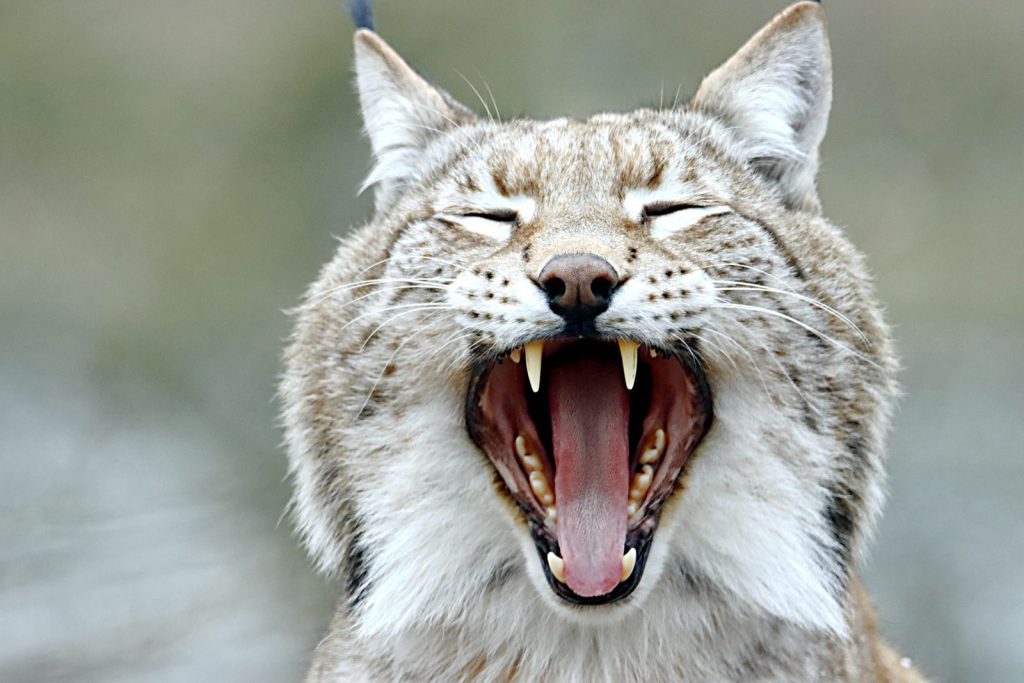
Survival in northern forests requires effective hunting tools, and the lynx relies heavily on its sharp teeth. Their specialized canine teeth feature sensitive nerve endings that help them feel where to bite. According to the Smithsonian’s National Zoo, a lynx can quickly locate a prey animal’s neck joint to minimize energy spent during a hunt. Their bite is precise. This physical efficiency allows them to hunt snowshoe hares, which make up the vast majority of their diet. Specialized teeth ensure survival when food becomes scarce during cold months.
Stealth Keeps Cats Hidden
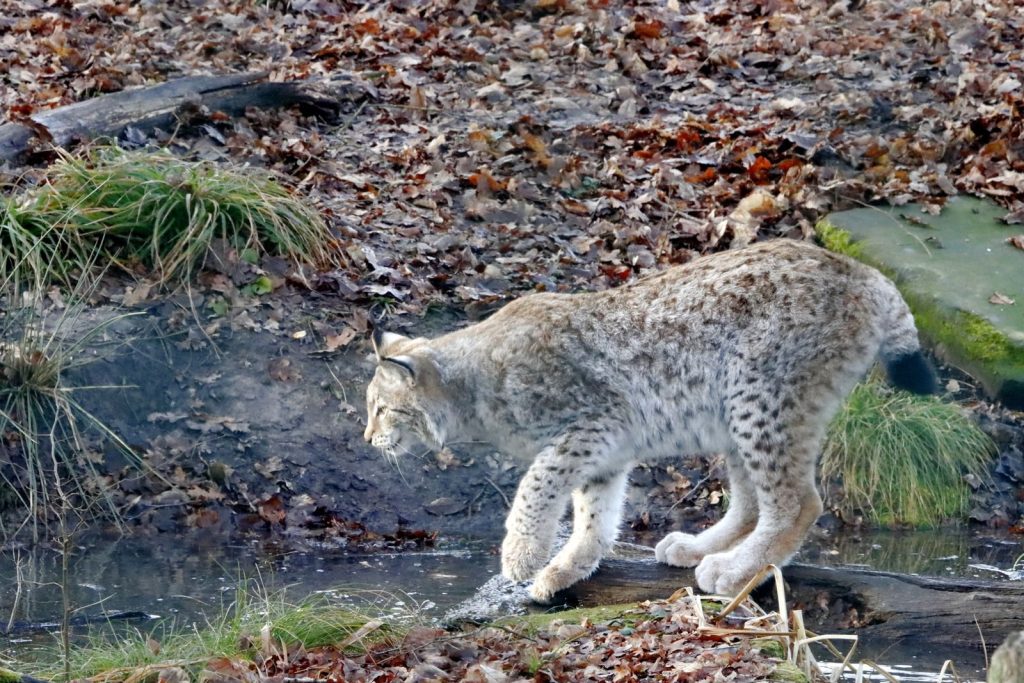
Lynxes are notoriously elusive animals that rarely interact with humans or other large predators in the wild. Their spotted coat provides excellent camouflage against sunlit forest floors and rocky slopes. According to the U.S. Fish and Wildlife Service, lynxes rely on camouflage and patient stalking rather than long high-speed chases to capture prey. They move through thick woods without making a sound. Stealth guarantees hunting success. This quiet lifestyle makes seeing a wild lynx extremely rare even for experienced researchers. Their secretive behavior extends to how they mark their territory.
Scent Marks Guard Territory
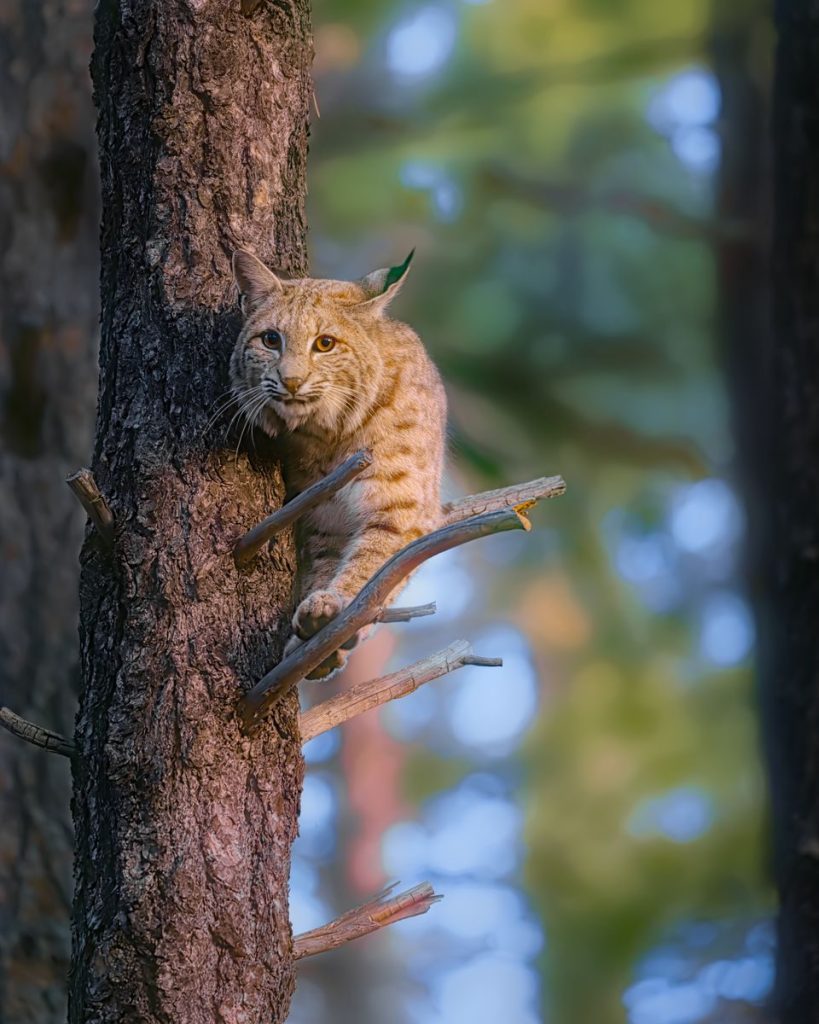
Because lynxes lead solitary lives, they use scent marks to communicate with neighboring cats without physical conflict. They leave scent marks on trees, rocks, and snowbanks across their expansive home ranges. According to the International Union for Conservation of Nature, a single adult lynx territory can cover dozens of square miles of dense wilderness. Scents convey age and gender clearly. These chemical signals prevent unnecessary territorial fights between solitary adults. Protecting these expansive wilderness ranges has become a central focus for modern wildlife conservation groups.
Forest Protection Saves Lynx
Preserving unbroken forest corridors is essential for protecting wild lynx numbers across North America and Eurasia. Habitat fragmentation poses a major threat to their ability to find food and mates. According to the World Wildlife Fund, conservation initiatives focused on protecting old-growth forests help maintain healthy prey populations for wild felines. Connecting isolated forest areas allows young lynxes to establish new territories safely. Protection work changes outcomes. These conservation programs ensure wild cat populations remain stable in changing environments.
Preserving Wild Spaces
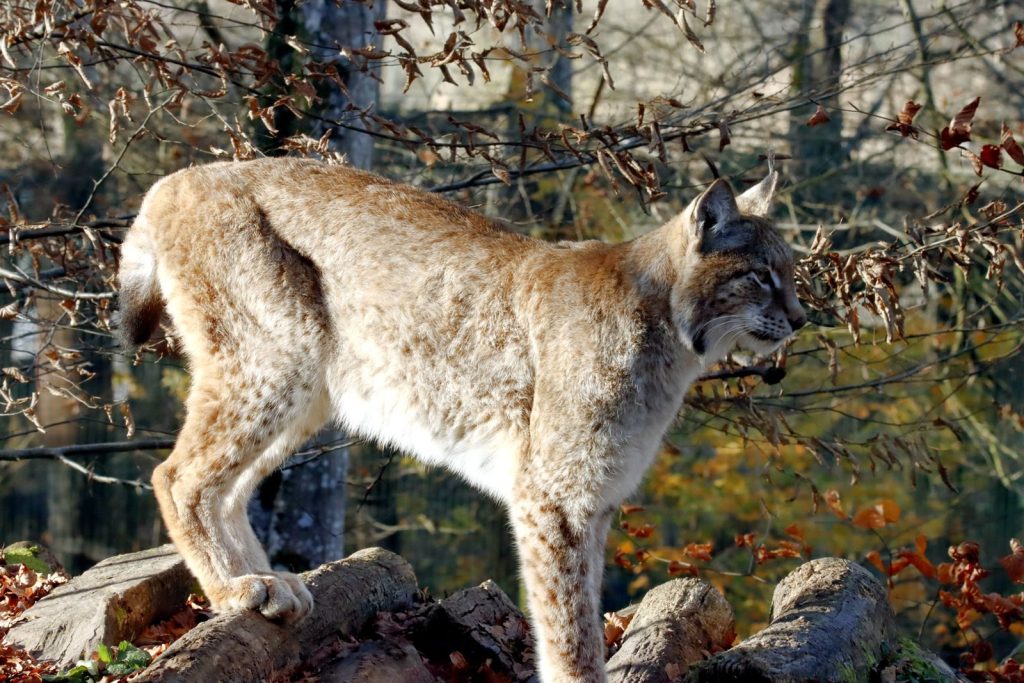
Understanding the unique physical traits of the lynx highlights the vital importance of protecting wild spaces. Their ear tufts, snowshoe paws, and solitary nature make them one of the wilderness’s most impressive hunters. Supporting wildlife conservation helps preserve these extraordinary wild felines for generations to come. Protecting natural habitats keeps wild ecosystems balanced and healthy. This article is for informational purposes only.
Featured Image: Photo by David Selbert on Pexels