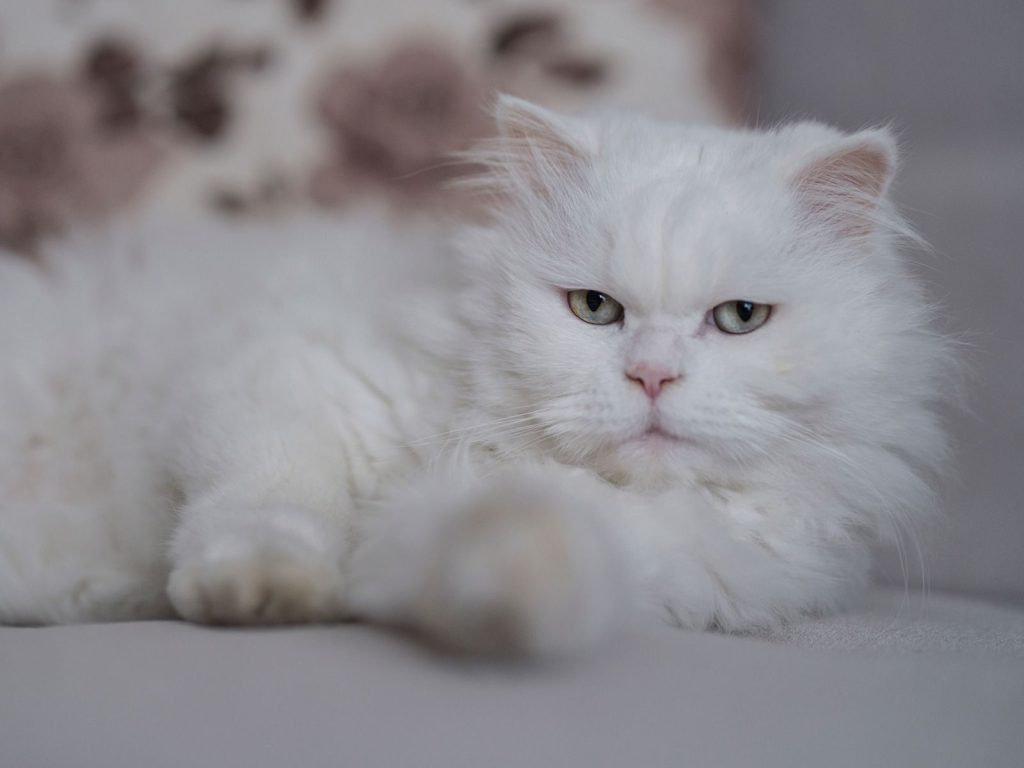

Pet lovers often think all longhaired cats require overwhelming coat maintenance every day. Many owners worry that double coats lead to excessive shedding everywhere.
But specific plush breeds combine silky fur with affectionate personalities meant for lap sitting. Understanding their unique traits helps families pick the right cuddle buddy.
Calm Lap Warmth
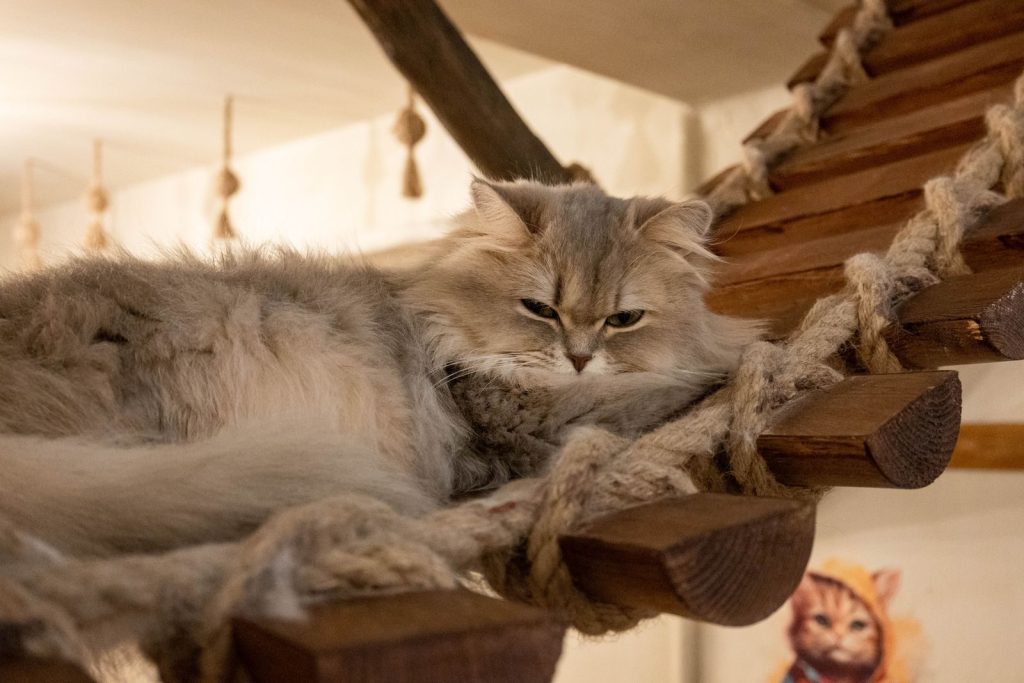
Persian cats are world-famous for their luxurious long coats and sweet, docile temperaments. They love spending quiet afternoons curled up on a soft lap or cozy cushion. According to the Cat Fanciers’ Association, Persians rank among the most peaceful indoor cat breeds due to their relaxed energy levels. Their thick fur feels incredibly soft, making cuddle sessions a joy for owners. They love absolute comfort. This gentle breed prefers calm households where they can nap without sudden disruptions. Looking beyond Persians reveals another famously soft breed that loves human affection.
Gentle Loving Companions
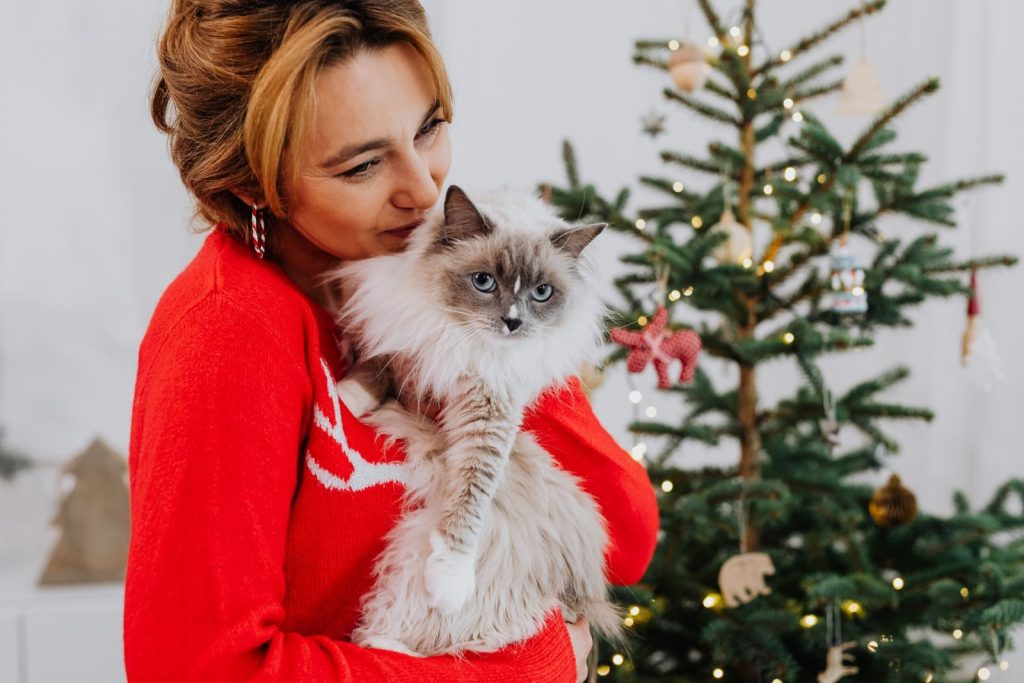
Ragdolls earned their name because they tend to go limp with happiness when held. Their plush semi-longhair coats are remarkably soft and far less prone to matting than other longhaired felines. According to International Cat Care, Ragdolls are deeply human-oriented felines that follow their owners around the house like gentle puppies. They love lap time and happily collapse into cozy cuddles whenever given the chance. Soft affection comes naturally. Their trusting nature makes them fantastic family companions for households with kids or seniors. Another dense-coated breed offers cozy affection along with low allergy risks.
Low Allergy Dense Coats
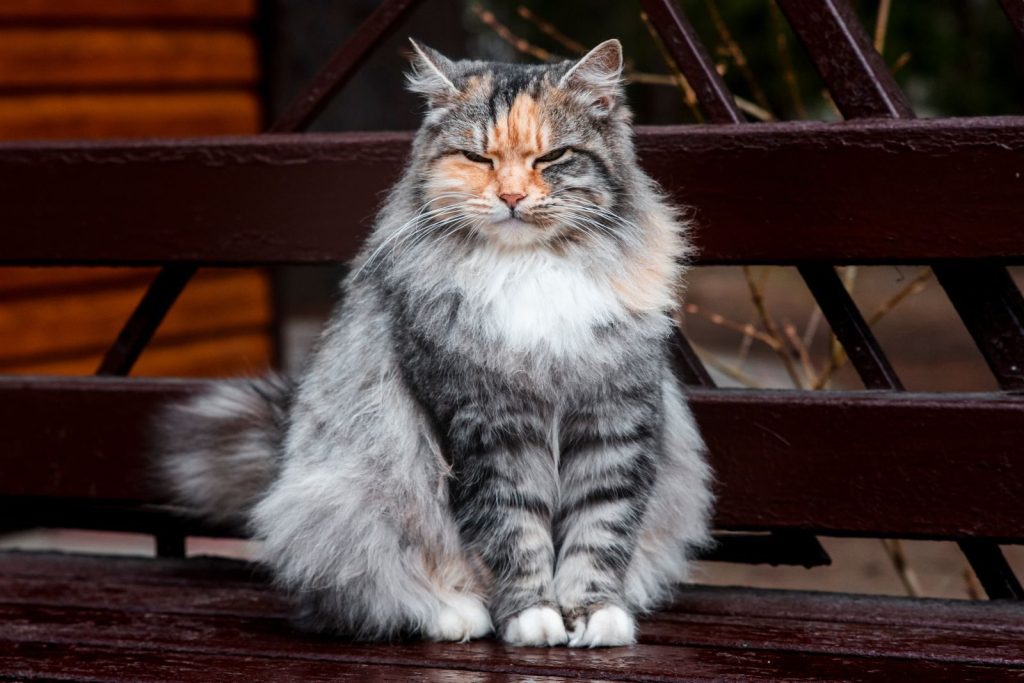
Siberian cats feature thick triple coats built for northern winters, giving them an amazingly fluffy appearance. Despite all that fur, many allergy sufferers find Siberians easier to live with than other breeds. According to veterinary studies published by the University of California, Siberians naturally produce lower levels of the Fel d 1 protein responsible for cat allergies. Their plush coats are a joy to stroke during quiet evenings on the sofa. They stay wonderfully soft. This robust breed combines rugged physical warmth with a loving, playful demeanor. Managing these lush coats requires simple daily maintenance habits.
Sweet Family Connections
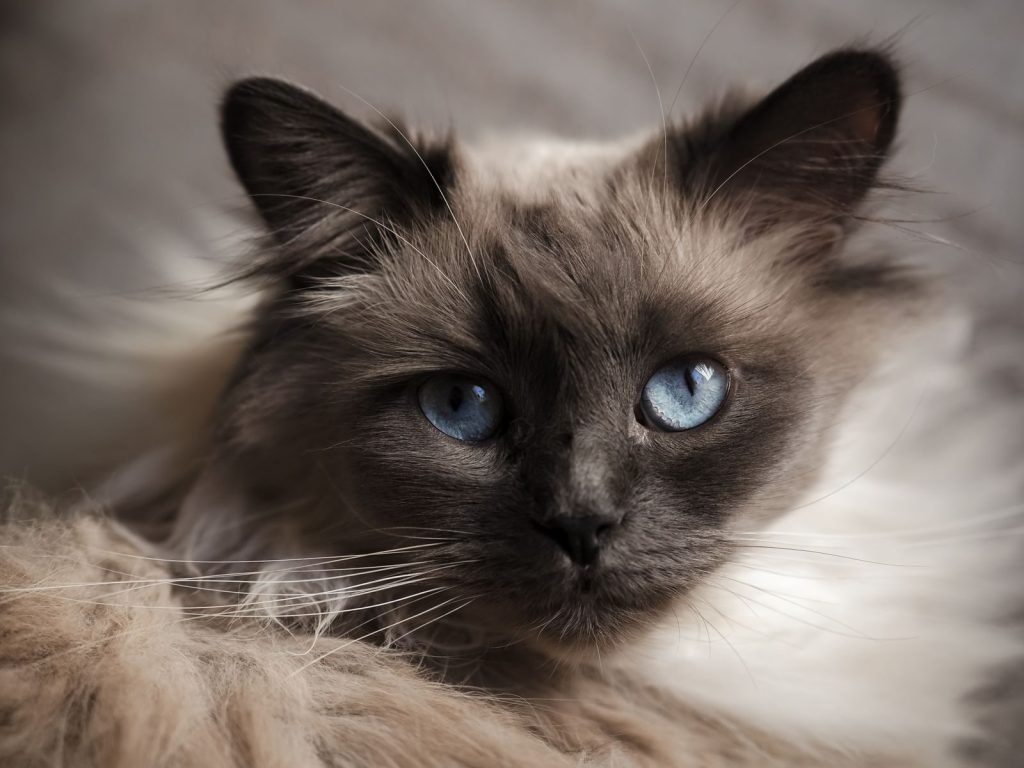
Birman cats sport striking color points matched with silky, medium-long fur that rarely tangles. Their gentle blue eyes and sweet personalities make them ideal companions for quiet homes. According to ASPCA Pet Health Insurance reports, Birmans are known for their gentle, curious nature and deep devotion to human family members. They enjoy resting on laps and softly purring while being petted. Their sweet purr soothes. These affectionate cats thrive on gentle attention and soft daily interaction. Keeping their coats healthy depends on a few straightforward grooming practices.
Simple Tools Prevent Mats
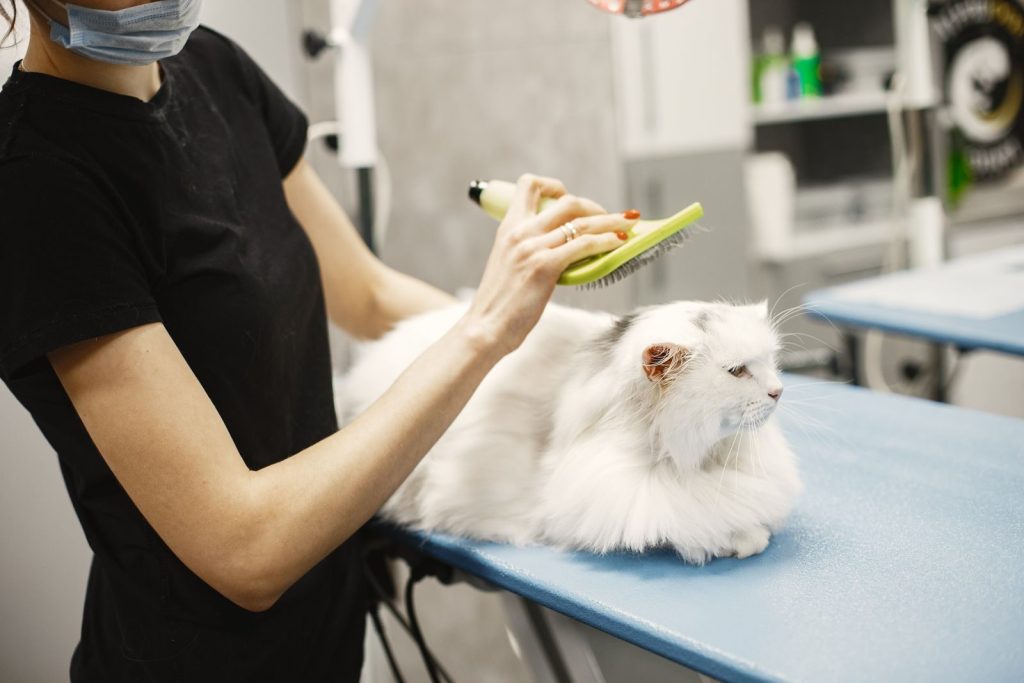
Maintaining a fluffy cat’s coat does not have to take hours of hard work every day. Using a wide-tooth metal comb and a slicker brush twice a week keeps loose hair from forming mats. According to VCA Animal Hospitals, regular grooming removes dead hair before the cat swallows it, drastically reducing troublesome hairballs. Brushing also distributes natural skin oils across the fur to keep it soft and shiny. Consistency makes coat care easy. A quick grooming routine keeps longhaired cats comfortable while preventing mess around the house. Proper nutrition plays an equally important role in coat health.
Brushing Controls Indoor Shedding
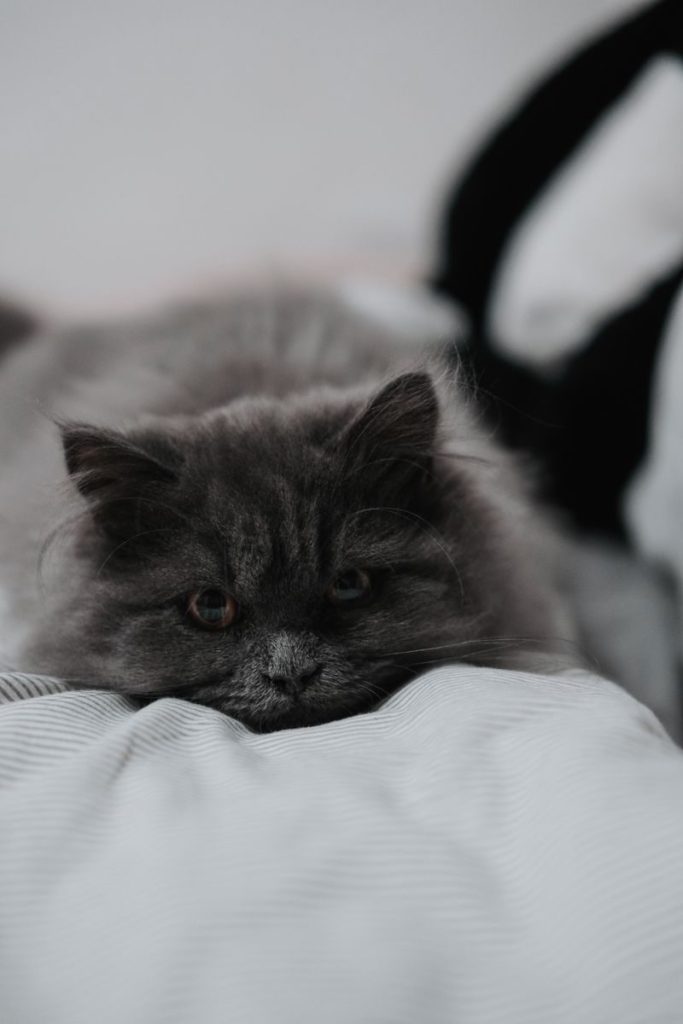
Shedding is a natural process for longhaired felines, but strategic coat management keeps indoor fur under control. Brushing your cat outdoors or on a towel catches loose fur before it ends up on furniture. According to the American Veterinary Medical Association, seasonal coat blowing happens in spring and fall, requiring a bit extra grooming attention. Keeping up with brushing during these transitions prevents dense mats near the skin. Clean fur stays healthy. A well-groomed cat feels far more comfortable during warm weather. Nutrition further supports coat texture from the inside out.
Healthy Oils Soften Coats
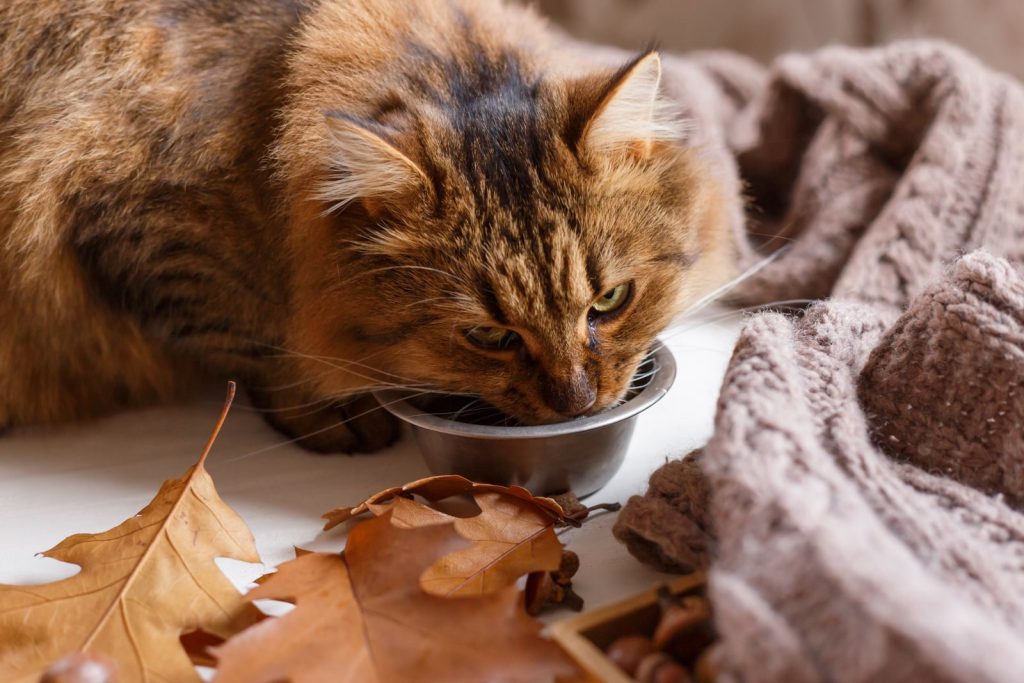
Dietary choices directly influence how soft and shiny a fluffy cat’s coat remains over time. High-quality cat food rich in omega-3 and omega-6 fatty acids nourishes the skin barrier and hair follicles. According to the Cornell Feline Health Center, essential fatty acids prevent dry skin, reduce itching, and promote a lush, silk-like coat texture. Offering moisture-dense wet food also helps maintain hydration levels necessary for healthy fur growth. Nutrition builds brilliant shine. Providing proper dietary support keeps your cat’s coat feeling soft during every cuddle session. Choosing the right breed completes the journey.
Finding The Right Match
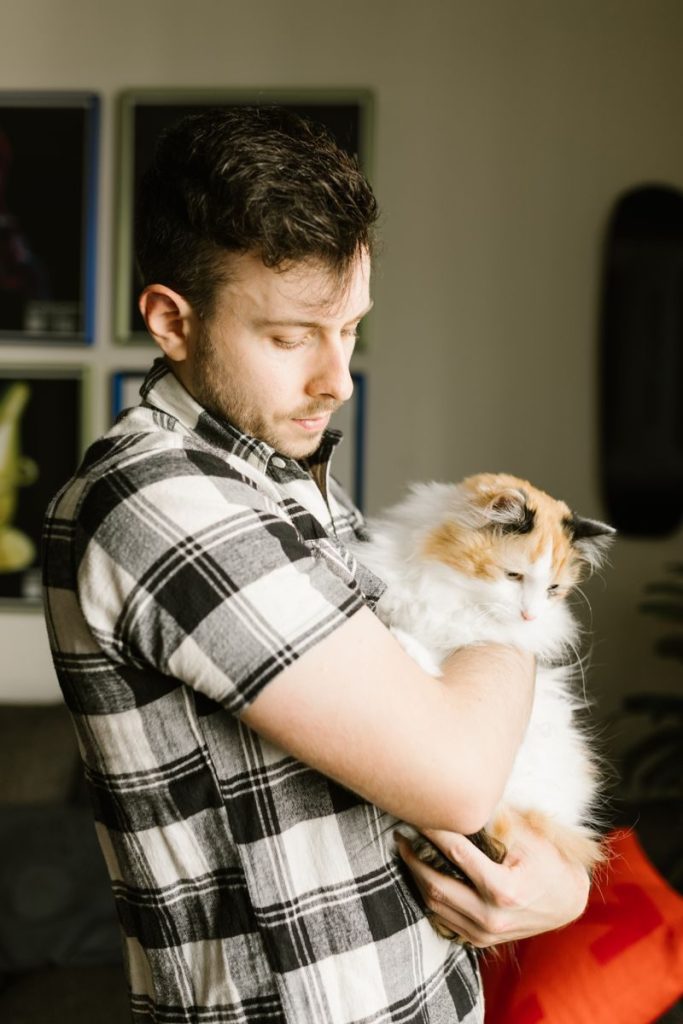
Welcoming a fluffy cat into your home brings incredible warmth, companionship, and endless lap cuddles. Whether you prefer a quiet Persian or a social Ragdoll, understanding their care needs ensures a happy life together. Working closely with a veterinarian keeps your pet’s skin and fur in optimal condition for years. Loving attention turns fluffy cats into lifelong family companions. This article is for informational purposes only and does not constitute veterinary advice.
Featured Image: Photo by Engin Akyurt on Pexels