
The idea of a cat breed that will “fiercely protect” its owner sounds appealing, but breed descriptions do not establish cats as reliable personal-protection animals. Individual cats may react to unfamiliar people, noises, animals, or perceived threats in very different ways, and those responses can reflect temperament, socialization, experience, fear, or context. A more accurate way to approach the topic is to look at breeds commonly described as strongly people-oriented, loyal, affectionate, social, or closely bonded with their families rather than promising defensive behavior.
Strong attachment does not guarantee protection. A closely bonded cat may follow its person, seek contact, vocalize, investigate visitors, or stay nearby without ever confronting a threat. Another cat may hide when frightened, which is also a normal survival response. Breed tendencies are general descriptions rather than promises about an individual animal. Anyone choosing a cat should prioritize health, temperament, care needs, activity level, and household fit instead of expecting guard-dog behavior. These breeds are better known for close human bonds than for proven personal protection.
Abyssinians Form Strong Human Bonds

Abyssinians are widely described as active, curious, and highly people-oriented cats. Many enjoy following household activity, climbing near their owners, and joining interactive play rather than spending long periods disengaged from the family.
That social involvement can look protective when an Abyssinian stays close or watches unfamiliar activity, but it should not be confused with trained guarding. Their real needs center on exercise, enrichment, climbing opportunities, and companionship. They suit people who want an energetic, involved cat rather than a dependable protector.
Siamese Cats Stay Closely Involved
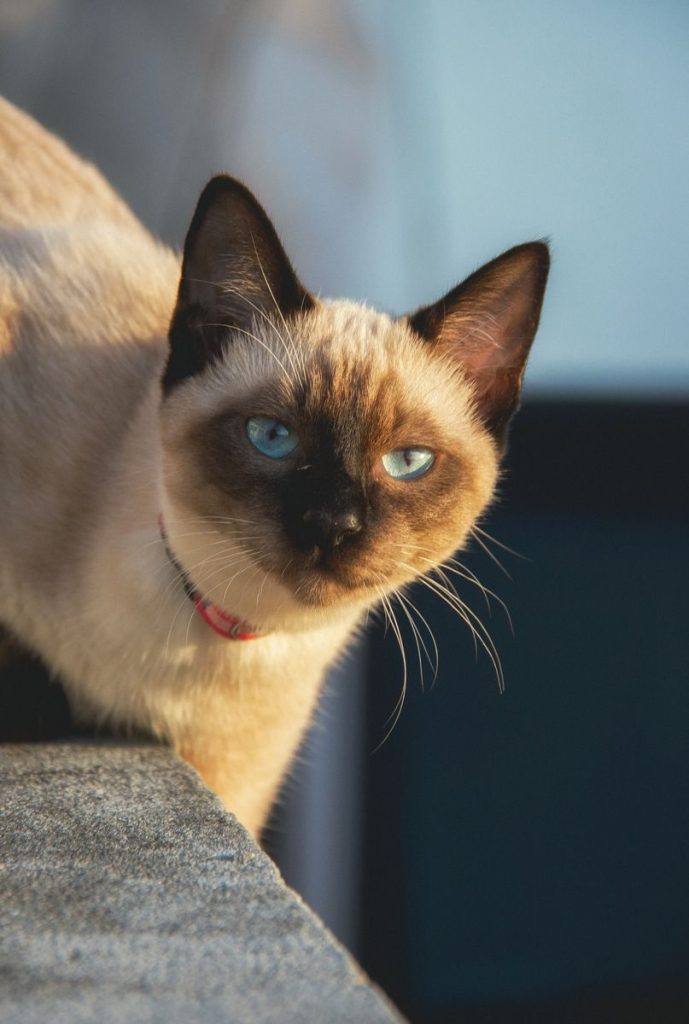
Siamese cats are famous for being social, vocal, and strongly interested in people. Many follow family members from room to room, seek frequent interaction, and communicate loudly when they want attention, food, play, or company.
That level of involvement can make a Siamese seem watchful, but it does not guarantee defensive behavior. Their defining trait is engagement with people. They usually fit best in homes that appreciate an expressive, interactive companion and can provide regular attention, stimulation, and social contact.
Burmese Cats Are People-Oriented

Burmese cats are commonly described as affectionate, social, and strongly people-oriented. Many seek close physical contact, participate in household activity, and prefer spending substantial time with familiar people rather than remaining isolated for long periods.
Their confidence and curiosity may lead them to investigate visitors or stay close when something changes, but that should not be marketed as guaranteed protection. Burmese cats are better understood as devoted companions. Their strongest trait is social attachment, not a predictable willingness to challenge unfamiliar people or animals.
Maine Coons Prefer Staying Nearby

Maine Coons combine impressive size with a notably people-oriented temperament. Many follow owners from room to room, investigate household activity, and choose to remain nearby without necessarily demanding constant lap time or physical contact.
Their large build can look formidable, but appearance should not be confused with guarding ability. Owners are more likely to get a curious companion that supervises daily life than a reliable protector. Socialization, play, grooming, enrichment, and health care matter far more than encouraging defensive behavior.
Siberians Often Follow Their Families
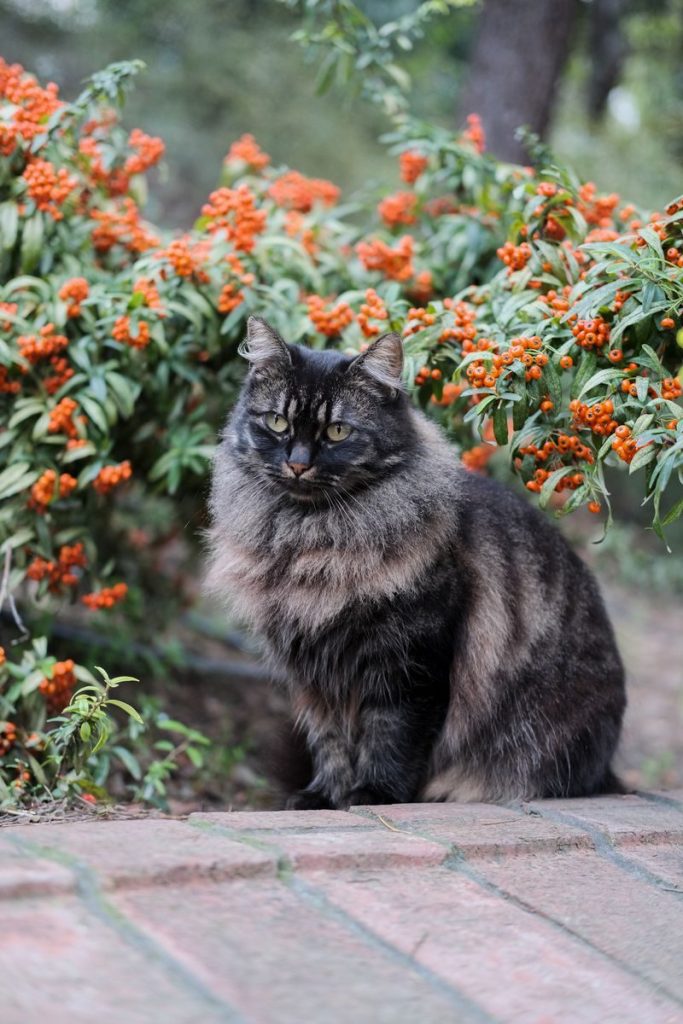
Siberians are active, affectionate cats that often enjoy following family members and spending time close to them. Their muscular build and heavy coat can make them look powerful, but physical appearance says little about how an individual will respond to a threat.
A Siberian may investigate changes in the home simply because it is social and curious. That is different from trained or reliable protection. Prospective owners should focus on the breed’s activity, grooming, enrichment, and companionship needs rather than expecting a predictable defensive response toward strangers.
Manx Cats Bond Closely With Families
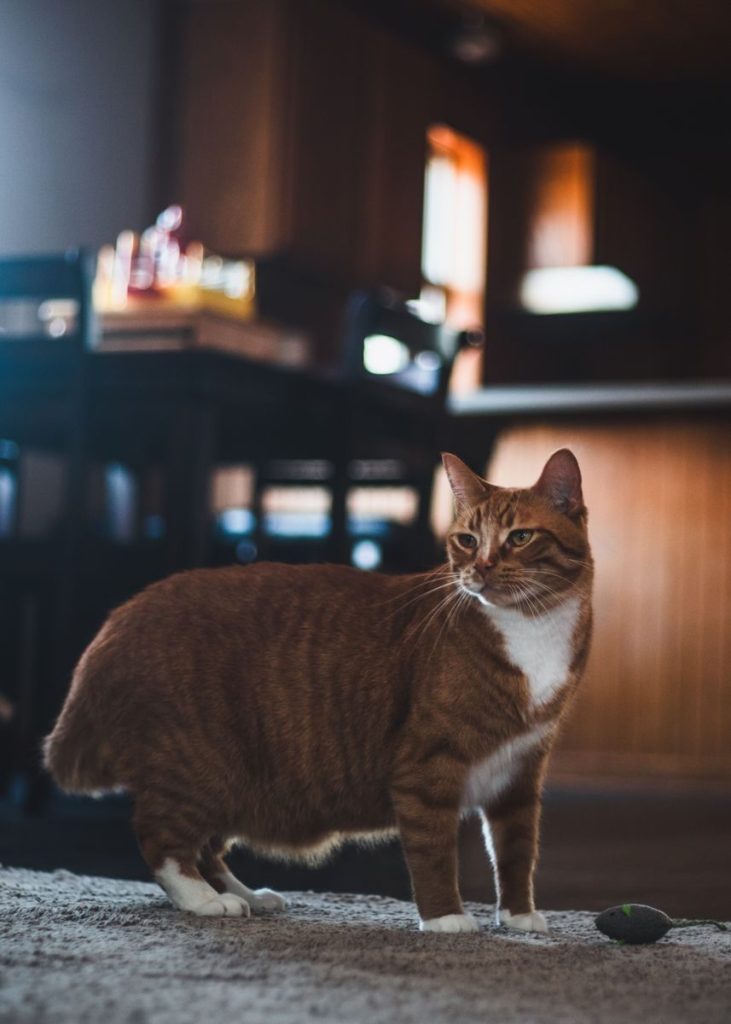
Manx cats are generally known as people-oriented companions that can form strong bonds with family members. Many are affectionate, playful, and interested in household routines, making them appealing to people who want an involved and interactive cat.
A closely bonded Manx may follow a favorite person, greet family members, or watch unfamiliar activity, but those behaviors are not proof of protective intent. Like any cat, an individual may approach, retreat, hide, vocalize, or investigate when something changes. Temperament varies within every breed.
Birmans Are Loving and Loyal

Birmans are widely described as loving, gentle, and loyal cats that enjoy attention and companionship. Many seek contact with familiar people and participate calmly in household life, making them better known as affectionate family companions than as confrontational animals.
A Birman that stays beside an owner during an unfamiliar situation may appear protective, but that interpretation should remain cautious. Social closeness is not the same as defensive behavior. This breed makes more sense for someone seeking affectionate companionship than for anyone expecting a cat to challenge intruders.
Russian Blues Stay Close to Family

Russian Blues are often described as intelligent, loyal cats that can be reserved around strangers while remaining affectionate and close to familiar family members. Their cautious behavior around newcomers can sometimes be mistaken for guarding or protectiveness.
Reserve usually means the cat needs time and control when meeting someone new, not that it intends to defend the household. Many Russian Blues appreciate routine and familiar people and may follow family members around the home. Their strongest quality is close companionship, not reliable personal protection.
Featured Image: Photo by .M.Q Huang on Pexels